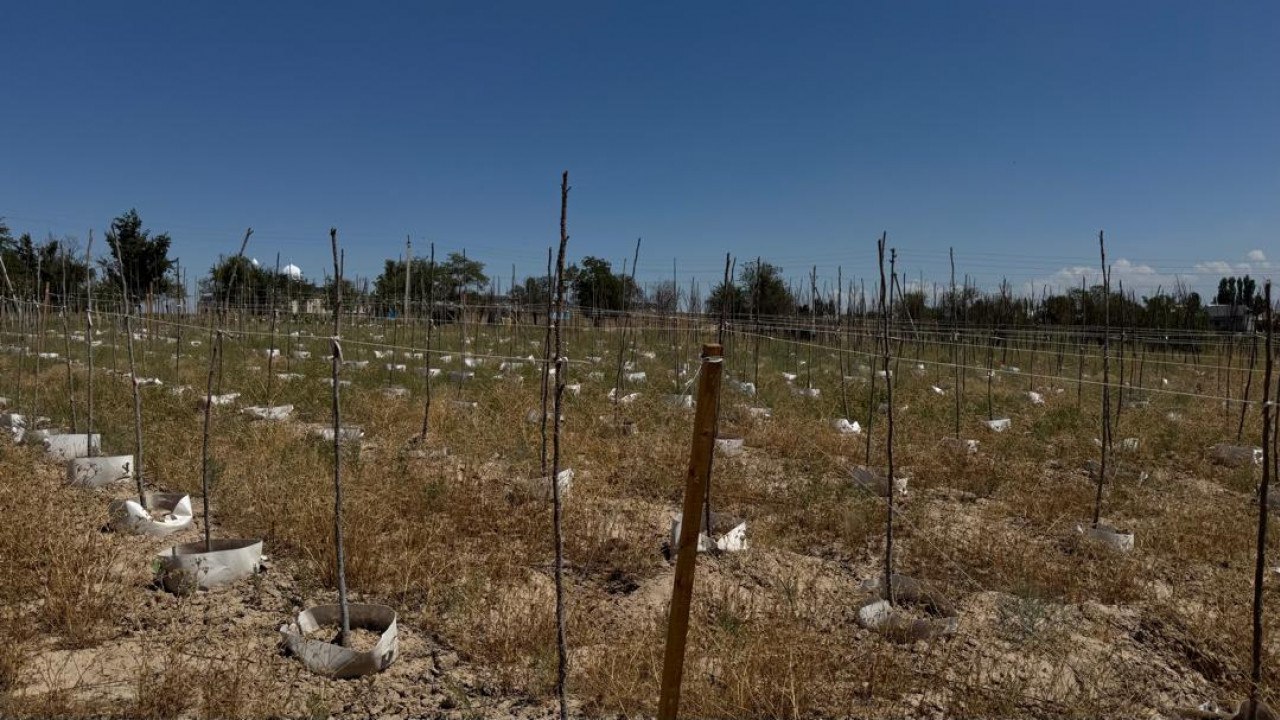
Bishkek has launched an experimental nursery dedicated to cultivating hybrid poplars as part of a broader initiative to restore the city’s declining green spaces. The project, spearheaded by Kyrgyzstan’s Ministry of Natural Resources, Ecology and Technical Supervision, aims to support long-term urban reforestation.
Located on 24 hectares of land, the nursery is expected to produce up to 200,000 saplings each year. In 2025 alone, 12,000 hybrid poplars have already been planted. The selected variety is suited for urban environments; it does not produce fluff, grows up to two meters annually, and develops straight trunks with high crowns. Tree cuttings are used for continued propagation.
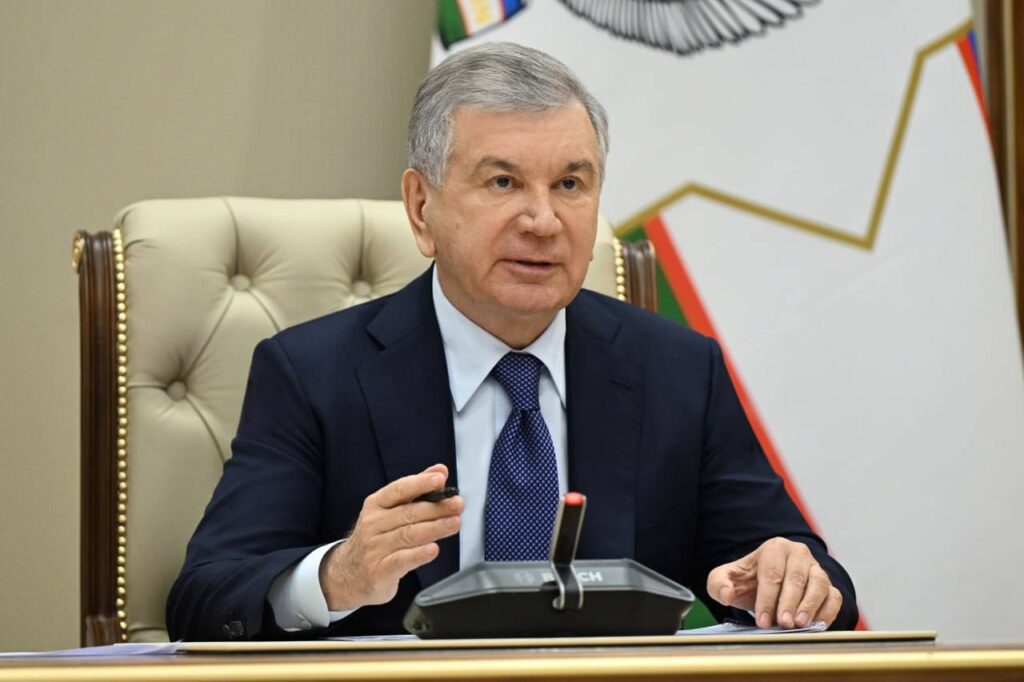
Minister Meder Mashiev, who visited the site, stressed the strategic importance of the initiative. “If this business develops, all the problems of city greening can be solved,” he stated.
The nursery is expected to reduce dependence on imported saplings and play a key role in reversing urban deforestation while improving air quality in the capital.
As previously reported by The Times of Central Asia, Bishkek’s municipality is also collaborating with partners from Qingdao, China, to establish a large-scale tree and shrub nursery. This bilateral project forms part of a broader environmental restoration strategy aimed at strengthening the city’s ecological resilience.
Once regarded as one of the greenest cities in the former Soviet Union, Bishkek has experienced a steady decline in tree cover over the past three decades due to rapid urban development. Environmental experts have urged authorities to prioritize planting tall, broadleaf deciduous trees, valued for their shade and noise absorption, rather than the coniferous species currently favored in urban landscaping.