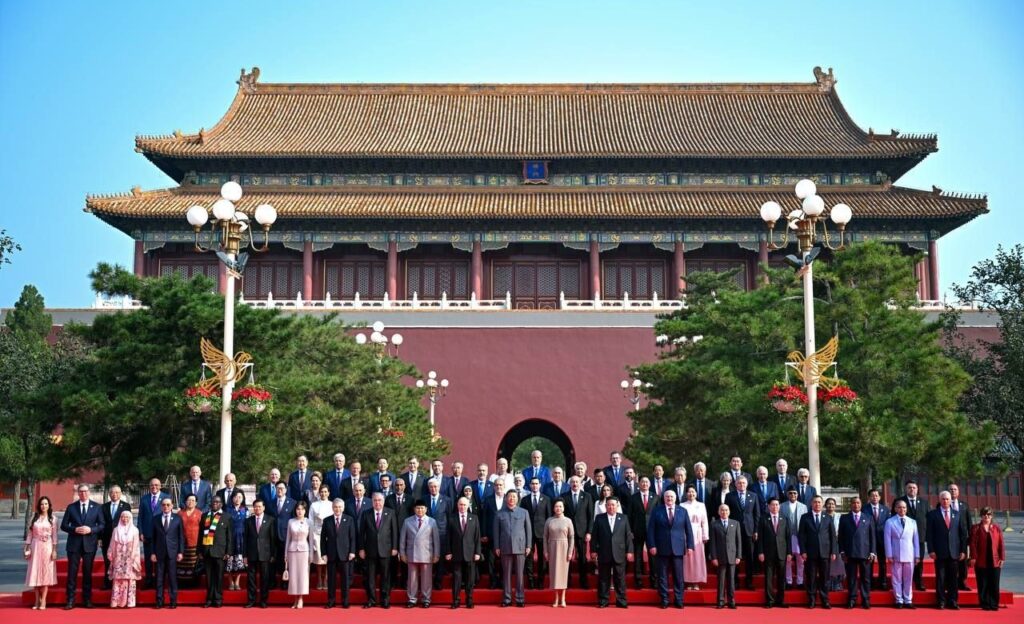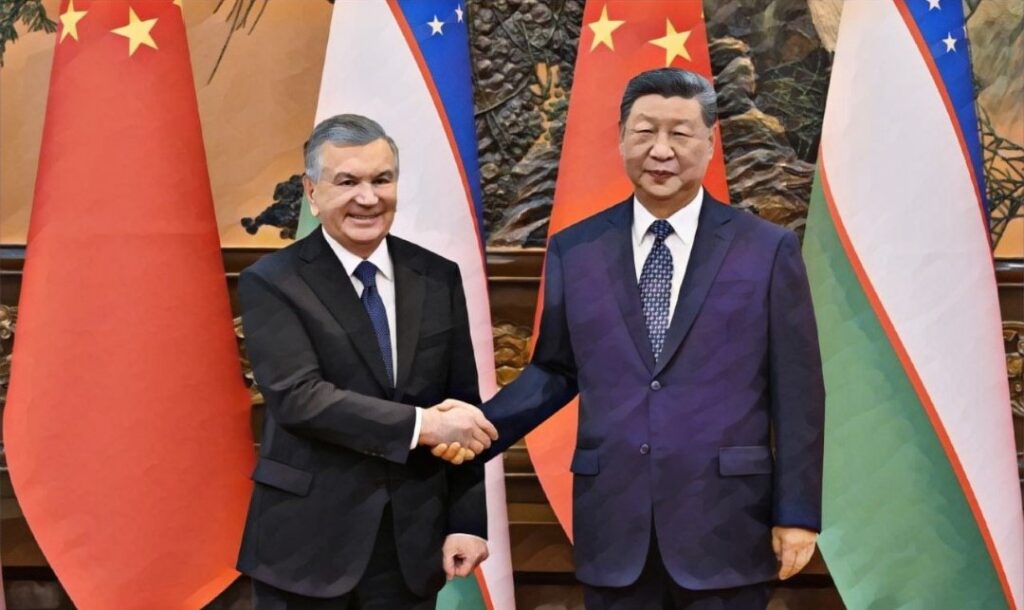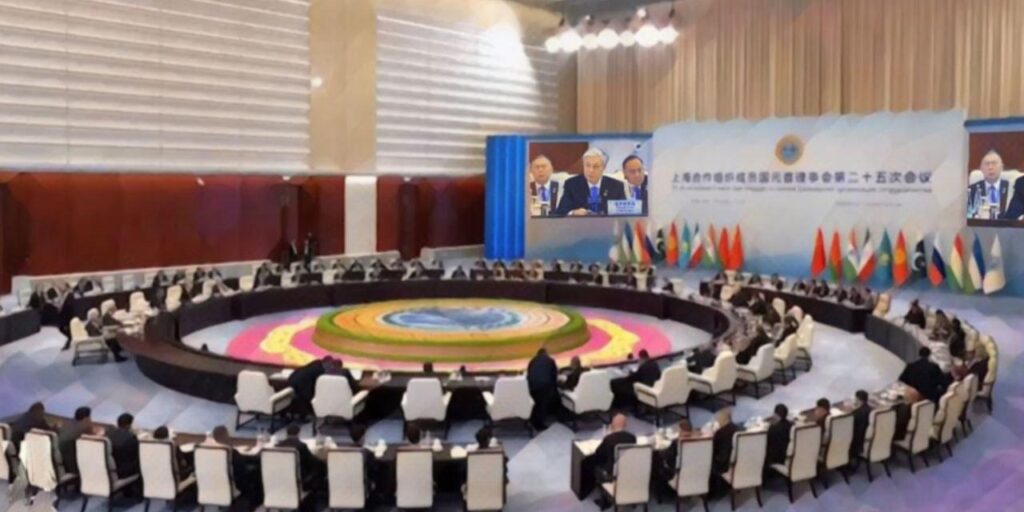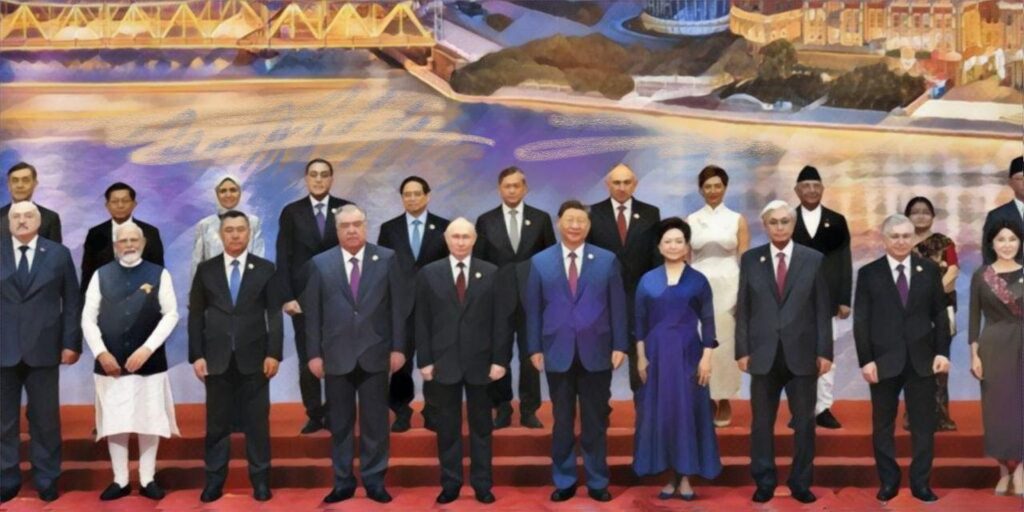
On August 31, the next SCO Plus summit will begin in the Chinese city of Tianjin and run through to September 1. Judging by the list of participants, China, under Chairman Xi Jinping, is positioning itself to challenge the United States for influence over the global geopolitical agenda. As part of the Shanghai Cooperation Organization (SCO) summit, Xi will host a formal banquet for the attending heads of state, according to the Chinese Foreign Ministry. Xi is also scheduled to chair the 25th meeting of the SCO Council of Heads of State and lead the expanded SCO Plus session – the largest since the establishment of the organization – where he will deliver a keynote address.
Clues to the themes of Xi’s speech can be found in the diverse array of leaders expected to attend. Chinese Deputy Foreign Minister Liu Bin confirmed at a Beijing press conference that among the SCO member states, participants will include Russian President Vladimir Putin, Indian Prime Minister Narendra Modi, Pakistani Prime Minister Shahbaz Sharif, Iranian President Masoud Pezeshkian, Belarusian President Alexander Lukashenko, Kazakh President Kassym-Jomart Tokayev, Kyrgyz President Sadyr Japarov, Tajik President Emomali Rahmon, and Uzbek President Shavkat Mirziyoyev.
Several leaders from non-member states will also join, including Turkish President Recep Tayyip Erdoğan; Mongolian President Ukhnaagiin Khurelsukh; Azerbaijani President Ilham Aliyev; Indonesian President Prabowo Subianto; and Turkmen President Serdar Berdimuhamedov, whose participation suggests Ashgabat’s cautious but growing interest in regional dialogue.
Also in attendance will be the prime ministers of Armenia (Nikol Pashinyan), Cambodia (Hun Manet), Nepal (Khadga Prasad Sharma Oli), Egypt (Mostafa Madbouly), Malaysia (Anwar Ibrahim), and Vietnam (Pham Minh Chinh).
The summit will also host key international institutional leaders, including UN Secretary-General António Guterres; SCO Secretary-General Nurlan Yermekbayev; CIS Secretary-General Sergey Lebedev; ASEAN Secretary-General Kao Kim Hourn; CSTO Secretary-General Imangali Tasmagambetov; EAEU Chairman Bakytzhan Sagintayev; and AIIB President Zhou Ji.
Kazakhstan will be prominently represented. In addition to President Tokayev, three high-profile Kazakhs mentioned above – Yermekbayev, Tasmagambetov, and Sagintayev – will attend in their capacities as heads of international organizations. Their presence signals Astana’s growing diplomatic weight and reflects the strategic outreach led by Tokayev, himself a former UN Deputy Secretary-General. This background likely contributes to the rapport between Kazakhstan and Guterres.
The summit will also inevitably draw attention due to the presence of the Armenian and Azerbaijani leaders, figures central to the ongoing realignment in the South Caucasus. Both Baku and Yerevan have increasingly distanced themselves from Moscow, favoring closer ties with Turkey and the United States. The recent peace agreement between Aliyev and Pashinyan, signed in the presence of President Trump, underscored the growing American role in the region and the diminishing influence of Russia.
While Moscow appears willing to tolerate this shift, Tehran views it with deep concern, especially after its recent 12-day conflict with Israel. Russia, for its part, seems to be signaling disengagement from the region. Its silence in response to Baku and Yerevan’s Western overtures suggests strategic apathy, if not withdrawal.
Beijing, of course, is acutely aware of these tensions. Xi’s decision to host such a complex and potentially divisive gathering in Tianjin may reflect a broader ambition: to position China as a central node in an evolving multipolar world order.
Tianjin itself is a symbolically rich location. Once part of a prehistoric ocean bed, it is now China’s third-largest urban area. Its growth began under the Ming dynasty in the late 14th century, when it served as a key gateway to Beijing. Today, its well-preserved temples stand alongside ultramodern infrastructure, offering a visual metaphor for China’s global aspirations.
Among these historic and technological landmarks, Xi is expected to stage a high-level diplomatic performance, one aimed at seizing the initiative in any future talks about the global balance of power.
The views expressed in this article are those of the author and do not necessarily reflect the official policy or position of the publication, its affiliates, or any other organizations mentioned.