• KZT/USD = 0.00226
  • TJS/USD = 0.10830
  • UZS/USD = 0.00009
  • TMT/USD = 0.29760
  • KZT/USD = 0.00226
  • TJS/USD = 0.10830
  • UZS/USD = 0.00009
  • TMT/USD = 0.29760
  • KZT/USD = 0.00226
  • TJS/USD = 0.10830
  • UZS/USD = 0.00009
  • TMT/USD = 0.29760
  • KZT/USD = 0.00226
  • TJS/USD = 0.10830
  • UZS/USD = 0.00009
  • TMT/USD = 0.29760
  • KZT/USD = 0.00226
  • TJS/USD = 0.10830
  • UZS/USD = 0.00009
  • TMT/USD = 0.29760
  • KZT/USD = 0.00226
  • TJS/USD = 0.10830
  • UZS/USD = 0.00009
  • TMT/USD = 0.29760
  • KZT/USD = 0.00226
  • TJS/USD = 0.10830
  • UZS/USD = 0.00009
  • TMT/USD = 0.29760
  • KZT/USD = 0.00226
  • TJS/USD = 0.10830
  • UZS/USD = 0.00009
  • TMT/USD = 0.29760
25 September 2026

Our People > Aidar Borangaziyev

Aidar Borangaziyev's Avatar

Contributor

Articles

Middle Corridor Debate Shifts From Geopolitics to Commercial Viability

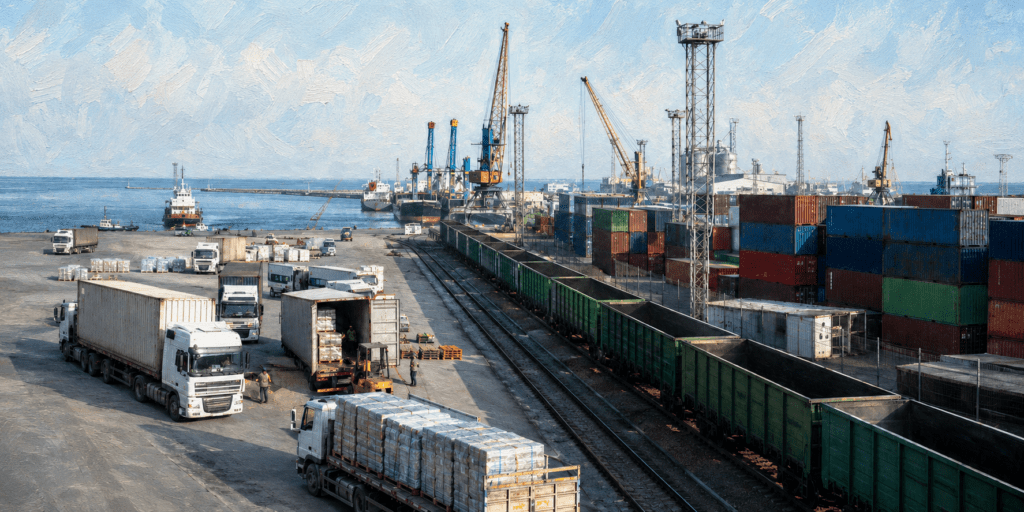
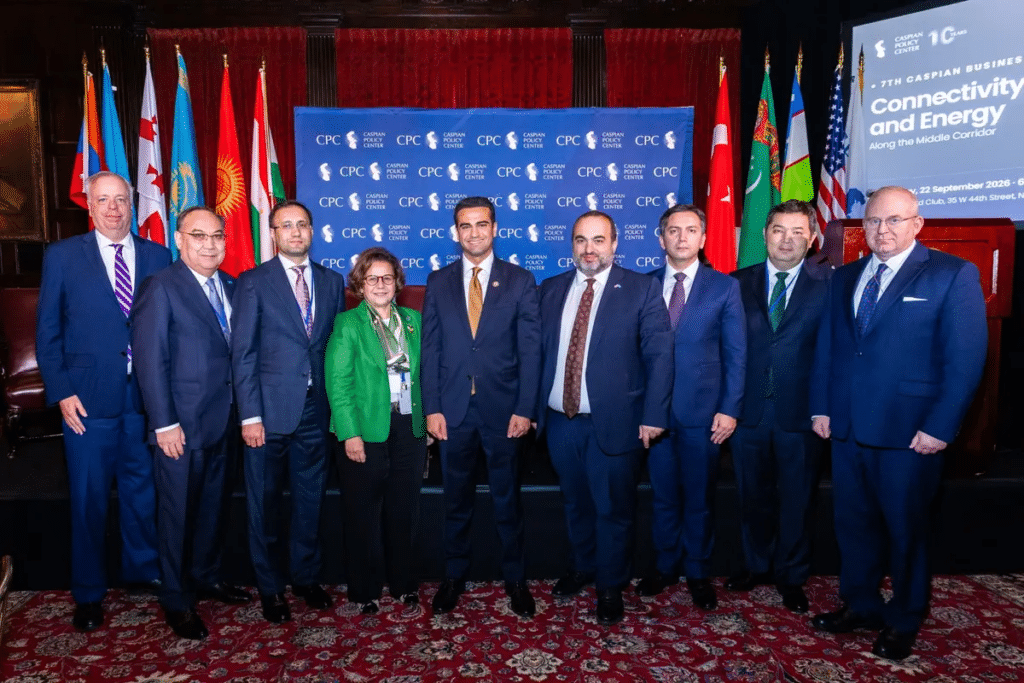
For several years, interest in the Middle Corridor has risen sharply amid the war in Ukraine, tensions around Iran, sanctions, instability on maritime routes, and governments’ efforts to diversify supply chains. The route runs through Central Asia, the Caspian Sea, and the South Caucasus. The way the issue is framed is now changing. The debate over whether this route is needed is moving into the background. A more important question is whether the Middle Corridor can develop from a politically attractive alternative into a sustainable transport and economic system that businesses will use not because of geopolitical circumstances, but because it is competitive. In this context, the 7th Caspian Business Forum, held in New York on September 22 and organized by the Caspian Policy Center (CPC), provided a useful snapshot of this shift. Representatives of the United States, Kazakhstan, Kyrgyzstan, Azerbaijan, Georgia, Turkey, and major businesses took part. The discussions focused on the Middle Corridor, the Trump Route for International Peace and Prosperity (TRIPP), energy, critical minerals, and attracting private capital. Freight volumes on the Trans-Caspian International Transport Route rose from 0.8 million tons to 4.5 million tons in the seven years to 2025, according to Kazakhstan’s Ministry of Transport. The route carried about 77,000 twenty-foot equivalent units of containerized cargo in 2025, and Kazakhstan aims to raise that total to 300,000 by 2029. These volumes are substantial, but they show the limits of the Middle Corridor’s current capacity. It has not yet become a replacement for all traditional overland routes between China and Europe. The World Bank has noted that the Middle Corridor is more than a transit bridge between China and the European Union (EU). Growth in trade among the countries along the route, as well as their trade with Europe, could be equally important. With the necessary investment and organizational reforms, it estimates, trade flows could triple and transport times could roughly halve by 2030. The route passes through several countries, crosses the Caspian Sea, requires transfers between different modes of transport, and depends on coordination among railway operators, ports, customs services, and tariff policies. A study of transport connectivity between Europe and Central Asia by the European Bank for Reconstruction and Development, at the request of the European Commission, identified 33 priority investment needs in physical infrastructure and seven soft-connectivity measures, ranging from the digitalization of transport documents to the harmonization of tariffs, customs, and border procedures. The CPC forum addressed these issues as well. CPC President Efgan Nifti put it this way: “For the Corridor to reach its full potential, it must increasingly function as one integrated system – with harmonized border procedures, coordinated ports and railways, and digitalized documentation.” Kazakhstan’s position reflects this approach. The country’s presidential representative for negotiations with the United States, Erzhan Kazykhan, called the Middle Corridor a “strategic investment in the future” connecting Kazakhstan with the South Caucasus, Turkey, and Europe. He said Astana views TRIPP as a logical extension of the system that could shorten the route to European markets...

1 day ago
Afghanistan’s Regional Ties Grow as Global Reintegration Stalls

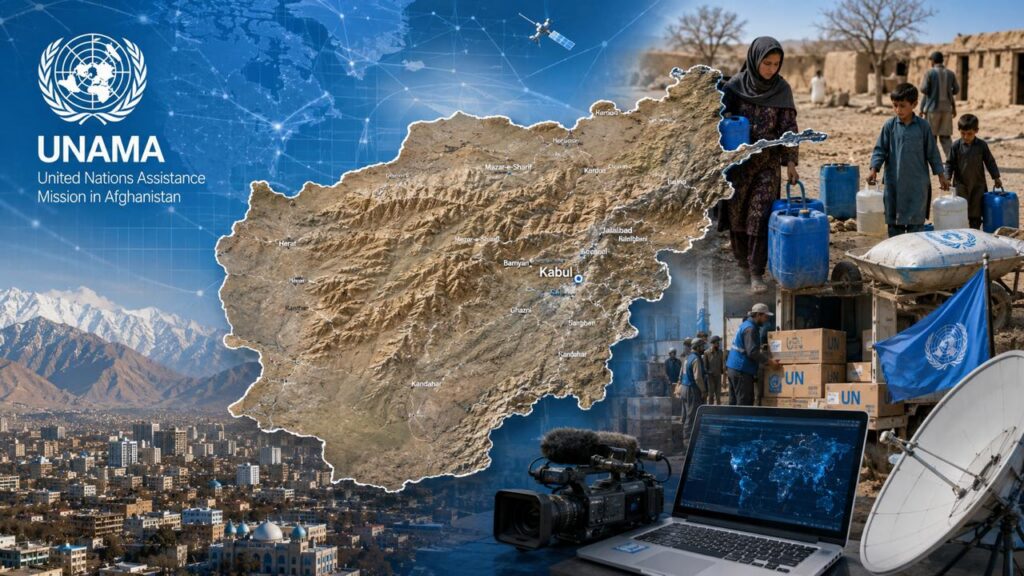
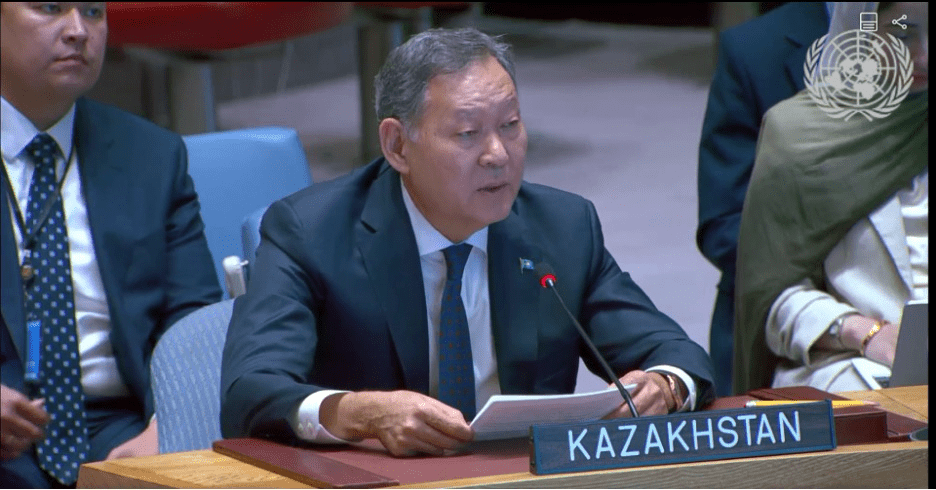
For Central Asia, Afghanistan is both a source of risk and a potential route south. Governments across the region increasingly see a more stable Afghanistan as a way to open new markets and expand economic links with South Asia. Afghanistan is a direct neighbor of Tajikistan, Uzbekistan, and Turkmenistan. The geography is different for Kazakhstan and Kyrgyzstan, but their political and economic interests are no less significant. Many long-term plans for expanding Central Asia’s connections to the south depend in part on Afghanistan’s future and the role it can play in the regional economy. At the UN Security Council’s September 16, 2026, meeting on Afghanistan, Kazakhstan set out a position that may reflect a wider Central Asian view. Astana argued that engagement with Afghanistan’s current authorities should not be equated with recognition and that isolation could not offer a sustainable solution. Astana proposes moving past the current focus on humanitarian aid. In Kazakhstan’s view, the next phase of international engagement should gradually move Afghanistan from dependence on humanitarian aid toward economic self-reliance through job creation, private-sector development, the restoration of financial channels, and expanded trade and investment. The statement also calls for Afghanistan’s integration into the regional economy. Kazakhstan’s representative specifically discussed connections between Central and South Asia, Kazakh-Afghan business ties, trade houses in Herat and Kabul, and the new UN Regional Centre for the Sustainable Development Goals for Central Asia and Afghanistan in Almaty. Astana also expressed concern about restrictions affecting Afghan women and girls. Georgette Gagnon, the UN secretary-general’s deputy special representative for Afghanistan, delivered the main briefing. Five years after the Taliban’s return to power, the UN Assistance Mission in Afghanistan (UNAMA) assesses that the de facto authorities face no significant armed or political threat to their control, although risks to long-term stability are accumulating and largely stem from their own policies. UNAMA therefore distinguishes between the Taliban’s control of the country and its prospects for long-term stability. UNAMA views the Doha process as the main multilateral framework for Afghanistan’s gradual reintegration into the international community. It links progress to women’s rights and inclusive governance, along with the fulfillment of counterterrorism commitments. The mission also notes that Kabul prefers bilateral relations to multilateral engagement. Russia and China focused on pragmatic engagement and economic recovery, stressing the need to avoid isolation. China also urged Kabul to step up its efforts against terrorist groups and lift restrictions preventing Afghan women employed by the UN from doing their jobs. Russia called for dialogue without pressure and for steps toward Afghanistan’s international reintegration without preconditions. Afghanistan’s economic ties with some regional partners are expanding while its political normalization at the global level remains unresolved. Kazakhstan’s position illustrates this divide. It allows for engagement without accepting the existing order as permanent or waiting for isolation to change it. Future international discussions on Afghanistan will have to address this tension.

1 week ago

Afghanistan Critical Minerals: Can Central Asia Help Unlock Them?

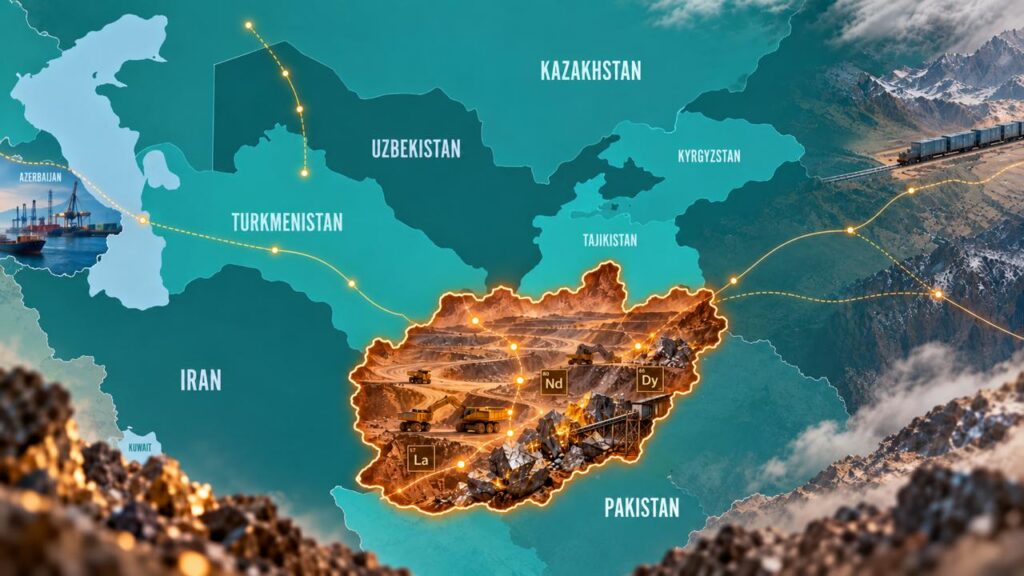
Central Asia is increasingly being drawn into the global competition for critical minerals. To the south lies Afghanistan, where much of the country’s substantial mineral wealth remains undeveloped. Kabul is now trying to turn those resources into an economic and diplomatic asset. Amir Khan Muttaqi, foreign minister in the Taliban government, told the Financial Times that Afghanistan would “definitely” welcome U.S. investment in mining, infrastructure, agriculture, and trade. Relations between the two countries, he said, should be viewed through the opportunities for future cooperation rather than the lens of 20 years of war. At the same time, Muttaqi invited the United States to reopen its embassy in Kabul while ruling out a return of U.S. control over Bagram Air Base. This was not an isolated overture. In mid-August, Muttaqi told The New York Times that the United States could reopen its embassy and invest in Afghanistan’s mineral resources, dams, and roads. On August 30, he told Kyodo News that Kabul was seeking to normalize relations with the United States on the basis of mutual respect and shared interests, while formal recognition remained “a matter for the next stage.” Taken together, these statements amount to a consistent diplomatic approach. Mineral resources are becoming one of the enticements the Taliban is using to offer Washington a new basis for bilateral relations: economic interests could open the way to broader engagement. Kabul Offers Resources, Washington Rejects the Pitch The timing of the offer is no coincidence. The Trump administration has significantly increased its focus on critical minerals and the resilience of supply chains. On July 30, the White House described U.S. dependence on foreign sources of critical materials as a growing risk to national security and authorized the use of Defense Production Act powers to restrict exports of certain recoverable critical minerals and materials. Ten days earlier, Trump signed an executive order aimed at strengthening defense supply chains and increasing reliance on critical materials and components sourced domestically or from allied countries. Kabul is trying to make itself relevant to this debate by presenting Afghanistan as a potential source of minerals and a destination for U.S. investment. The U.S. response, however, immediately demonstrated the limits of that strategy. On September 2, the State Department said in a written response to Voice of America that it had no plans to engage with the Taliban on developing critical mineral resources. The department pointed to the Taliban’s sanctions status and said U.S. investment could increase the financial resources available to Afghanistan’s current authorities. For Washington, the attractiveness of Afghanistan’s mineral resources cannot, for now, be separated from the political status and policies of those who control them. "$1 Trillion in Mineral Wealth" In 2007, the U.S. Geological Survey (USGS), working with the Afghanistan Geological Survey, conducted a major assessment of the country’s mineral resources. Researchers compiled data on known deposits and assessed the potential for undiscovered resources, covering commodities including copper, iron, gold, lithium, and rare earth elements. In 2010, a Pentagon task force put the gross value of Afghanistan’s mineral...

3 weeks ago

Five Years Without Recognition: How Central Asia Is Building Relations with Afghanistan

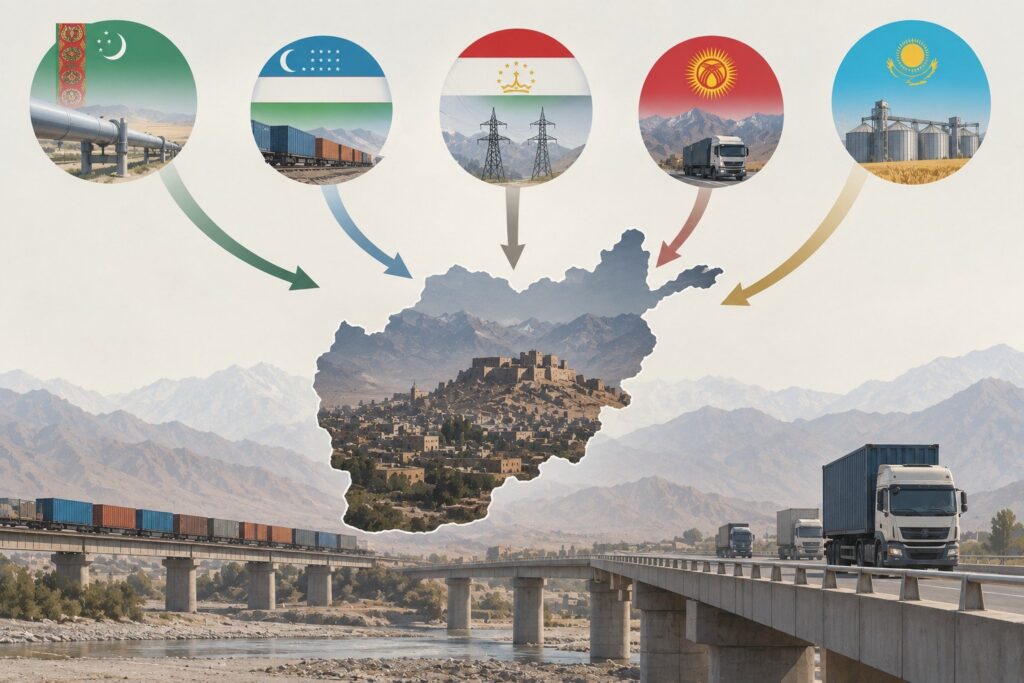
Five years of Taliban rule have shown that international relations with an unrecognized government can go much further than many imagined after the fall of Kabul in August 2021. Russia remains the only country to have formally recognized Afghanistan’s current authorities, yet the complete isolation some expected has not materialized. Afghanistan receives foreign diplomats and participates in regional talks, while neighboring states pursue trade and infrastructure projects with Kabul. Over the past five years, the Taliban have signed mining agreements worth billions of dollars, including projects involving Chinese and Iranian capital. This diplomatic arrangement has become possible because international approaches toward Afghanistan have diverged. Restrictions on the rights of women and girls continue to block broader international legitimization of the Taliban. In August, the UN described the situation facing Afghan women as the world’s most severe women’s rights crisis. At the same time, neighboring states have practical issues to address involving trade, security, water, energy, and transportation. Central Asia has gone particularly far in developing practical engagement. Afghanistan is gradually being integrated into regional economic ties without any formal change in its international status. Engagement Without Recognition On April 5, 2026, Kabul hosted the first dedicated Central Asia-Afghanistan Consultative Dialogue, attended by representatives of all five Central Asian states. The participants discussed economic ties and regional connectivity. The format itself was presented as a multilateral political mechanism for regular engagement between Afghanistan and Central Asia. This is already more than a collection of separate contacts with Kabul. The region is gradually developing its own model for dealing with the Taliban, driven by issues that cannot simply be left unresolved. Trade and transportation continue regardless of diplomatic status. In the first quarter of 2026 alone, rail freight between Kazakhstan and Afghanistan reached 1 million tons, up 77% year over year. Tajikistan, which long maintained the toughest stance toward the Taliban among Afghanistan’s Central Asian neighbors, has also expanded working contacts with Kabul, although border security remains a serious concern. Tajik officials say five Chinese citizens were killed in two attacks launched from Afghan territory in late 2025, while Dushanbe has long warned about militant groups operating in Afghanistan, including Islamic State Khorasan Province (ISKP). So far, this model has allowed political recognition to remain separate from practical cooperation. But the region is gradually moving beyond trade and diplomatic contacts toward proposed infrastructure projects with multibillion-dollar price tags. From Trade to Long-Term Bets Afghanistan’s economy is growing, but it remains too weak to finance major infrastructure projects on its own. The World Bank estimated real GDP growth at 4.8% in 2025, but the return of around 3.7 million Afghans and rapid population growth contributed to a 5.6% decline in GDP per capita. Investment remains weak, while businesses have limited access to financing. The financial system also maintains connections with the outside world through narrow channels. The World Bank has noted limited correspondent banking relationships, a lack of direct access to accounts in the United States, and the significant role of the informal hawala...

3 weeks ago

Islamic State Khorasan Province Expands Reach Beyond Afghanistan

More than a decade has passed since the formal emergence of Islamic State Khorasan Province (ISKP). For Central Asia, the history of this group is especially significant: the region features prominently in its propaganda and recruitment, and people from Central Asian countries have become part of transnational networks linked to ISKP. Today, ISKP must be assessed as more than an armed group operating in Afghanistan. Over the past decade, it has repeatedly lost leaders, been driven from most of its original territorial strongholds, and endured several major campaigns against it. Yet it has not disappeared. The current iteration of ISKP differs markedly from the organization that tried to establish itself in eastern Afghanistan in 2015-16. The main change is that it has learned to survive and spread its influence without controlling substantial territory. This transformation makes it especially important for Central Asia. Distance from the Afghan border and the number of districts under the group’s control are becoming less important measures of the threat. Its ability to maintain transnational ties, address audiences in local languages, and use migrant and digital networks is becoming more important. A large body of recent research, including a recently published monograph by the Usanas Foundation, makes it possible to trace this transformation. The group’s decade-long history is important for what it reveals about changes in the modern terrorist threat: loss of territory and a decline in membership do not necessarily mean an organization will disappear. ISKP did not emerge in a vacuum. Its original core was formed largely by members of existing jihadist organizations. They included former commanders of Tehrik-e Taliban Pakistan (TTP), Taliban members, and representatives of other groups who pledged allegiance to the Islamic State’s leadership after the organization emerged in Iraq and Syria. On January 26, 2015, Islamic State officially announced the creation of its “Khorasan Province.” Eastern Afghanistan became its main territorial base. This choice was no accident. Significant Salafi communities and religious networks had long existed in the region. Their development can be traced at least to the Soviet-Afghan War of the 1980s, and by 1990, Kunar Province already had its own Salafi political-religious movement, which briefly established the Islamic Emirate of Kunar. These networks should not automatically be equated with jihadism, but the presence of an established religious milieu and long-standing tensions between some Salafis and the Taliban gave ISKP more favorable conditions for its initial recruitment and entrenchment. The initial strategy largely replicated the Islamic State model in Iraq and Syria. ISKP sought to do more than carry out terrorist attacks. It tried to establish itself on the ground, build bases and its own control structures, collect local revenue, and demonstrate an ability to impose an alternative order. It was an effort to implement a specific territorial project. That effort to establish a territorial foothold soon became the group’s main source of vulnerability. From the middle of the decade, ISKP came under pressure from several adversaries at once. The armed forces of the former Afghan government and the...

4 weeks ago

Kazakhstan Afghanistan Ties Expand With Aid, Medicine and Trade Talks

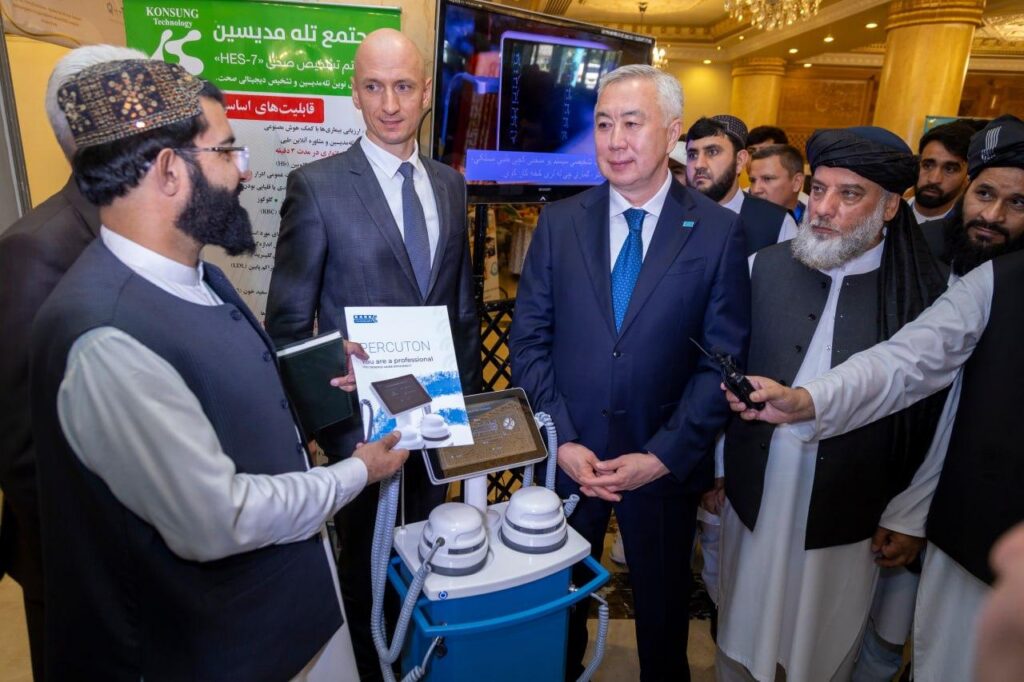
A Kazakhstani delegation led by Deputy Prime Minister and Minister of National Economy Serik Zhumangarin visited Kabul on June 19-21, combining humanitarian aid, medical cooperation, education and trade talks with Afghanistan’s Taliban-led authorities. Kazakhstan has long treated Afghanistan as a central regional issue, arguing that stability and economic integration there are in the interests of Central Asia as a whole. Kazakh officials have framed engagement with Kabul as part of a broader effort to support Afghanistan’s reconstruction while keeping the country linked to regional trade, transport and humanitarian initiatives. Kazakhstan has also taken steps to formalize working contacts with Kabul. It removed the Taliban from its list of banned organizations in 2023, has kept its embassy in Kabul open, and has allowed Afghanistan’s diplomatic mission in Astana and consulate in Almaty to continue operating. Kazakhstan has not, however, formally recognized the Taliban government. One of the central elements of the visit was the delivery of another shipment of humanitarian aid. The decision followed a request from Afghanistan’s National Disaster Management Agency after torrential rains affected 31 of the country’s 34 provinces in March, bringing with them floods and landslides. UN figures from early April said the floods affected more than 73,000 people across 31 provinces, killing 93 people, injuring 181, destroying 7,672 homes and damaging farmland and roads. In June 2026, Kazakhstan delivered humanitarian aid that included food and medical supplies. This assistance came as part of Kazakhstan’s broader policy of sustained humanitarian support for Afghanistan. According to the UN, about 21.9 million people, roughly 45% of Afghanistan’s population, are expected to need humanitarian assistance in 2026. The mass return of Afghan citizens from Pakistan and Iran has created additional pressure. In 2025 alone, according to available estimates, about 2.5 million people returned to Afghanistan. Against this backdrop, any practical assistance is particularly important. Healthcare was another focus of the visit. Kazakhstan already has a record of work in Afghanistan in this area. In 2025, a medical mission involving 13 Kazakhstani doctors was organized in Kabul. The doctors performed emergency surgeries, provided consultations, and held training courses for local medical personnel.  This year’s delegation included nine specialists from Kazakhstan’s leading medical institutions. As part of the Days of Kazakh Medicine in Afghanistan, they are expected to spend a week providing consultations, practical assistance and training for Afghan healthcare workers. [caption id="attachment_50713" align="aligncenter" width="1280"] Image: Aidar Borangaziyev[/caption] Kazakhstan also used the visit to promote medical technology exports. At the business forum, the Kazakh side presented the HES-7 system, a mobile diagnostic platform that uses artificial intelligence for ECG and functional diagnostics, rapid laboratory tests and screening for several diseases. Kazakh officials said the sides were expected to sign an agreement for the delivery of 4,500 units of the equipment to Afghanistan, worth $45 million. Kazakhstan also handed over a VibroLUNG medical system to the Afghan side. The Kazakhstani device is designed to help restore respiratory function, improve bronchial drainage, expand lung capacity, prevent respiratory complications, and accelerate patient rehabilitation. The medical...

3 months ago

Opinion: Why the Next Head of UNAMA Should Come from Central Asia

A recent briefing on Afghanistan before the United Nations Security Council again showed that the country’s challenges can no longer be viewed only through humanitarian assistance or debates over recognition of the Taliban government. Afghanistan remains a deeply complex domestic issue, but it is increasingly becoming a regional one as well. The discussion now extends beyond human rights and political dialogue with the de facto authorities. It now includes the return of millions of people from neighboring countries, pressure on cities and rural communities, shortages of jobs and water, cross-border trade, security, and the future of regional transport corridors. Against this backdrop, the question of who should lead the United Nations Assistance Mission in Afghanistan (UNAMA) is no longer only a personnel decision. It has become part of a wider debate about what international policy toward Afghanistan should look like in its next phase. The catalyst for this discussion was the recent briefing delivered by Georgette Gagnon, the UN Secretary-General’s Deputy Special Representative for Afghanistan, before the Security Council. According to Gagnon, the de facto authorities maintain control over both Afghanistan’s territory and administrative structures. At present, they face no significant armed or political challenge. The Taliban themselves view the restoration of security across Afghanistan as one of their principal achievements. Yet this does not mean the situation is stable. Gagnon pointed to a fundamental contradiction within the current system of governance. There are rigid ideological policies that place considerable pressure on society. There are also more pragmatic approaches that have so far allowed the system to function and survive. In other words, Afghanistan appears to have achieved a form of managed stability, but without a clear vision of where that system is ultimately headed. Stability Conceals Deep Structural Problems The economic picture is equally mixed. Afghanistan has recorded positive growth in absolute terms. Fiscal stability has improved, revenue collection has increased, and several infrastructure projects are moving forward. The country has also largely maintained the gains achieved through the reduction of opium poppy cultivation. Yet beneath these signs of stabilization lie significant challenges. According to Gagnon, nearly 5.9 million people have returned to Afghanistan since 2023. This represents a population increase of more than 10%. Another 2.8 million Afghans could return during 2026 alone. Many returnees arrive with no savings, no employment, and limited prospects for rebuilding their lives. For a country with a fragile economy, this creates enormous pressure. Cities and rural communities are struggling to absorb new arrivals. Jobs, housing, water resources, and social services remain in short supply. The humanitarian situation remains severe. In 2026, approximately 21.9 million people, around 45% of Afghanistan’s population, are expected to require humanitarian assistance. Another major concern is demographics. More than half of Afghanistan’s population is under the age of 25. This generation is growing up amid limited opportunities. While the challenges facing girls have received international attention, boys increasingly face difficulties as well. Employment opportunities are scarce, household incomes are declining, and competition for livelihoods is intensifying. Environmental pressures...

4 months ago

Opinion: Eurasia’s New Corridors Are More Than a Transit Race

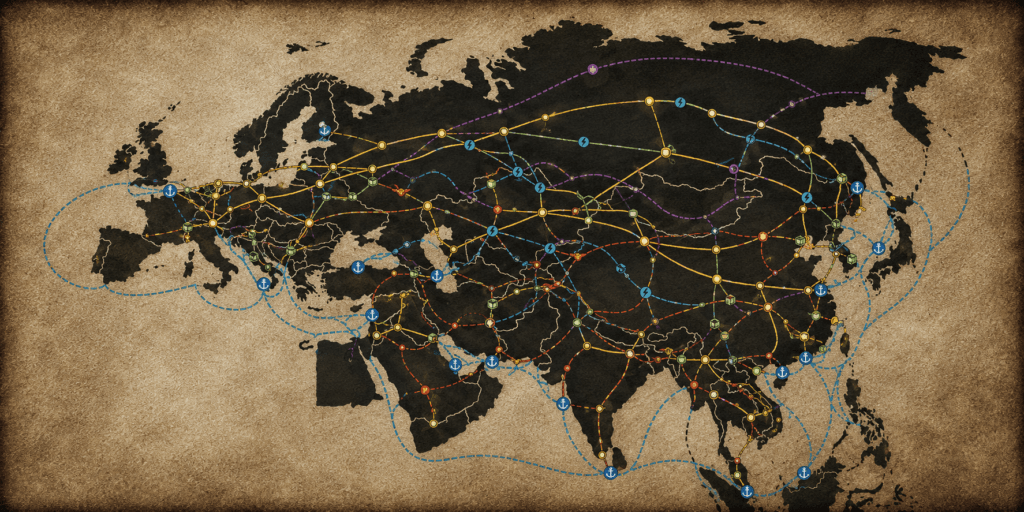
Across Eurasia, new transport corridors are usually described as instruments of rivalry: routes to bypass Russia, ports to outflank competitors, or rail links to shift influence between regions. The conflict around Iran, the rivalry between India and Pakistan, instability in the Afghanistan-Pakistan zone, crises in the Middle East, sanctions, competition over transport routes, and growing struggles for transit influence all reinforce the image of a continent divided by political contradictions. Increasingly, this is the lens through which Eurasia is viewed. The development of transport routes and connectivity is now often explained through the logic of rivalry. Some corridors are described as alternatives to others. Certain ports are positioned against competing ports. Routes are increasingly perceived as tools of competition, circumvention, or geopolitical influence. The continent can also be viewed differently. Alongside political crises, another reality is visible: the continent continues to connect itself through new routes and networks. Railways, ports, energy grids, dry ports, container corridors, digital cables, and trade chains are gradually linking spaces that only recently were seen as separate regions. In many ways, Eurasia has always been a space of movement, exchange, and connectivity. The Silk Road Was a Network, Not a Single Route A recent article by News Central Asia made a simple but important observation: the Silk Road functioned because it belonged to everyone. This idea contains one of the central lessons of Eurasian history. The Silk Road was never a single road. It was not one unified highway built according to a master plan or controlled by a single center. For centuries, the continent was connected by a vast network of caravan routes, maritime pathways, mountain passes, cities, and trade hubs through which goods, people, knowledge, and ideas circulated. Some routes gained importance while others temporarily declined. States, empires, and commercial centers changed. New pathways emerged. Yet the network itself endured. The strength of the Silk Road lay not in one route, but in the multiplicity of connections. When one corridor became unsafe, trade shifted elsewhere. When political conditions changed, commerce adapted to a new geography. The continental network remained flexible and multilayered. This offers an important lesson for today’s Eurasian space as well. Many modern transport corridors did not emerge from nothing. In many respects, they follow historical logic. Railways have replaced caravan paths, dry ports have succeeded old trade hubs, and container routes continue along directions in which goods moved for centuries. Corridors and the Logic of Rivalry Today, most transport and economic corridors are interpreted as competing projects. Nearly every new route is framed through confrontation, alternatives, or attempts to bypass another direction. The Middle Corridor is often described as an alternative to northern routes. The International North-South Transport Corridor is presented as a separate geo-economic axis. Trans-Afghan projects are portrayed as competitors to other links between Central and South Asia. Chabahar and Gwadar are depicted as rival ports. Even the South Caucasus transport hub is increasingly viewed through the prism of struggles over control of routes and flows. Yet historically,...

4 months ago

Opinion: Hormuz Crisis Pushes Afghanistan Aid Routes Toward Central Asia

The crisis surrounding the Strait of Hormuz is usually viewed through the lens of energy security or military escalation. But it also has another, less visible, humanitarian dimension. A recent article in The Guardian, “Calls for humanitarian corridor through Strait of Hormuz as Iran war hits vital aid,” points to a critical shift: because of the conflict involving the United States, Israel, and Iran, along with instability around Hormuz, traditional humanitarian supply routes are beginning to break down. For Afghanistan, this is no longer a theoretical concern but an operational reality. According to the World Food Programme (WFP), cited by The Guardian, the cost of delivering food to Afghanistan has tripled. Cargo that previously moved by sea through Hormuz and onward to Pakistani ports must now travel overland across multiple countries, adding weeks to delivery times. The consequences are felt most acutely by vulnerable populations, particularly children. Predictability is one of the core requirements of any humanitarian system, and that predictability is now disappearing. Some shipments are stranded in regional hubs. Routes are constantly changing. Fuel costs continue to rise. Even modest increases in oil prices significantly raise operational expenses for humanitarian agencies. For Afghanistan, the implications are severe. The country has been in a prolonged food crisis for several years, with millions dependent on external aid. Delays of even one or two weeks can directly affect malnutrition and mortality rates. According to United Nations estimates, around 3.7 million Afghan children are currently suffering from wasting, nearly one million of them from severe wasting, a condition associated with sharply elevated mortality risks. UNICEF estimates that in 2026 alone, 1.304 million children aged 6-59 months will require treatment for acute malnutrition, including severe cases and other high-risk groups. Another 1.2 million pregnant and breastfeeding women are also suffering from acute malnutrition. Under these conditions, even temporary disruptions in aid deliveries become a direct threat to human life. The situation is being compounded by several overlapping factors. First, instability around the Strait of Hormuz has made maritime routes both more expensive and riskier. Second, the Pakistani corridor, previously the main overland route, has become unreliable, as repeated border closures and restrictions have tied humanitarian deliveries to the fluctuating political and security relationship between Kabul and Islamabad. Third, Iran has imposed restrictions on food exports and has itself become part of the conflict zone, undermining its role as both a supplier and transit route for Afghanistan. Together, these developments are creating what can be described as a “triple crisis” for humanitarian logistics into Afghanistan. The previous aid delivery system is effectively ceasing to function. In response, the WFP is restructuring its logistics network. One solution has been increased use of the Lapis Lazuli Corridor: Turkey-Georgia-Azerbaijan via the Caspian Sea-Turkmenistan and Afghanistan. Although this route is longer and more expensive, it offers predictability and an alternative to disrupted maritime pathways. The key issue is no longer which route is cheapest, but which is reliable. This shift places Central Asia increasingly at the center of...

5 months ago

Water in Central Asia: Between Reality and Alarmism

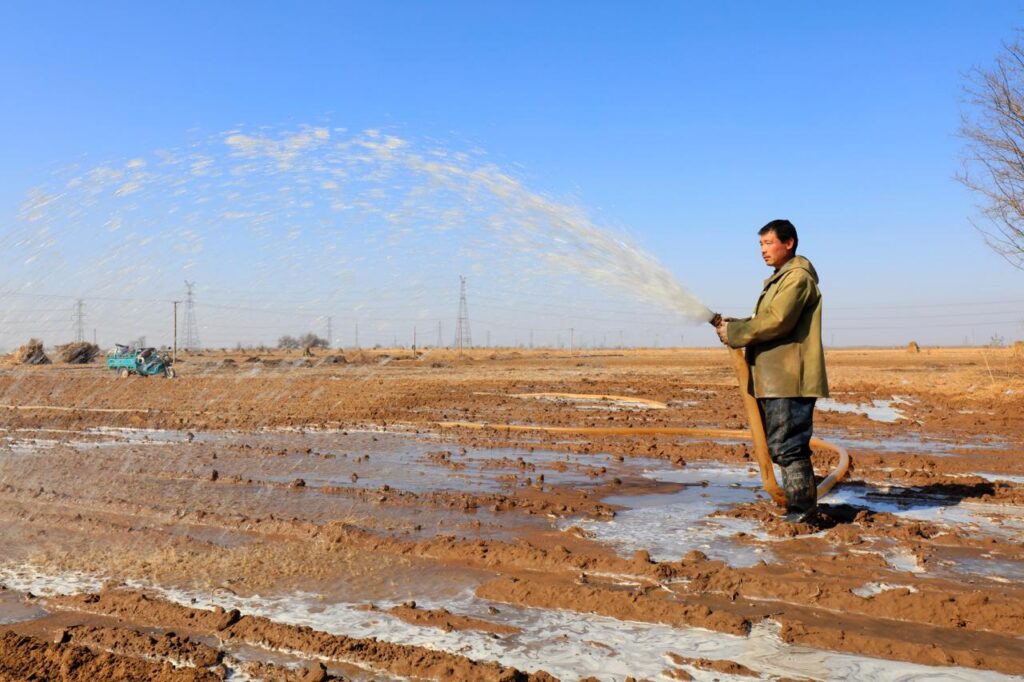
The Regional Ecological Summit 2026 will take place in Astana on April 22-24. The event is intended to elevate Central Asia’s water and environmental agenda to the level of systemic solutions. Alongside preparations for the summit, however, an increasingly alarmist narrative is gaining traction among some experts. In this framing, water resources in Central Asia are presented as being in crisis, with predictions of shortages, threats to food security, and even potential conflict. Phrases such as “there is not enough water,” “the harvest is at risk,” and “the region is on the brink” are used with growing frequency. Such assessments are typically based on generalized and dramatized claims that fail to differentiate between countries or specific river basins. This creates the impression of a single, simultaneous crisis, whereas in reality the situation is far more complex. Yes, there is a problem, but it is not sudden or one-dimensional. Water scarcity in Central Asia is real. However, it must be interpreted accurately and objectively. According to expert estimates, up to 40% of water in the region is lost through deteriorating irrigation infrastructure, while more than 80% of water consumption is accounted for by agriculture. Current practice supports these figures. In southern Kazakhstan, seasonal water supply restrictions are regularly imposed. This year, for example, the government approved consumption limits for southern regions due to an expected shortage during the growing season. Uzbekistan has said, in joining the World Bank’s Water Forward initiative, that it aims to introduce water-saving technologies across its 4.1 million hectares of irrigated land and reduce irrigation losses by 25%. Equally important are developments in upstream countries, Kyrgyzstan and Tajikistan. According to a study by the Organisation for Economic Co-operation and Development, the region exhibits a structural interdependence between water and energy. More than 80% of electricity in these countries is generated by hydropower, meaning water resources are used simultaneously for energy production and irrigation. This creates systemic interdependencies. At the same time, coordination of water releases and electricity generation remains suboptimal, and the absence of long-term regulatory mechanisms has already led to water shortages during certain summer periods. This is a key point: the issue is not so much an absolute lack of water, but the complexity of coordination between upstream and downstream countries, as well as between sectors within individual states. In other words, water shortages in Central Asia are often driven less by natural conditions than by how water is distributed and managed. Particular attention in alarmist narratives is given to Afghanistan and the Kushtepa Canal. Estimates commonly suggest that the Qosh Tepa Canal could eventually divert around 6-10 km³ of water per year from the Amu Darya, although projections vary and depend on how fully the canal is completed and operated. While the canal is not yet fully operational, regional officials already treat it as a serious medium-term risk, with the precise scale of future withdrawals still under discussion. Countries in the region, especially Uzbekistan, have been pursuing dialogue with Afghanistan over the canal and...

5 months ago