• KGS/USD = 0.01144 0%
  • KZT/USD = 0.00209 0%
  • TJS/USD = 0.10523 0%
  • UZS/USD = 0.00008 0%
  • TMT/USD = 0.28530 0%
  • KGS/USD = 0.01144 0%
  • KZT/USD = 0.00209 0%
  • TJS/USD = 0.10523 0%
  • UZS/USD = 0.00008 0%
  • TMT/USD = 0.28530 0%
  • KGS/USD = 0.01144 0%
  • KZT/USD = 0.00209 0%
  • TJS/USD = 0.10523 0%
  • UZS/USD = 0.00008 0%
  • TMT/USD = 0.28530 0%
  • KGS/USD = 0.01144 0%
  • KZT/USD = 0.00209 0%
  • TJS/USD = 0.10523 0%
  • UZS/USD = 0.00008 0%
  • TMT/USD = 0.28530 0%
  • KGS/USD = 0.01144 0%
  • KZT/USD = 0.00209 0%
  • TJS/USD = 0.10523 0%
  • UZS/USD = 0.00008 0%
  • TMT/USD = 0.28530 0%
  • KGS/USD = 0.01144 0%
  • KZT/USD = 0.00209 0%
  • TJS/USD = 0.10523 0%
  • UZS/USD = 0.00008 0%
  • TMT/USD = 0.28530 0%
  • KGS/USD = 0.01144 0%
  • KZT/USD = 0.00209 0%
  • TJS/USD = 0.10523 0%
  • UZS/USD = 0.00008 0%
  • TMT/USD = 0.28530 0%
  • KGS/USD = 0.01144 0%
  • KZT/USD = 0.00209 0%
  • TJS/USD = 0.10523 0%
  • UZS/USD = 0.00008 0%
  • TMT/USD = 0.28530 0%

Import of Disassembled Right-Hand Drive Cars Banned

Ensuring road safety is a priority in Kazakhstan, and therefore, in order to maintain safety standards, the country has introduced a ban on the import of disassembled right-hand drive vehicles, the Ministry of Industry and Construction has stated.

Currently, driving in Kazakhstan is officially on the right side, and registration of right-hand drive vehicles is prohibited. However, citizens have circumvented this legislation by importing right-hand drive cars in the form of construction kits. This ban is intended to prevent such violations, and ensure the safety of all road users, the ministry said.

Kazakhstan Launches Online Video Conferencing Platform

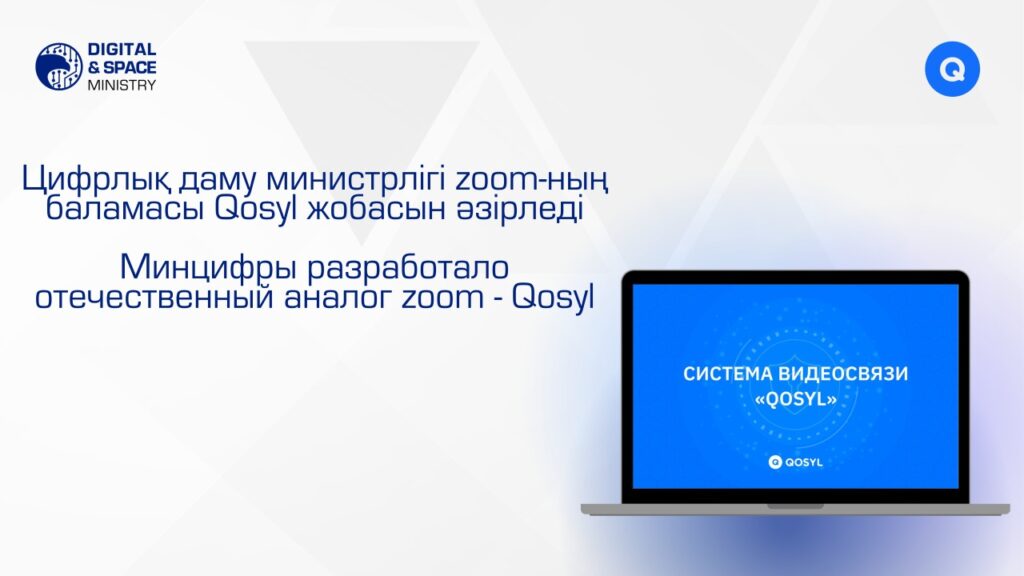
The Ministry of Digital Development, Innovation and Aerospace Industry of Kazakhstan has announced the launch of Qosyl, an online video conferencing platform which is analogous to Zoom. The launch of the system in pilot mode is now complete, and central government agencies are now using the software for video conferencing.

The Minister of Digital Development, Innovation and Aerospace Industry, Bagdat Musin emphasized the importance of the project. “Today, government agencies actively use online platforms to hold meetings, which saves time for civil servants. The Qosyl project ensures that meetings are held in a secure information environment, which is especially important for government agencies,” said Musin.

According to the project manager, Nurislan Isakov, “this plan was created in 2020, during the pandemic. There were requests from government agencies to create an online video conferencing platform which would not depend on foreign manufacturers and would not use their servers. It was a prerequisite that the product run on servers in Kazakhstan, which ensures information security.

“Due to the fact that the servers are located in Kazakhstan,” Isakov continued, “all media traffic does not pass through foreign countries. The second point, when compared with Zoom, is that our product is easier to use, even for an inexperienced user. It does not require downloading additional applications; you can connect through any browser on any device.”

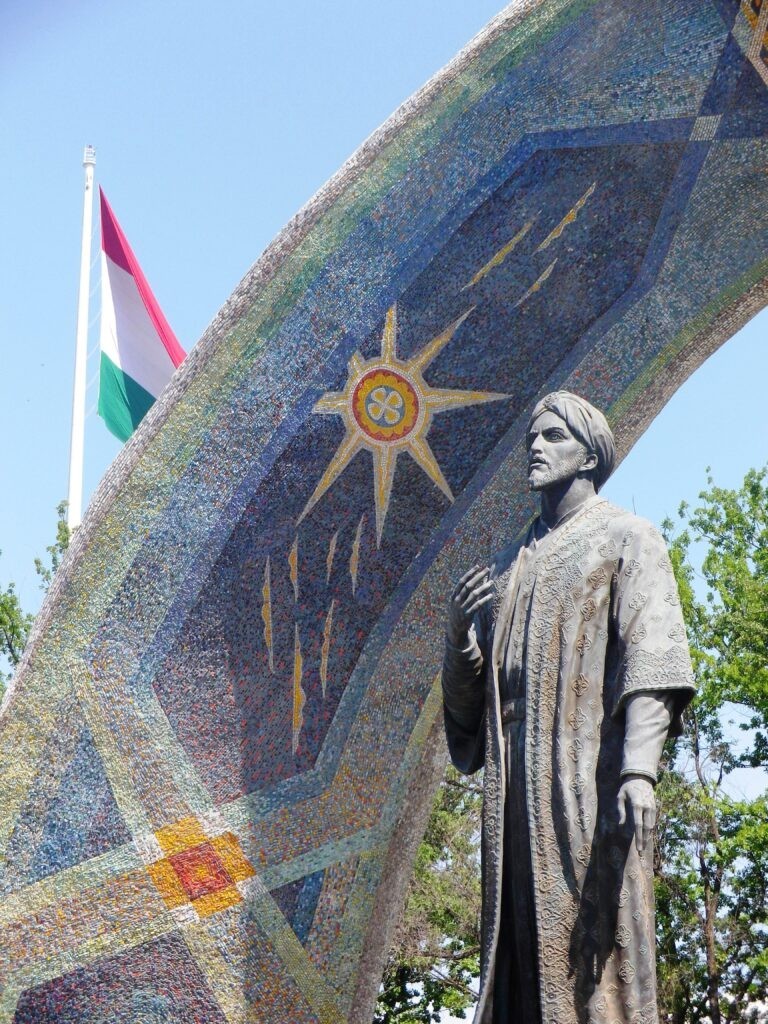
Tajikistan Elevates Cultural Presence with Permanent Delegation at UNESCO

In a significant move, Tajikistan has taken a stride towards enhancing its international cultural representation by establishing a Permanent Delegation to UNESCO. President Emomali Rahmon, on January 12th, issued a decree formalizing the establishment of this delegation. The decision is expected to bolster Tajikistan’s standing in the global community, facilitating active engagement with UNESCO, and providing a platform to advocate for and safeguard the nation’s cultural heritage on the international stage.

Tajikistan has already made notable contributions to UNESCO’s recognition of cultural treasures. In December, the traditional art of text decoration known as “Tazhib” and the celebration of “Sada” secured places on the Representative List of the Intangible Cultural Heritage of Humanity. Additionally, the craft of producing atlas and adras, as well as cultural elements like chakan, the musical genre “falak,” and the observance of “Yaldo night” have earned spots on UNESCO’s list.

Given the shared cultural heritage of Central Asian nations, certain elements transcend national borders, embodying the essence of regional traditions. For instance, Tajikistan, along with other Central Asian countries, shares intangible cultural heritage items like the Navruz holiday, shashmakom music, silk weaving techniques, and the art of making the traditional dish, plov.

Tajikistan is actively pursuing UNESCO recognition for the ancient farmers’ festival, Mehrgon, as part of its intangible cultural heritage. Mehrgon, deeply rooted in Tajik history, marks the culmination of the harvest season. Its inclusion in UNESCO’s list would represent an acknowledgment of Tajikistan’s distinctive cultural traditions.

Moreover, Tajikistan has submitted a proposal to inscribe twelve sites of ancient Khuttal on the UNESCO World Cultural Heritage Register. This collection of sites includes cities, palaces, fortresses, mausoleums, and monasteries, collectively bearing witness to the profound history of the region. If accepted, the inclusion of these sites on the World Cultural Heritage List would contribute to their preservation for generations to come.

Citizens Unite for Environmental Clean-up

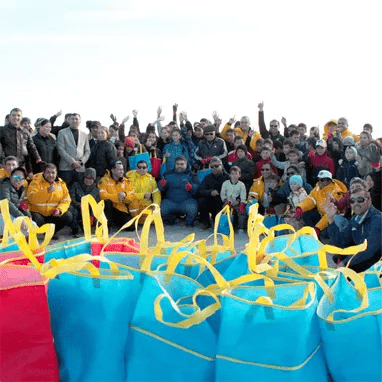
In a demonstration of communal commitment to the environment, over 100 citizens of Turkmenistan engaged in a clean-up initiative organized by the Malaysian oil and gas giant, Petronas. The event on Kiyanly beach, aimed at stimulating environmentally responsible behaviour, saw participants cleanse the shoreline of litter.

Petronas regularly stages such events as part of its broader environmental policy, with employees of the company and citizens coming together, fostering a sense of shared responsibility. It is hoped that such initiatives can become a catalyst for lasting change.

German Company to Invest €100 Million in Plastic Production in Kazakhstan

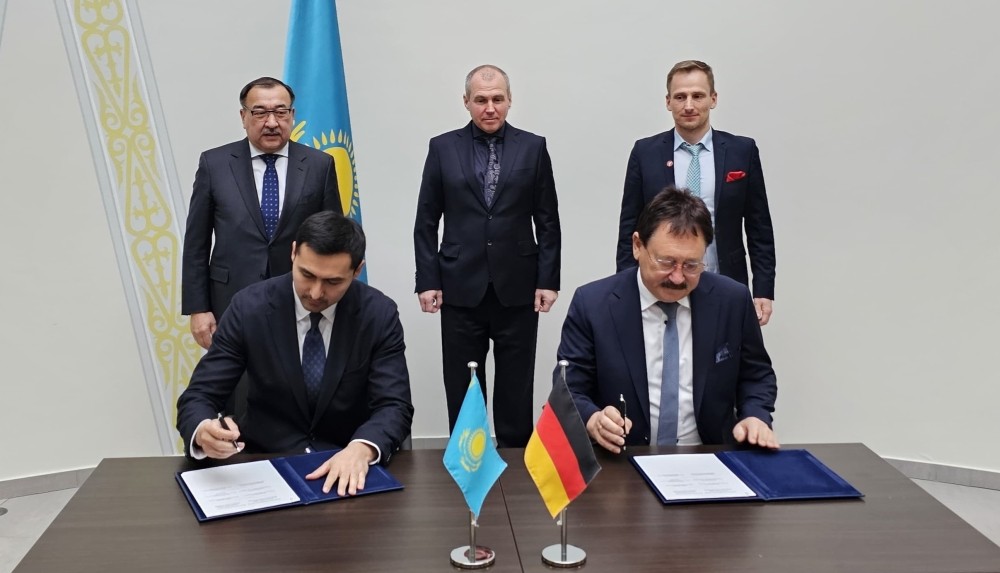
On January 12th in Berlin, a meeting took place between the Ambassador of Kazakhstan to Germany, Nurlan Onzhanov, the Official Representative of the National Company KAZAKH INVEST, Saken Olzhabayev, and the owner of WIS Kunststoffe GmbH, Sigmar Roemhild. Therein, the Kazakh and German sides discussed plans for the construction of a plastic production plant in Kazakhstan’s Atyrau region, KAZAKH INVEST has reported.

Sigmar Roemhild stated that his company is at the stage of completing the pre-investment process of analyzing the market in Kazakhstan and initially plans to invest about €100 million in the design and construction of the plant. According to Roemhild, there is great potential for production in the country due to its strategic location, favorable investment climate, and availability of raw materials.

WIS Kunststoffe GmbH specializes in the production of plastic and polymer raw materials and compounds, polyolefin, styropolymers, technical and structural plastics, granules and powders.

Ambassador Onzhanov said that Kazakhstan is Germany’s leading trade and economic partner in the region, accounting for over 80% of German trade with Central Asia. The Government of Kazakhstan actively cooperates with large German companies to develop industry with advanced technologies and German experience.

Following the meeting, Roemhild and Olzhabayev signed a memorandum of cooperation. According to the National Bank of Kazakhstan, the volume of FDI from Germany to Kazakhstan for thee first three-quarters of 2023 amounted to $623 million, more than twice the figure for the same period in 2022 ($308.6 million).

Oil Exports Across Caspian Sea Increase

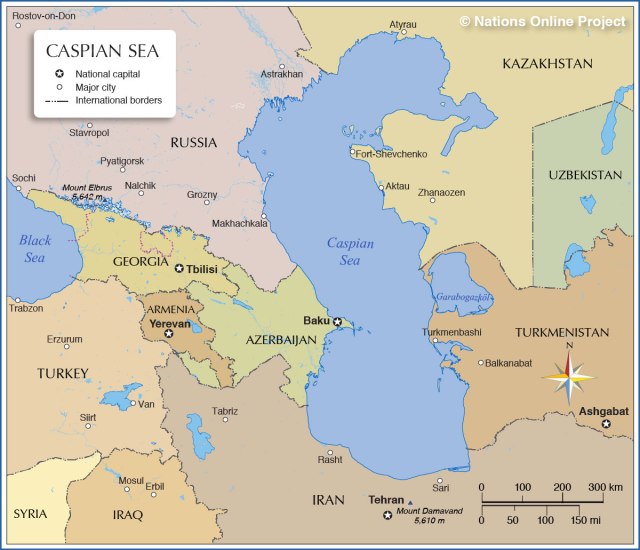
KazTransOil JSC, a subsidiary of Kazakhstan’s national oil and gas company KazMunayGas, said on January 12th that it has exported 3.376 million tons of oil from the Caspian port of Aktau in 2023, a 1.108-million-ton increase compared to 2022.

The increase is due to the volume of crude oil shipped in the direction of the Baku-Tbilisi-Ceyhan oil pipeline, from 250,000 tons to 1.392 million tons, 5.5-fold more compared to 2022. Of that amount, 1.057 million tons of oil was shipped from the Tengiz oil field in this direction. In addition, in 2023, 1.984 million tons of oil was shipped from Aktau to Makhachkala in Russia.

In 2022, President Tokayev ordered that the volume of oil transported along the Trans-Caspian corridor be increased. In accordance with his instruction, KazMunayGas and the state oil company of Azerbaijan, SOCAR entered into an agreement providing for the transportation of up to 1.5 million tons of oil per year from the Tengiz field in the direction of the Baku-Tbilisi-Ceyhan oil pipeline.