• KGS/USD = 0.01144 0%
  • KZT/USD = 0.00209 0%
  • TJS/USD = 0.10523 0%
  • UZS/USD = 0.00008 0%
  • TMT/USD = 0.28530 -0.14%
  • KGS/USD = 0.01144 0%
  • KZT/USD = 0.00209 0%
  • TJS/USD = 0.10523 0%
  • UZS/USD = 0.00008 0%
  • TMT/USD = 0.28530 -0.14%
  • KGS/USD = 0.01144 0%
  • KZT/USD = 0.00209 0%
  • TJS/USD = 0.10523 0%
  • UZS/USD = 0.00008 0%
  • TMT/USD = 0.28530 -0.14%
  • KGS/USD = 0.01144 0%
  • KZT/USD = 0.00209 0%
  • TJS/USD = 0.10523 0%
  • UZS/USD = 0.00008 0%
  • TMT/USD = 0.28530 -0.14%
  • KGS/USD = 0.01144 0%
  • KZT/USD = 0.00209 0%
  • TJS/USD = 0.10523 0%
  • UZS/USD = 0.00008 0%
  • TMT/USD = 0.28530 -0.14%
  • KGS/USD = 0.01144 0%
  • KZT/USD = 0.00209 0%
  • TJS/USD = 0.10523 0%
  • UZS/USD = 0.00008 0%
  • TMT/USD = 0.28530 -0.14%
  • KGS/USD = 0.01144 0%
  • KZT/USD = 0.00209 0%
  • TJS/USD = 0.10523 0%
  • UZS/USD = 0.00008 0%
  • TMT/USD = 0.28530 -0.14%
  • KGS/USD = 0.01144 0%
  • KZT/USD = 0.00209 0%
  • TJS/USD = 0.10523 0%
  • UZS/USD = 0.00008 0%
  • TMT/USD = 0.28530 -0.14%

The Threat of Taliban to Democracy in Tajikistan: An Intensifying Crisis

Tajikistan is in an increasingly precarious position due to the resurgent Taliban regime in neighboring Afghanistan. Unlike its regional counterparts, Tajikistan stands firm in its refusal to engage with the Taliban, highlighting its unique stance in the geopolitical landscape.

The Taliban’s swift takeover of Afghanistan has raised alarm bells in Tajikistan, with the government intensifying its criticism of the extremist group. The increasing complexity of threats posed by the Taliban and cross-border attacks by Islamic State affiliates have left leaders grappling for security solutions.

There has been an uneasy truce along the Afghanistan’s border with its Central Asian neighbors in the months after the Taliban seized control. However, the emergence of a new Taliban-affiliated group, Tehrik-e-Taliban Tajikistan, signals a heightened threat to Tajikistan’s national security.

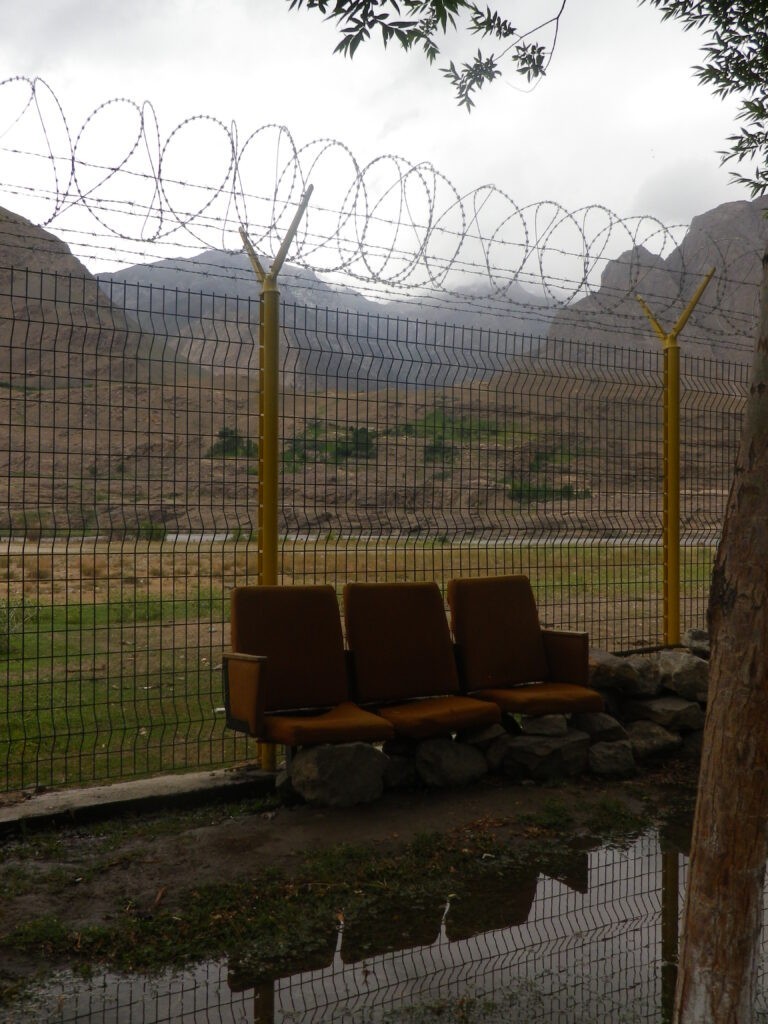
This precarious situation is further complicated by the fact that Tajikistan’s land border with Afghanistan has been closed since the Taliban takeover in 2021. This has restricted travel and trade between the two nations, adding economic pressure to the already tense standoff.

In addition to the immediate threat that the Taliban poses, there are also fears about extremist groups using Afghanistan as a base for conducting terrorist activities. This has sparked terror fears in Central Asia, including in Tajikistan.

While the international community has adopted a wait-and-see approach towards the Taliban, Tajikistan has taken a sharply and openly critical stance. This could potentially isolate the nation further and put its democratic principles under strain.

It is clear that the threat Taliban poses to Tajikistan’s democracy continues to be multi-faceted and is escalating. Ever since the Taliban came to power in Afghanistan in 2021, Tajikistan has been under an increased threat of terrorist attacks. The question remains whether these incursions into Tajikistan were real or staged, but there exists a real threat to the nation’s security and democracy. The country’s refusal to engage with the Taliban, coupled with the emergence of new extremist groups and the potential for Afghanistan to become a hub for terrorism, continue to pose a significant challenge to Tajikistan’s democratic values and national security.
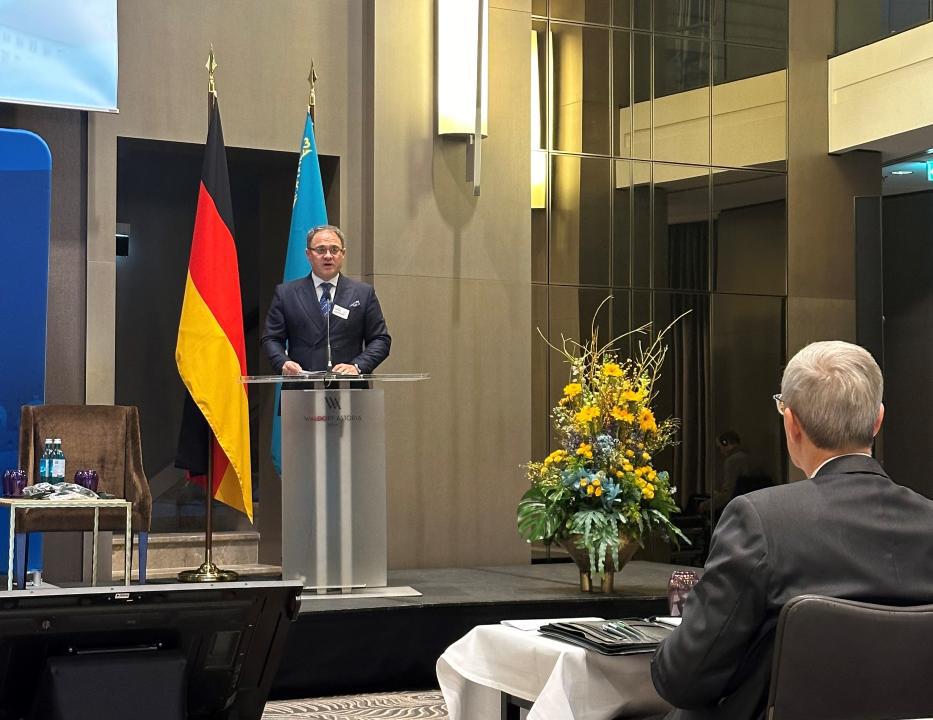

Berlin Eurasian Club Explores Kazakh-German Science and Innovation Synergy

On December 14th, 2023, the Berlin Eurasian Club (BEC) held its 39th meeting under the title “From higher education and research to a business model: Kazakh-German cooperation in applied science.”

In a keynote speech, Deputy Foreign Minister of Kazakhstan, Roman Vassilenko, acknowledged the significant achievements in cooperation between the two nations throughout 2023. His address highlighted the shared commitment of both countries to scientific innovation and its practical application in the world of business.

“The positive dynamics of trade turnover clearly shows the mutual attraction of our economies,” said Vassilenko. “Kazakhstan has three factors of attraction: diversified energy sources, significant natural resources, and transit and transportation potential, not to mention many other advantages. We have good opportunities to increase the supply of traditional energy resources to Germany, production and subsequent export of green energy and green steel.”

Anke Reiffenstuel, Director for Academic Relations, Education and Research Policy of the Federal Foreign Office of the Federal Republic of Germany, underscored the significance of Kazakhstan and the whole geography. “Central Asia was the first region in the world with which Germany concluded a strategic regional partnership. We believe that it will further deepen the relations between our two countries.”

In his address, Professor Wolrad Rommel, the President of the Kazakhstan-German University (DKU), articulated the ongoing reorganization of the university’s activities. He emphasized the institution’s ambition for “integration into the educational system of Kazakhstan,” underscoring its necessity. Rommel also acknowledged the immense potential of Kazakhstan’s young population who are eager to pursue quality education. He stated, “the economy of the country functions well when it effectively interacts with science,” highlighting the crucial role that academia plays in a thriving economy.

Nurlan Onzhanov, the Ambassador of Kazakhstan to Germany, emphasized the importance of promoting and further advancing the teaching of the German language in Kazakhstan. Around a hundred attendees, comprising representatives from the scientific community, political and business sectors, and other experts, participated in the meeting.

Established in 2012, the Berlin Eurasian Club (BEC) serves as a platform for fostering informal dialogue on issues of mutual interest among Kazakhstan, Germany, and other participating countries. The club primarily concentrates on bolstering ties between Eurasian and European nations through cooperation across various domains. BEC meetings, which are typically convened annually in Astana, Brussels, and Berlin, present opportunities for high-level discussions encompassing a broad spectrum of topics, from scientific innovation to social reforms and economic cooperation.

Uzbekistan Plans to Manufacture One Million Cars a Year by 2030

Uzbekistan Plans to Manufacture One Million Cars a Year by 2030

The number of cars manufactured in Uzbekistan has grown threefold in recent years, with total annual production expected to reach 415,000 by the end of this year. This was said at a government meeting chaired by President Shavkat Mirziyoyev on December 14th.

In order to end the state monopoly and develop competition in the Uzbek automotive industry, three new private automakers and prestigious foreign brands have been attracted to Uzbekistan. Today, eight plants in the country manufacture dozens of types of cars, freight and passenger transport, and agricultural machinery. In addition, more than 2,000 enterprises in the industry closely cooperate with each other, and a 50% localization of component production is ensured.

It was said at the meeting that by 2030, Uzbekistan plans to increase the annual production of passenger cars to a million. Today, the world’s leading automakers are switching to the production of electric vehicles. If domestic enterprises are slow to develop in this direction, in the future they will face difficulties in occupying a worthy place in the market. Uzbekistan has already started the first projects in this direction. It is planned that next year a car plant capable of producing 10,000 electric vehicles a year will be launched in the country.

The President pointed out the importance of special attention being paid to the production of electric vehicles, and ordered the production of components for them.

Kyrgyzstan to Start Exporting Electricity in 2026, Says PM

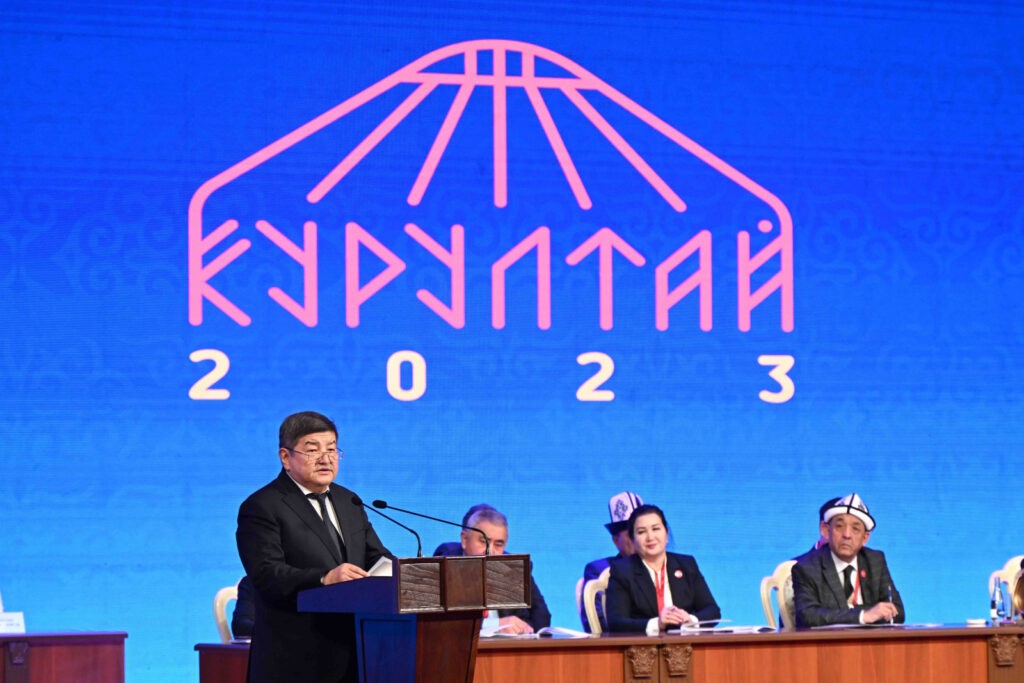
In 2026, Kyrgyzstan will reach a surplus in the power generation sector and begin exporting electricity, Akylbek Japarov, the Chairman of the Cabinet of Ministers-Head of the Administration of the President of the Kyrgyz Republic, said on December 15th at the People’s Kurultai (an assembly of representatives of the public from all regions of the country).

The prime minister said that in order to eliminate shortages of electricity, five small hydroelectric power plants of 71 MW each, five solar power plants, and a second hydroelectric unit at the Toktogul hydroelectric power plant were put into operation in 2023. In 2024, the country’s power generation capacity will increase by 178 MW, with 25 small hydroelectric power plants and another hydroelectric unit at Toktogul being put into operation. Solar power plants with a capacity of 700 MW and the hydroelectric power station Bala-Saruu with a capacity of 5 MW will also be commissioned in the Talas region.

The head of the Cabinet of Ministers focused on the implementation of these large energy projects.

“Preparatory work for Kambarata HPP-1 is being completed: tunnels, roads, lines,” Japarov said. “Negotiations are underway with the World Bank on the first phase of its construction. The design of the Kazarman, Kokomeren, Chatkal cascades, and the Kemin-Torugart line with a capacity of 500 kilovolts will begin. In 2024, work on the Kyrgyz part of the CASA-1000 [electricity transmission] project will be completed. In two years, the Kulanak hydroelectric power plant will start operating. In 2026, we will reach a surplus in the energy sector and begin exporting electricity.”

The Chairman of the Cabinet of Ministers also said that in 2024, Kyrgyzstan will begin exporting coal to China from four deposits, and a coal enrichment plant will be built in the Naryn region by 2025.

President Speaks about Fighting Corruption, New Trade Routes in Eurasia

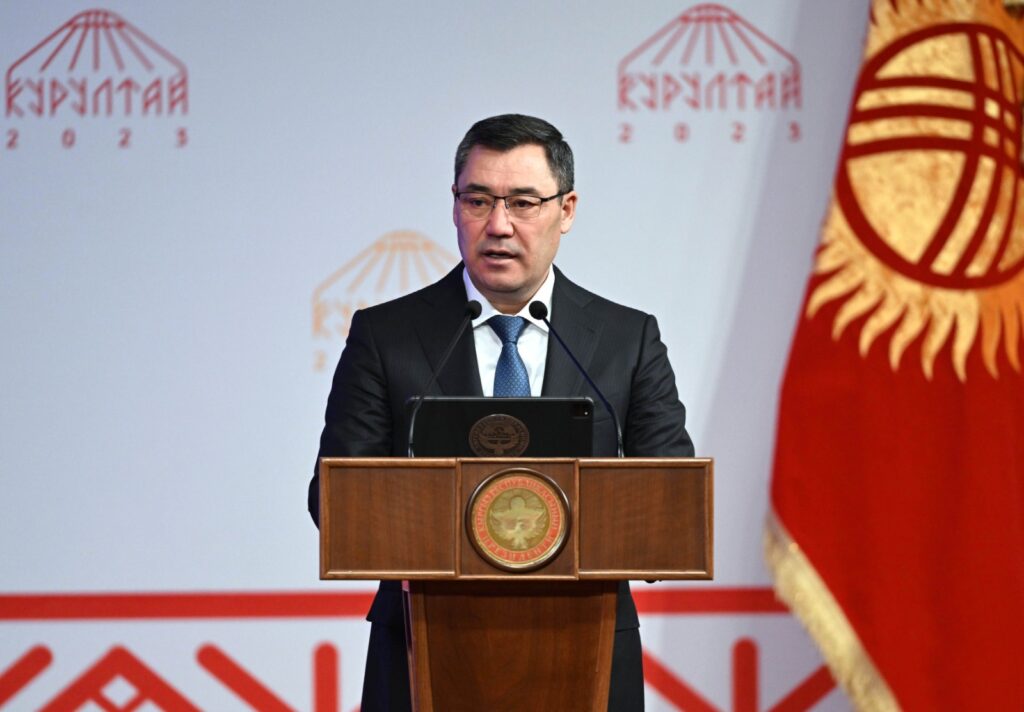
On December 15th, President Sadyr Japarov addressed the second People’s Kurultai, a national assembly of representatives of the public, to discuss current issues of national importance and develop joint proposals to promote reforms. In his speech, the President laid particular emphasis on the fight against corruption.

“Corruption is a social evil not only of our people, but of all countries of the world. Because of corruption, our country did not develop for almost 30 years, only a few people became rich, and the common people lived in poverty. Currently, anti-corruption measures are in full swing. Billions of dollars are being returned to state coffers,” Japarov said, adding that a war is also being waged against organized criminal groups.

“No investor will invest money in a country with criminal elements. In addition, some officials continue to obstruct investors and engage in bribery and lobbying. All these phenomena harm the image of the country. In this regard, the merciless fight against corruption will continue and intensify,” the President promised.

President Japarov also touched upon the topic of new trade routes for Kyrgyzstan.

“Kyrgyzstan is located on a unique trade route — the Great Silk Road between Europe and Asia. Occupying a convenient geographical location on trade routes, our country can become a bridge between East and West. For this purpose, a new multimodal transport route, the ‘Southern Corridor’ is being developed. In addition, work is underway to open a southern air corridor, which will strengthen air traffic between Kyrgyzstan and China, and connect the airports of Osh and Kashgar.

“At the same time, construction of the China–Kyrgyzstan–Uzbekistan railway will begin in the near future. The pilot project for transporting cargo containers in transit by rail from China to Afghanistan via Kyrgyzstan and Uzbekistan will continue. The issue of launching a pilot container train linking Iran–Turkmenistan–Uzbekistan-Kyrgyzstan is also being considered. I am confident that these initiatives and ongoing projects will allow Kyrgyzstan to reach a new level of transport and logistics communication with the outside world,” President Japarov concluded.

President Writes-Off Debts of Tajiktransgaz

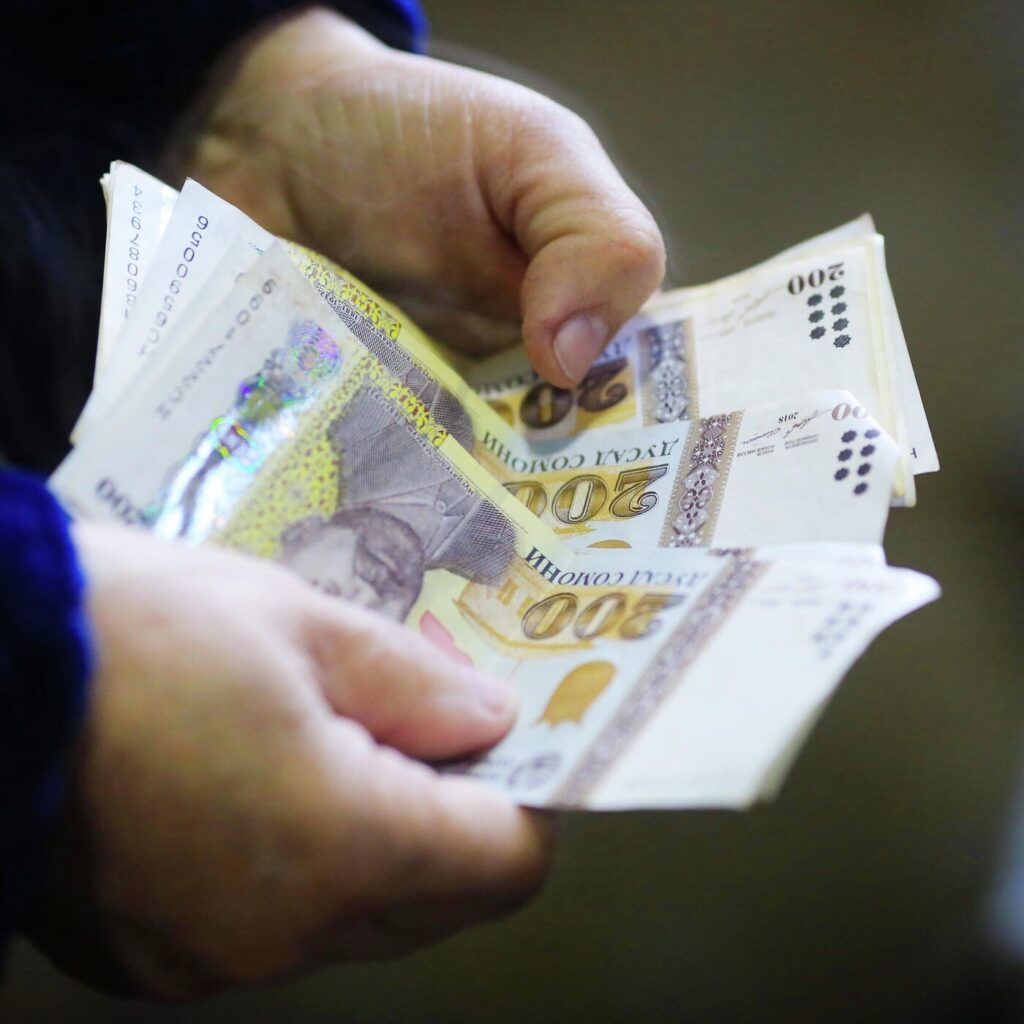
The Tax Service of Tajikistan has found that firms and enterprises have debts to the state amounting to over 900 million somoni ($82.5 million). But this notwithstanding, the government has written-off more than 202 million somoni of debts and fines owed by the company, Tajiktransgaz, cancelling debts of 144 million somoni, and fines of 58 million.

Tajiktransgaz is currently an open joint stock company, which was founded in 1959 for the mass supply of liquefied natural gas to the population of Tajikistan. According to the company, Tajiktransgaz does not have the resources to pay.