• KGS/USD = 0.01144 0%
  • KZT/USD = 0.00214 0%
  • TJS/USD = 0.10508 0.48%
  • UZS/USD = 0.00008 0%
  • TMT/USD = 0.28571 0%
  • KGS/USD = 0.01144 0%
  • KZT/USD = 0.00214 0%
  • TJS/USD = 0.10508 0.48%
  • UZS/USD = 0.00008 0%
  • TMT/USD = 0.28571 0%
  • KGS/USD = 0.01144 0%
  • KZT/USD = 0.00214 0%
  • TJS/USD = 0.10508 0.48%
  • UZS/USD = 0.00008 0%
  • TMT/USD = 0.28571 0%
  • KGS/USD = 0.01144 0%
  • KZT/USD = 0.00214 0%
  • TJS/USD = 0.10508 0.48%
  • UZS/USD = 0.00008 0%
  • TMT/USD = 0.28571 0%
  • KGS/USD = 0.01144 0%
  • KZT/USD = 0.00214 0%
  • TJS/USD = 0.10508 0.48%
  • UZS/USD = 0.00008 0%
  • TMT/USD = 0.28571 0%
  • KGS/USD = 0.01144 0%
  • KZT/USD = 0.00214 0%
  • TJS/USD = 0.10508 0.48%
  • UZS/USD = 0.00008 0%
  • TMT/USD = 0.28571 0%
  • KGS/USD = 0.01144 0%
  • KZT/USD = 0.00214 0%
  • TJS/USD = 0.10508 0.48%
  • UZS/USD = 0.00008 0%
  • TMT/USD = 0.28571 0%
  • KGS/USD = 0.01144 0%
  • KZT/USD = 0.00214 0%
  • TJS/USD = 0.10508 0.48%
  • UZS/USD = 0.00008 0%
  • TMT/USD = 0.28571 0%

Kazakhstan’s Power Grid Revamp Secures €267 Million Backing from EBRD and Canada

The European Bank for Reconstruction and Development (EBRD) has announced a €267 million financing package for the Kazakhstan Electricity Grid Operating Company (KEGOC) to enhance the reliability of the country’s power supply system.

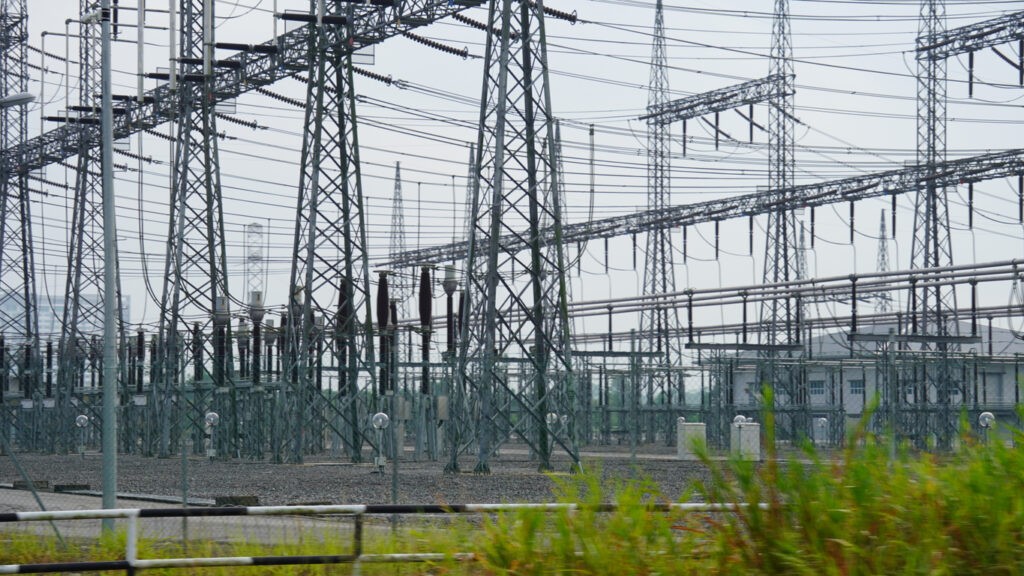
The funding comprises a €252 million EBRD loan and a €15 million concessional loan from the Government of Canada. The financial support will enable KEGOC, which oversees more than 27,800 kilometers of overhead transmission lines, to construct approximately 600 kilometers of 500 kV transmission infrastructure. This will facilitate the integration of the West Kazakhstan Power System into the country’s Unified Power System.

The initiative is part of the EBRD’s broader efforts to assist Kazakhstan in implementing its long-term decarbonization strategy, aimed at achieving carbon neutrality in the power sector by 2060. It will improve the electricity supply for residents in western Kazakhstan and enable the integration of up to 12 GW of renewable energy capacity nationwide by 2030.

Currently, Kazakhstan’s power grid is divided into three separate systems. While the EBRD connected the northern and southern grids in 2004, the West Kazakhstan Power System remains isolated.

The project includes the construction of the 500 kV Karabatan-Ulke power line along the Atyrau-Aktobe motorway, the 500 kV Karabatan substation, and the expansion of the switchyards at the Karabatan (220 kV) and Ulke (500 kV) substations. These upgrades will strengthen domestic interconnections and enhance power supply reliability in western Kazakhstan.

In addition to infrastructure improvements, the project is expected to reduce annual CO2 emissions by over 200,000 tons. It is supported by grant funding from the Government of Japan.

The EBRD will also provide KEGOC with technical assistance, including piloting digital technologies within the grid, bolstering the system’s resilience to potential cyberattacks, and introducing gender-responsive training programs.


From Hero to Exile: Kyrgyz Rescuer Sultan Abdumalikov Deported from Russia

Sultan Abdumalikov, a Kyrgyz citizen hailed for his bravery during a fire in Yekaterinburg, Russia, has been deported due to issues with his documentation.

Abdumalikov gained attention on November 18 for rescuing patients and staff during a fire at Polyclinic No. 2, where he risked his own life to evacuate victims from the burning building. He suffered from smoke inhalation during the incident, which also brought him to the notice of law enforcement.

A subsequent document check revealed that Abdumalikov lacked the required labor contract to legally remain in Russia. While police officers praised his heroism, a decision was made to deport him. Abdumalikov had hoped to resolve his legal issues and remain in the country but was ultimately unsuccessful.

Upon his return to Kyrgyzstan, Abdumalikov faced significant challenges. Blacklisted for violating Russian immigration laws, he has been unable to secure stable employment. Providing for his family, including four children, has become increasingly difficult.

World Bank Allocates $5 Million to Create Agro-Logistics Center in Tajikistan

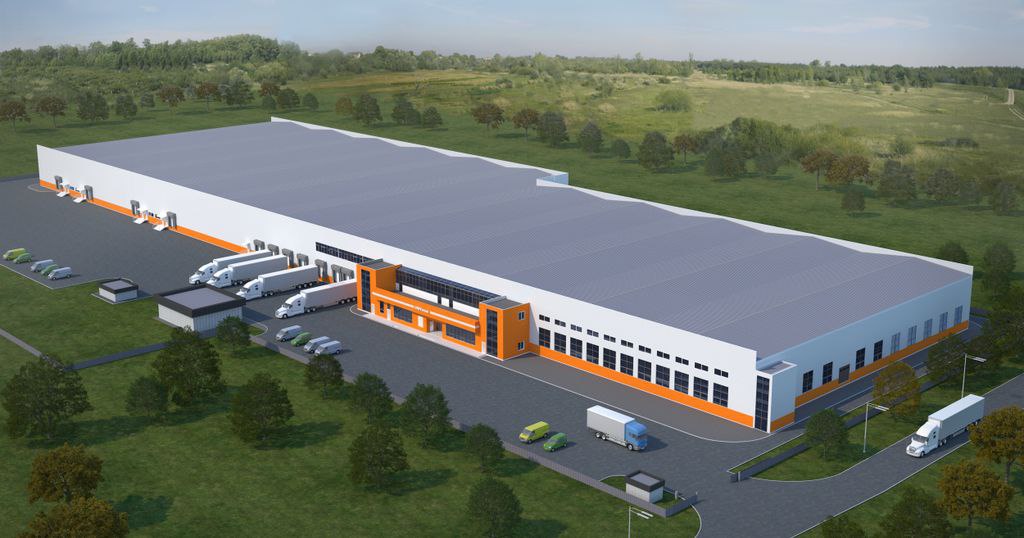
The World Bank has launched a project to establish an agro-logistics center in Tajikistan’s Sughd Special Economic Zone.

The initiative, which began in 2021, aims to strengthen Tajikistan’s agricultural sector by increasing farm productivity and adding value to agricultural products. The center will serve as a critical element of efforts to enhance agricultural infrastructure and efficiency.

The $5 million project, fully funded by the World Bank, is part of a broader six-year program titled “Enhancing the Sustainability of the Agricultural Sector,” running from June 2021 to June 2027. This program, with a total investment of $108 million, supports sustainable agricultural development through integrated activities. Construction of the Sughd Center is set to begin in 2025, with completion and commissioning expected by the end of 2026.

The Sughd facility is one of five agro-logistics centers planned across Tajikistan as part of the World Bank’s initiative. These centers aim to reduce product losses and improve efficiency by introducing international standards for post-harvest handling of fruits and vegetables. Services provided will include sorting, packing, storage, and transportation, enabling Tajik producers to access new export markets and strengthen the national economy.

Kazakhstan and World Bank Partner on Water Conservation at One Water Summit

A memorandum of understanding has been signed to enhance water resource management and environmental conditions, including in the North Aral Sea and its surrounding basin, between Kazakhstan’s Ministry of Water Resources and Irrigation and the World Bank.
As climate change continues to significantly impact water resources in Central Asia, exacerbating water scarcity and management challenges, this agreement underscores a shared commitment to ensuring sustainable and equitable water resource management for future generations.

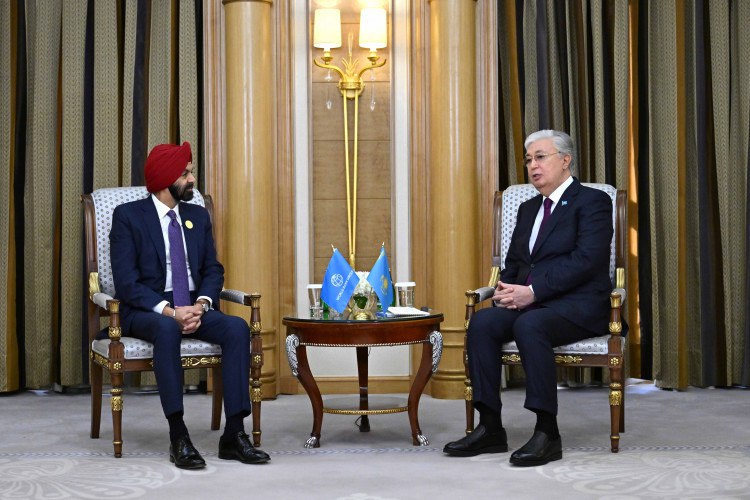
The memorandum was formalized following a meeting between Kazakhstan’s President Kassym-Jomart Tokayev and World Bank Group President Ajay Banga during the One Water Summit in Riyadh, Saudi Arabia, on December 3.

Co-organized by French President Emmanuel Macron, Tokayev, and World Bank Group President Banga, in partnership with Saudi Arabia’s Crown Prince and Prime Minister Mohammed bin Salman, the summit sought to accelerate progress toward Sustainable Development Goal 6 (clean water and sanitation) and discuss innovative solutions ahead of the 2026 UN Water Conference.

During the summit, Tokayev stressed the importance of bolstering reservoir capacity, preserving glaciers, and adopting advanced irrigation systems to secure stable water access.

Tokayev proposed creating a global partnership to unite research centers focused on glacier preservation. “Glaciers are integral to the global water cycle, sustaining rivers and lakes that supply water to nearly two billion people worldwide. Collaborative research and unified policies are essential to mitigate glacier loss and support water management strategies in vulnerable regions,” he said.

He warned that water scarcity poses risks to food security, energy production, and industrial growth, adding that investments in water-efficient agriculture and renewable energy can enhance economic resilience while alleviating environmental pressures.

“Water knows no borders; it binds communities and ecosystems,” Tokayev remarked. As Chair of the International Fund for Saving the Aral Sea, he emphasized Kazakhstan’s commitment to fostering regional cooperation and joint action.

“It is vital for countries at the forefront of combating climate change to strengthen dialogue, build international partnerships, and pool resources to implement water projects. Kazakhstan is proud to join the One Water Vision coalition, uniting stakeholders to address the global water crisis and promote integrated water resource management. As part of these efforts, with United Nations support, Kazakhstan will host a Regional Climate Conference in 2026,” Tokayev concluded.

Animal Protection Activists’ Voice Concern Over Dog Meat Dishes in Uzbek Cafes

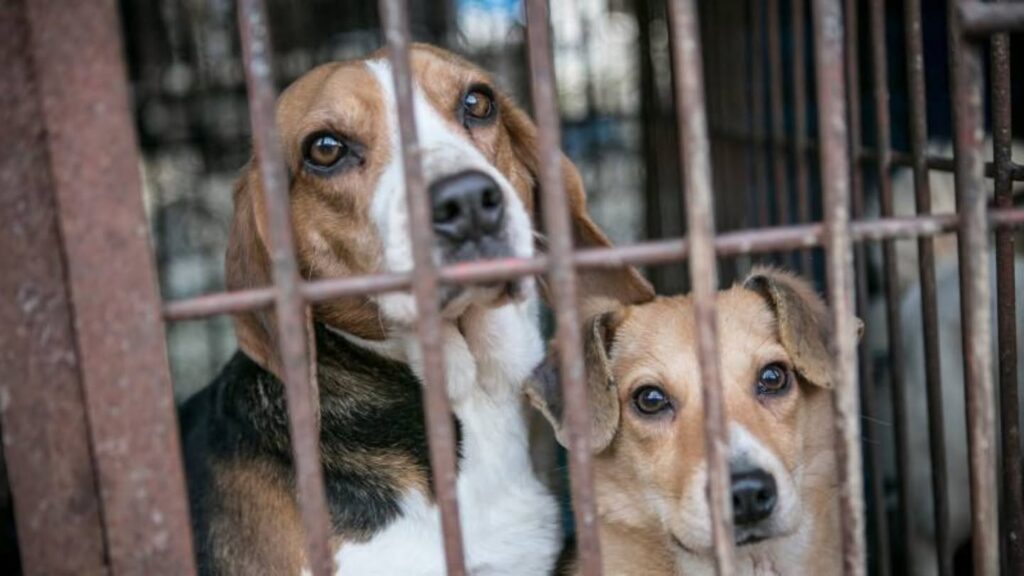
Uzbekistan’s animal protection society, Mehr va Oqibat, has raised concerns after receiving numerous complaints from locals and foreign visitors about cafes and restaurants in Uzbekistan offering dog meat dishes on their menus.

Controversial Supply and Health Concerns
According to Mehr va Oqibat, Uzbekistan lacks specialized farms for raising dogs for meat, unlike some other Asian countries. The organization suggests that state services responsible for capturing stray animals might be the primary suppliers of dog meat.

Activists argue that the purported medicinal benefits of dog meat remain scientifically unproven. Additionally, they warn that dog meat can transmit viruses during preparation and consumption, posing potential health risks.

Mehr va Oqibat has officially contacted Uzbekistan’s State Veterinary Committee and the Sanitary-Epidemiological Service to clarify whether dog meat consumption is permitted in Uzbekistan. The organization has also inquired as to whether cafes and restaurants have obtained official authorization to serve dog meat dishes.

Cultural and Historical Context
The consumption of dog meat in Uzbekistan, as well as in neighboring Kazakhstan and Kyrgyzstan, is primarily linked to the Korean minorities residing in these countries. This practice is not widespread and is generally followed by small groups of ethnic Koreans and others, including Russians, Uzbeks, Kazakhs, and Kyrgyz, who consider it an “exotic” culinary choice.

Ethnic Koreans were forcibly deported to Central Asia from the Russian Far East in the late 1930s under Joseph Stalin’s regime. Uzbekistan is now home to the largest Korean minority in Central Asia. As of 2023, over 200,000 ethnic Koreans lived in the country, according to the Uzbek Embassy in South Korea, making it the fifth-largest Korean diaspora in the world after the United States, China, Japan, and Canada.

A Shift in Perspective
The issue of dog meat consumption has garnered increasing attention globally. In January 2024, South Korea’s National Assembly passed a law banning the production and sale of dog meat, with the ban set to take effect in 2027.

While dog meat consumption remains a niche practice in Uzbekistan, activists hope that raising awareness about ethical and health implications will encourage the authorities to address the issue comprehensively.

300th Container Train Departs Along Trans-Caspian International Transport Route

Kazakhstan Temir Zholy (KTZ), the national railway company of Kazakhstan, announced on December 2 the departure of the 300th container train of the year from the Kazakh-Chinese terminal in Xi’an, China, along the Trans-Caspian International Transport Route (TITR). This milestone highlights the growing strategic importance of the TITR, also known as the Middle Corridor, as a vital transport artery for fast and efficient cargo transportation between China and Europe.

Expansion of the Middle Corridor
The Kazakh-Chinese terminal in Xi’an, launched on February 28, 2024, has become a key logistics hub for the region, consolidating cargo from across China and streamlining logistics operations. This development has provided a significant boost to the TITR, which saw only 11 container trains traverse the route in 2023.

The 300th train, bound for Azerbaijan, was organized by KTZ in collaboration with ADY Express (Azerbaijan) and Xi’an Free Trade Port (China). This partnership underscores the cooperative efforts between countries along the route to enhance connectivity and efficiency.

Strengthening Regional Cooperation
On November 12, Kazakhstan, Azerbaijan, and China signed an agreement to establish an inter-modal cargo terminal in the Port of Alat in Baku, Azerbaijan. This new facility aims to further facilitate the smooth flow of goods and boost trade along the TITR.

Kazakhstan’s Ministry of Transport has outlined ambitious goals for the corridor, aiming to increase cargo traffic to 600 container trains per year in both 2025 and 2026. The target rises to 1,000 trains in 2027 and 2,000 by 2029, reflecting the corridor’s growing role in global trade logistics.