• KGS/USD = 0.01144 0%
  • KZT/USD = 0.00210 0%
  • TJS/USD = 0.10528 0%
  • UZS/USD = 0.00008 0%
  • TMT/USD = 0.28571 0%
  • KGS/USD = 0.01144 0%
  • KZT/USD = 0.00210 0%
  • TJS/USD = 0.10528 0%
  • UZS/USD = 0.00008 0%
  • TMT/USD = 0.28571 0%
  • KGS/USD = 0.01144 0%
  • KZT/USD = 0.00210 0%
  • TJS/USD = 0.10528 0%
  • UZS/USD = 0.00008 0%
  • TMT/USD = 0.28571 0%
  • KGS/USD = 0.01144 0%
  • KZT/USD = 0.00210 0%
  • TJS/USD = 0.10528 0%
  • UZS/USD = 0.00008 0%
  • TMT/USD = 0.28571 0%
  • KGS/USD = 0.01144 0%
  • KZT/USD = 0.00210 0%
  • TJS/USD = 0.10528 0%
  • UZS/USD = 0.00008 0%
  • TMT/USD = 0.28571 0%
  • KGS/USD = 0.01144 0%
  • KZT/USD = 0.00210 0%
  • TJS/USD = 0.10528 0%
  • UZS/USD = 0.00008 0%
  • TMT/USD = 0.28571 0%
  • KGS/USD = 0.01144 0%
  • KZT/USD = 0.00210 0%
  • TJS/USD = 0.10528 0%
  • UZS/USD = 0.00008 0%
  • TMT/USD = 0.28571 0%
  • KGS/USD = 0.01144 0%
  • KZT/USD = 0.00210 0%
  • TJS/USD = 0.10528 0%
  • UZS/USD = 0.00008 0%
  • TMT/USD = 0.28571 0%

Kazakhstan’s Greenhouse Bananas: A Southern Success Story

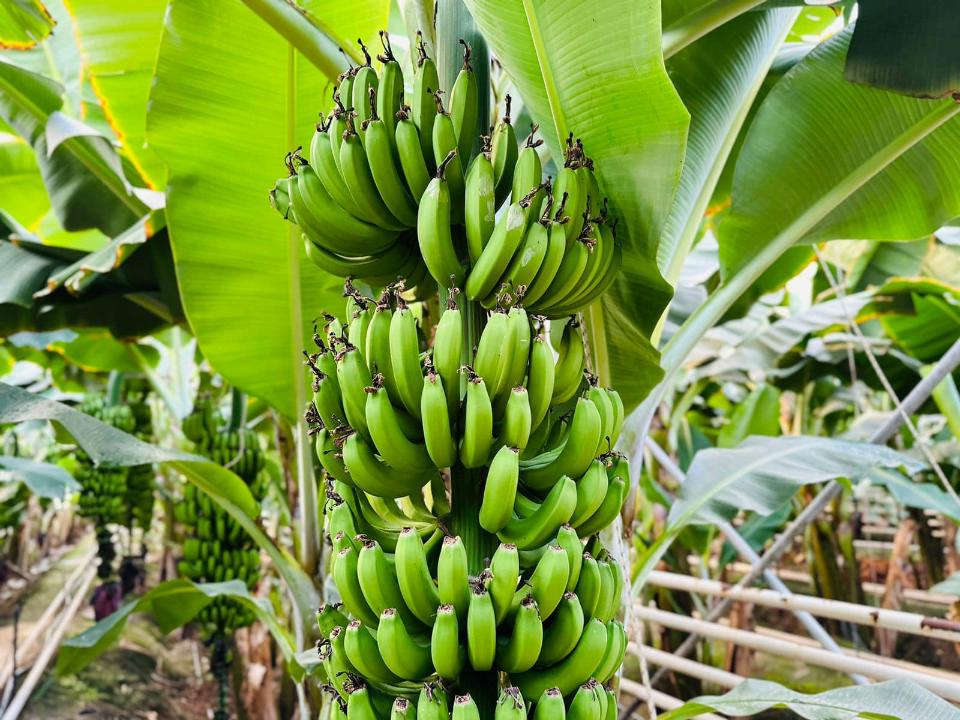
A pioneering greenhouse in Kazakhstan’s Turkestan region has begun producing 1,000 tons of bananas annually, marking a significant milestone in the country’s agricultural diversification efforts. The project, led by GenGroupKazakhstan, combines innovative technology and tropical crop expertise to make banana cultivation viable in the region.

GenGroupKazakhstan, known for its modern greenhouse construction, launched its first banana greenhouse on a five-hectare plot in June 2023. Drawing on techniques used in Turkey, the company harvested its first crop in May 2024.

Building on this success, the company plans to expand its operations significantly. A new greenhouse complex spanning six hectares will focus on producing 3,000 tons of tomatoes and 130 tons of strawberries annually. Construction of the facility is expected to be completed by the end of 2025.
In addition, GenGroupKazakhstan aims to cultivate mangoes, avocados, and blueberries across 10 hectares of open ground, further diversifying its portfolio of high-value crops.

Vice Minister of Agriculture Azat Sultanov noted that growing bananas in Kazakhstan, while potentially profitable, presents unique challenges. Unlike tropical countries like Ecuador or Brazil, where bananas grow naturally with minimal input costs, Kazakhstan’s climate necessitates substantial investments in greenhouses, electricity, heating, fertilizers, and plant protection products. These requirements make banana production here a more resource-intensive endeavor.

Uzbekistan Engages Elders in Poverty Alleviation Efforts

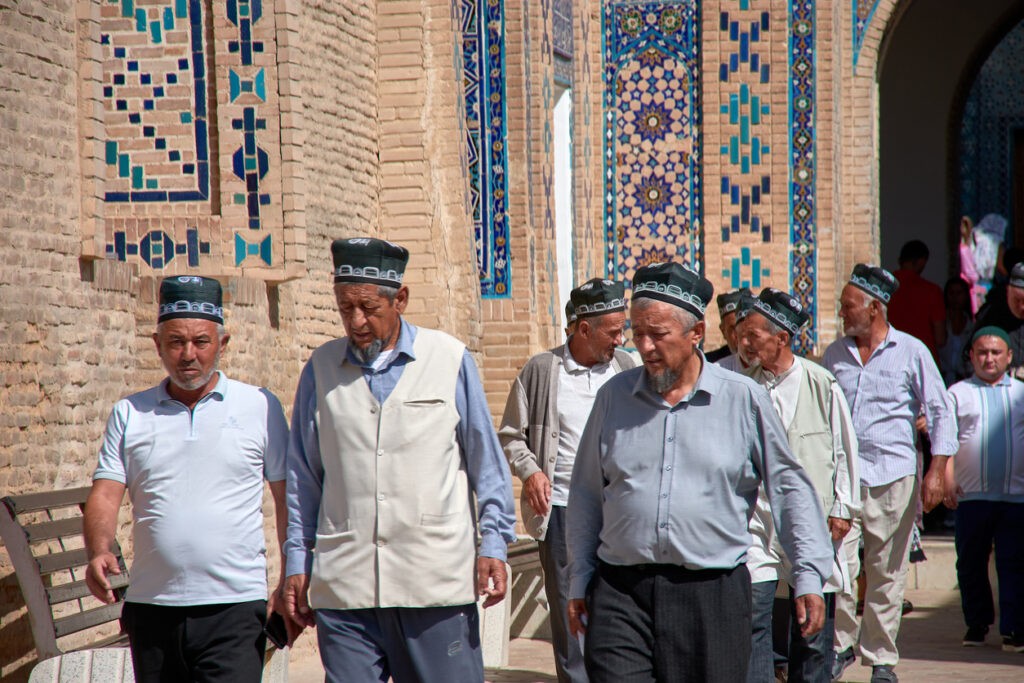
In a unique initiative, Uzbekistan is involving community elders as mentors to support poor families. This program, outlined in a decree by President Shavkat Mirziyoyev, seeks to reduce poverty and enhance living conditions for disadvantaged populations.

Empowering Through Mentorship
Under the “From Poverty to Prosperity” program, elders will mentor families in agricultural practices, promoting self-sufficiency through farming. The initiative also assists families in renting mobile stores and obtaining equipment to start small businesses.

In addition to economic support, the program encourages healthy living. Mentors will educate families about balanced diets, physical activity, and disease prevention. Elders will also engage citizens in community service and address child-rearing issues within impoverished households.

This approach combines the efforts of the state, society, and active citizens, creating a unique model of community-driven poverty alleviation in Uzbekistan.

Comprehensive Anti-Poverty Measures
The “From Poverty to Prosperity” program aims to lift 500,000 people out of poverty by the end of 2024 and an additional 1 million in 2025. In September 2024, Mirziyoyev approved initiatives focused on entrepreneurship, vocational training, and infrastructure development in low-income areas.

In 2025, $1.6 billion will be allocated to infrastructure projects, including installing water pumps and solar panels in 300 underdeveloped neighborhoods. These measures aim to unlock the potential of citizens while encouraging personal responsibility for wellbeing.

Kyrgyzstan Seeks to Boost Food Exports to EU Markets

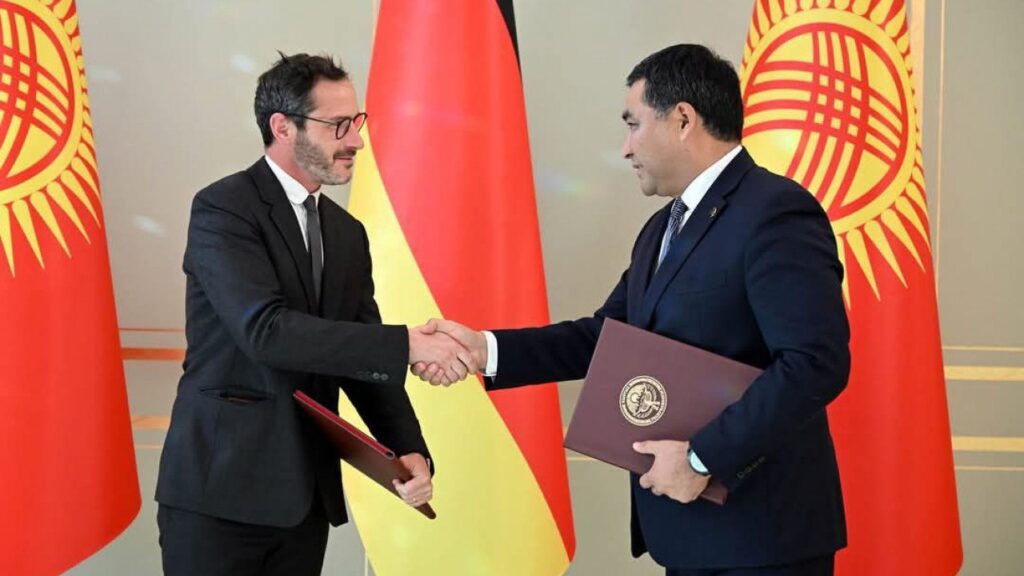
Kyrgyzstan is set to increase its agricultural exports to the European Union following an agreement with British certification company Intertek. Minister of Economy and Commerce Daniyar Amangeldiev recently met with Jeremy Gaspar, Vice President for Government and Trade Services at Intertek, in Berlin to discuss the initiative.

The agreement will help Kyrgyz companies certify their products according to international standards, significantly improving their competitiveness in EU markets. The Ministry of Economy is optimistic that this collaboration will expand the country’s export capacity while modernizing its quality assurance systems.

Beyond agriculture, the ministry is also exploring certification opportunities for the manufacturing sector, particularly Kyrgyzstan’s garment industry, which holds significant potential for international growth.

As part of the next phase of the project, Intertek experts will visit Kyrgyzstan to conduct a comprehensive analysis of the country’s laboratories and certification infrastructure. Intertek, a global leader in product certification and quality control, will work closely with local authorities to align Kyrgyzstan’s systems with international standards.

“A visit by Intertek specialists will mark a crucial step in modernizing our laboratories and integrating Kyrgyzstan’s national certification framework into global quality assurance practices,” the ministry stated.

Last month, a Kyrgyz delegation visited an Intertek laboratory in Bremen, Germany, to review European methodologies and initiate arrangements for European specialists to visit Kyrgyzstan. These specialists will evaluate the functionality of Kyrgyz laboratories and recommend improvements to ensure compliance with EU requirements.

Kyrgyzstan views this partnership as a critical step toward enhancing the quality and competitiveness of its export products, ultimately strengthening its presence in international markets.

Kazakhstan Limits Re-Export of Russian Grain to Uzbekistan and China

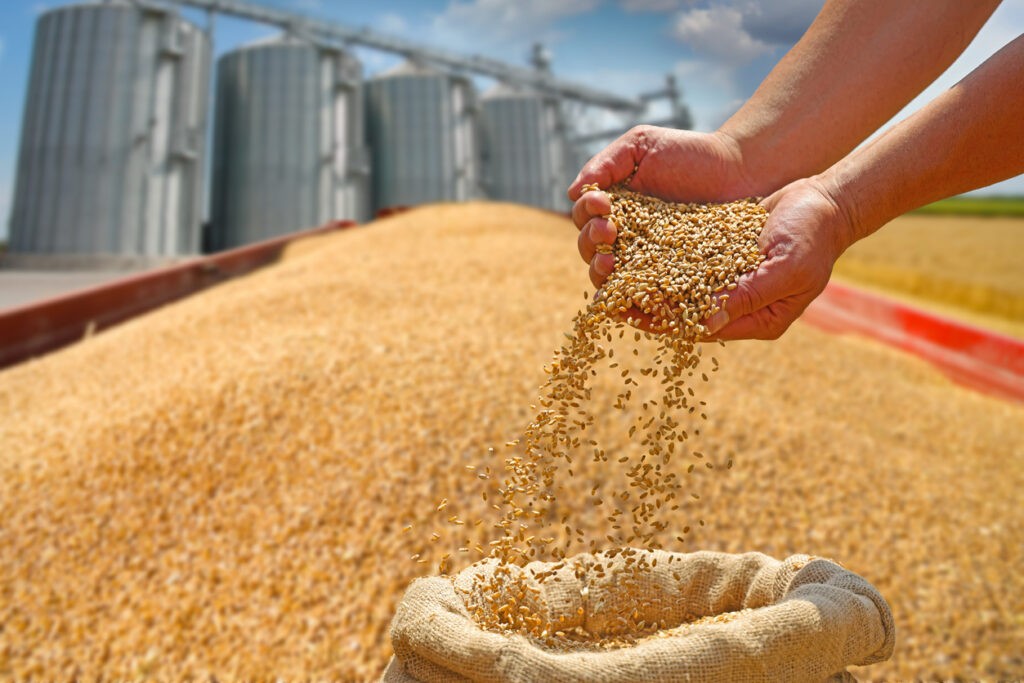
Kazakhstan has imposed restrictions on the re-export of Russian grain to Uzbekistan and China, Prime Minister Olzhas Bektenov announced. The move aligns with Kazakhstan’s ban on wheat imports from Eurasian Economic Union (EAEU) countries, which will remain in effect until the end of 2024.

The restriction was outlined in Bektenov’s response to a parliamentary inquiry. He explained that the decision aims to protect Kazakhstan’s domestic agricultural market, citing concerns about maintaining local production.

During a meeting of the Kazakhstan-Russia intergovernmental commission, Rosselkhoznadzor, Russia’s federal agricultural oversight agency, raised issues related to the restrictions. The commission recommended that authorities expedite the removal of these measures, highlighting their impact on bilateral agricultural trade.

Bektenov noted that these restrictions were critical to safeguarding Kazakhstan’s domestic market. “To protect the domestic market, Kazakhstan banned wheat imports from EAEU countries until the end of 2024. This ban limits the re-export of Russian grain to Uzbekistan and China,” he stated.
In addition to the re-export ban, Kazakhstan has raised unified tariffs for the transit of goods across its territory for EAEU countries. Notably, the tariff for transporting Russian grain to Kyrgyzstan through Kazakhstan has doubled this year, further impacting regional trade dynamics.

Kazakhstan and Russia Strengthen Cooperation on North-South Transport Corridor

Kazakhstan Temir Zholy (KTZ), the country’s national railway company, and Russian Railways have signed a landmark agreement aimed at modernizing railway infrastructure at nine border stations, increasing capacity, and developing a unified digital system for transportation and cross-border operations.

The agreement was signed on November 27 during Russian President Vladimir Putin’s state visit to Kazakhstan.

Enhancing Key Trade Corridors

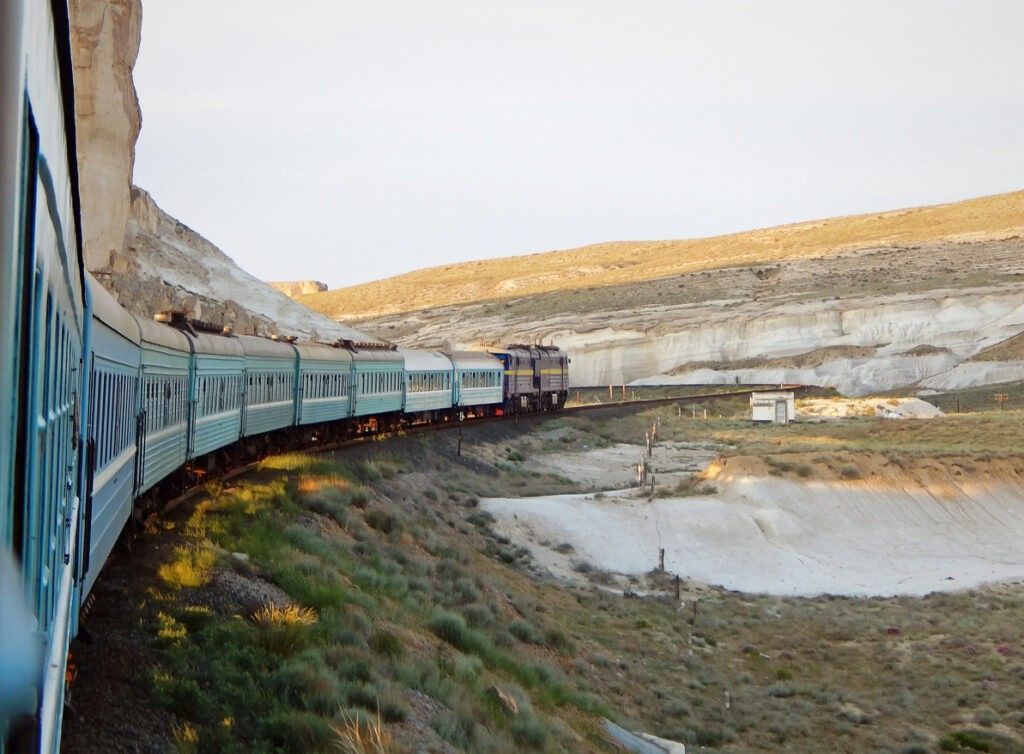
This cooperation seeks to boost the efficiency of trans-Eurasian transport corridors, with a particular focus on increasing cargo volumes along the East-West and North-South routes. The North-South corridor, connecting Kazakhstan, Russia, Turkmenistan, and Iran, has an annual capacity of 10 million tons of cargo. So far, 1.8 million tons have been transported along this route in 2024, and plans are underway to double its capacity to 20 million tons annually.

On November 26, Kazakhstan’s Minister of Transport, Marat Karabayev, emphasized the strategic importance of the North-South corridor. In July, Kazakhstan agreed on a roadmap with Iran, Turkmenistan, and Russia for the synchronized development of this corridor. To attract cargo flow, Kazakhstan has introduced special transit tariff discounts of 50%.

New Agreements and Digital Connectivity

During Putin’s visit, another significant agreement was signed between KTZ, Xi’an Free Trade Port Construction and Operation Co., Ltd. (China), and JSC Slavtrans-Service (Russia). The deal focuses on constructing the CRK Terminal, a transport and logistics hub at the Selyatino railway station in the Moscow region. Additionally, the three parties agreed to jointly use the Unified Digital Platform along the Xi’an (China) – Dostyk/Altynkol (Kazakhstan) – Selyatino (Russia) route.

The CRK Terminal and Digital Platform are expected to enhance cargo transportation efficiency and e-commerce between China, Kazakhstan, and Russia.

Boosting Regional Logistics

Kazakhstan Temir Zholy also signed a memorandum with the Russian transport and logistics group FinInvest LLC to construct a multimodal transport and logistics center in Astana. This center aims to increase the transit of Russian goods through Kazakhstan, further solidifying the country’s position as a regional logistics hub.

Uzbekistan Attracts $26 Billion in Foreign Investment in First Ten Months of 2024

On November 27, Uzbek President Shavkat Mirziyoyev chaired a meeting to assess the country’s foreign investment performance and set priorities for the coming year.

In the first ten months of 2024, Uzbekistan secured over $26 billion in foreign investment—an increase of 1.7 times compared to the previous year. Of this amount, direct investment accounted for $24 billion of the total. These funds enabled the launch of 6,300 enterprises, generated an additional 30 trillion Uzbekistani Sums (UZS) in value, and boosted exports by $305 million. Crucially, 163,000 high-income jobs were created. An additional $8.6 billion in investment is anticipated by the end of the year.

Regional and Sectoral Challenges

During the meeting, a detailed analysis of investment performance across Uzbek regions and industries revealed that eight districts and cities showed low activity. Furthermore, some sectors experienced declines compared to the previous year. Delays in document preparation and tender processes also hindered the progress of 17 projects funded by international financial institutions.

Mirziyoyev emphasized the need for enhanced regional investment initiatives and innovative approaches. He pointed out untapped opportunities, such as funding from the European Bank for Reconstruction and Development (EBRD), which is keen to support private-sector projects amid Uzbekistan’s improved business environment and economic growth.

Strategic Focus

The president also called on regional leaders to leverage financing opportunities effectively and focus on attracting investments that deliver tangible results. Priority areas include accelerating industrial development, creating jobs, and expanding export potential.

Mirziyoyev also instructed officials to evaluate the volume and strategies of international financial institution financing and foreign investment. Each region and sector was tasked with identifying specific projects for 2025, emphasizing public-private partnerships and private investment.