• KGS/USD = 0.01143 -0%
  • KZT/USD = 0.00192 -0%
  • TJS/USD = 0.10820 0.19%
  • UZS/USD = 0.00008 0%
  • TMT/USD = 0.28575 0%
  • KGS/USD = 0.01143 -0%
  • KZT/USD = 0.00192 -0%
  • TJS/USD = 0.10820 0.19%
  • UZS/USD = 0.00008 0%
  • TMT/USD = 0.28575 0%
  • KGS/USD = 0.01143 -0%
  • KZT/USD = 0.00192 -0%
  • TJS/USD = 0.10820 0.19%
  • UZS/USD = 0.00008 0%
  • TMT/USD = 0.28575 0%
  • KGS/USD = 0.01143 -0%
  • KZT/USD = 0.00192 -0%
  • TJS/USD = 0.10820 0.19%
  • UZS/USD = 0.00008 0%
  • TMT/USD = 0.28575 0%
  • KGS/USD = 0.01143 -0%
  • KZT/USD = 0.00192 -0%
  • TJS/USD = 0.10820 0.19%
  • UZS/USD = 0.00008 0%
  • TMT/USD = 0.28575 0%
  • KGS/USD = 0.01143 -0%
  • KZT/USD = 0.00192 -0%
  • TJS/USD = 0.10820 0.19%
  • UZS/USD = 0.00008 0%
  • TMT/USD = 0.28575 0%
  • KGS/USD = 0.01143 -0%
  • KZT/USD = 0.00192 -0%
  • TJS/USD = 0.10820 0.19%
  • UZS/USD = 0.00008 0%
  • TMT/USD = 0.28575 0%
  • KGS/USD = 0.01143 -0%
  • KZT/USD = 0.00192 -0%
  • TJS/USD = 0.10820 0.19%
  • UZS/USD = 0.00008 0%
  • TMT/USD = 0.28575 0%
14 December 2025

Forest Nurseries Created In Turkmenistan

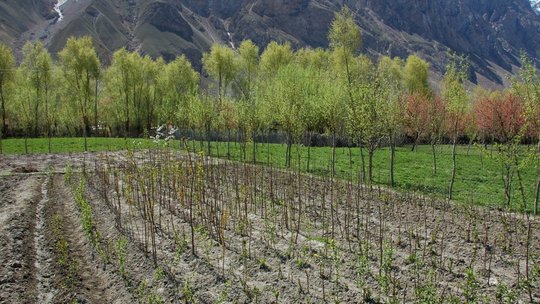
Two forest nurseries have been created in Turkmenistan’s Kopetdag State Reserve. One of the nurseries, two hectares in size, is located in the Kopetdag Mountains; the other, smaller site is in the Gyavers oasis area near the Karakum desert. The trees were planted as part of a joint ecology project between the UN’s Food and Agriculture Organization and the Turkmen Ministry of Environment.

The young forests will eventually contribute to restoring Turkmenistan’s forest resources, which is an important part of the country’s efforts to make its industrial sectors more sustainable. 

Forest nurseries grow and breed saplings and trees, as well as forest plants. The nurseries in Kopetdag and by the Karakum will also house nut and berry orchards, where pistachio, almond, hawthorn, blackberry, and cherry trees will be grown.

Expanding forested areas in mountainous parts of Turkmenistan is an effective way to reduce the impact of water erosion and prevent dangerous mudflows. It is also an important step in conserving biodiversity and preserving unique ecosystems.

Forest nurseries additionally contribute to improving yields from agricultural pastures, which in turn improves the welfare of local farmers.

China’s Sinopec To Join Polyethylene Project In Kazakhstan

The China Petroleum & Chemical Corporation, Sinopec, will become part of a large polyethylene project in Kazakhstan. This was announced on January 29th by the chairman of Kazakhstan’s national oil and gas company KazMunayGas, Magzum Mirzagaliyev, and Sinopec’s president Yu Baocai, during a meeting in China. 

The project will begin with the construction of a polyethylene production plant with a capacity of 1.25 million tons per year in the special economic zone in Karabatan, close to the Tengiz field in western Kazakhstan. The plant will produce a wide range of products, including premium high-density polyethylene, which is in constant high demand throughout the world.

The plant will help maintain social stability in the region. About 8,000 jobs will be created during the construction phase, and about 850 permanent jobs will be created during the operation period. 

“This year we expect the final investment decision to be made, which will be the starting point for moving to an important stage — the start of construction,” Mr Mirzagaliyev commented.

To date, license agreements for the use of technologies have been signed with Chevron Phillips Chemical and Univation Technologies, world leaders in this field.

Kazakhstan Could Become Main Transport Link Between Europe And Asia

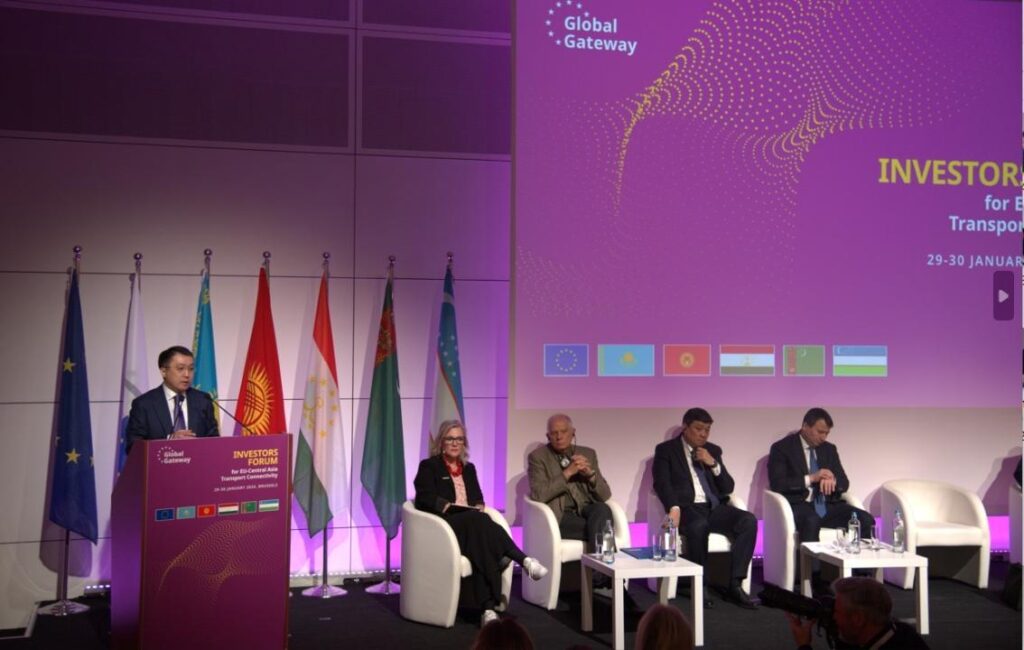
Addressing the Global Gateway Investors Forum for EU-Central Asia Transport Connectivity on January 29th in Brussels, Belgium, Kazakhstan’s transport minister Marat Karabaev proposed Kazakhstan as the most sustainable main transport route between Europe and Asia.

Mr Karabaev said that in the next five years Kazakhstan intends to attract investments worth €40bn ($43.3bn) in major transport infrastructure projects.

During this period Kazakhstan plans to reconstruct transit corridors with a length of 4,700km and repair the roads that form the basis of the Trans Caspian Transport Corridor. “To implement these projects we propose raising funds within the framework of the EU’s Global Gateway initiative and invite European contractors to take part in the construction of roads in Kazakhstan,” Mr Karabaev said.

Kazakhstan will construct 1,300km of new railway lines and modernize the existing infrastructure. This work is also aimed at increasing the transport capacity between Asia and the European Union.

It is also planned to transfer 22 airports in Kazakhstan to the management of investors. 

To strengthen Kazakhstan’s Caspian fleet and create a container hub in the port of Aktau, investors are offered 171 hectares for the construction of terminal facilities. It is possible to transfer the seaports of Aktau and Kuryk to trust management on ship-or-pay terms, the minister said.

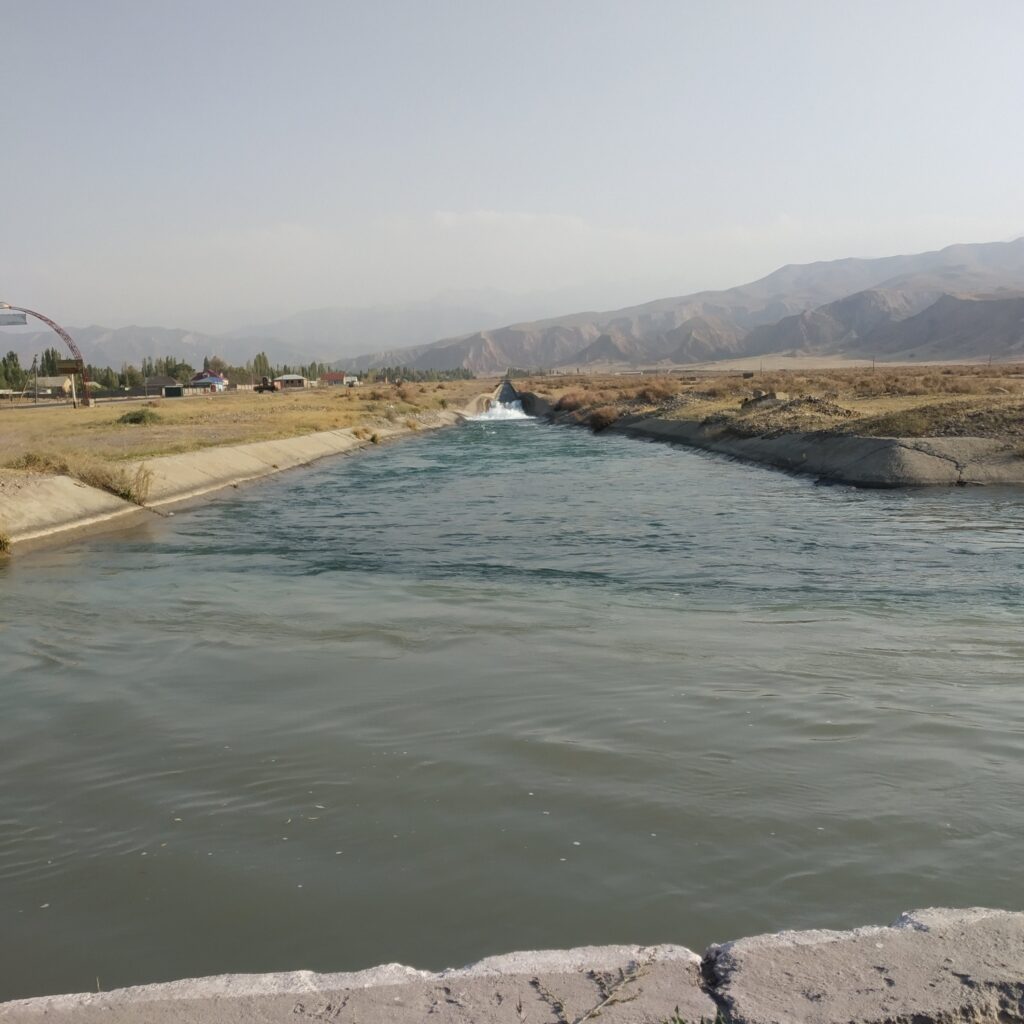
Kazakhstan Improves Its Water Infrastructure

The government of Kazakhstan has approved the development of a water resources management system for 2024-2030. 

Speaking at a meeting on January 30th, the minister for water resources and irrigation, Nurzhan Nurzhigitov, said that his department plans to build 20 new and reconstruct 15 existing reservoirs, as well as modernize over 14,000km of irrigation canals and hydraulic structures.

Mr Nurzhigitov added that irrigation water losses during transportation should be reduced from the current 50% to 25%, which will make it possible to increase the area of irrigated land in the country to 2.5 million hectares by 2030.

To encourage farmers to use water-saving technologies, subsidies for creating irrigation systems and buying drip and sprinkler irrigation equipment will be increased from 50% to 80% of their costs respectively. 

Prime minister Alikhan Smailov, who chaired the meeting, emphasized the importance of the rational use of water. He pointed out that the Big Almaty Canal, for instance, had not been repaired in the 40 years of its existence. In the country’s Turkestan, Kyzylorda and Zhambyl regions most of the main and inter-farm canals are in a worn-out condition, with water losses reaching 40%.

Mr Smailov also pointed out that water-saving systems in the country are currently being introduced only slowly. Drip irrigation is currently used on as little as 84,000 hectares out of the planned 312,000. 

Kazakhstan, especially its dry southern and eastern regions, is largely dependent on irrigation water coming from its upstream neighbors, Kyrgyzstan and China. 

Why Do People in Kyrgyzstan Refuse Seasonal Vaccinations?

In Kyrgyzstan more than 22,000 refusals of seasonal vaccinations were registered last year, according to the director of the Republican Center for Immunoprophylaxis, Gulbara Ishenapysova. She told journalists at a press conference that 40% of those who refuse doubt that vaccines against flu, measles and other seasonal diseases are of good quality — while almost half do not want to be vaccinated for religious reasons.

The Ministry of Health fears that an influx of infections from abroad could occur at any moment. For example, diphtheria cases are now being registered in Europe, and polio has not yet been defeated in Afghanistan and Pakistan. Doctors in Kyrgyzstan, said Ishenasypova, must be prepared for these diseases. Last year, nine children died of complications from measles in the Republic. Doctors emphasize that all of them had not been vaccinated.

Meanwhile, parents refusal to vaccinate their children is punishable. Unvaccinated children may not be admitted to kindergarten or school. Furthermore, an article enshrined in the constitution assigns criminal liability to parents who deliberately fail to seek medical help in cases where a disease harmed a child.

“In 2022, we lost a child to tetanus, and in 2023, we lost nine children to measles. If an unjustified refusal led to a fatal outcome, then it is intentional harm to the child’s health, and liability under the law is provided for,” the Republican Center for Immunoprophylaxis stressed.

The rate of refusal of seasonal vaccinations has decreased over the past five years. The Center cited statistics which indicate that the largest group to refuse vaccinations — those who do so for religious reasons — is decreasing. Seven or eight years ago, 78% of the total number to refuse did so on religious grounds; today, that figure is down to 48%.

“The Spiritual Administration of Muslims of Kyrgyzstan urges parents not to refuse vaccination for allegedly religious reasons. The question of benefits and harms of vaccination belongs to medicine. Therefore, in this situation, the decision on Shariah will be made taking into account the opinion of medicine. Islam is not against vaccinations if there is a conclusion from the Ministry of Health on the safety of the drug,” said the head of the information department of the Spiritual Administration of Muslims of Kyrgyzstan.

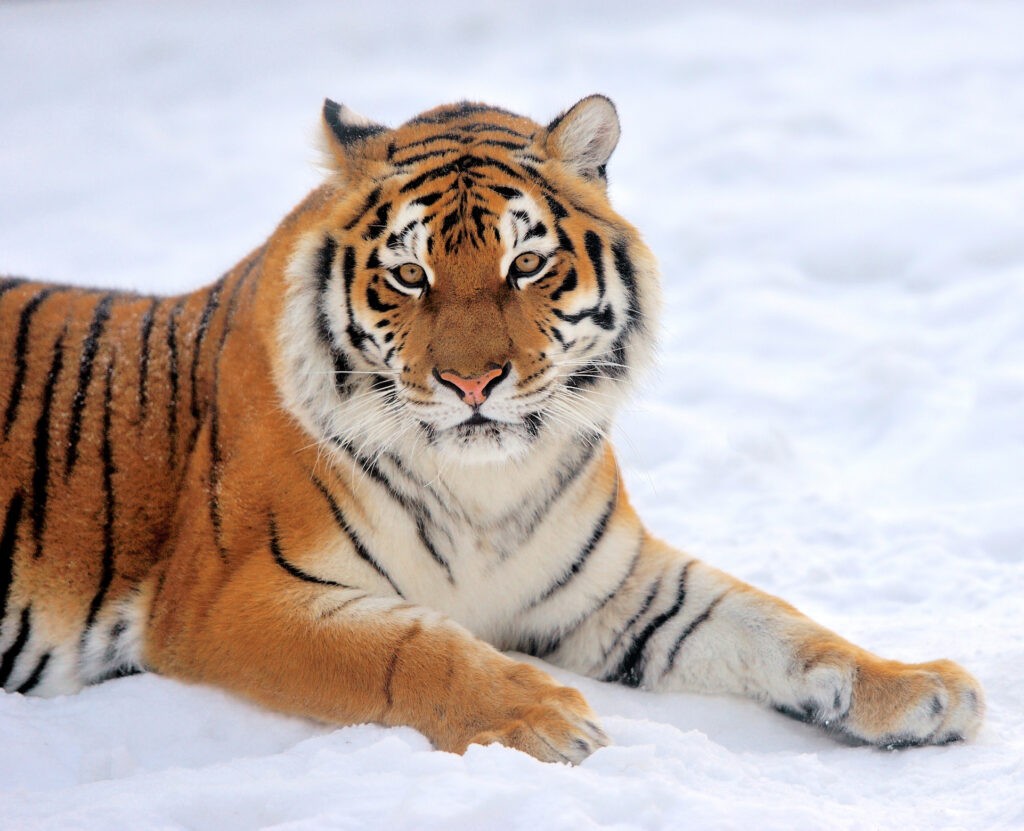
Waiting for Cubs: How Almaty Zoo is Helping Save the Amur Tiger Population

Almaty Zoo is helping to replenish the Amur tiger population under an international conservation program. The Amur tiger population is still declining, and the main challenge for scientific foundations from different countries is breeding new cubs.

Almost 400 species of animals live at the Almaty Zoo. Among them are llamas, chimpanzees, hippopotamus and tigers, with the latter comprising a family of nine individuals. The clan is headed by 13-year-old Urman, who arrived in Kazakhstan at one-year-old from the Perm Zoo in Russia by way of an international conservation program.
“The main objective of the program is to preserve the genetic diversity of animals in the northern part of Eurasia and their reproduction, including in captivity. That’s why we carefully searched for a mate for Urman, and not so long ago we managed to bring in a tigress, Tasha, from Moscow,” said Akzhami Rakhimova of the Almaty Zoo.
Now, staff are carefully monitoring the pair’s behavior and diet so they can give reproduce.

The last time tiger cubs were born at the zoo was three years ago. They were given the names Aya, Zoya, Maya, and Sherkhan. Zookeepers celebrate the birthdays of their charges, and very soon the birthday of Bentley, who arrived from the circus in Astana, is coming up. He will be five-years-old, and since he’s already reached puberty, he’ll soon need a mate.
The staff note that the zoo is home for these animals which don’t know life beyond captivity, as they either came from the circus or were born here. The tigers are quite accustomed to the attention of visitors and to eating on schedule.