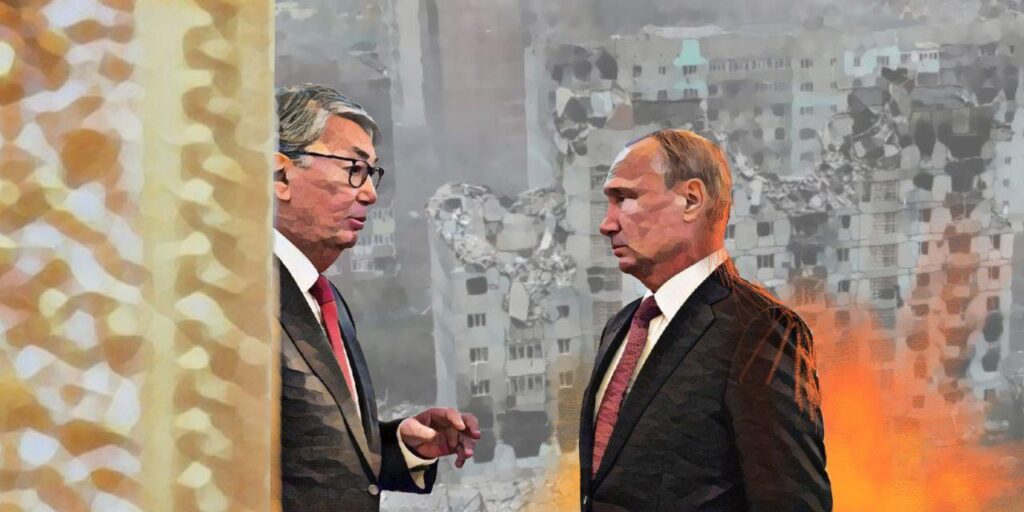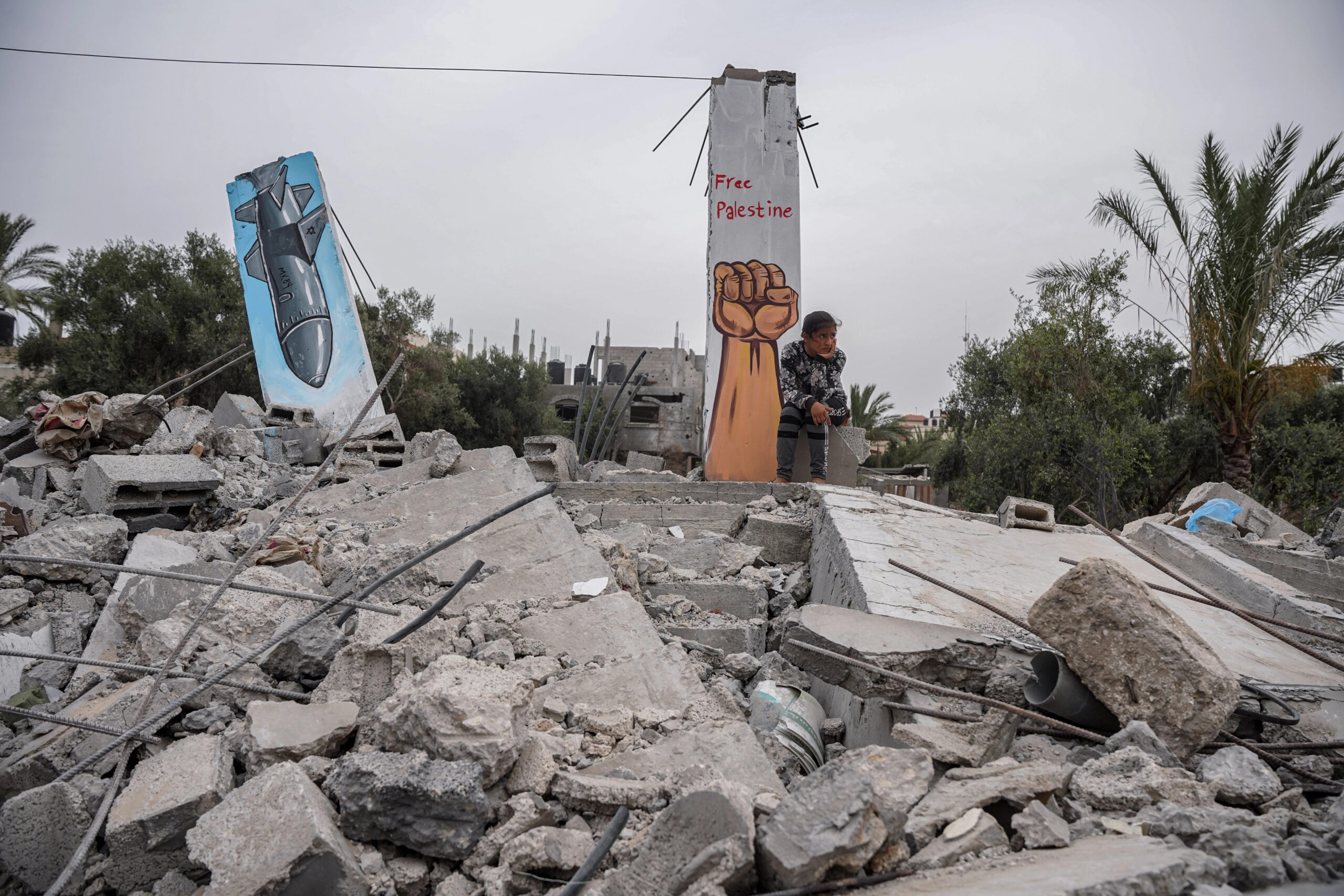
The implementation of any new approaches aimed at a rapid, peaceful resolution of the Middle East conflict, including the latest UN Security Council resolution, which authorizes the deployment of International Stabilization Forces (ISF), shows that the international community is once again reaching the limits of tools that rely solely on security measures, temporary control, and external administration.
Even the most carefully calibrated political or administrative frameworks cannot produce sustainable results unless the ideological nature of the conflict, including its spiritual, historical, and value-based foundations, is changed. It is increasingly clear today that peace in the Holy Land requires not only diplomatic and humanitarian efforts, but also a deep dialogue between the religious and civilizational traditions of the region. In this context, the experience of Kazakhstan, which initiated the creation of a unique collective mechanism for religious reconciliation, deserves particular attention.
After lengthy discussions, the UN Security Council approved the U.S.-proposed resolution to form an international stabilization force in Gaza. That means authorizing external actors – for the first time through a UN-mandated transitional authority – to participate in Gaza’s administrative and security arrangements. Thirteen countries supported the resolution, with only Russia and China abstaining. This step creates a new legal reality: the international community now holds a formal mandate to support Gaza’s security, humanitarian access, and reconstruction. Yet the resolution raises another question: will this become the foundation for lasting peace, or merely another temporary structure that keeps the situation under control without changing its essence?
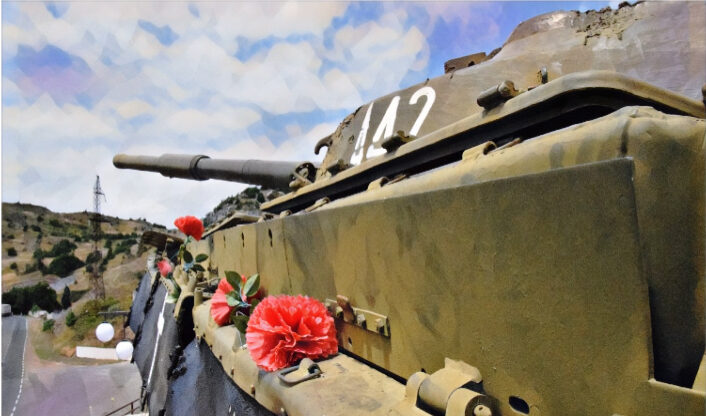
The U.S.-Israeli planning model – widely discussed in reporting – proposing dividing Gaza into “green” and “red” zones, reflects an approach in which security replaces reconciliation. Historical cases, such as Bosnia and Lebanon, suggest to many analysts that such strategies rarely lead to sustainable stability. Territorial divisions, from Bosnia to Lebanon, tend to freeze conflicts rather than resolve them. The Palestinian enclave risks becoming an example of a “permanent transitional zone,” where military stability exists without political resolution or trust. In the future, a divided Gaza could face humanitarian collapse, intensified radicalization, and deep fractures in how the Islamic world perceives the West, especially if European troops are deployed.
All this underscores a key point: without addressing the ideological and religious dimensions of the conflict – as many experts argue – territorial schemes remain temporary. The conflict in the Holy Land cannot be resolved solely with demarcation maps and international mandates. Breaking the deadlock requires more than another control mechanism; it requires a new architecture of reconciliation. And it must engage the roots of the conflict, including religious thinking, historical grievances, and cultural trauma, rather than its surface-level manifestations.
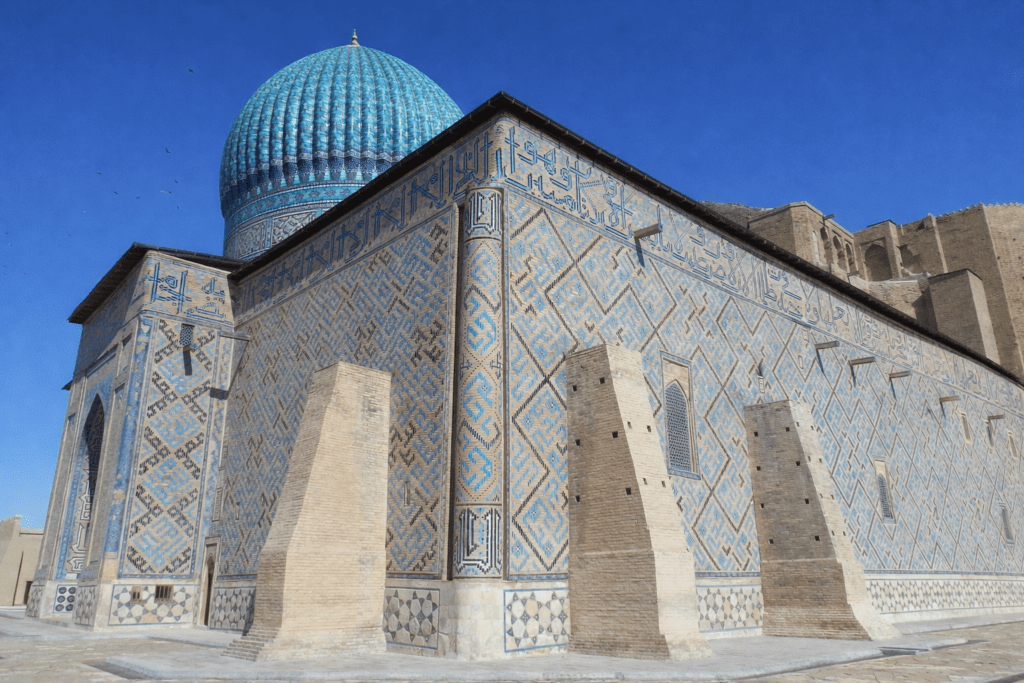
Kazakhstan can play a unique role here. It is not just a new participant in the Abraham Accords, but a country with remarkable political, diplomatic, and spiritual legitimacy. It enjoys the trust of the Islamic world, maintains stable relations with Israel, is perceived by the West as a neutral partner, and has a successful record of coordinating great-power and regional actor efforts, such as the Astana process on Syria.
But Kazakhstan’s main contribution could be the Congress of Leaders of World and Traditional Religions – a tool that few states have replicated. Over eight congresses spanning two decades, this forum has brought together prominent religious leaders of Islam, Christianity, Judaism, Buddhism, Hinduism, Taoism, Shintoism, Jainism, Zoroastrianism, and the Bahá’í faith, as well as major politicians and leaders of international organizations.
Today, the Congress is respected globally, and many in Kazakhstan argue it could evolve into a permanent international institution – something akin to a ‘spiritual Security Council’. Such a body would operate not every three years but continuously, with a permanent secretariat, regional offices, missions in conflict zones, working groups, and its own mechanisms of religious diplomacy.
History shows that the religious dimension is a fundamental condition for sustainable peace. Incorporating it would give the process depth and legitimacy unattainable through purely political formats. At a time when some religious authorities are sharply criticizing the Abraham Accords, this type of engagement becomes critically important.
Such an institution could include, alongside leading rabbis and prominent ulema, direct participation by representatives of the Pope, patriarchs of Eastern and Western churches, and major Buddhist and Hindu leaders. It would need to conduct regular missions to Israel, the West Bank, and Gaza. It would engage in on-the-ground religious diplomacy, such as meetings between spiritual leaders and communities, youth, and families. It also proposes creating an international media center to support dialogue globally and a permanent track-based platform for Islamic–Jewish dialogue, which, alongside broader participation by other faiths, would establish a foundation for deep spiritual de-escalation. This is about building trust between communities, which cannot be achieved through military operations or political agreements alone. The conflict between Israel and Palestine is not only about politics and territory, but also about faith, identity, history, and memory. Without religious diplomacy, any peace agreement remains superficial.
This is ultimately about building trust between communities, which is something that cannot be achieved through military operations or purely political agreements. The Israeli–Palestinian conflict is not only about politics and territory. It is also about faith, identity, history, and memory. Without religious diplomacy, any peace agreement remains superficial.
In this new process, Qatar can play a critically important role. It facilitated indirect negotiations between Israel and Palestinian movements, moving the Gaza resolution process forward. Doha has earned an international reputation as a neutral and trustworthy mediator with a unique network of contacts, political flexibility, financial resources, and standing in the Islamic world. A proposed model envisions Kazakhstan and Qatar collaborating to integrate the religious, political, and humanitarian dimensions of reconciliation, with Kazakhstan serving as the architectural center of dialogue and Qatar as a respected mediator and humanitarian leader. This would create a platform for reconciliation unmatched by any existing international structure. It would be capable of attracting support even from countries and movements that traditionally reject Western initiatives.
In such proposals, Qatar, Saudi Arabia, Turkey, Egypt, and Iran would form the regional core of a future Middle Eastern peace architecture. The United States, the EU, China, Russia, and India would complement it with security guarantees, economic packages, and diplomatic resources. With active engagement from President Donald Trump, such a format could genuinely become a “deal of the century” not only in political terms, but on a historical scale. Unlike previous initiatives dominated by hard-power logic, the proposed mechanism would rest on religious legitimacy, moral authority, and broad international support, offering a realistic alternative to yet another endless war.
The views expressed in this article are those of the author and do not necessarily reflect the official policy or position of the publication, its affiliates, or any other organizations mentioned.