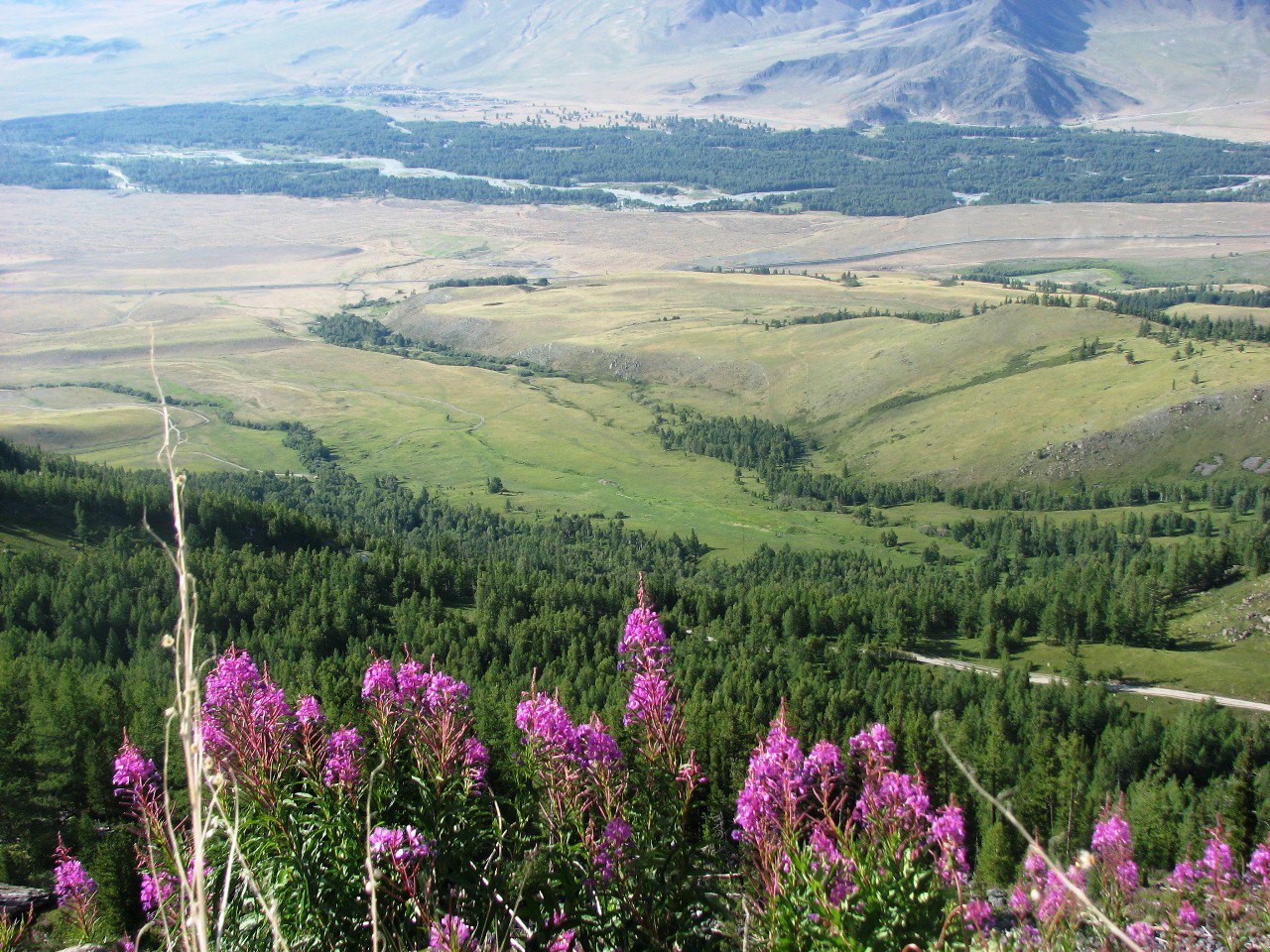
A winding mountain road in East Kazakhstan has become a point of fascination not only for tourists but also for historians, filmmakers, and researchers. Known variously as the Old Austrian Road, the Austrian Route, or Irek Zhol (“Winding Road”), this nearly 50-kilometer path connects the Katon-Karagai and Markakol districts, cutting through pristine wilderness in a national park and a state reserve. Today the path is being restored, but the road’s true value lies in a dramatic and little-known past that stretches back over a century.
A New Chapter for an Old Road
In July 2025, authorities announced the launch of extensive repair work on the Old Austrian Road. With a budget exceeding $1 million from the regional government, the project includes rebuilding a damaged bridge near Katon-Karagai, replacing culverts, reinforcing slopes, and rehabilitating impassable sections.
The most challenging terrain lies near Lake Markakol, where the route crosses swampy stretches, sharp switchbacks, and granite outcroppings. Yet these obstacles have not deterred growing numbers of visitors, off-road enthusiasts, cyclists, hikers, and even horse riders, eager to explore the wild beauty of Eastern Kazakhstan.
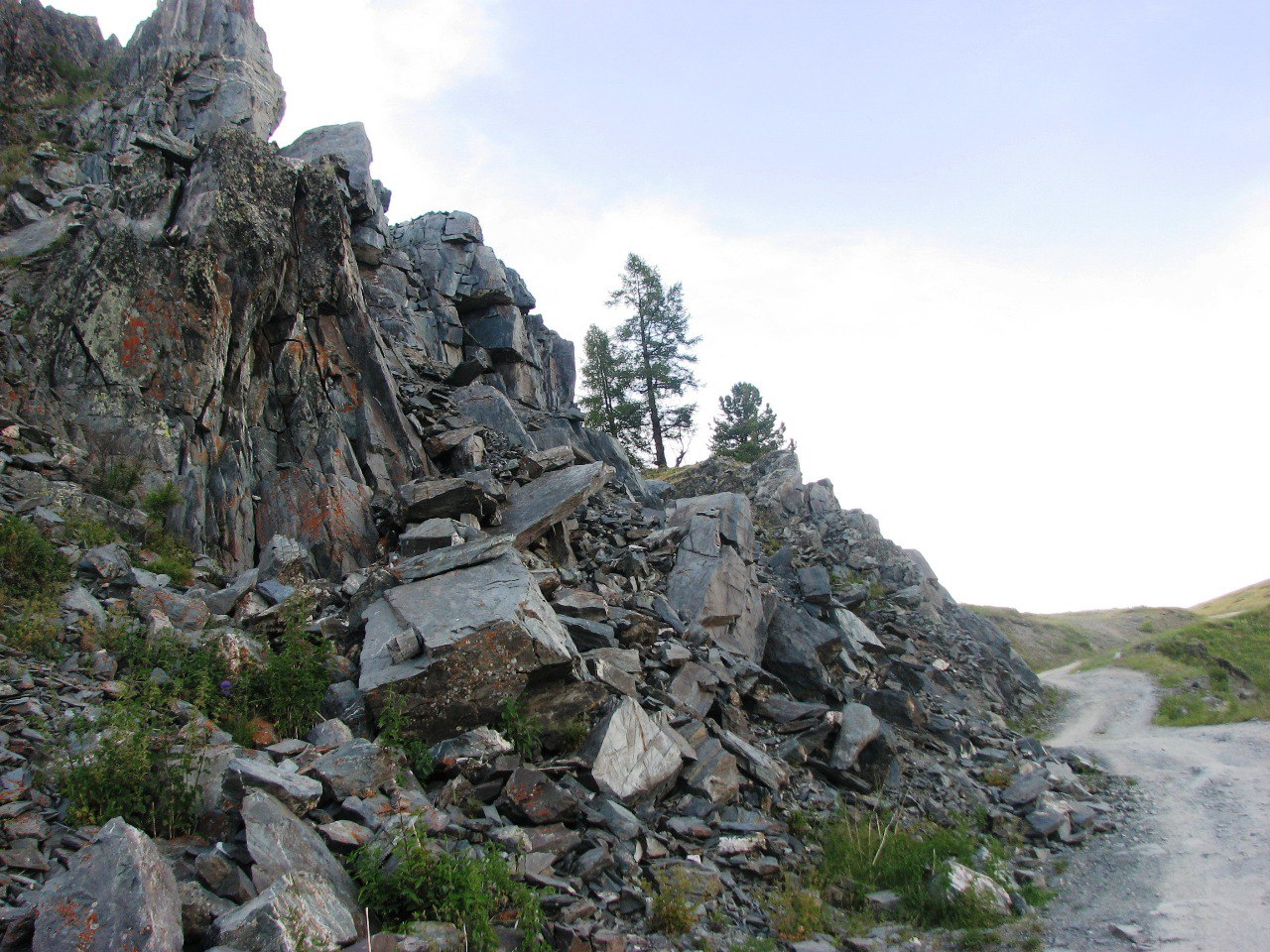
Image: TCA/Yulia Chernyavskaya
The Road’s Origins in War and Captivity
Though few know it, this scenic mountain route has deep strategic and historical roots. Long before the 20th century, locals used it as a trail for horses and carts. But by the early 1900s, the Russian Empire decided to formalize the path, partly due to the road’s proximity to the Chinese border.
Between 1914 and 1916, the road was reconstructed, largely by Austrian prisoners of war, mainly ethnic Czechs, Slovaks, Hungarians, and Galicians, captured during World War I. According to Vienna-based historian Lana Berndl, who has conducted extensive research on the topic, roughly 800 prisoners were transported from Austria via St. Petersburg and Omsk to the Irtysh River and then forced to march to the village of Altai (now Katon-Karagai). Around 600 reached their destination.
Construction began simultaneously from Katon-Karagai and Alekseevka. Despite working only in the warmer months, the prisoners built a road whose difficulty rivals Alpine passes. During the harsh winters, many worked on local farms and integrated into village life. Some even married and remained in Kazakhstan permanently.
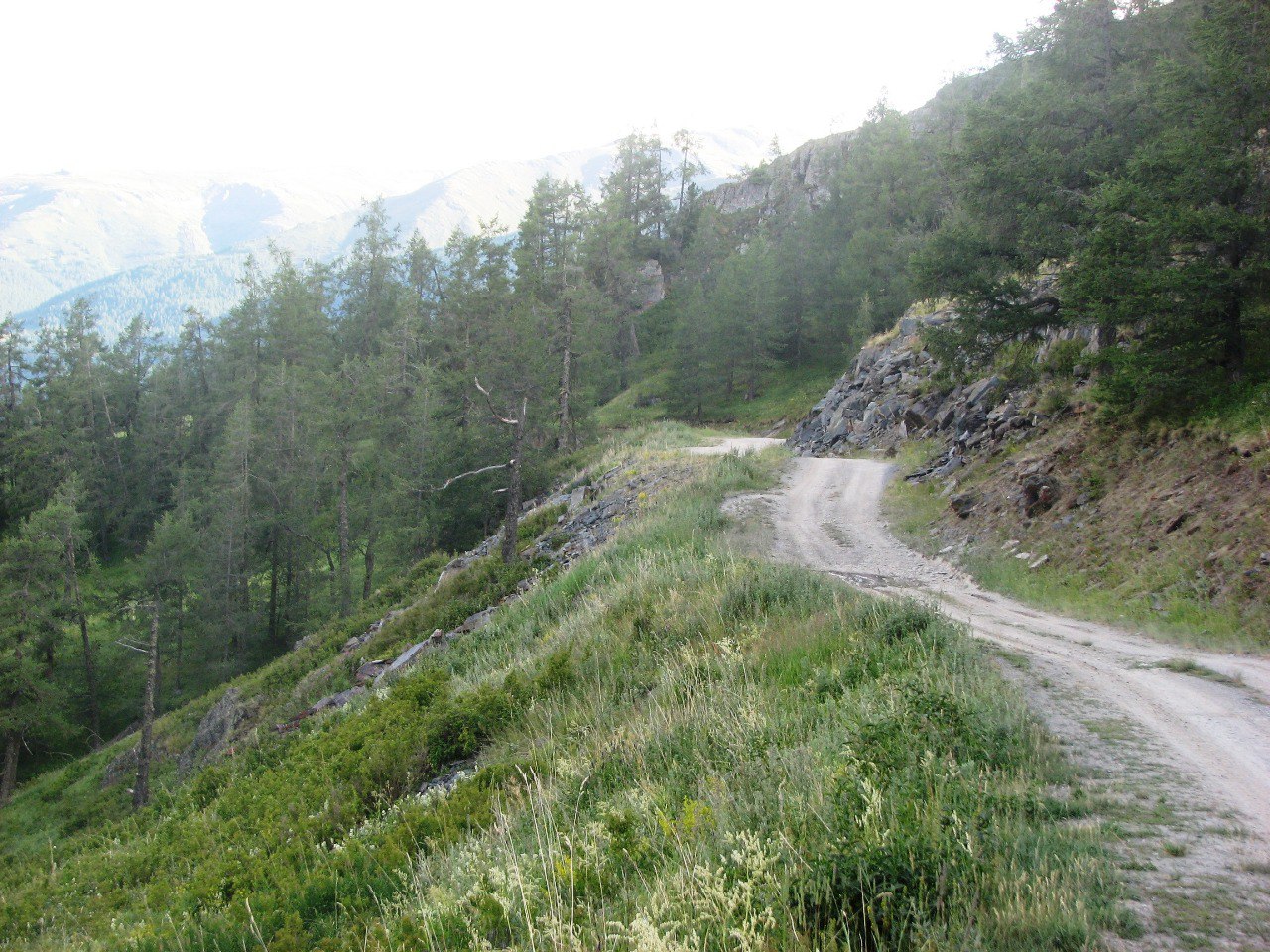
Image: TCA/Yulia Chernyavskaya
Tragically, several were later repressed during Stalin’s purges. Among them was Ludwig Fritzen, a Hungarian prisoner who stayed, married a local woman, and was executed in 1937 after being accused of espionage.
Remnants of this history remain: roughly 30 graves with Gothic-scripted crosses can still be found in old cemeteries throughout the region, silent testimonies to those who built the road under extreme duress.
Film Rekindles Forgotten History
In 2016, Austrian filmmaker Ruslana Berndl released a documentary titled The Austrian Road, which brought global attention to the forgotten story. She first learned about the road from a brief mention in a German travel guide that described it as “not for the faint-hearted” and built by Austrian POWs.
Intrigued, Berndl, then a doctoral student at the University of Vienna’s Institute of History, traveled to Kazakhstan. Her documentary, based on interviews with descendants, local elders, and on-the-ground research, was screened in Austria, Germany, Switzerland, Greece, and cities across Kazakhstan, including Almaty, Ust-Kamenogorsk, and Altai (formerly Zyryanovsk).
Berndl noted the difficulties in uncovering the truth. “There is no specific list of those who built the road. Some records exist, but access to the NKVD and KGB archives remains restricted,” she said during a 2016 screening.
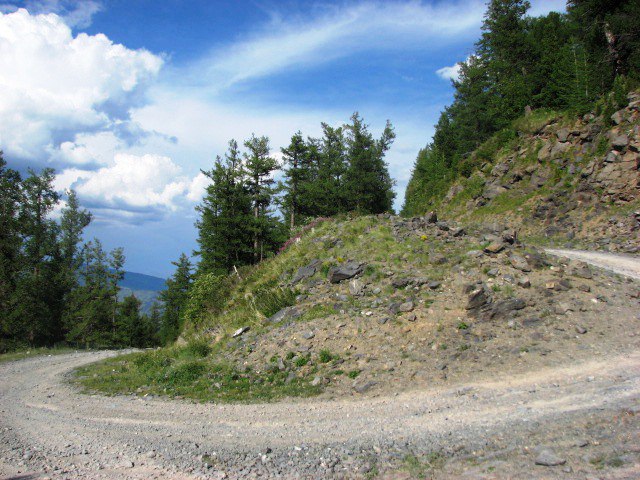
Image: TCA/Yulia Chernyavskaya
Her film managed to reveal the identity and fate of Ludwig Fritzen, one of the road’s builders, and helped raise broader awareness. Following its release, interest in the road surged dramatically. At the time, rumors even circulated that Arnold Schwarzenegger’s great-grandfather may have been among the prisoners involved in its construction.
A Journey Through Nature and Memory
The Old Austrian Road is not only a historical monument but also one of Kazakhstan’s most stunning natural routes. It winds past Lake Markakol, the Kara-Koba River, and the Burkat Pass (2,141 meters), offering sweeping views of the Bukhtarma Valley. Adventure travelers describe it as a place where history and nature collide in breathtaking fashion.
“It’s something inside you,” said Olga and Igor Chernenko, frequent visitors to the road. “It’s not just a road, it’s the breath of the earth. You feel like you’re driving into the past. One mistake, and you’re looking at cliffs and ravines. It’s fear and admiration at the same time.”
With renewed attention from tourists and historians alike, the Old Austrian Road stands as a rare fusion of natural beauty and poignant historical memory, one that continues to challenge, inspire, and endure.