On February 2, Kyrgyzstan’s parliamentary committee on ecology and environmental protection convened to hear reports from senior officials on the worsening air pollution and winter smog in the capital.
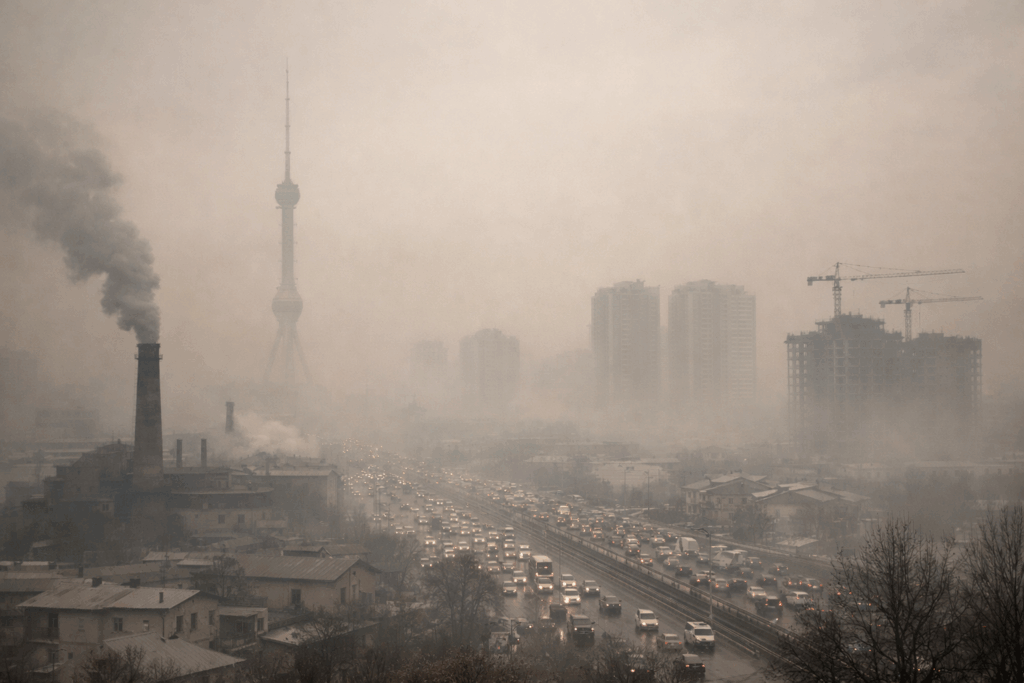
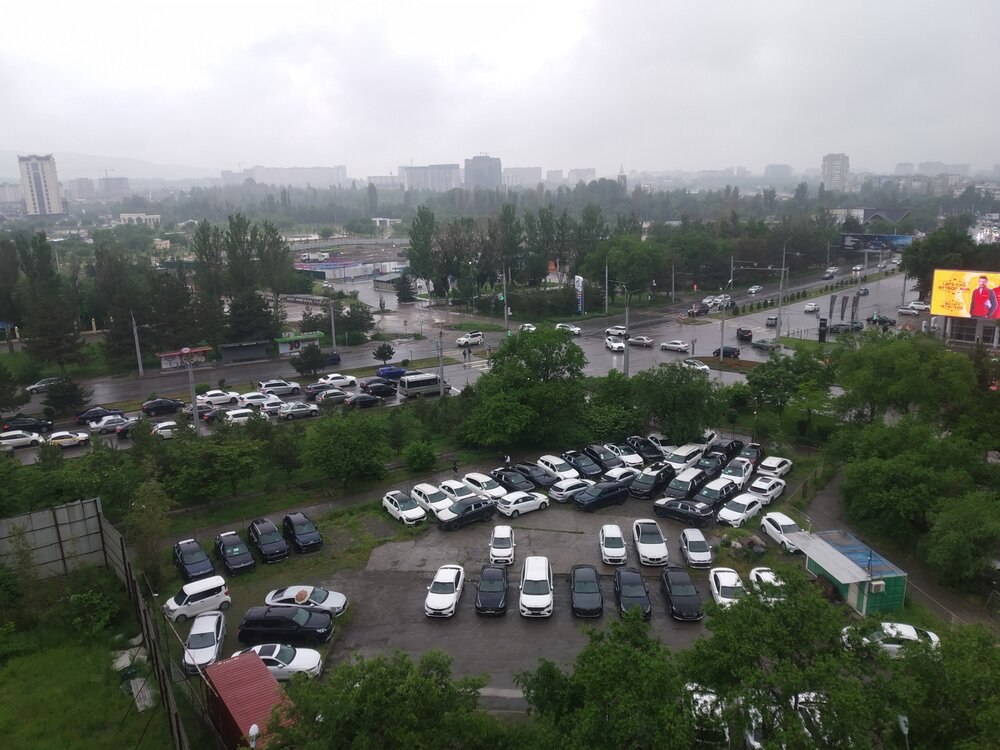
Air pollution remains a chronic challenge in Bishkek, a city of over one million residents. Conditions worsen sharply in winter, when widespread coal burning for heating and emissions from an aging vehicle fleet accumulate in the city’s basin-like topography. Bishkek consistently ranks among the world’s 10 most polluted cities on IQAir’s global air quality index. In January 2026 alone, the city appeared in the top five on at least eight separate days.
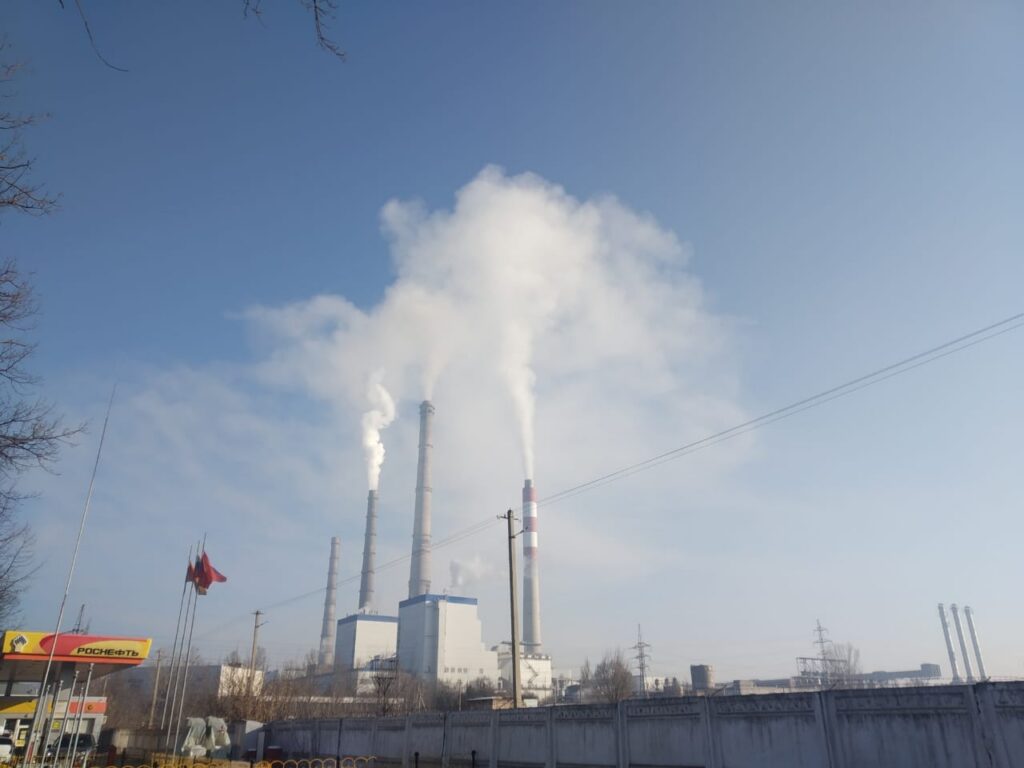
Minister of Natural Resources, Ecology, and Technical Supervision Meder Mashiev told lawmakers that the primary sources of pollution are household coal burning (40%), vehicle emissions (30%), the city’s coal-fired thermal power plant (15%), wind-blown dust (13.5%), and industrial activity (1.5%).
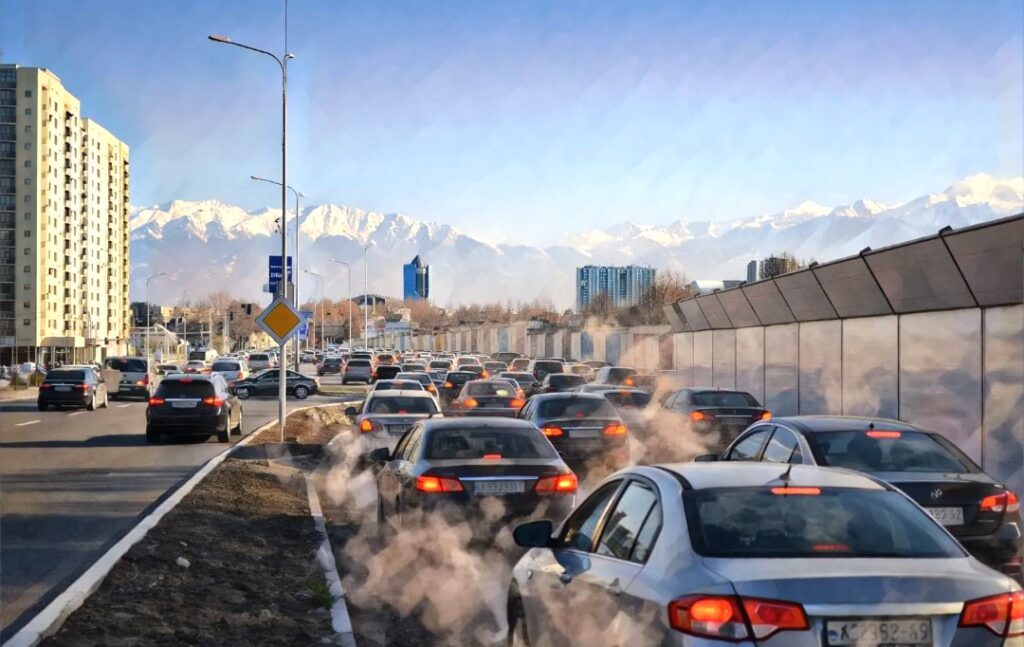
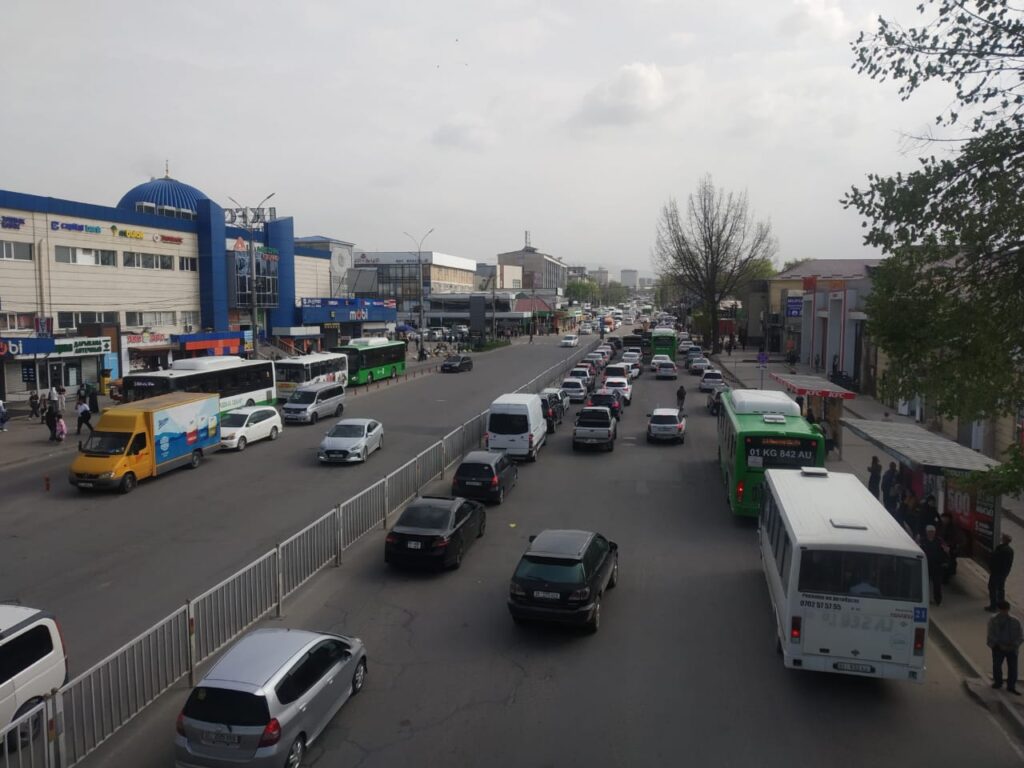
Mashiev underscored that vehicle emissions are a particularly significant contributor to the city’s smog.
According to Mashiev, Kyrgyzstan has more than 1.9 million vehicles, a 13% increase compared to 2024. Of these, 972,000 run on gasoline, 339,000 on diesel, 56,900 on gas, and 37,000 are hybrids. Electric vehicles make up just 0.8% of the total, numbering around 15,200.
An estimated 600,000-700,000 vehicles, more than 30% of the national total, are located in Bishkek. More than half are over 15 years old, contributing significantly to harmful emissions.
Jarkynbek Kasymbekov, Director of the National Institute of Public Health, outlined the health implications. He reported a 2.5-fold increase in allergic rhinitis cases nationwide, particularly among young people, a trend he linked directly to poor air quality. While long-term studies are lacking, the rise in respiratory illnesses is well documented.
Mashiev highlighted several measures taken in 2025 to address the crisis. Fifty-four residential areas in Bishkek were connected to natural gas, enabling more than 51,000 households to switch from coal heating. This transition is estimated to have reduced coal consumption in the capital by 100,000 tons.
He also reported the long-awaited extinguishing of Bishkek’s decades-old smoldering landfill. A new waste-to-energy facility has been launched at the site, now generating electricity by incinerating solid waste.
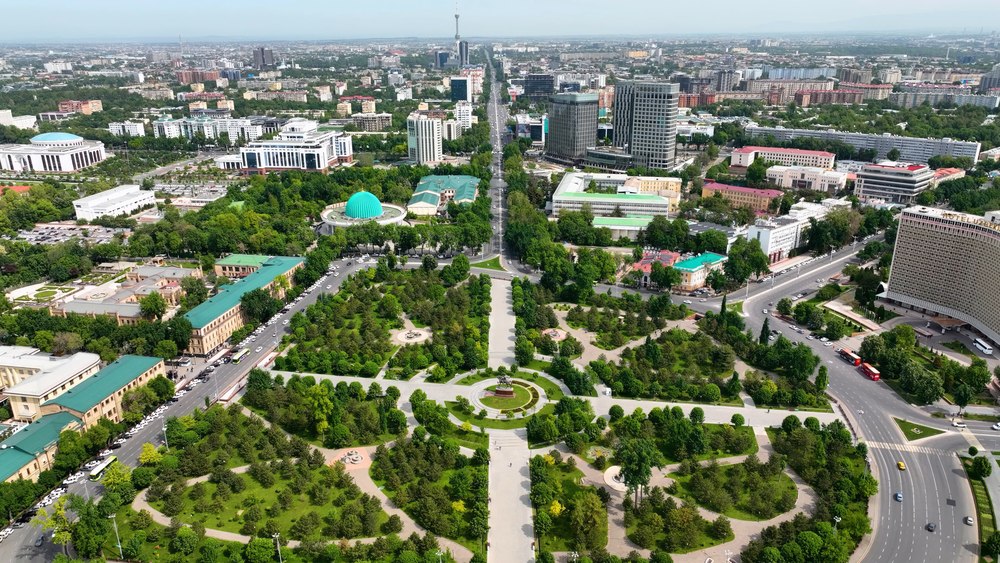
Additional efforts are underway to modernize urban transport and expand green spaces.
“Work is currently underway to transition to environmentally friendly transport. A total of 1,447 gas-powered eco-buses and 120 electric buses now operate in Bishkek. There are already more than 100 electric charging stations in the city, and over 2,000 applications for new stations are under review,” Mashiev said.
Bishkek Mayor Aibek Junushaliev added that 18,000 trees were planted in the capital last year, with plans to plant another 50,000 in 2026.
Parliamentary committee chairman Bakyt Tentishev raised concerns about vehicles operating without catalytic converters. Kyrgyzstan is preparing to tighten environmental regulations on motor vehicles. A draft law currently under public discussion would mandate the presence and functionality of catalytic converters in vehicles originally manufactured with them. The absence of these devices significantly increases toxic emissions and fuel consumption, posing direct risks to public health.