The International Atomic Energy Agency (IAEA) has released a new Strategic Master Plan extending its cooperation with Kyrgyzstan, Tajikistan, and Uzbekistan, alongside international partners, for the remediation of uranium legacy sites in Central Asia through 2030, according to World Nuclear News.
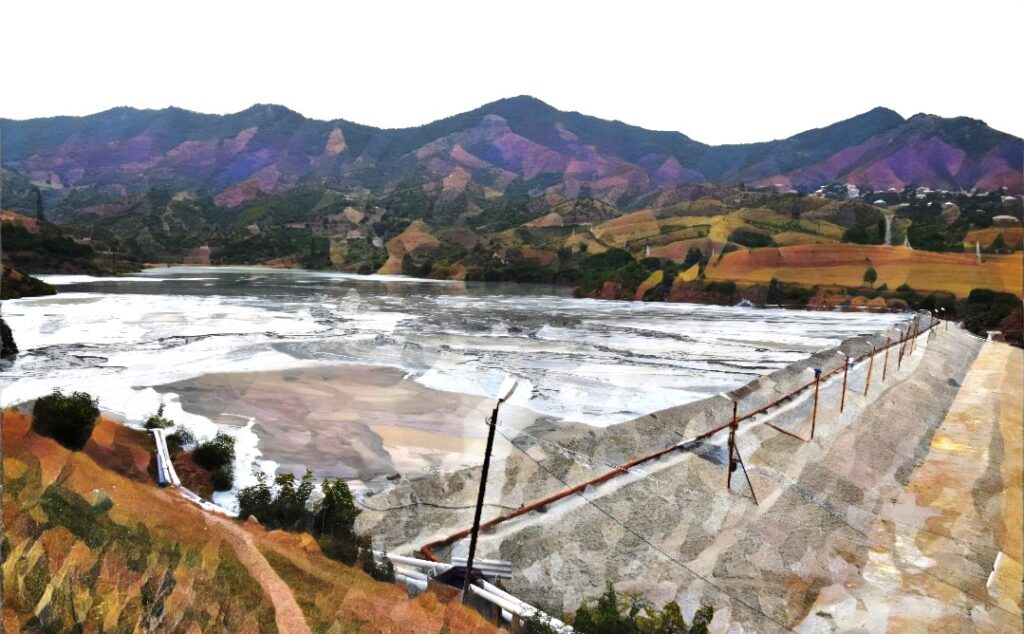
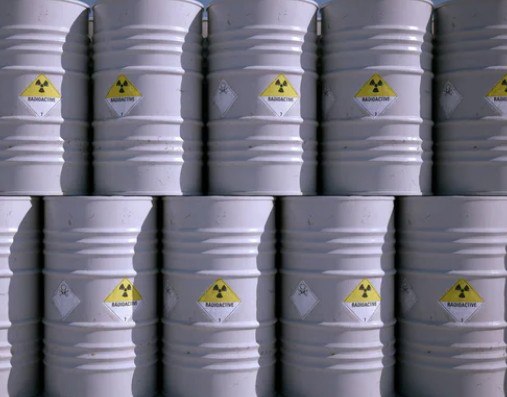
Central Asia served as a key uranium source for the former Soviet Union, with mining and processing conducted over more than 50 years. In addition to local production, uranium ore was imported for processing, leaving vast amounts of radioactive waste stored in tailings and mining dumps. Most sites were shut down by 1995, but limited remediation both pre- and post-closure, has left behind long-term environmental and public health risks, including the threat of groundwater and surface water contamination in agriculturally vital areas.
Since 2012, the IAEA’s Coordination Group for Uranium Legacy Sites has supported Central Asian countries with expert missions, legal and regulatory framework development, and remediation strategies. In 2017, the IAEA, the European Commission, the European Bank for Reconstruction and Development, the CIS Economic Council, and the governments of Kyrgyzstan, Tajikistan, and Uzbekistan adopted a Strategic Master Plan. Published in May 2018, it identified seven former uranium sites as the highest priority, with initial remediation costs estimated at €85 million.
A revised plan was signed in September 2021, and the most recent version was presented in Tashkent in October 2025. It emphasizes long-term monitoring, maintenance, recordkeeping, and ongoing engagement with local communities to ensure the safe reuse of remediated land.
“The new plan, an extension of our collaboration since 2017, focuses on enhancing the regulatory, technical, financial, and human resources for the long-term management of the remediated sites, according to IAEA safety standards,” said Hildegarde Vandenhove, Director of the IAEA Division of Radiation, Transport and Waste Safety.
The updated plan puts the total cost of the Environmental Remediation Account programme at €113 million. This includes remediation work, project management, and contingencies. Since 2017, four of the seven high-priority sites have been fully remediated, two in Kyrgyzstan and two in Uzbekistan, while work continues at a fifth site in Kyrgyzstan. In Tajikistan, one site has been partially remediated, and another remains untouched.
Lower-priority sites are also covered under the new plan, with some funding secured through bilateral agreements with Russia. Sardorbek Yakubekov, Deputy Chairman of Uzbekistan’s Industrial, Radiation and Nuclear Safety Committee, said the programme “stands as a vivid example of how the collective efforts of the international community… can yield tangible and lasting results.”
As previously reported by The Times of Central Asia last December, Tajikistan still faces tens of millions of tons of radioactive waste from Soviet-era uranium mining, highlighting both the scale of the challenge and the critical need for sustained international support.