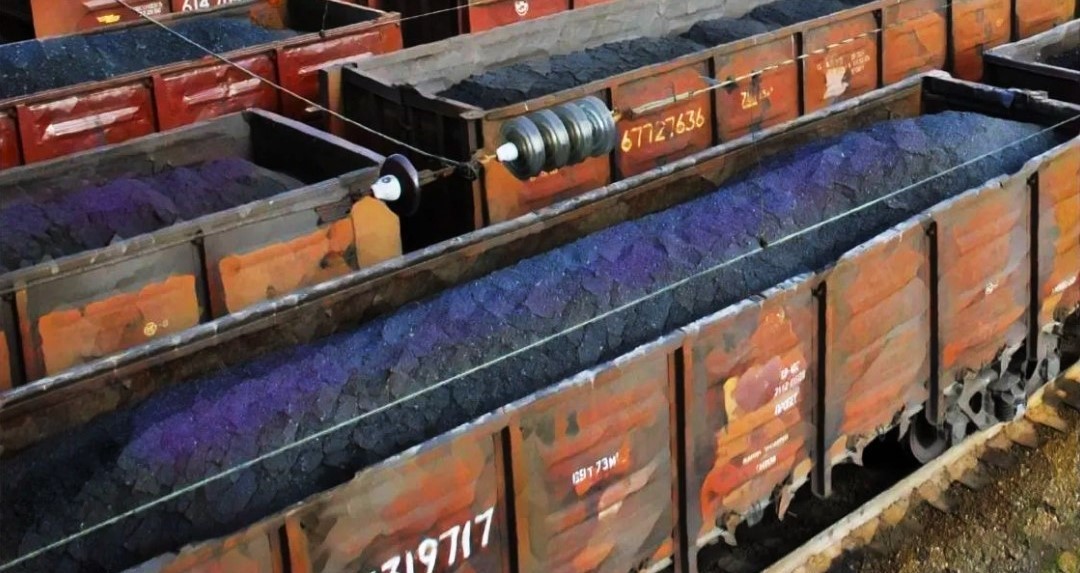
Transit shipments of Kazakh coal through Russia toward European markets fell by 97% in two months, from 1 million metric tons in August to 30,000 in October 2026. Russian Railways approved no requests to ship Kazakh coal to Baltic ports for October or November, despite an agreement that gives qualifying shipments priority. Kazakh economist Yernar Serik estimates that up to 3.5 million metric tons of coal exports, worth $400 million to $470 million, could be at risk by year-end.
The problems began in August, when shipments of Kazakh coal through Russia’s Black Sea port of Taman stopped. That left Baltic ports as the main maritime export route for Kazakh suppliers.
Serik put September shipments at about 500,000 metric tons. The remaining October shipments went by rail toward Belarus and Poland, bypassing Russia’s Baltic ports.
Priority Status That Failed to Secure Shipments
In November 2025, Kazakhstan and Russia signed an intergovernmental agreement on rail transit and cargo handling for exports to third countries. Under Russia’s rules on access to railway infrastructure, freight volumes agreed under such treaties qualify for the fourth priority category, a relatively high ranking when the railway allocates capacity.
On October 19, Kommersant reported that Russian Railways planned to cut October coal shipments to the Oktyabrskaya Railway in northwestern Russia by 80%. The newspaper obtained minutes of a Russian Transport Ministry meeting at which officials discussed the proposal. Its sources said suspending priority transit for Kazakh coal was also under discussion.
Disruptions to shipping through Russia’s Black Sea ports during the war in Ukraine have led exporters to redirect freight to the Baltic, where the rail lines approaching the ports have struggled to absorb the extra traffic. Russian coal producers also face limits. The energy consultancy NEFT Research said the railway capped November coal shipments to Ust-Luga at 55% of the route’s capacity. Russia has announced no formal ban on Kazakh coal transit. Russian Railways has declined to comment on its plans for individual routes.
How Much Could Exporters Lose?
In 2025, Kazakhstan transported 11.7 million metric tons of coal through Russia to third countries, an increase of 27% from the previous year. The October 19 report put shipments in the first half of 2026 at 6.7 million metric tons, up 34% year over year. Serik estimated growth at 20% for the same period.
According to the pricing agency Argus Media, Kazakhstan shipped 4.7 million metric tons of coal through Ust-Luga and 2.6 million through Taman between January and July. Both ports handled shipments primarily for markets in Europe and Türkiye.
Serik calculated the potential shortfall using August’s shipping volume as the monthly benchmark for the rest of the year. He assumed an export price of $115 to $135 per metric ton. The estimate represents the potential value of shipments that may not take place. The actual loss to producers depends in part on how much coal they can sell in other markets and what it costs to reroute it.
“In effect, Russia is not directly banning Kazakh coal exports. But restricting rail transit produces virtually the same result: the product exists, the buyer exists, but delivering it becomes impossible,” Serik said.
Costs are rising for suppliers that retain access to the ports. Serik put coal handling charges at Ust-Luga at $19.80 per metric ton, about 150% higher than in July.
NEFT Research reported that in early October, northwestern Russian ports charged $15 to $25 per metric ton to handle coal. The Price Benchmark Center estimated that the average cost of handling coal at Baltic ports rose 65% from September to October. For Kazakh exporters, transportation already accounts for a substantial share of the delivered cost of coal. Higher charges could make some contracts unprofitable.
Why Export Statistics Have Yet to Show a Decline
Kazakhstan’s railways carried 86.7 million metric tons of coal between January and October 2026, up 1% from the same period in 2025, according to the Ministry of Transport. Export shipments totaled 28 million metric tons, virtually unchanged from a year earlier. Of the 58.6 million metric tons shipped domestically, most went to combined heat and power plants. The rest supplied households and municipal users.
The ten-month statistics include shipments made before the sharp decline in Baltic transit, as well as deliveries to neighboring countries that do not require access to Russian seaports. These figures measure the volume dispatched and do not establish how much coal reached foreign buyers under individual contracts.
In 2025, Kazakhstan produced about 115.9 million metric tons of coal and exported around 30 million. Russia was the largest buyer, importing about 16.6 million metric tons, and the main transit route for Kazakh coal bound for third countries.
Why Alternative Routes Cannot Easily Solve the Problem
Redirecting several million metric tons of coal to other markets in a short period would be difficult. Eastern railway routes already handle substantial freight volumes bound for China and other Asian countries. Increasing shipments would require additional railcars, route approvals, and new sales contracts.
The Trans-Caspian International Transport Route, commonly known as the Middle Corridor, connects Kazakhstan with Azerbaijan, Georgia, and European markets. Transporting coal along this route would require rail delivery to the Caspian Sea, port handling, a maritime crossing, and onward transportation through the Caucasus.
Each additional transfer increases delivery costs. For a bulk commodity with a relatively low value per metric ton, those expenses could make the route uneconomical. Kazakh coal exporters would also have to compete for transportation capacity with exporters of grain, metals, and other commodities.
Market participants cited by Serik say restrictions on the Russian route could persist into the first quarter of 2027. This could delay deliveries to customers in Türkiye and European countries, including Poland and the Netherlands. Prolonged disruptions could prompt buyers to revise contracts and seek alternative suppliers.
Domestic demand for coal is expected to rise in Kazakhstan. In March, the government approved a national project to develop coal-fired power generation through 2030, with investment of at least $15.5 billion. It calls for eight new power facilities and upgrades to 11 existing power plants, covering 7.8 gigawatts of generating capacity in all.
The government projects that by 2030, the plants will need an additional 20 million metric tons of thermal coal a year. Plans to meet that demand include expanding the railcar fleet and modernizing railway infrastructure.