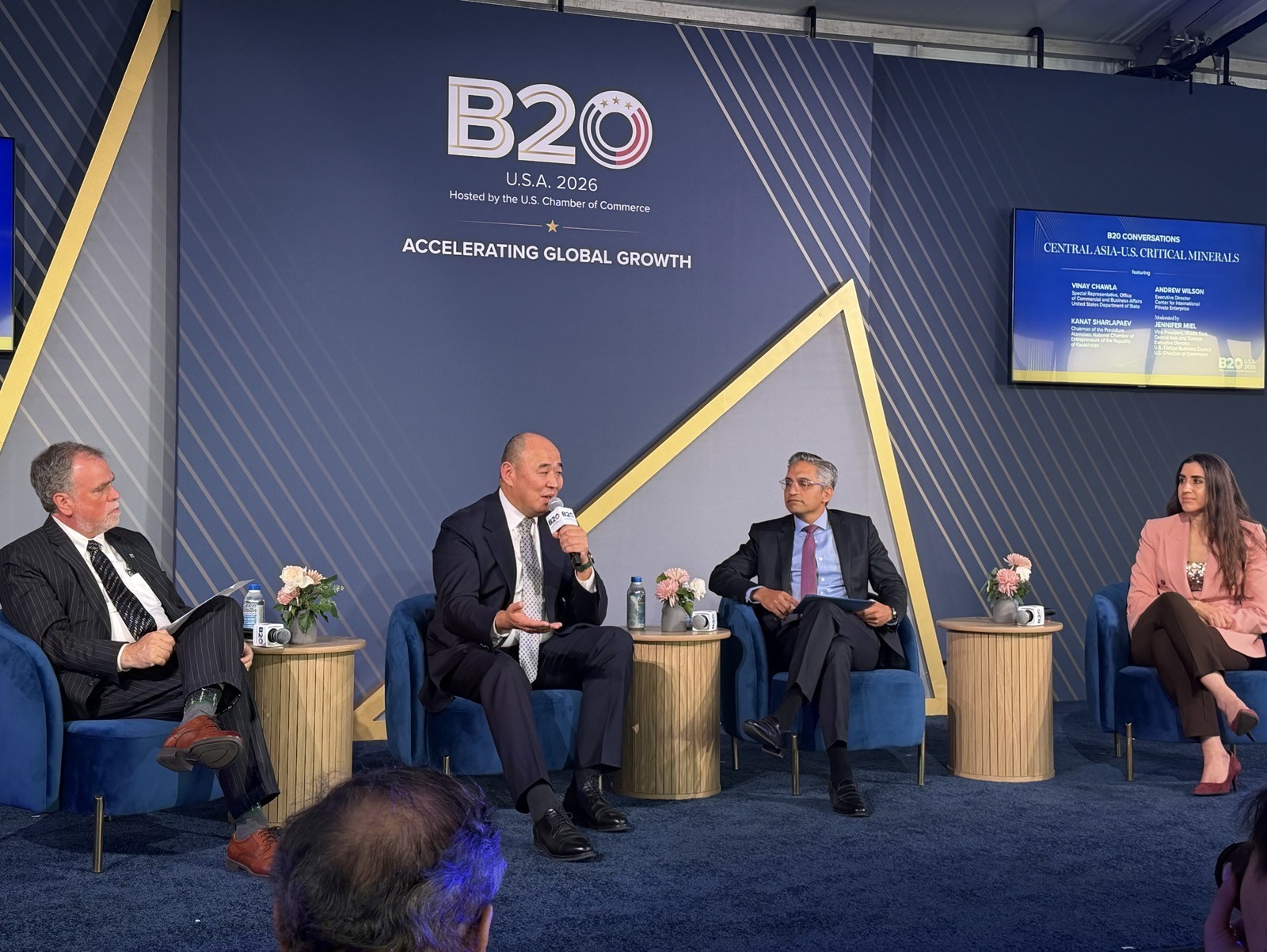
Kazakhstan already produces materials central to U.S. critical minerals supply chains, from uranium used by American nuclear power plants to titanium supplied to major aerospace manufacturers, Kanat Sharlapayev told the B20 USA Summit in Washington on November 10.
“We’re not just resource-rich; we’re a processing country,” said Sharlapayev, chairman of the presidium of Kazakhstan’s Atameken National Chamber of Entrepreneurs.
Sharlapayev identified four advantages for attracting U.S. investment: substantial mineral resources, investor protections, established transport infrastructure, and a skilled domestic workforce.
The discussion, moderated by Jennifer Miel, vice president for the Middle East, Central Asia and Türkiye at the U.S. Chamber of Commerce, also featured Vinay Chawla, the U.S. State Department’s Special Representative for Commercial and Business Affairs, and Andrew Wilson, executive director of the Center for International Private Enterprise (CIPE).
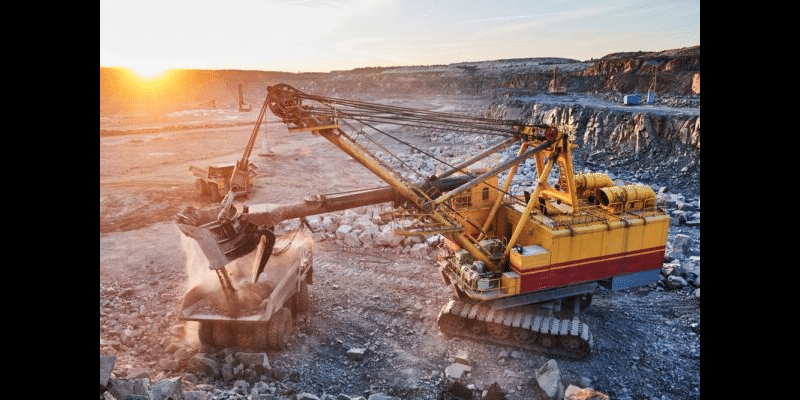
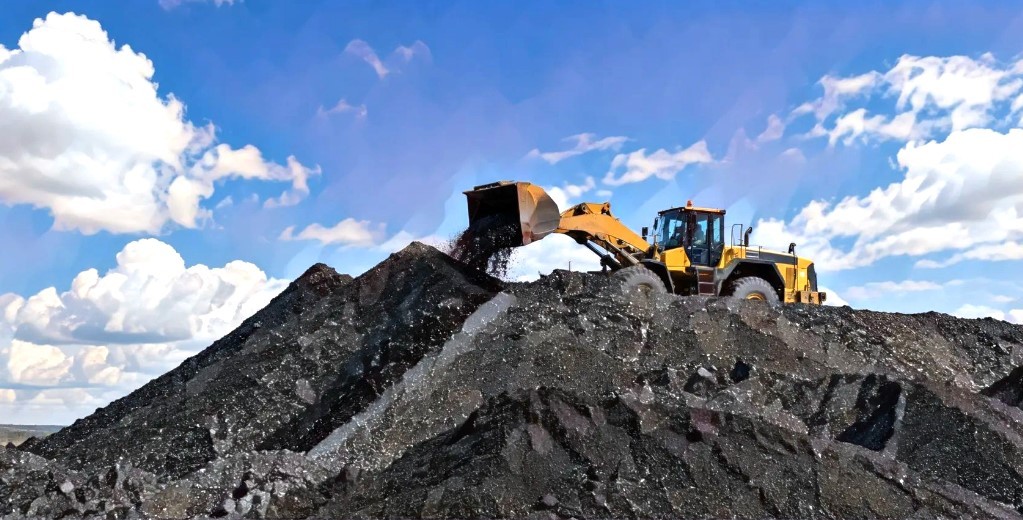
Kazakhstan is a major producer of uranium, copper, zinc, lead, and ferroalloys. Sharlapayev highlighted the country’s importance to the U.S. nuclear fuel supply, saying that approximately a quarter of the uranium supplied to the United States comes from Kazakhstan. According to the U.S. Energy Information Administration, Kazakh-origin uranium accounted for 28% of deliveries purchased by American civilian nuclear power plant operators in 2025, second only to Canada, as previously reported by The Times of Central Asia.
Kazakhstan also accounts for approximately 20% of the global aerospace titanium market, according to the Kazakh government. Its Ust-Kamenogorsk Titanium and Magnesium Plant is an approved supplier to manufacturers including Boeing, Airbus, Safran, and Rolls-Royce. Sharlapayev also cited the country’s capabilities in producing high-purity manganese sulfate, a material used in battery manufacturing.
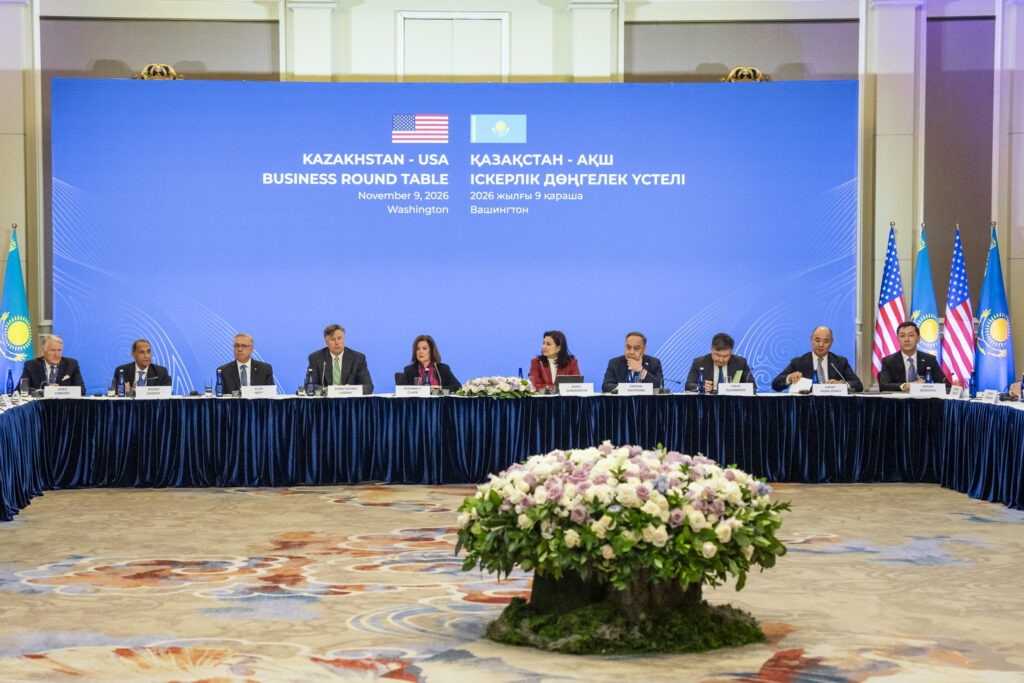
At a separate Kazakhstan–U.S. business roundtable on November 9, Sharlapayev cited PepsiCo and Wabtec as examples of manufacturing investment extending beyond the country’s traditional commodity industries.
Kazakhstan’s Subsoil and Subsoil Use Code, adopted in 2017, introduced a licensing system influenced by Western Australian practices. Sharlapayev emphasized the importance of protecting companies’ exploration rights as they move toward developing the deposits they discover.
Sharlapayev said 23,000 kilometers of railway lines crisscross Kazakhstan, giving mining operations access to established transport routes for moving extracted minerals to processing facilities and export markets.
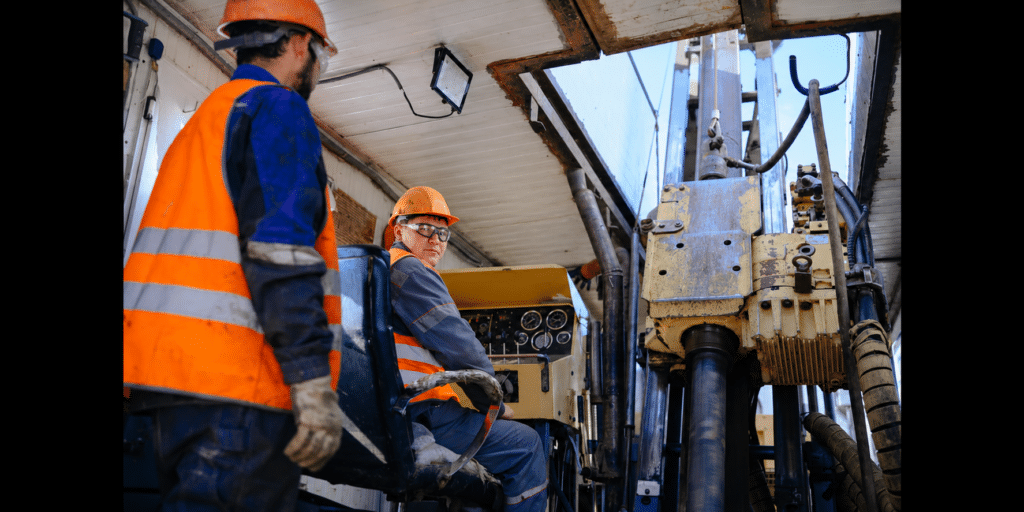
He also said Kazakhstan produces approximately 3,000 geologists and mining engineers annually, a substantial number for a country of roughly 20 million people. Kazakhstan’s mines are staffed overwhelmingly by local professionals, with very few expatriates, he added.
Financing Mining and Processing Projects
Chawla acknowledged Kazakhstan’s existing mining rules, while emphasizing the importance of “contracts that are honored, predictable licensing, and rules that don’t change after the money arrives” for investment across Central Asia.
He argued that capital was not necessarily the main obstacle to developing critical minerals projects. Reliable pricing and long-term purchasing commitments were also needed to make investments commercially viable.
Chawla said the United States supports processing in Central Asia and suggested that guaranteed payments for processing capacity could help make projects bankable.
He cited the $1.8 billion Orion Critical Mineral Consortium, backed by the U.S. International Development Finance Corporation, Orion Resource Partners, and Abu Dhabi’s ADQ.
The consortium targets mineral assets already producing or approaching production. Chawla identified Central Asia as a potential destination for such investment.
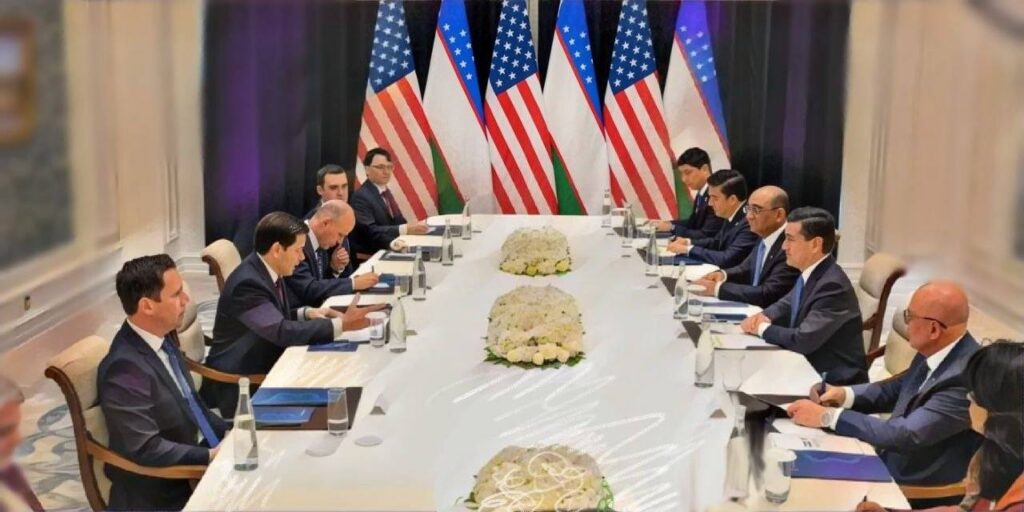
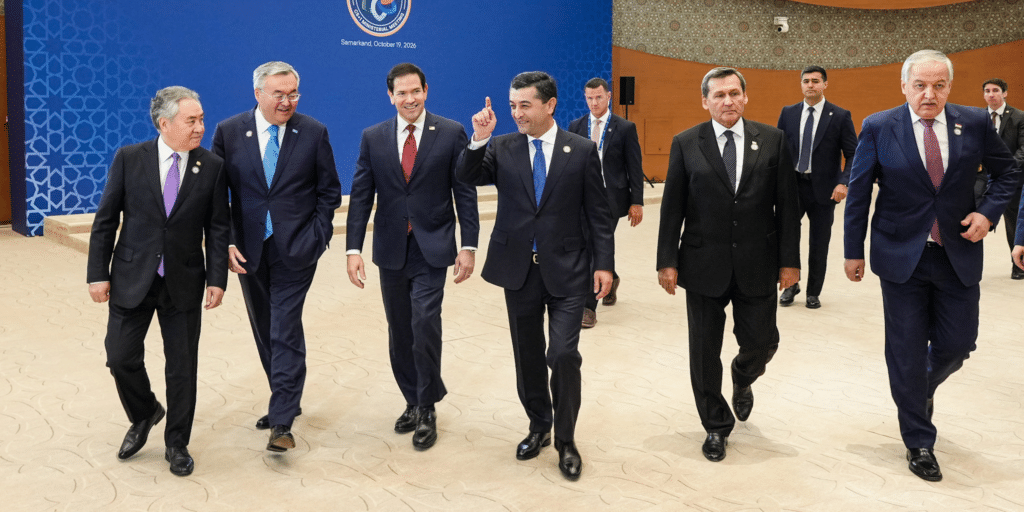
Referring to the agreements announced in Samarkand, Uzbekistan, in October, Chawla said: “Ultimately, those were agreements, and I would admit that an agreement is not a shipment of minerals. Our job now is financial close.”
Chawla also highlighted the Trans-Caspian corridor and the proposed Trump Route for International Peace and Prosperity through Armenia as complementary routes that could improve access to European markets for Central Asian minerals.
Wilson, whose organization is a U.S. Chamber of Commerce affiliate and one of the National Endowment for Democracy’s four core institutes, identified several obstacles to mining investment across Central Asia. Much of the geological information held by regional governments is outdated, while smaller mining companies struggle to finance drilling and feasibility studies. Licensing procedures, stable fiscal terms, and timely government decisions also require attention, he said.
Wilson urged greater regional coordination on processing and transport through the B5+1 business dialogue, whose next regional forum is scheduled for April 20–21, 2027, in Dushanbe, Tajikistan.
“Reliability wins, and sustainability in the supply chain wins,” Sharlapayev said, arguing that dependable supplies should take precedence over price in developing diversified mineral supply chains.
“Mining is a slow business,” he said. “But if you don’t start today, there’s zero expectation that we’re going to get something out of it tomorrow.”
Asked what he wanted to see over the next 12 months, Sharlapayev called for faster exploration, financing, and production.
“Accelerate, accelerate, and accelerate.”