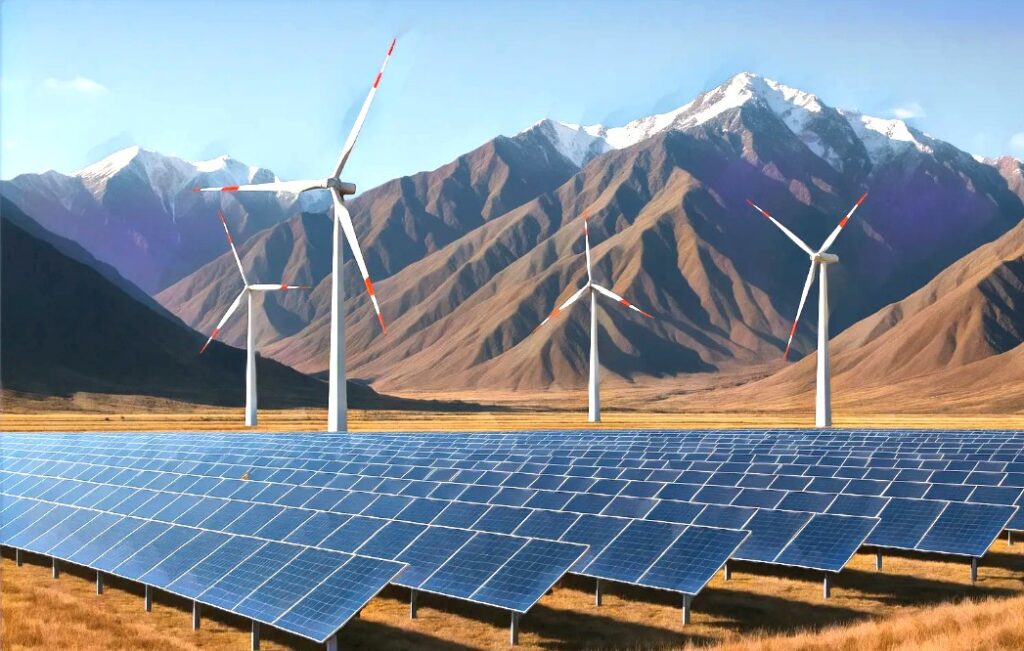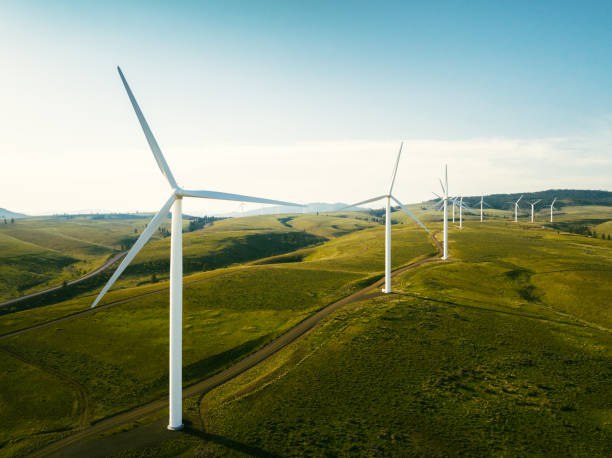
By the end of 2025, renewable energy sources (RES) accounted for 7% of Kazakhstan’s electricity generation, up from 6.43% the previous year. This modest but steady increase was driven by the commissioning of nine new RES facilities with a combined capacity of 503 MW, including wind, solar, and hydroelectric power plants.
While Kazakhstan still lags behind global leaders in the energy transition, it is considered one of Central Asia’s most institutionally structured and balanced markets for green energy development.
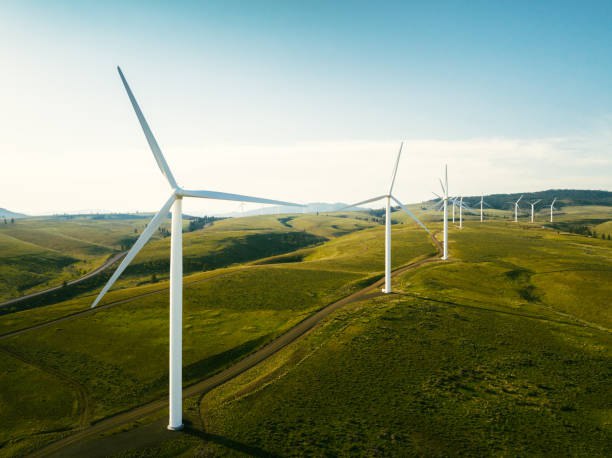
The country currently operates 162 renewable energy facilities with a total installed capacity of approximately 3.5 GW. The sector remains diversified: 67 wind farms, 49 solar power plants, 43 hydropower facilities, and three biogas stations contribute to the overall mix.
A key driver of Kazakhstan’s renewable energy expansion is its auction-based model for project selection, which enhances transparency and attracts private investment. Under the 2024-2027 plan, the government aims to deploy 6.7 GW of new renewable capacity, of which around 4 GW had already been allocated by December 2025. The participation of international players, including Total Eren, Masdar, China Power International Holding, and China Energy, has bolstered the sector’s technological and financial resilience.
In comparison, Uzbekistan has emerged as the region’s most dynamic renewable energy market, focusing on large-scale solar and wind projects led by foreign investors. Although the share of renewables in Uzbekistan’s energy mix remains below 10%, its annual capacity additions have outpaced Kazakhstan’s in absolute terms.
Unlike Kazakhstan’s market-based approach, Uzbekistan’s model relies more heavily on large, state-structured contracts, which speeds up implementation but limits competition and diversification. Total investment in Uzbekistan’s renewable sector is estimated at roughly $6 billion, with key backing from the European Bank for Reconstruction and Development (EBRD), the World Bank, and the International Finance Corporation (IFC).
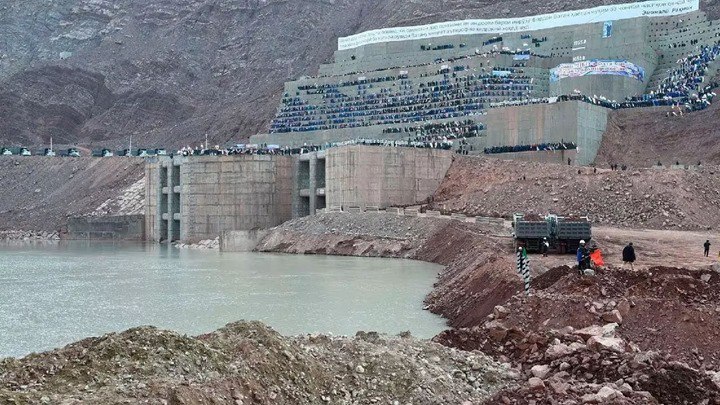
Kyrgyzstan and Tajikistan formally lead the region in renewable energy share due to their reliance on hydropower, which accounts for 80-90% of their electricity generation. However, this heavy dependence makes their energy systems highly vulnerable to seasonal and climatic fluctuations.
Turkmenistan remains the regional outlier, with a power sector almost entirely reliant on natural gas despite significant solar potential. Renewable projects there are limited and largely experimental.
In this context, Kazakhstan occupies an intermediate position, between the hydropower-heavy economies of Kyrgyzstan and Tajikistan and the fast-growing but centralized market of Uzbekistan. Its relatively low starting share in renewables is offset by a stable institutional framework, competitive project selection, and strong international participation.
Kazakhstan’s targets, to raise renewable energy’s share to 15% by 2030 and to 50% by 2050, are ambitious but feasible, provided green energy development remains aligned with investments in base-load generation.