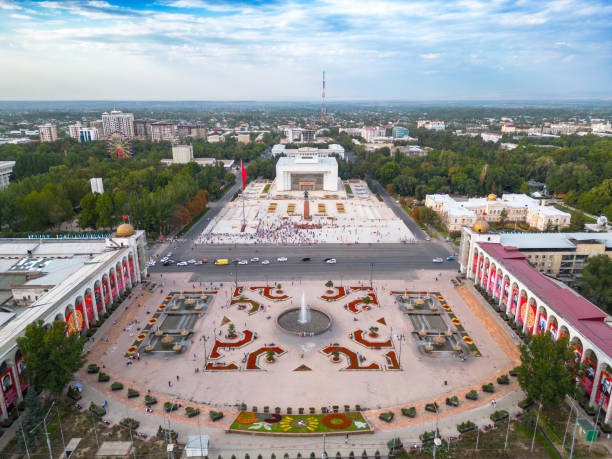
Kyrgyzstan must develop modern urban infrastructure and gradually move away from its predominantly rural development model, according to Nurdan Oruntayev, Director of the State Agency for Architecture, Construction, and Housing and Utilities.
Speaking to local media, Oruntayev emphasized the need for a strategic transition toward urbanization to drive economic growth and job creation.
Master plans for the development of the towns of Karakol, Manas, and Osh have already been approved. These include the construction of high-rise residential buildings, signaling a broader shift toward urban expansion.
“We must develop cities and move toward an urban infrastructure system. We must have megacities. The construction industry makes a significant contribution to the economy and provides jobs for many citizens,” Oruntayev said.
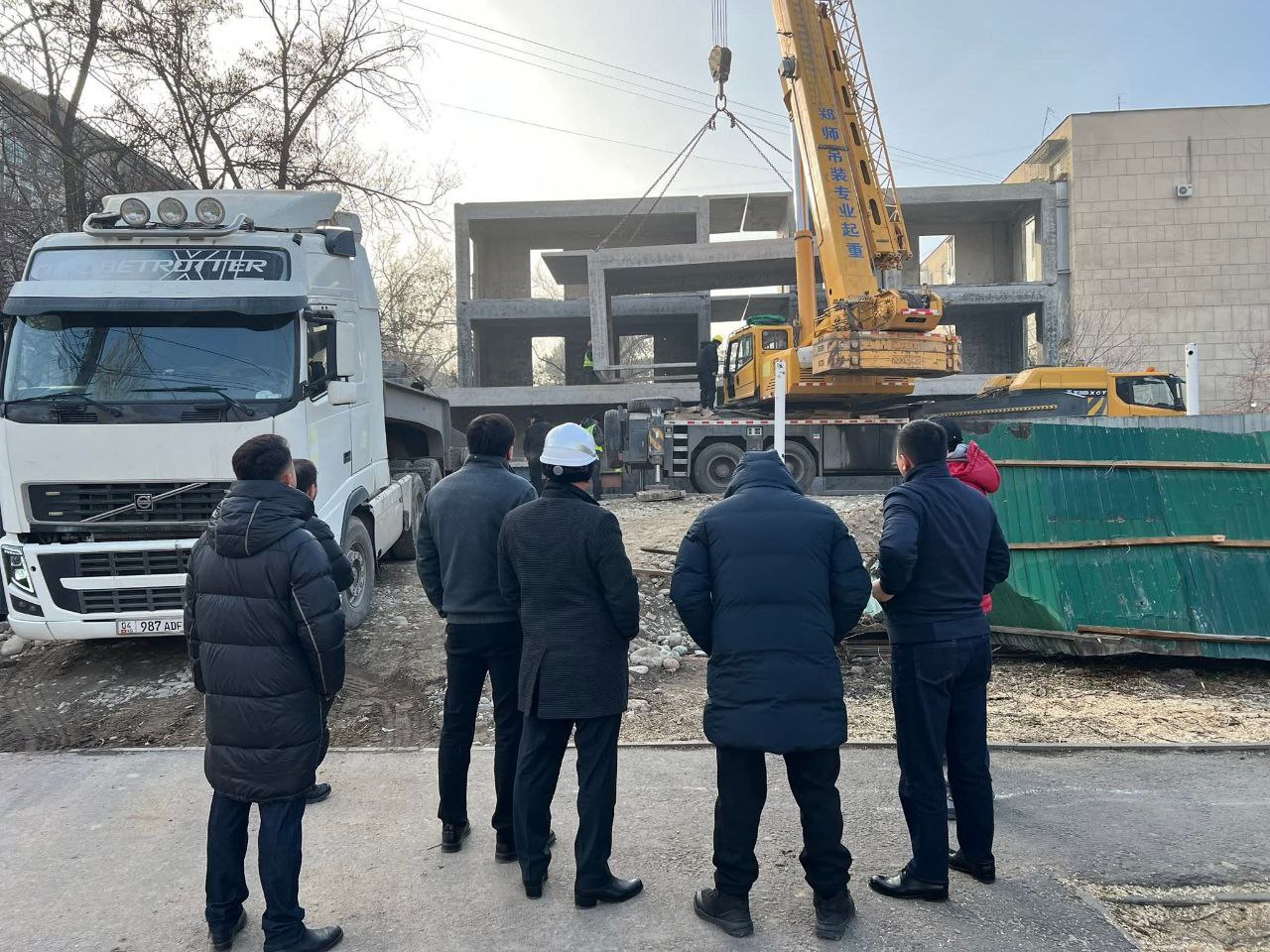
He noted that the average annual growth in real estate prices in Kyrgyzstan ranges between 20-30 percent, reflecting strong demand and rising investor interest. According to official data, construction has been a primary driver of economic growth in recent years, with GDP growth consistently exceeding 10 percent.
However, this rapid development has raised concerns among local communities. In an interview with the Times of Central Asia, Albina Alimova, a tour guide from Karakol, criticized the city’s master plan for ignoring input from the tourism sector, despite tourism being a key regional revenue source. She warned that unchecked construction was compromising the city’s historical character.
“New buildings are blocking historic sites and views. Karakol has streets with late 19th-century stonework, old merchant houses, and a museum. We take tourists there, in part for the mountain views. But all of this is gradually being built up, and the city’s former appearance may be lost,” she said.
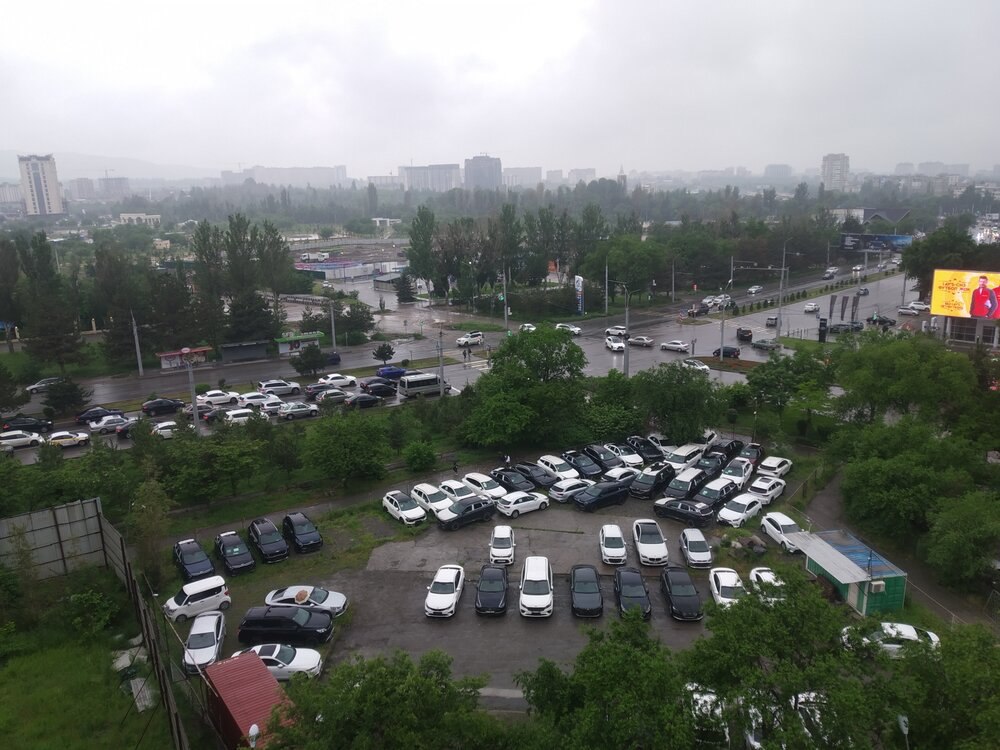
Similar concerns have emerged in Bishkek, where city authorities are preparing a renovation program that would replace older buildings with high-rise developments. Residents say the city’s growing density has disrupted natural wind patterns and worsened environmental conditions. The capital’s master plan, developed with input from St. Petersburg-based urban planners, also flagged excessive building density in some districts as a key issue.