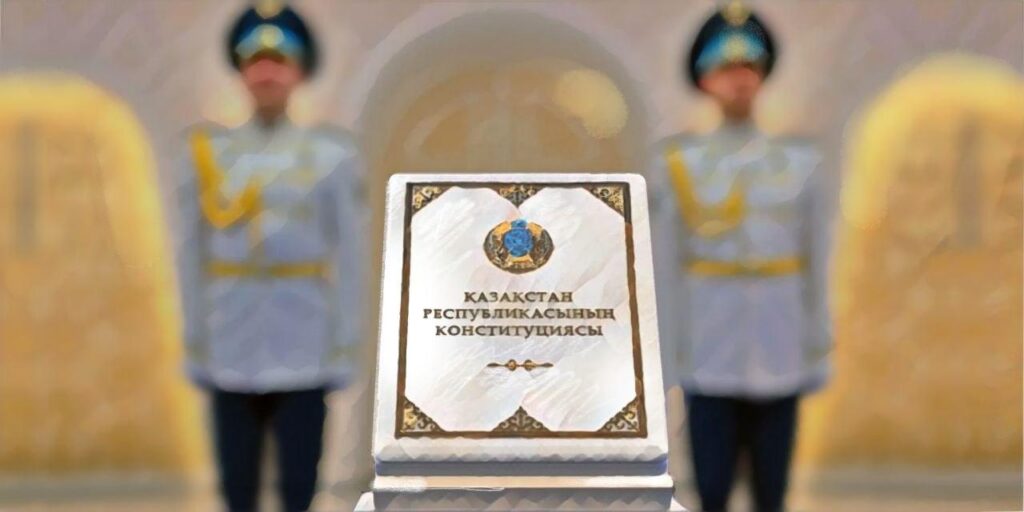
Kazakhstan’s Central Referendum Commission has announced the official results of the nationwide vote on the draft of a new constitution. According to the commission, voter turnout reached 73.12%, with a total of 9,127,192 citizens participating. Preliminary results show that 7,954,667 voters or 87.15%, supported the proposed amendments. A further 898,099 citizens voted against, while 146,558 ballots were declared invalid.
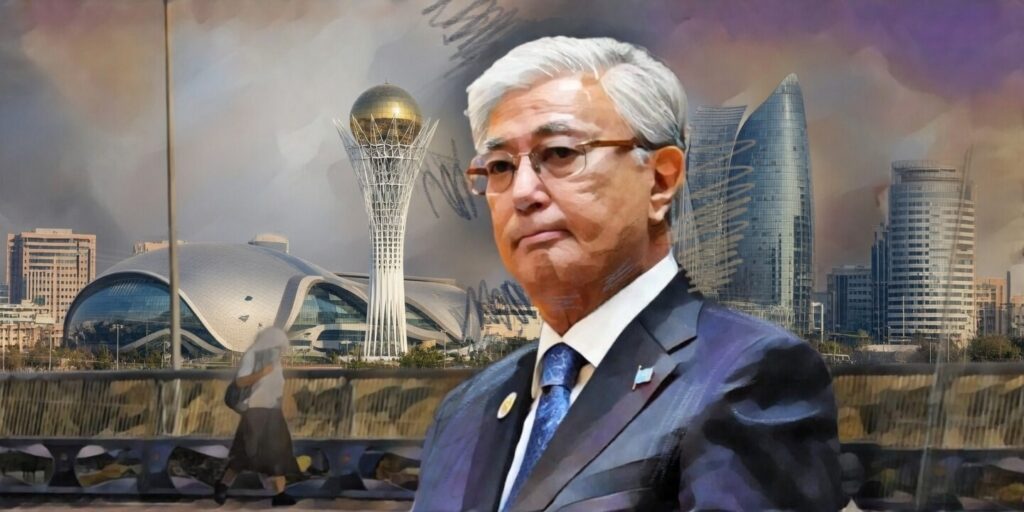
On 15 March Kazakhstan held a national referendum, proposed by President Kassym‑Jomart Tokayev, on whether to adopt a new constitution. The draft constitution introduces major institutional reforms, including replacing the country’s bicameral parliament with a single chamber, restoring the post of vice-president (abolished in 1996), and creating a new People’s Council (Kurultai) with powers to initiate legislation and referendums.
The reforms also allow the president to appoint key officials, and redefine some constitutional provisions, including the definition of marriage. Critics say the changes could strengthen presidential authority and potentially affect future term limits.
Regional voting patterns reveal several notable trends.
First, Pavlodar region recorded the highest level of support, with 94.14% of voters backing the amendments. Traditionally, Kazakhstan’s northern regions have demonstrated more moderate support for decisions initiated by the central authorities. This tendency was reflected in the Karaganda and North Kazakhstan regions, where support stood at around 83%.
Second, two western regions, Aktobe (93.96%) and Mangistau (93.40%), also showed some of the strongest support for constitutional reform. Mangistau was widely regarded during the era of former president Nursultan Nazarbayev as one of the country’s most protest-prone areas. The unrest in January 2022 began with a strike by oil workers in the city of Zhanaozen.
Third, residents of Almaty demonstrated a higher share of protest voting than those in the country’s other major cities, Astana and Shymkent, with nearly 30% voting against the amendments. Voter turnout in Almaty reached 33.43%, significantly higher than the slightly more than 25% recorded during the 2024 referendum on the construction of a nuclear power plant. Among those who cast ballots in Almaty, 71.36% supported the 2026 constitution. In Astana and Shymkent, just over 86% voted in favor.
Turnout figures had already been analyzed a day earlier by Almaty-based political analyst Andrei Chebotarev on his Telegram channel. He cited preliminary data from the Central Referendum Commission indicating that 9,126,850 citizens, or 73.24% of the electorate, had participated in the vote.
Chebotarev compared these figures with turnout in previous referendums. He noted that 7,985,769 citizens (68.05%) took part in the referendum on constitutional amendments held on June 5, 2022, while 7,820,204 voters (63.66%) participated in the October 6, 2024 referendum on the construction of a nuclear power plant.
“It is evident that the increase in participation was primarily driven by the political significance of the referendum’s subject matter, namely, the draft of a new Constitution. The relatively frequent use of referendums in Kazakhstan over the past four years may also have contributed,” Chebotarev suggested.
Political analyst Daniyar Ashimbayev also highlighted the high turnout, noting that participation exceeded the 70% threshold for the first time.
He argued that the increase compared with previous referendums and elections was influenced by several factors, including the timing of the vote, an extensive information campaign, stricter measures against the spread of disinformation, and the organizational efforts of central and local authorities.
“We should also note the absence of a coordinated opposition campaign against the draft, as well as the fact that the 2026 Constitution was effectively competing with the 1995 Constitution as amended in 2022,” Ashimbayev said.
Political analyst Marat Shibutov likewise pointed to the high turnout.
“Participation is higher because citizens support the head of state’s reforms and are generally willing to engage in decision-making through referendums,” he said.
After polling stations closed across the country, Tokayev met with representatives of youth organizations who had actively participated in the referendum campaign. Tokayev announced that parliamentary elections would be held and that Kazakhstan would introduce a new national holiday, Constitution Day, to be celebrated annually on March 15.
“Today we have witnessed a truly historic event for our country. Citizens took part in the referendum and supported constitutional reform. They voted for the future of our homeland. Exit poll results indicate that Kazakhstan has made a historic choice in favor of the new Constitution. Through this vote, our people have determined the country’s future course. This expression of popular will, will remain in the annals of history as a symbol of patriotism.”