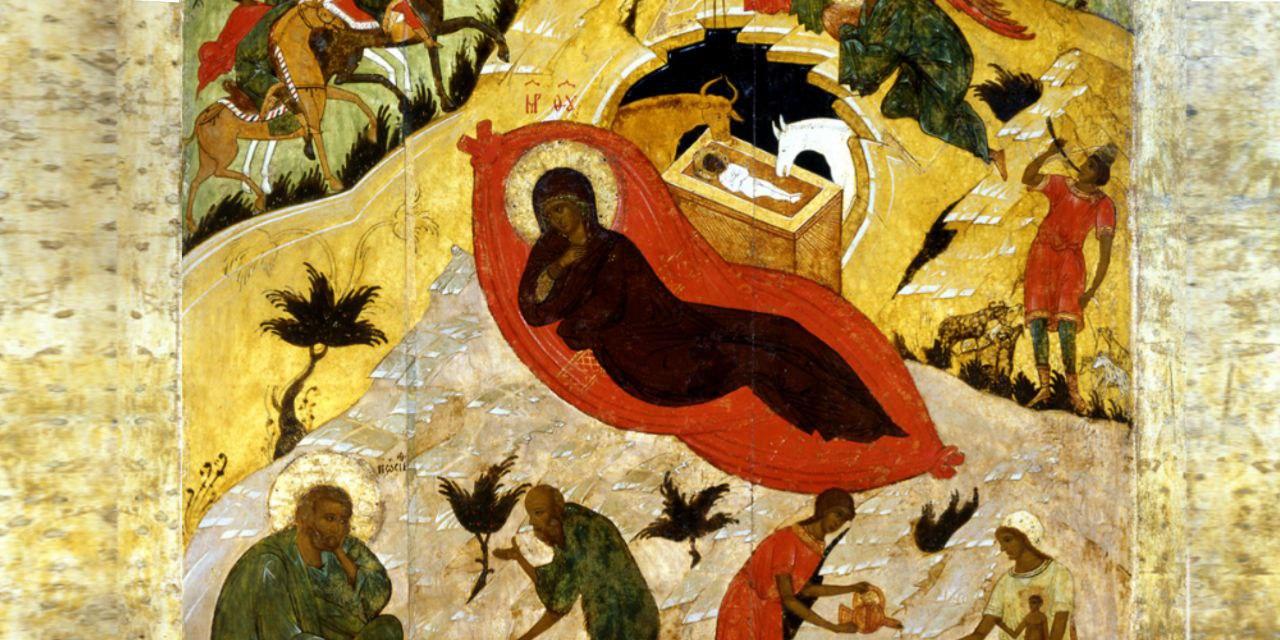
On January 7, Orthodox Christians in Central Asia and around the world celebrate Christmas. In the region, the holiday has become a symbol of religious and ethnic tolerance. Christmas is one of the most significant holidays for believers and is also cherished by many who are not religious. It is celebrated by billions globally. However, the majority of Orthodox Christians and Catholics do not observe Christmas on the same day.
While Christmas falls on January 7 for millions of Orthodox Christians in Central Asia, the holiday is marked not only by church services but also by official recognition, public celebrations, and interfaith messages—underscoring the region’s emphasis on religious coexistence.
In the early centuries of the Christian era, the Julian calendar was used universally, but, over time, astronomers found that the Julian calendar miscalculated the solar year’s length. As a result, it was replaced by the more accurate Gregorian calendar, which is now followed in most of the secular world. However, many Orthodox churches did not adopt the Gregorian reform. Consequently, many Orthodox Christians celebrate Christmas not on December 25, but 13 days later, on January 7.
Some interpreters of church law argue that the Julian calendar is sanctified by centuries of tradition. The Russian Orthodox Church, in particular, maintains that transitioning to the Gregorian calendar would violate canonical norms.
A Bright Holiday in Kazakhstan
In Kazakhstan, the Ascension Cathedral in Almaty is filled with worshippers on Christmas Eve. The cathedral is a spiritual, historical, and cultural landmark of the country.
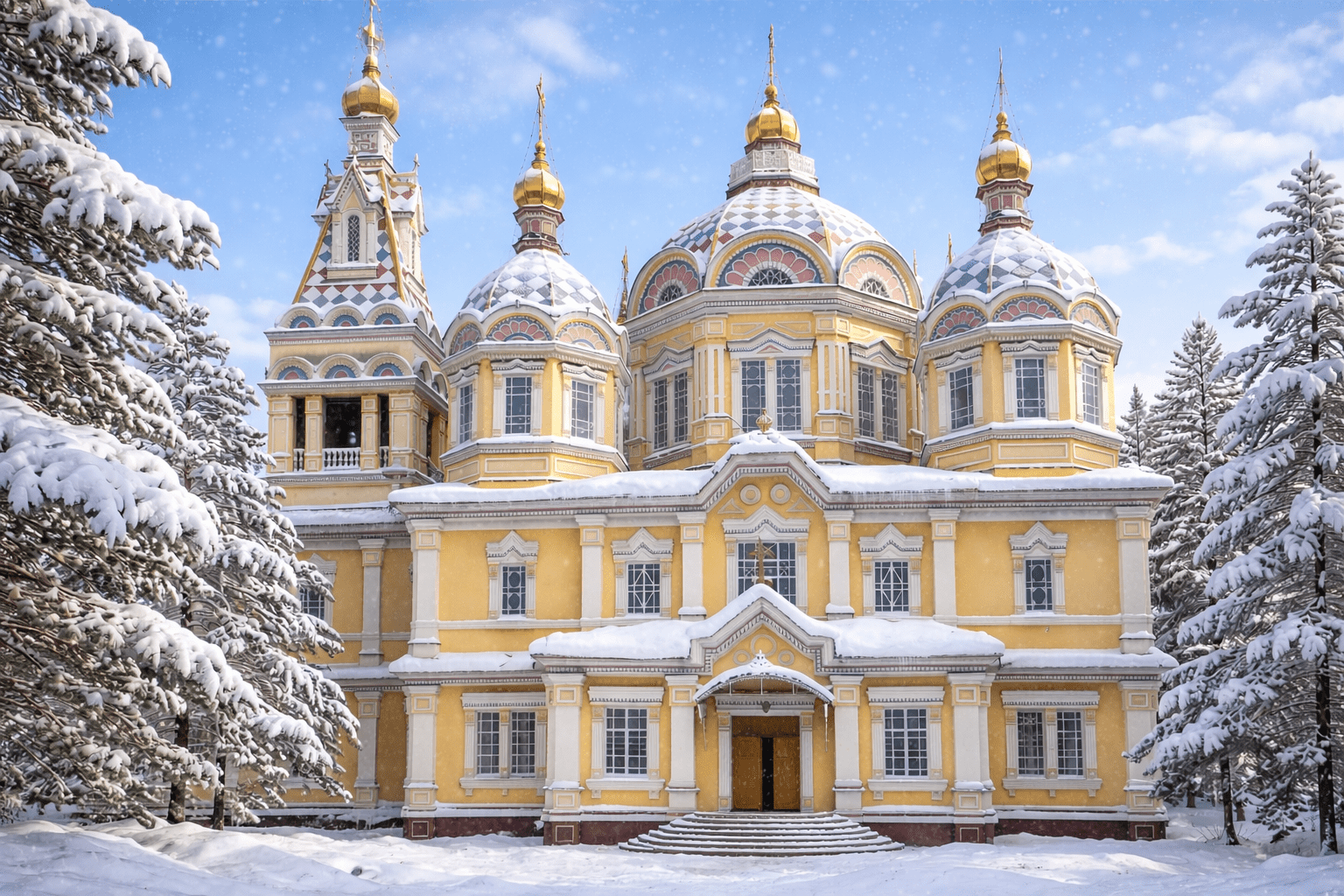
The Zenkov (Ascension) Cathedral, Almaty; image: TCA, Stephen M. Bland
This year, Metropolitan Alexander, head of the Orthodox Church in Kazakhstan, conducted the divine liturgy at the cathedral, urging people to mark the holiday through acts of kindness.
“It would be wrong to celebrate Christmas if we do not share this joy with our neighbors, especially those in need of comfort and support. Let us strive to make this festive season truly bright and solemn for all of us, through good deeds, words of comfort and encouragement, compassion, and mercy. Let us extend a helping hand to those who mourn, encourage those who are discouraged, visit those who are sick, and remember those who are lonely,” said Metropolitan Alexander of Astana and Kazakhstan.
In Astana, Bishop Gennady of Kaskelen, administrator of the Metropolitan District, offered Christmas greetings and led a service at Uspensky Cathedral. Orthodox Christmas is a public holiday in Kazakhstan. Representatives of various faiths have emphasized that the day symbolizes peaceful coexistence among people of different nationalities and religions.
Christmas Carols and Religious Freedom
In Uzbekistan, Metropolitan Vikenty of Tashkent and Uzbekistan, head of the Central Asian Metropolitan District, led the Divine Liturgy at the Cathedral of the Assumption of the Blessed Virgin Mary in Tashkent. The Orthodox community in Uzbekistan is estimated to number between 600,000 and a million. Religious observers note that the public celebration of Orthodox Christmas across Central Asia increasingly reflects a broader emphasis on social stability, interfaith dialogue, and state support for religious expression.
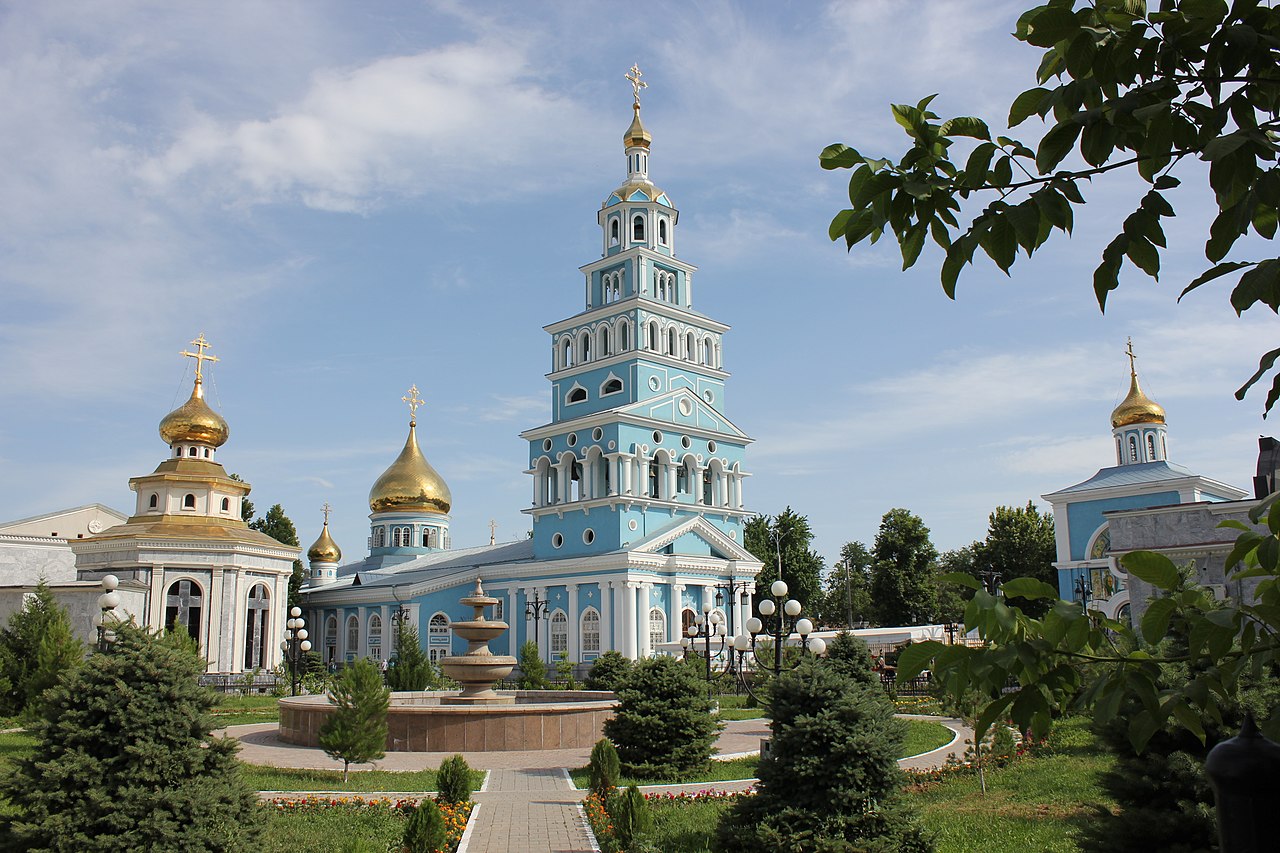
Cathedral of the Assumption of the Blessed Virgin Mary in Tashkent
For believers, the ability to freely celebrate Christmas is seen as a sign of social stability. In February 2025, Uzbekistan adopted a new policy framework for ensuring freedom of conscience and guiding state policy in the religious sphere. The Bible Society of Uzbekistan welcomed the initiative, describing it as vital for fostering interfaith dialogue and upholding the principles of a secular state.
In Kyrgyzstan, a festive service was held at the Holy Resurrection Cathedral and the Church of St. Vladimir, Equal to the Apostles, in Bishkek.
Throughout Central Asia, Orthodox Christmas is traditionally celebrated with a festive meal. At the center of the holiday table is kutya (or sochivo), a dish made from wheat grains, nuts, honey, dried fruit, and poppy seeds. It symbolizes prosperity, family unity, and eternal life.

Kutya
Like Catholic and Protestant Christmas, Orthodox Christmas is viewed as a time of miracles. Christmas trees remain decorated in homes after New Year’s, and the celebratory mood continues. On Christmas Eve, Orthodox Christians often go caroling. After the church service, young people dress in costumes and visit neighbors, singing songs that offer wishes of health and happiness. Hosts typically offer them food and drink. Today, this custom is often performed theatrically and can even be seen in public places such as supermarkets.
Many folk beliefs and superstitions are also tied to the holiday. For example, families observe who first crosses the threshold of the home on the morning of January 7. If it is a man, the household is believed to be blessed with good luck and prosperity for the year. Christmas also typically marks the onset of a cold snap in Central Asia, which continues until the holiday of Epiphany.
Observed across borders and traditions, Orthodox Christmas in Central Asia blends faith, folklore, and public life, serving both as a sacred celebration and a reflection of the region’s diverse religious fabric.