• KGS/USD = 0.01144 0%
  • KZT/USD = 0.00212 0%
  • TJS/USD = 0.10456 0.19%
  • UZS/USD = 0.00008 0%
  • TMT/USD = 0.28490 0%
  • KGS/USD = 0.01144 0%
  • KZT/USD = 0.00212 0%
  • TJS/USD = 0.10456 0.19%
  • UZS/USD = 0.00008 0%
  • TMT/USD = 0.28490 0%
  • KGS/USD = 0.01144 0%
  • KZT/USD = 0.00212 0%
  • TJS/USD = 0.10456 0.19%
  • UZS/USD = 0.00008 0%
  • TMT/USD = 0.28490 0%
  • KGS/USD = 0.01144 0%
  • KZT/USD = 0.00212 0%
  • TJS/USD = 0.10456 0.19%
  • UZS/USD = 0.00008 0%
  • TMT/USD = 0.28490 0%
  • KGS/USD = 0.01144 0%
  • KZT/USD = 0.00212 0%
  • TJS/USD = 0.10456 0.19%
  • UZS/USD = 0.00008 0%
  • TMT/USD = 0.28490 0%
  • KGS/USD = 0.01144 0%
  • KZT/USD = 0.00212 0%
  • TJS/USD = 0.10456 0.19%
  • UZS/USD = 0.00008 0%
  • TMT/USD = 0.28490 0%
  • KGS/USD = 0.01144 0%
  • KZT/USD = 0.00212 0%
  • TJS/USD = 0.10456 0.19%
  • UZS/USD = 0.00008 0%
  • TMT/USD = 0.28490 0%
  • KGS/USD = 0.01144 0%
  • KZT/USD = 0.00212 0%
  • TJS/USD = 0.10456 0.19%
  • UZS/USD = 0.00008 0%
  • TMT/USD = 0.28490 0%

Kazakhstan Restructures Oil Exports Amid Disruptions at CPC

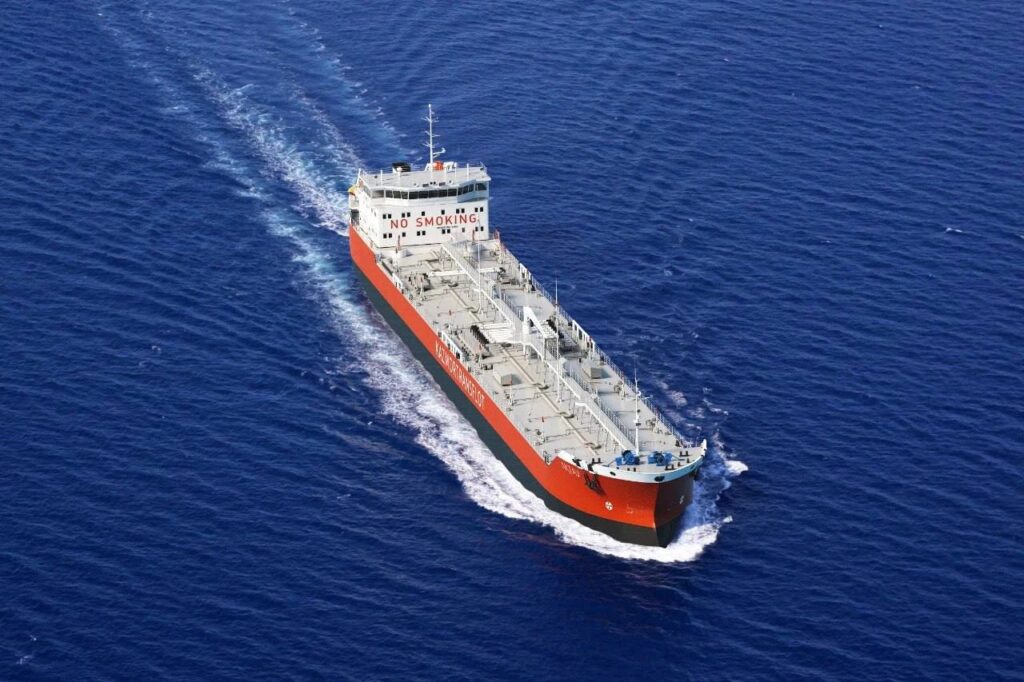
Kazakhstan is rapidly restructuring its oil export routes in response to disruptions affecting the Caspian Pipeline Consortium (CPC), a critical channel for the country’s crude shipments. To maintain export volumes and avoid production slowdowns, authorities have turned to alternative infrastructure.

According to a statement from KazMunayGas, the national oil company, approximately 300,000 tons of oil were rerouted in December 2025 after restrictions limited the CPC’s intake capacity. In coordination with KazTransOil JSC (KTO), the country redirected oil flows to other export corridors.

These rerouted volumes were exported to Germany, China, and via the Baku-Tbilisi-Ceyhan (BTC) pipeline, with shipments also handled through the ports of Novorossiysk and Ust-Luga. As CPC restrictions remained in place into January 2026, the redirection strategy continued.

Amid these challenges, Kazakhstan’s use of alternative routes gained momentum. KazMunayGas reported that oil deliveries to Germany’s Schwedt refinery totaled 2.1 million tons by the end of 2025, with projections indicating a rise to 2.5 million tons in 2026.

Exports through the port of Aktau to the BTC pipeline reached 1.3 million tons in 2025 and are expected to grow to 1.6 million tons this year. Shipments to China remained stable, with 1.1 million tons delivered by the end of 2025.

These developments reflect a gradual shift aimed at reducing Kazakhstan’s dependency on the CPC which has faced repeated operational setbacks.

The CPC disruptions stem from a series of security incidents. In February and March 2025, the Kropotkinskaya station was targeted in drone attacks. On 29 November, a strike on the consortium’s remote mooring device caused damage to its marine terminal.

Following the November incident, Kazakhstan’s Ministry of Energy stated that the CPC pipeline is an international energy project and warned that “any forceful impact on its facilities poses direct risks to global energy security.”

After another attack on 13 January 2026, when drones targeted three oil tankers near the CPC terminal in the Black Sea, the Ministry of Foreign Affairs issued a sharper response. In emergency consultations with European partners, the U.S., and other stakeholders, Kazakhstan called for reinforced protection of hydrocarbon transportation routes and maritime corridors, emphasizing the need for adherence to international law.

Kazakhstan to Launch AI-Powered Imam App

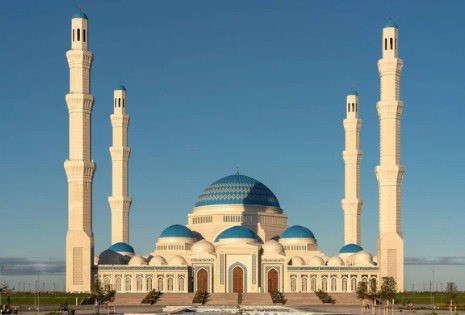
Kazakhstan’s Spiritual Administration of Muslims (DUMK) is set to integrate artificial intelligence into religious practice with the launch of Imam AI, a mobile application designed to provide believers with instant, Sharia-compliant answers to religious questions. The initiative aims to ease the burden on clergy and offer verified religious guidance in a digital format.

According to DUMK, the adoption of AI reflects growing public demand for fast and reliable religious information. “In line with modern requirements, we need to systematically introduce the capabilities of artificial intelligence into the religious sphere,” the organization stated in a post on the muftyatkz Instagram page.

The Imam AI app will be built on AI technology and will draw from authenticated sources of Islamic knowledge. Supreme Mufti Nauryzbay Kazhy Taganuly stated that the platform would comply fully with Sharia law while providing accessible, on-demand religious consultations.

This development is part of a broader effort to digitally transform religious institutions in Kazakhstan. The country has already begun incorporating AI into public administration, notably with the introduction of SKAI, a neural network based on a national language model used in state and quasi-state management.

As a further step, DUMK plans to draft a Digital Development Concept for 2026-2028, which will set priorities for the digitalization of religious activities. The Supreme Mufti stressed that failing to adapt to technological change means falling behind the needs of contemporary society.

“We are living in an era of technology and digital opportunity. Our responsibility is the systematic and widespread use of digital solutions and artificial intelligence in religious practice, in full accordance with Sharia law,” Taganuly noted.

Another key initiative involves the creation of an Islamic finance sector under DUMK. The Mufti stated that growing religious awareness and a desire for ethical earnings have fueled demand for financial products that align with Islamic principles.

The new sector will offer Sharia reviews of financial instruments and issue fatwas related to leasing, insurance, investments, bonds, digital assets, and electronic payment systems.

Together, the launch of Imam AI and the institutionalization of Islamic finance mark a broader convergence of religion, technology, and economics in Kazakhstan. A recent joint report by the Eurasian Development Bank, the Islamic Development Bank Institute, and the London Stock Exchange forecasts steady growth in Islamic finance across Central Asia.

For Kazakhstan, the digitalization of the religious sphere is becoming a key component of its broader modernization agenda, positioning AI not as a novelty but as a practical tool for improving access and meeting evolving societal expectations.

Kazakh Politician Proposes Allowing Private Laboratories to Conduct Driver Intoxication Tests

Zhanna Asanova, a member of the Senate, the upper house of Kazakhstan’s parliament, has proposed allowing private medical laboratories to conduct examinations for alcohol and drug intoxication in drivers. The proposal was submitted as a parliamentary inquiry addressed to the government.

At present, such medical examinations are conducted exclusively by state-run medical institutions equipped with laboratory facilities. However, Asanova argued that the capacity of this system is severely limited. Citing Almaty as an example, she noted that Kazakhstan’s largest city, with a population exceeding two million, currently has only two state laboratories handling all intoxication-related cases. This, she said, hinders the timely processing of examinations.

Asanova emphasized that the current centralized model creates both procedural delays and corruption risks. The absence of alternative institutions undermines public trust in the objectivity of results and creates opportunities for abuse.

“The remoteness and overload of laboratories mean that individuals remain in a vulnerable procedural position for hours, while police officers waste time and resources. This undermines the overall effectiveness of the law enforcement system,” she said.

The senator also noted that citizens currently have no right to choose their testing institution or request an independent re-examination, which restricts their ability to mount an effective legal defense.

Another risk, according to Asanova, stems from the heavy workload and outdated equipment in some state laboratories. These limitations can lead to procedural violations during sample collection, storage, and analysis, ultimately compromising the reliability of evidence presented in court.

She also pointed out that existing equipment in state labs is not always capable of detecting a broad spectrum of psychoactive substances, including synthetic, combined, and toxic compounds such as so-called “salts”, which require more advanced testing technologies.

Meanwhile, Kazakhstan has a network of private laboratories equipped with modern diagnostic tools and staffed by qualified professionals, but their resources remain largely untapped within the current system.

As a solution, Asanova proposed creating a new model that would allow accredited private laboratories to conduct medical examinations on equal footing with state institutions, and to include them in a unified national register. She also called for granting citizens the right to independently select a laboratory for repeat testing.

The initiative aligns with broader efforts to reform Kazakhstan’s road safety system. Previously The Times of Central Asia reported that Senator Marat Kozhaev had proposed introducing an “idiocy test” for repeat traffic offenders as a potential basis for revoking their driving licenses.

Kazakhstan Expands Aquaculture Support to Boost Fish Production

Kazakhstan has introduced new state support measures for its aquaculture sector in an effort to reduce production costs, attract investment, and enhance the industry’s long-term sustainability.

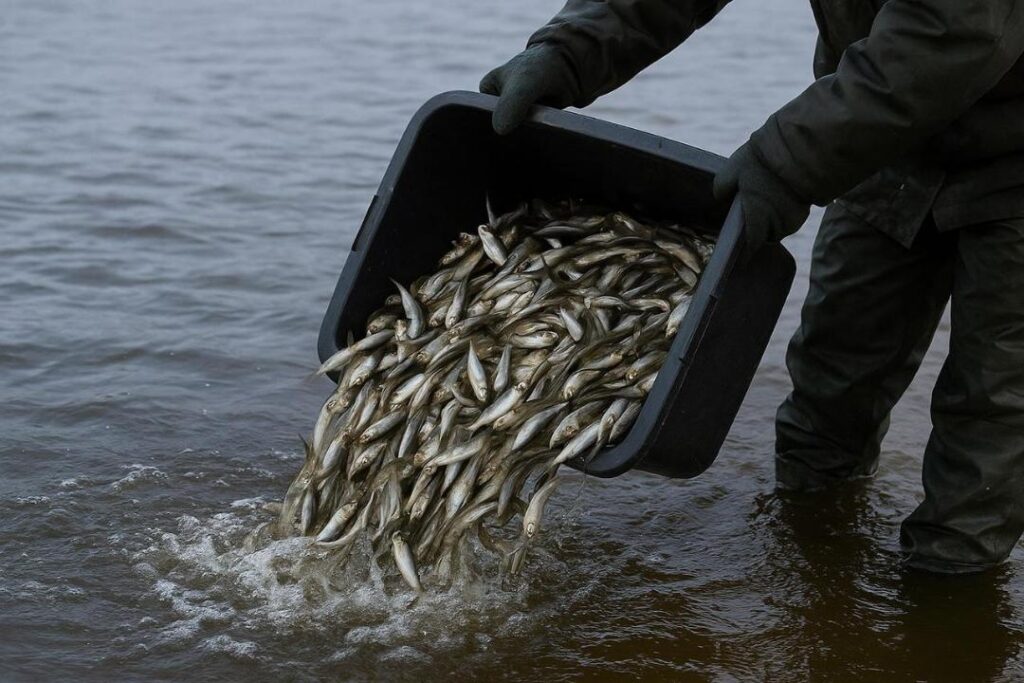
Between January and November 2025, aquaculture accounted for 20,900 tons of the country’s total 76,800 tons of fish production, a 22% increase compared to the same period in 2024. The remaining 38,500 tons came from natural water bodies.

According to the Ministry of Agriculture, the new support framework focuses on three main areas:

  1. Partial reimbursement of investment costs in aquaculture projects
  2. Subsidies aimed at improving productivity, product quality, and the development of fish breeding farms
  3. Subsidies for water supply costs

One of the key changes to the investment subsidy program is a new condition requiring recipients to maintain aquaculture operations for at least five years after receiving state support. This measure is designed to ensure the long-term impact of subsidies and prevent misuse or short-term exploitation of funds.

Under the new rules, the government will reimburse 25% of investment costs for:

  • Establishing or expanding feed production facilities with a capacity of at least one ton per hour
  • Developing pond farms with annual production volumes above 25 tons
  • Building farms using pool systems and closed-loop water supply infrastructure

Additional support will be available for pond aquaculture projects with annual production above 50 tons, the purchase of fish farming equipment for operations on water bodies of at least 50 hectares, the creation or expansion of fish processing facilities with daily output of at least one ton, and for reproduction farms producing fish juveniles.

Subsidies will also cover 30% of feed costs and 50% of fry acquisition costs.

Water supply subsidies range from 60% to 85%, with priority given to aquaculture farms located in water-scarce regions.

These updated subsidy mechanisms are expected to drive further growth in fish production, improve product quality, and strengthen Kazakhstan’s competitiveness in both domestic and international fish markets.

Kyrgyzstan’s Rail Freight Turnover Emerges from Years of Stagnation

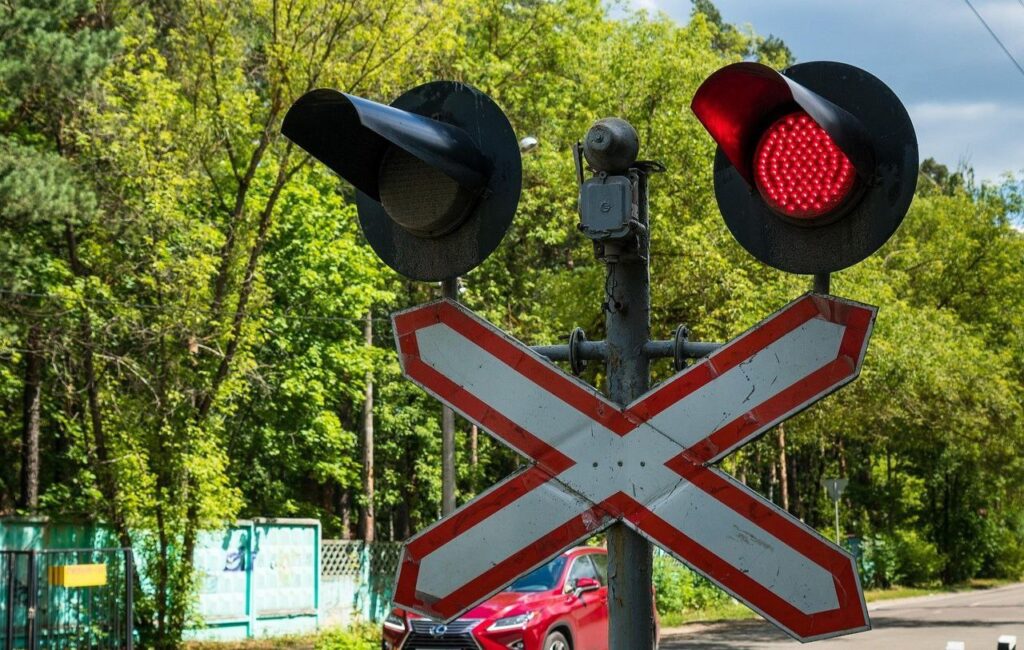
Kyrgyzstan’s rail transport sector is showing sustained growth after years of stagnation. By the end of 2025, the state-owned railway operator Kyrgyz Temir Zholu reported transporting 10 million tons of cargo, the highest volume in the company’s history.

Just a few years ago, the country’s annual rail freight volume hovered around 7 million tons. The turning point came in 2022, and by 2024, the figure had already reached 9.2 million tons. Surpassing the 10 million ton milestone in 2025 has further solidified the sector’s recovery.

Kyrgyz Temir Zholu acknowledged that prior to 2022, the national railway industry was largely unprofitable and in urgent need of systemic modernization. Early reforms focused not on major infrastructure projects but on managerial and institutional restructuring.

“The main focus was on digitalizing processes, minimizing human error, preventing corruption, reducing costs, revising regulatory frameworks, and modernizing repair facilities and railway infrastructure,” the company stated.

International partnerships have also played a key role in revitalizing the sector. Under its development strategy, Kyrgyzstan opened additional multimodal transport corridors between China and Europe, significantly enhancing the country’s transit potential.

Despite its growth, Kyrgyzstan’s railway network remains one of the most compact in the region. It spans just 425 kilometers and includes 28 operational stations, divided into two geographically isolated segments: north and south.

The northern section, 323.4 kilometers long, connects Rybachye station (in Balykchy) with Turksib in Kazakhstan and serves as a vital corridor for freight headed to Russia and other members of the Eurasian Economic Union. The southern section, 101 kilometers in length, links Kyrgyzstan with Uzbekistan’s rail network.

“Both sections serve strategically important roles by ensuring Kyrgyzstan’s integration with regional transport systems and facilitating international trade,” Kyrgyz Temir Zholu noted.

The growth in freight turnover has been accompanied by an ongoing digital transformation. A key milestone was the development and implementation of the Unified Transport Process Model software system, which consolidates every stage of freight transport, from planning to execution, into a single digital platform.

Further momentum is expected from the construction of the China-Kyrgyzstan-Uzbekistan railway, which is already underway. Authorities view the project as a long-term catalyst for boosting Kyrgyzstan’s transit capacity and strengthening its role in Eurasian logistics chains.

Security Risks Around Kazakhstan’s Oil Exports Ripple Through European Markets

Europe’s oil market is becoming increasingly exposed to disruption as security risks rise along export routes used by Kazakhstan, which the European Union has long viewed as a reliable alternative to Russian supply. The risks extend far beyond Ukraine itself.

“Russia continues escalating its attacks and targeting civilians and civilian infrastructures,” an EU spokesperson told The Times of Central Asia. “Russia’s brutal and unacceptable attacks have left people without hot water, heating and electricity in the current weather conditions. Russia’s war of aggression has also severely impacted Black Sea maritime security, including through its use of shadow fleet vessels to circumvent international sanctions, and the persistent attacks on civilian and port infrastructure in Ukraine. On the other hand, Ukraine has accepted an unconditional ceasefire in March 2025. It shows that Russia does not want peace. The EU and the entire international community need to put pressure on Russia to stop its war.

“Kazakhstan plays a crucial role for Europe’s energy security and has been for years a reliable partner in diversifying energy sources and ensuring a stable supply for European markets. More than 12% of all the oil imported by the EU comes from Kazakhstan, contributing to the diversification of energy sources and reducing dependency on a limited number of suppliers. The continuous and safe functioning of the supply chain is hence key also for Europe.

“Maritime safety and security in the Black Sea is a fundamental component of the new EU strategic approach to the region, adopted in May 2025. The Black Sea is a critical connector between Europe, the Southern Caucasus, Central Asia and the Eastern Mediterranean. Ensuring maritime security and safety in this region is vital not only for the littoral States but also for broader European interests and for many partner countries, as it supports trade flows, sustainable supply chains and enhanced connectivity.”

Kazakhstan produced roughly 1.8 million barrels per day in 2024 and exported the bulk of that volume. More than 80% of its crude exports move through the Caspian Pipeline Consortium, or CPC, which links oil fields in western Kazakhstan to Russia’s Black Sea port of Novorossiysk. From there, tankers ship the oil mainly to European refiners. Under normal conditions, the pipeline carries roughly 1.3 million barrels per day, making it one of the most important single supply routes for non-Russian crude entering Europe.

Recent events have shown how sensitive European markets are to any disruption along that corridor. On January 14, Bloomberg reported that oil prices in Europe strengthened after shipments of CPC Blend fell short of expectations. Traders cited reduced availability of the light, low-sulfur crude, which is favored by European refiners, forcing buyers to seek alternative grades at higher prices. Despite the recent tightening, traders say the market has so far absorbed disruptions without severe shortages, reflecting high inventories and flexible refinery operations, though that buffer could narrow if attacks persist.

That supply pressure followed a series of security incidents in the Black Sea, where commercial shipping and port infrastructure have faced growing risks since Russia’s invasion of Ukraine. Although Kazakhstan is not a party to the conflict, its exports depend on transit through waters and facilities that have become increasingly vulnerable.

On January 13, drone attacks struck oil tankers near the approaches to Novorossiysk as vessels waited to load Kazakh crude. The incidents prompted heightened security measures and contributed to temporary loading constraints at the CPC terminal. While no casualties were reported, the attacks raised concerns about further disruptions.

Following the attacks, war-risk insurance premiums for tankers operating near Black Sea export terminals have risen sharply, according to shipping and insurance industry data. Higher premiums and tighter underwriting standards have increased freight costs for CPC Blend cargoes and made some shipowners more reluctant to call at Novorossiysk, adding another layer of uncertainty even when physical infrastructure remains operational.

The incidents have also raised questions among European policymakers about whether Ukrainian strikes near Black Sea export infrastructure risk undermining broader energy and diplomatic interests.

Echoing these concerns, on January 14, Kazakh lawmaker Aydos Sarym also warned that attacks affecting CPC-linked infrastructure risk harming Kazakhstan’s economy and the interests of its partners. “Such actions create serious risks not only for Kazakhstan, but for countries that depend on these energy supplies,” Sarym said. “I think the U.S. and our other partners should work together to pressure Ukraine to choose its goals.”

While Kyiv has not publicly claimed responsibility for the recent attacks affecting the Novorossiysk area, analysts note that Ukraine views pressure on Russian export hubs as a way to weaken Moscow’s ability to finance the war. At the same time, disruptions to the CPC carry political weight because the pipeline moves non-Russian crude that remains exempt from EU sanctions. This overlap has complicated the picture for EU governments, which continue to support Ukraine militarily while seeking to avoid supply shocks and higher prices at home.

These risks also have massive consequences for Kazakhstan’s production. Earlier, in December 2025, industry and government data showed that output fell by around 6% after a late-November strike limited exports through the Yuzhnaya Ozereevka loading point, forcing producers to slow or cut production at major fields, including Tengiz, the country’s largest oilfield. At the same time, exports of CPC Blend crude dropped to their lowest levels in over a year as the terminal operated with limited capacity due to damage and maintenance work, illustrating how quickly pipeline and shipping constraints can translate into lower production when transport routes are impaired.

For the European Union, the issue goes beyond short-term market volatility. Since 2022, the bloc has worked to reduce dependence on Russian oil while avoiding global supply shocks, with Kazakh crude playing a significant role in that strategy. According to Eurostat Comext, in 2024, the largest suppliers of crude oil to the European Union included the United States, Norway, and Kazakhstan, with the latter accounting for more than 12% of the bloc’s imports.

EU officials have repeatedly stated that Kazakh oil transiting Russia is not subject to EU sanctions, provided it is clearly certified as non-Russian, a policy which reflects both legal considerations and a broader effort to maintain access to alternative supplies without undermining sanctions aimed at Moscow.

Kazakhstan’s Ministry of Foreign Affairs said the country should not be associated with the conflict in Ukraine, stressing its role as a stable energy supplier to Europe: “We emphasize that the Republic of Kazakhstan is not a party to any armed conflict, makes a significant contribution to strengthening global and European energy security, and ensures uninterrupted energy supplies in full compliance with established international standards.”

Western corporate interests are closely tied to the security of the CPC route. Major U.S. and European energy companies hold stakes in Kazakhstan’s largest oil fields, including Tengiz and Karachaganak. Chevron and ExxonMobil are key partners in Tengiz, while Eni, Shell, and TotalEnergies have long-standing investments across the sector. Production from these fields depends on uninterrupted access to export infrastructure linked to Novorossiysk.

The vulnerability of the CPC route stems not only from geography but from ownership and control. The pipeline and its Black Sea terminal are operated by a consortium that includes Russian state-linked entities alongside Western energy companies, complicating efforts to insulate Kazakh exports from wider security risks surrounding Russian-controlled infrastructure. Russia also has an interest in keeping CPC flows running, since the pipeline generates transit revenues and helps sustain activity at the Novorossiysk port, even as the broader security environment around the Black Sea remains unstable.

Disruptions therefore affect not only Kazakhstan’s state revenues, but also European energy supply and the operations of Western firms. They also tighten oil markets at a time when spare global capacity remains limited, amplifying price sensitivity.

The European Union has limited direct leverage over security conditions in the Black Sea. Any military involvement would raise legal and political challenges, given the ongoing war and the presence of multiple naval actors in the region. Instead, EU efforts have focused on diplomatic engagement on freedom of navigation, coordination with insurers to prevent sudden withdrawal of coverage for non-sanctioned cargoes, and technical work to strengthen tracking and certification of oil shipments. EU officials have previously warned that sustained disruption to Black Sea energy routes could undermine efforts to stabilize fuel prices and inflation across the bloc, particularly in southern member states.

For its part, Kazakhstan has been seeking to reduce reliance on a single export corridor. It has increased shipments of crude oil via the Baku-Tbilisi-Ceyhan pipeline as part of efforts to diversify export routes, with state operator KazTransOil reporting increased volumes through the Caspian Sea and BTC direction following disruptions to the CPC system.

Even so, expanding alternative routes would require significant investment, coordination with neighboring states, and years of construction, limiting Kazakhstan’s ability to reduce exposure in the near term.

“These attacks add urgency to the case for expanding Trans-Caspian infrastructure,” Laura Linderman, director of programs, Central Asia-Caucasus Institute, American Foreign Policy Council, told The Times of Central Asia. “Kazakhstan has been working to diversify its export routes but remains heavily dependent on a corridor that runs through Russian territory and waters, a vulnerability Astana has long highlighted. Officials and analysts in Kazakhstan increasingly argue that Western partners have been insufficiently responsive to these concerns, even as Europe relies on Kazakh crude, making continued dependence on Russian transit a growing strategic contradiction.”

For now, Europe remains heavily exposed to the security of Kazakhstan’s Black Sea exports. As long as the conflict in Ukraine continues and maritime risks persist, even suppliers viewed as politically separate from the war face growing uncertainty. Recent market movements show how quickly disruptions affecting Kazakh oil can feed through to European prices and energy security, underscoring the strategic importance of safeguarding export routes that sit outside the war but remain exposed to it.

The European Union was contacted for comment, but had not responded at the time of publication.