• KGS/USD = 0.01144 0%
  • KZT/USD = 0.00196 -0%
  • TJS/USD = 0.10899 -0%
  • UZS/USD = 0.00008 -0%
  • TMT/USD = 0.28490 0%
  • KGS/USD = 0.01144 0%
  • KZT/USD = 0.00196 -0%
  • TJS/USD = 0.10899 -0%
  • UZS/USD = 0.00008 -0%
  • TMT/USD = 0.28490 0%
  • KGS/USD = 0.01144 0%
  • KZT/USD = 0.00196 -0%
  • TJS/USD = 0.10899 -0%
  • UZS/USD = 0.00008 -0%
  • TMT/USD = 0.28490 0%
  • KGS/USD = 0.01144 0%
  • KZT/USD = 0.00196 -0%
  • TJS/USD = 0.10899 -0%
  • UZS/USD = 0.00008 -0%
  • TMT/USD = 0.28490 0%
  • KGS/USD = 0.01144 0%
  • KZT/USD = 0.00196 -0%
  • TJS/USD = 0.10899 -0%
  • UZS/USD = 0.00008 -0%
  • TMT/USD = 0.28490 0%
  • KGS/USD = 0.01144 0%
  • KZT/USD = 0.00196 -0%
  • TJS/USD = 0.10899 -0%
  • UZS/USD = 0.00008 -0%
  • TMT/USD = 0.28490 0%
  • KGS/USD = 0.01144 0%
  • KZT/USD = 0.00196 -0%
  • TJS/USD = 0.10899 -0%
  • UZS/USD = 0.00008 -0%
  • TMT/USD = 0.28490 0%
  • KGS/USD = 0.01144 0%
  • KZT/USD = 0.00196 -0%
  • TJS/USD = 0.10899 -0%
  • UZS/USD = 0.00008 -0%
  • TMT/USD = 0.28490 0%
08 December 2025

Where Tourists Stay in Kazakhstan: Hotel Trends and Costs

Analysts at Ranking.kz have examined hotel preferences in Kazakhstan, including nightly rates, regional popularity among tourists, and where accommodations are most expensive.

New Rules and Classification Standards

Kazakhstan has implemented updated classification rules for hotels, hostels, recreation centers, and other tourist facilities. While largely technical, the amendments aim to make the classification system more transparent. New standards define specific requirements for accommodations from bed sizes to the mandatory availability of bathrooms and clarify procedures for applications, review timelines, and certificate issuance.

According to the National Statistics Bureau, Kazakhstan had 4,300 accommodation facilities in the first quarter of 2025, up 7.7% from a year earlier. These included:

  • 1,500 hotels without restaurants
  • 1,400 bungalows, rural houses, and cottages
  • 804 hotels with restaurants
  • 113 children’s camps
  • 108 holiday homes
  • 60 tourist bases
  • 46 resorts
  • 46 campsites

Additionally, the country had 28 motels, nine trailer parks and entertainment complexes, and five tourist camps.

Out of the total number of hotels, 2,200 had no star classification. Among those categorized, 25 received five-star ratings, 54 received four stars, 32 three stars, three received two stars, and one hotel had a one-star rating.

Rising Tourist Numbers and Revenue

The hospitality sector continues to show growth. In the first quarter of 2025, Kazakhstani hotels and similar facilities hosted 1.9 million guests, an increase of 12% compared to the same period in 2024. Of these, 1.6 million were Kazakhstani citizens and 257,200 were international tourists.

Among domestic travelers, 1.2 million were leisure visitors, while 489,500 traveled for business. For foreign visitors, 120,100 arrived for personal reasons and 137,000 for business purposes.

The most common countries of origin included Russia, China, India, Turkey, Uzbekistan, the United States, Kyrgyzstan, Germany, the United Kingdom, South Korea, the United Arab Emirates, Italy, Ukraine, Belarus, and Malaysia.

According to UN Tourism, Kazakhstan generated $2.6 billion in international tourism revenue in 2024, up 17.1% from the previous year. Statista projects that the hotel industry will reach $583.15 million in 2025 and grow to $775.03 million by 2030, with the number of users expected to rise to 5.82 million.

Regional Tourism Hubs

Almaty remains Kazakhstan’s primary tourist destination, attracting 496,900 visitors in the first quarter of 2025, a 5% year-on-year increase. Other leading destinations include Astana (314,100), Almaty Region (161,500), Akmola Region (113,500), and Shymkent (100,100).

Tripadvisor lists approximately 2,600 lodging options in Kazakhstan. The top-rated hotels by value include:

  • Kazakhstan Hotel (3.2/5 based on 431 reviews)
  • Park Hotel Almaty (4.5/5, 290 reviews)
  • Uyut Hotel (3.9/5, 166 reviews)
  • Swissotel Wellness Resort Alatau Almaty (4.2/5, 122 reviews)
  • Grand Hotel Tien-Shan (4.3/5, 340 reviews)

Data from the eQonaq platform shows that in June 2025, the most visited hotels were Rixos Water World Aktau, Holiday Inn, Sheraton Nur-Sultan Hotel, SAAD Hotel, and Rixos Almaty. The majority of guests during this period were from Uzbekistan (47,600), Russia (42,700), and China (19,500).

Hotel Prices by Region

In July 2025, the average cost of a hotel night in Kazakhstan was 20,100 KZT (approximately $37), a 0.3% increase from June and 6.2% higher than in July 2024.

The highest rates were recorded in:

  • Almaty – 31,200 KZT ($58)
  • Uralsk – 25,700 KZT ($48)
  • Petropavlovsk – 21,900 KZT ($41)
  • Konaev – 21,000 KZT ($39)
  • Astana – 19,400 KZT ($36)

Monthly price increases were recorded in the Almaty Region (21.6%), Shymkent (2.7%), Kostanay Region (1.2%), and Abai Region (0.6%). On an annual basis, accommodation prices rose in most regions, ranging from a 36.7% increase in the Almaty Region to 1.2% in the Atyrau Region. The Turkestan Region showed no change, while prices in the Pavlodar Region declined by 3.7%.

Kazakhstan Aims to Boost Grain Exports to China to Two Million Tons Annually

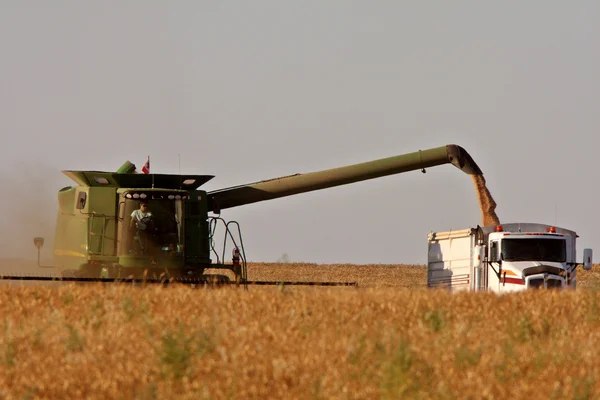
Kazakhstan plans to increase its grain exports to China to two million tons per year in the coming years, President Kassym-Jomart Tokayev announced at the eighth meeting of the Kazakhstan-China Business Council in Beijing.

“Kazakhstan has the sixth-largest area of arable land in the world and ranks among the top ten grain exporters globally. Our country exports over ten million tons of wheat and approximately two million tons of flour each year. The Chinese market is of great interest to us, and Kazakhstan possesses the resources and capacity to export up to two million tons of grain to China annually,” Tokayev stated.

According to Kazakhstan Temir Zholy, the national railway operator, grain exports to China reached 1.7 million tons in 2023.

Strengthening Agro-Industrial Cooperation

Beyond raw grain exports, Astana places significant emphasis on developing joint processing enterprises. Tokayev highlighted ongoing projects by China’s Dalian Group, which is establishing a grain processing plant in the Akmola Region, and the Fufeng Group, which is developing a corn processing facility in the Zhambyl Region. Products from both plants are intended for the Chinese and European markets.

The president also invited Chinese investors to collaborate in the sectors of organic farming and livestock breeding.

Expanding Transport Corridors

Tokayev underscored the strategic importance of enhancing transport and logistics corridors as part of the Belt and Road Initiative, noting that 85% of all land freight between China and Europe currently transits through Kazakhstan. The opening of a second track on the Dostyk-Moyinty rail section this year is expected to increase the capacity of the China-Europe corridor fivefold.

The president also emphasized the rising significance of the Trans-Caspian International Transport Route (TITR), also known as the Middle Corridor. In 2023, freight volume along the TITR reached 4.5 million tons, an increase of 62% compared to 2022. Kazakhstan aims to raise this volume to ten million tons in the near future.

“Through joint efforts, we have already implemented major infrastructure projects, the Kazakh-Chinese logistics terminal at the port of Lianyungang and the dry port in Xi’an. For Chinese companies, leveraging Kazakhstan’s transit potential opens up significant opportunities,” Tokayev said.

The Times of Central Asia previously reported that Kazakhstan and China have also begun digitizing customs declaration procedures for transit cargoes along the TITR, aiming to reduce delays at border crossings.

Financing for Tajikistan’s Rogun Project Rises to $500 Million

The Asian Infrastructure Investment Bank (AIIB) has confirmed its decision to increase financing for the construction of Tajikistan’s flagship energy project, the Rogun Hydroelectric Power Plant (HPP), to $500 million.

New Agreements on Energy, Water, and Transport

According to the Tajik president’s press service, the agreement was reached on September 1 in Tianjin during talks between President Emomali Rahmon and AIIB President Jin Liqun. The meeting took place on the sidelines of the Shanghai Cooperation Organization (SCO) Council of Heads of State summit.

President Rahmon thanked the AIIB for supporting Tajikistan’s infrastructure development and noted that the bank is already involved in four national projects totaling over $430 million. These include the Rogun HPP and the construction of a 920-meter-long road bridge in the Nurabad district.

“The parties discussed broad opportunities for cooperation in the field of green energy, including the construction and modernization of power plants of various capacities, as well as the commissioning of solar and wind installations,” the press service stated.

Discussions also focused on water resource management, disaster risk reduction, and the deployment of modern monitoring technologies. Other priorities included transport integration, municipal infrastructure renewal, and innovative mechanisms to attract investment. Expanding private sector participation and utilizing innovative financing instruments were also identified as promising areas.

Previously Signed Agreements

In December 2024, Tajikistan and the AIIB signed a $270 million (1.92 billion yuan) agreement for the first phase of the Rogun development program. According to the Ministry of Finance, the bank’s total commitment now stands at $500 million, to be disbursed in two tranches.

During a visit to Rogun on August 27, Rahmon stated that loan negotiations with the AIIB are in their final stages. In total, Tajikistan has secured commitments exceeding $2 billion from development partners and is negotiating an additional $1.7 billion.

However, Standard & Poor’s (S&P) Global Ratings has noted delays in funding from some international partners, including the World Bank, citing unmet conditions. The agency estimates the total cost of completing Rogun at $6.4 billion.

According to S&P, the Tajik government plans to finance half of the project through a consortium of international partners, with the remainder coming from the national budget and project revenues. The proposed financing includes $1.5 billion in non-concessional loans, $850 million in grants, and $550 million in concessional loans. Part of the grant support is contingent on Tajikistan’s classification as a “least developed country,” a status that may be reconsidered in 2026.

Rogun: Central Asia’s Largest Hydropower Project

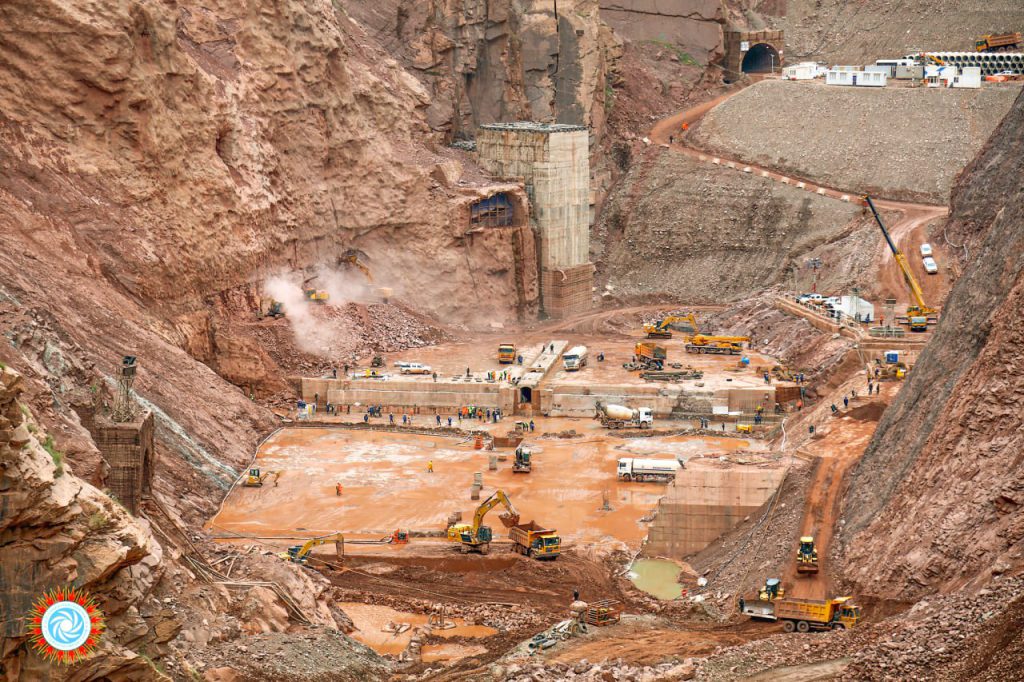
Since the start of 2025, 4.3 billion somoni (approximately $451 million) has been allocated from Tajikistan’s state budget for Rogun. In total, over 48.1 billion somoni (roughly $5.04 billion) has been invested in the project since 2008 from both public and external sources.

The Rogun Hydropower Plant is poised to become the largest in Central Asia. Once completed, it will have an installed capacity of 3,780 MW and is expected to generate over 14.5 billion kWh annually. Six 630 MW turbines are planned, with full commissioning expected by 2029.

Two units, launched in 2018 and 2019, are currently operational. In 2024, they generated 1.22 billion kWh of electricity, accounting for 5.5% of Tajikistan’s total electricity production, according to the Ministry of Energy.

Gold and Gunfire: Tajik-Taliban Tensions Flare on the Border

Tajik border guards and Taliban fighters have exchanged fire in an area along the Tajik-Afghan border. The incident happened on August 24 and is connected to a Chinese gold mining operation on the Afghan side of the border. The hostilities ended after a rare meeting between local Tajik and Taliban officials, though each side accused the other of harboring enemies.

Gold Mining

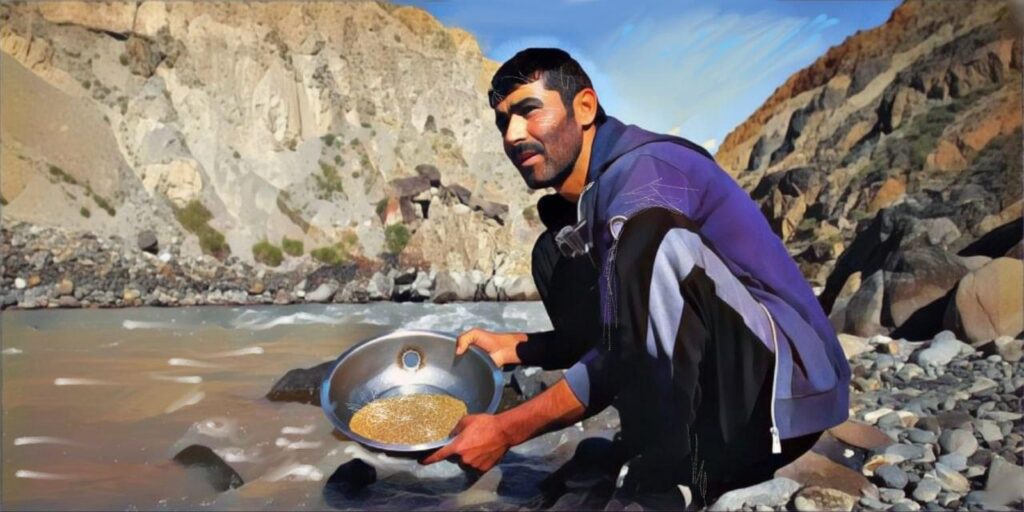
The Tajik authorities have been watching Afghanistan’s Dovang district in Afghanistan’s Badakhshan Province since the start of a gold mining operation there three years ago.

Residents of Tajikistan’s Shamsiddin Shohin district, across the Pyanj River from Dovang, reported rising water levels in their area. Sodikjon Rahmonzoda, the head of the district branch of Tajikistan’s Ministry for Emergency Situations, stated that “On the opposite bank of the river, in Afghanistan, industrial gold mining started…. They built infrastructure (including) dams that direct water to our bank.”

The Tajik authorities have been reinforcing the bank on the Tajik side of the river to prevent nearby villages from flooding. It is unclear if the two sides were previously in contact about the problems the diversion of water in the river was causing in Tajikistan.

The other four Central Asian governments have all established a dialogue with the Taliban since they returned to power in August 2021. Kazakh, Kyrgyz, Turkmen, and Uzbek officials have visited Afghanistan, and Taliban representatives have visited Kazakhstan, Turkmenistan, and Uzbekistan (but so far, not Kyrgyzstan).

The Tajik government has kept its contact with the Afghan militant group to a minimum, though several border crossing points are working again, and some bazaars on the Tajik side of the frontier have reopened to Afghan customers.

Rising Tensions

In May, Tajik authorities detained a group of Chinese and Afghans who drove across the river on excavators from the mining site in Dovang into Tajikistan. According to the Tajik authorities, the Chinese and Afghans were seeking to launder money in Tajikistan.

On August 24, a group of Taliban arrived at the border area in Dovang. It is not clear what sparked the shooting, but Tajik border guards and Taliban fighters exchanged fire using heavy weapons. One Taliban fighter was reportedly killed, and four others were wounded. There were no reports of casualties among the Tajik border guards.

Neither the Tajik government nor Taliban officials have commented on the clash.

A Rare Meeting

Following the shooting, the commander of the Tajik border guard unit in the Shamsiddin Shohin district led a group of soldiers across the border to Dovang to meet with the head of mining operations and other officials in Badakhshan Province. The two sides discussed the gold mining operation on the Afghan side of the border, but the conversation degenerated into accusations, with each side complaining that the other was sheltering and training their enemies.

Both sides are correct.

The Tajik government allows members of the National Resistance Front (NRF), including its leader Ahmad Masoud, to travel to and often stay in Tajikistan. The NRF is a group of mainly ethnic Tajiks who were part of the foreign-backed former Afghan government’s military. Representatives of ousted Afghan President Ashraf Ghani still occupy the Afghan Embassy in the Tajik capital, Dushanbe.

The Jamaat Ansarullah extremist group from Tajikistan are allies of the Taliban. At least several hundred of their fighters are based in Afghanistan, with some deployed by the Taliban to areas along the border with Tajikistan.

In September 2023, Tajik security forces said they had killed three armed members of Jamaat Ansarullah who crossed from Afghanistan into Tajikistan’s Darvoz district, which borders the Shamsiddin Shohin district to the east. Tajik authorities claimed the three entered Tajikistan to carry out terrorist attacks ahead of Independence Day celebrations on September 9.

What’s Next?

In the absence of official comments from either side, it is difficult to say if the situation is better or worse after the meeting between local officials.

Reports on the clash agree that the two sides were shooting at each other, and the Taliban suffered casualties. However, it is unclear who started shooting first or why. Were the hastily arranged talks a total failure, or was there any agreement or at least an understanding about future activities in this border area that would prevent a repeat of the August 24 shoot-out?

The gold-mining operation on the Afghan side of the Pyanj River is expanding, indicating that it is profitable. That has convinced the Tajik authorities that they should start prospecting for gold on their side of the river, which means soon there will be more people, and presumably more armed border guards and Taliban fighters in the area.

If there is no acceptable resolution to the events of August 24, both sides risk a more serious incident in the future.

Digital Geopolitics and AI Strategy in Central Asia

Central Asia, long known as a crossroads of global trade routes, is once again emerging as a stage for strategic competition. This time, the old caravan routes have been replaced by digital highways. The new contest is over technologies and data flows.

For countries in the region, especially Kazakhstan, choosing a digitalization model and an AI development strategy is no longer just a technical matter. It is a fundamental decision tied to national security and long-term competitiveness. Equally important is the “digital ideology” behind these choices, something clearly illustrated today by two giants of the Global South: China and India, each with over a billion people and very different approaches to digital growth.

The Dragon’s Shadow: China’s Systematic Expansion in Central Asia

China’s ongoing real estate crisis, rising debt, and slowing domestic demand have pushed Beijing to look outward for growth. One major tool is the Digital Silk Road, announced in 2015 as part of the Belt and Road Initiative. This long-term program aims to export Chinese digital technologies.

For Central Asian states, it brings an appealing “one-stop shop” of turnkey solutions: everything from 5G mobile and 10G-PON fixed networks to smart city systems (Huawei, ZTE), surveillance platforms (Hikvision), and fintech tools (Ant Group, Tencent).

The benefits come with risks. A heavy reliance on one supplier creates the danger of vendor lock-in. When an entire digital ecosystem is tied to a single foreign provider, questions of security and long-term debt become inevitable. Kazakhstan has shown flexibility by experimenting with mixed models rather than relying exclusively on Chinese systems.

Competing Models: China’s “Walled Garden” and India’s “Digital Public Infrastructure”

China: The model is centralized, built on state corporations and giant platforms. It delivers speed and scale of growth, but at the cost of strict control and regulation. The Chinese government has tightened its grip on big tech companies (Alibaba and Tencent), imposed stricter rules on the collection and use of personal data under the Personal Information Protection Law (2021), and limited the fintech divisions of major firms to prevent systemic risks.

India: The state has developed India Stack, a package of open digital platforms (Aadhaar, UPI, DigiLocker) that serve as the rails for thousands of startups and services. This gave India global leadership in digital payments and created a model of open digitalization. Central Asia is already partially repeating this experience (Kazakhstan’s eGov.kz, Kaspi.kz, and the digital tenge), though without the depth and openness that made the Indian approach unique.

Today, Central Asia is forming a pragmatic hybrid: Chinese hardware for rapid infrastructure, Indian logic in public services (GovTech, eGov.kz), and European regulatory standards under the GDPR (in force since 2018), which serves as a global benchmark of trust in data. This “three-axis” hybrid allows a balance between speed of implementation and regulatory control.

Europe’s Alternative: Global Gateway and the Digital Silk Way

Europe seeks to strengthen its position in Central Asia and the South Caucasus by offering an alternative to Chinese expansion. Its key tool is the EU Global Gateway initiative. A flagship project is the Trans-Caspian Fiber-Optic Cable, part of the Digital Silk Way, which will run along the Caspian seabed between Kazakhstan and Azerbaijan. This new route is designed to connect Central Asia with Europe, bypassing Russia and China, and to diversify internet traffic under GDPR standards.

Russia’s Strategy: Sovereign Internet and EAEU Integration

Russia participates in this competition of models by relying on traditional geopolitical frameworks. It continues to promote the concept of a sovereign internet”, introduced through legislation in 2019, as a tool of control. Moscow presents it as a digital export product for members of the Eurasian Economic Union (EAEU). Within the EAEU’s digital agenda, Russia pushes unified digital standards, customs, and logistics platforms, binding the region to its regulatory orbit. It also expands the reach of its ecosystems (Yandex, VK, Ozon), leveraging linguistic and cultural proximity. While Russia loses to China in hardware and to the West in investment, its regulatory and platform influence within the EAEU remains significant.

Kazakhstan’s Smart-Follower Strategy: Betting on AI

For Kazakhstan, building its own foundational AI models is unrealistic. Instead, the country has chosen an asymmetric but effective strategy:

Computing Sovereignty: Kazakhstan has invested in a national supercomputer and partnered with neutral players like the UAE’s Presight (a G42 company) to access cutting-edge GPUs, notably the Nvidia H200. This avoids digital isolation while linking the country to global high-performance computing networks.

Applied AI First: Instead of reinventing the wheel, Kazakhstan adapts and fine-tunes global open-source models (Llama, Falcon, Mistral) for sectors such as oil and gas, agriculture, medicine, and finance.

Building an Ecosystem: Astana Hub has become a regional digital transit node, supported by accelerators such as Silkway Accelerator (with Google for Startups), Hero Training (with Draper University), and Scalerator, alongside a new $10 million venture fund. Its startups connect with global venture capital networks and participate in international programs such as Digital Bridge, Silicon Valley Residency, and AlchemistX. Step by step, Astana Hub is evolving from a local tech park into a magnet for talent, investment, and export potential.

Conclusion: Digital Sustainability as an Imperative

The future of Central Asia is determined not only by the export of natural resources and logistics hubs but also by the choice of a digital development model. For the countries of the region, the path to preserving and strengthening sovereignty lies in implementing a pragmatic, multi-vector policy in the digital sphere. This requires diversification not only of technology suppliers but also of data transmission routes and the development of their own IT ecosystems. Most importantly, Central Asia is moving away from the role of a passive consumer of technologies toward that of an active player shaping the architecture of its own digital future. How this will be reflected in the foreign policy of the region, as global technical protocols and digital market regulations increasingly dictate politics, is a question for the near future.

Kazakhstan Consolidates Leadership at the Tianjin SCO Summit

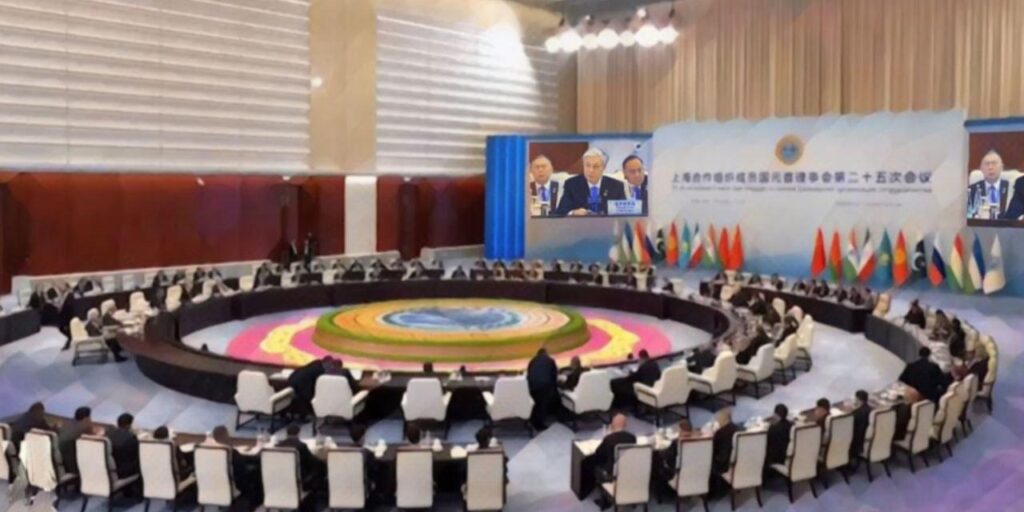
The 2025 Shanghai Cooperation Organization (SCO) Summit, which convened in Tianjin (also known as Tientsin) in China from August 31 to September 1, was the largest in the bloc’s twenty-five-year history. It gathered more than twenty heads of state and institutional leaders, among them China’s Xi Jinping, Russia’s Vladimir Putin, India’s Narendra Modi, Pakistan’s Shehbaz Sharif, Iran’s Masoud Pezeshkian, Kazakhstan’s Kassym-Jomart Tokayev, and UN Secretary-General António Guterres. The agenda ranged widely: counterterrorism, supply chain resilience, energy transition, and climate cooperation all featured.

For Beijing, the event was the centerpiece of its SCO presidency. Chinese officials cast it as a demonstration of “true multilateralism” at a time when protectionism and bloc politics are resurgent. The summit’s final product, the Tianjin Declaration, mapped strategic priorities to 2035. It stressed four pillars: collective security, economic integration, digital transformation, and sustainable development. Underpinning this ambition was trade estimated to be worth over $512 billion between China and SCO members in 2024, illustrating the economic weight now embedded in the organization.

Over the past year, Kazakhstan’s policy entrepreneurship has heightened the significance of its spell as chair spanning 2024-2025. The country’s prominence derives not only from these initiatives but also from its structural position as the largest economy on the Caspian Sea, endowed with the world’s largest reserves of uranium and significant critical minerals. Thanks to its successful implementation of a multi-vector foreign policy aligning with its national strategy priorities, including new energy and transportation agendas, Kazakhstan was able to consolidate its leadership profile.

Policy Initiatives and Prolific Activism

As one of the six founding members, Kazakhstan had chaired the SCO through 2024. At the 2024 Astana Summit, Tokayev unveiled initiatives that set the foundation for Tianjin. He called for the establishment of a UN Regional Center for Sustainable Development Goals in Central Asia and Afghanistan, arguing that the region’s fragility requires a dedicated UN presence. He also proposed an International Agency for Biological Security, intended to manage risks exposed by the pandemic era, and the creation of an SCO Investment Fund to finance joint projects in infrastructure and technology.

During that year, Kazakhstan organized over 140 events in security, economic, and cultural fields, a scale that exceeded most previous chairs. This activism reinforced Astana’s image as a policy entrepreneur within Eurasia’s multilateral institutions. Energy cooperation emerged as the most concrete innovation. In 2024, under Kazakhstan’s presidency and at its motivation, the organization produced a new “SCO Strategy for Energy Cooperation to 2030” committing members to mutual coordination not only in hydrocarbons but also in renewable energy deployment, cross-border grids, and green finance.  In Tianjin in 2025, this framework was carried forward as members endorsed an action plan translating the strategy into specific mechanisms for project financing, technical standards, and pilot cross-border infrastructure. In this way, Kazakhstan’s energy agenda was embedded into the SCO’s medium-term program going forward.

Cultural diplomacy was another theme. The “Spiritual Shrines of SCO Countries” project, launched under Kazakhstan’s chairmanship, sought to catalogue and promote shared civilizational heritage. Tokayev also advanced the idea of an “International Coalition on Primary Health Care,” elevating health security into the organization’s remit. These initiatives broadened the SCO’s identity beyond its original security focus, embedding developmental and social policy into its portfolio.

Bilateralism within Multilateralism: Kazakhstan’s Relations with China and Beyond

In Tianjin, Tokayev held extensive talks with Xi Jinping. Both leaders stressed the characterization of China and Kazakhstan as “trustworthy and reliable strategic partners.” Xi identified the bilateral relationship as a cornerstone of SCO cohesion, while Tokayev linked the SCO’s new energy agenda to Kazakhstan’s national strategy for decarbonization.

Kazakhstan’s ambassador to China, Shakhrat Nuryshev, underscored the role of Tianjin’s port and logistics hub as critical for Kazakhstan’s export flows. With its advanced warehousing and maritime access, Tianjin provides Central Asia with a direct outlet to East Asian markets, complementing the overland corridors through Xinjiang. This interconnection of inland and maritime routes illustrates how SCO rhetoric of connectivity translates into tangible economic geography. For example, a significant initiative in this direction has been the development of Kazakhstan’s Aktau Port on the Caspian Sea as a major logistics hub in partnership with the Chinese port of Lianyungang, 600 kilometers south of Tianjin.

The jointly constructed container hub at Aktau, designed to link Chinese maritime and rail infrastructure with Kazakhstan’s growing container transit volumes, brings Chinese investment and operational expertise. A consortium including China Harbor Engineering Company is greatly expanding the port’s processing capacity to establish a “hub-to-hub” transport system connecting China’s coastal ports with Central Asia and further westward to Europe.

Kazakhstan’s role at the Tianjin Summit extended beyond bilateral relations. As outgoing chair, it managed the integration of new SCO members and observers, ensuring consensus within an increasingly heterogeneous bloc. The SCO has expanded rapidly in recent years, now encompassing South Asia and the Middle East alongside its Central Asian core.

The risk of fragmentation is real, yet Kazakhstan’s diplomacy has been credited with maintaining cohesion. Astana’s mediation was decisive, for example, in steering enlargement toward productive outcomes. New members were pressed not merely to observe but to contribute substantively to the Tianjin Declaration. This facilitative style positions Kazakhstan as a broker of governance reform, an unusual role for a mid-sized state surrounded by larger powers.

Analytical Implications

Kazakhstan’s activism within the SCO also affects the internal dynamics of Central Asia. Uzbekistan, under President Mirziyoyev, has also pursued a pragmatic multi-vector policy, but Astana’s ability to set agendas within the SCO gives it greater visibility. Kyrgyzstan and Tajikistan, preoccupied with domestic challenges, have generally welcomed Kazakhstan’s leadership as a way to channel regional concerns into wider institutions. Turkmenistan, formally outside the SCO, nonetheless cooperates selectively, often through Kazakh mediation.

This regional dimension matters because Central Asia has long risked being overshadowed by the strategic rivalry among China, Russia, and India within the SCO. By inserting Central Asian priorities into summit declarations, Kazakhstan demonstrates that the smaller states are not merely passive participants but can actively shape institutional evolution.

Three themes in particular stand out from Kazakhstan’s role in Tianjin: its agenda-setting capacity, bilateral leverage, and regional brokerage.

First, regarding agenda-setting, Kazakhstan’s proposals on sustainable development, biological security, and investment financing have given the SCO a broader toolkit. Whether all will materialize remains uncertain, but the act of institutionalizing them in summit communiqués is itself an achievement.

Second, Kazakhstan, by anchoring its SCO role in a strong partnership with China, ensures that its initiatives are not marginal. Xi’s public endorsement of Tokayev’s proposals gives them weight among the organization’s members. At the same time, Kazakhstan preserves its multi-vector stance by continuing security cooperation with Russia and cultivating ties with South Asia.

Third, Kazakhstan uses its chairmanships and summit diplomacy to balance the entry of new members and to preserve Central Asia’s collective voice. In doing so, it reduces the risk that the SCO becomes a mere platform for great-power signaling, thereby establishing itself as a regional broker for Central Asia at large.

Kazakhstan as a Eurasian Agenda-Setter

The 2025 Tianjin Summit illustrates the SCO’s dual identity. On the one hand, with Xi, Putin, and Modi projecting their rivalries and partnerships, it was a theater for broader geopolitics. On the other hand, it was simultaneously a forum where Kazakhstan and other mid-sized states succeeded in embedding concrete regional priorities into the long-term strategy of the organization, and therefore also of its larger members.

In particular, Kazakhstan’s proposals link Central Asia’s needs in policy areas like sustainable development, energy transition, and health security to broader debates over global governance. Astana’s bilateral partnership with Beijing provides the leverage to see these proposals through, while Kazakhstan’s regional diplomacy ensures that Central Asia as a whole is not eclipsed.

The interests of the SCO’s diverse members will prevent it from becoming a unified bloc. However, its evolution into a multidimensional forum where security, economics, energy, and culture all have a place owes a good deal to Kazakhstan’s entrepreneurship. The Tianjin Declaration carries the imprint of Astana’s agenda, and its implementation to 2035 will test whether that influence endures.

What emerges most clearly from this perspective on the Tianjin Summit of the SCO is that Kazakhstan is no longer only a participant in Eurasian multilateralism but increasingly an agenda-setter. It uses institutions like the SCO to weave Central Asian priorities into the broader architecture of Eurasia. This role enhances regional agency in a world of shifting power balances, providing a pathway for the translation of Central Asia’s geography into diplomacy, from which follows the latter’s translation into durable influence.