• KGS/USD = 0.01144 0%
  • KZT/USD = 0.00196 -0%
  • TJS/USD = 0.10904 0%
  • UZS/USD = 0.00008 0%
  • TMT/USD = 0.28490 0%
  • KGS/USD = 0.01144 0%
  • KZT/USD = 0.00196 -0%
  • TJS/USD = 0.10904 0%
  • UZS/USD = 0.00008 0%
  • TMT/USD = 0.28490 0%
  • KGS/USD = 0.01144 0%
  • KZT/USD = 0.00196 -0%
  • TJS/USD = 0.10904 0%
  • UZS/USD = 0.00008 0%
  • TMT/USD = 0.28490 0%
  • KGS/USD = 0.01144 0%
  • KZT/USD = 0.00196 -0%
  • TJS/USD = 0.10904 0%
  • UZS/USD = 0.00008 0%
  • TMT/USD = 0.28490 0%
  • KGS/USD = 0.01144 0%
  • KZT/USD = 0.00196 -0%
  • TJS/USD = 0.10904 0%
  • UZS/USD = 0.00008 0%
  • TMT/USD = 0.28490 0%
  • KGS/USD = 0.01144 0%
  • KZT/USD = 0.00196 -0%
  • TJS/USD = 0.10904 0%
  • UZS/USD = 0.00008 0%
  • TMT/USD = 0.28490 0%
  • KGS/USD = 0.01144 0%
  • KZT/USD = 0.00196 -0%
  • TJS/USD = 0.10904 0%
  • UZS/USD = 0.00008 0%
  • TMT/USD = 0.28490 0%
  • KGS/USD = 0.01144 0%
  • KZT/USD = 0.00196 -0%
  • TJS/USD = 0.10904 0%
  • UZS/USD = 0.00008 0%
  • TMT/USD = 0.28490 0%
08 December 2025

Kyrgyzstan Sees Rising Pakistani Investment Amid Expanding Economic Partnership

Foreign direct investment (FDI) from Pakistan in Kyrgyzstan has more than doubled over the past five years, rising from $2 million in 2020 to $4.6 million in 2024, according to the National Investment Agency.

A sharp spike occurred in 2023, when Pakistani FDI reached $6.9 million, reflecting growing interest from Pakistani businesses in the Kyrgyz market.

“Kyrgyzstan and Pakistan demonstrate stable, positive dynamics of cooperation. The number of joint projects in agriculture, energy, trade, and the digital economy is expanding every year. We see high potential for further deepening of the partnership,” said Farkhat Iminov, Director of the National Investment Agency.

Expanding Sectoral Cooperation

On August 6, Iminov met with Marwan Alex Ayyash, Deputy Head of Mission at the Embassy of Pakistan in Kyrgyzstan. The Pakistani side expressed interest in developing cooperation in Kyrgyzstan’s mining sector, particularly in gold, tungsten, copper, and granite deposits.

Earlier, on July 28, Kyrgyzstan and Pakistan held the fifth meeting of the Intergovernmental Commission on Trade, Economic, Scientific, and Technical Cooperation. The key outcome was the signing of a Memorandum of Understanding between Kyrgyzstan’s National Investment Agency and Pakistan’s Investment Board.

The agreement aims to implement joint projects and expand cooperation in priority sectors including tourism, energy, agriculture, industry, transport, and logistics.


Kazakh Tazy Makes Sensational Debut at World Dog Show in Helsinki

The World Dog Show 2025 concluded on August 10 in Helsinki, marking the debut of the Kazakh Tazy on the international stage. For the first time, Kazakhstan’s national breed competed at this level and immediately gained recognition, winning seven major championship awards.

Steppe Spirit Captivates Judges and Breeders

The Kazakh national team drew the attention of leading judges, breeders, and experts, representing a major step toward global recognition of this unique hunting dog of the Great Steppe.

The Union of Dog Breeders of Kazakhstan presented eight top Tazy at a national stand designed as a semi-yurt adorned with traditional ornaments. The display served as both a celebration of the breed and a cultural highlight, attracting visitors who posed for photos, picked up informational booklets, and asked questions about the dogs.

Foreign breeders and heads of national clubs expressed interest in the breed’s history, results of genetic studies, working qualities, and health. Many requested training materials and details on how to purchase puppies.

“The reaction of international experts confirms that our Tazy dogs occupy a worthy place in the world dog-breeding arena… The whole world has now learned about and become interested in the Kazakh Tazy breed. We are proud to have presented not only a unique hunting dog, but also a cultural symbol of Kazakhstan,” said Bauyrzhan Serikkali, chairman of the Kazakh Kennel Union.

He added that the Union is ready to cooperate with foreign clubs and kennels, providing comprehensive information about the breed.

Ahead of the exhibition, members of the Kazakh diaspora and compatriots in Finland attended a special presentation of the Tazy. Recognized as one of the treasures of the Zhet Kazyna (Seven Treasures), it was a memorable cultural highlight for them during the World Dog Show.

President Kassym-Jomart Tokayev congratulated the Kazakh dog breeders on their success in Helsinki, sending a telegram to the Union.

From National Law to FCI Recognition

Efforts to preserve and promote the Kazakh Tazy and Tobet breeds began in 2023, when a relevant law was signed on the president’s instructions. That spring, the Ministry of Foreign Affairs was tasked with promoting the breeds internationally.

In August 2023, the Union of Dog Breeders of Kazakhstan became a full member of the Fédération Cynologique Internationale (FCI) and gained the right to represent national breeds. In May 2024, a single-breed exhibition in Astana saw FCI experts examine 100 Tazy dogs.

On September 3, 2024, in Amsterdam, the FCI provisionally recognized the breed and granted Kazakhstan the status of standard holder. Full recognition is expected no earlier than 2034, provided that breeding and participation in world competitions continue actively.

President Tokayev has instructed officials to further strengthen the status of national breeds, making them a hallmark of Kazakhstan on the international stage.

Tajik Cotton Exports to Iran Reach Record Levels

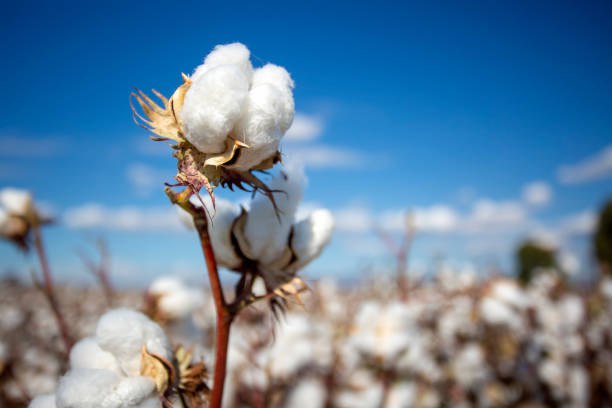
Since the start of 2025, Iran has imported more than 30,000 tons of cotton fiber from Tajikistan, accounting for over 83% of the country’s total foreign sales of this product. The value of these exports has reached $45.7 million.

Geography and Structure of Exports

Khurshed Zuhurzoda, First Deputy Director of the Tajikistan Export Agency, said Iran’s demand is driven by a shortage of raw materials for its domestic textile industry.

According to the Iranian Cotton Fund, the country’s annual cotton demand stands at around 180,000 tons, while domestic production meets only 70,000-80,000 tons. Geographic proximity and the high quality of Tajik fiber have made it one of Iran’s primary import sources.

From January to June 2025, Tajikistan exported 36,300 tons of cotton fiber worth $54.6 million to foreign markets. Of this, more than 30,900 tons, 83.61% in both value and volume, went to Iran. Other buyers included Russia ($4 million), Turkey ($1.97 million), Pakistan ($1.1 million), and China ($286,000).

The Khatlon region was the largest domestic supplier, providing $29.6 million worth of exports (54.22%), followed by Sughd with $25 million (45.78%). The average export price per ton was $1,506.

Negotiations on Expanding Cooperation

On July 30, during the 10th Consultation of the Ministers of Agriculture of Shanghai Cooperation Organisation (SCO) member states in China, Tajik Agriculture Minister Kurbon Hakimzoda met with Iranian Agriculture Minister Gholamreza Nouri.

Talks covered topics ranging from cotton supplies to the introduction of smart farming systems. Priorities included food security, development of greenhouse complexes, fish farming, organic agriculture, digital technologies, internationally accredited laboratories, climate change adaptation, and joint projects for product processing and packaging.

Nouri emphasized that strengthening agricultural ties with neighboring countries is a strategic priority for Iran. Hakimzoda, in turn, noted “satisfactory progress” in implementing existing agreements.

Prospects: Moving from Raw Cotton to Value-Added Exports

Tajikistan forecasts raw cotton production to grow from 422,000 tons in 2026 to 437,000 tons in 2028. Cotton fiber output is projected at 150,000 tons, while yarn production will increase from 49,000 to 54,000 tons.

The government’s export strategy aims to gradually reduce unprocessed cotton exports, from 72,000 tons in 2026 to 56,000 tons in 2028, while boosting yarn exports from 14,000 to 18,000 tons.

Agricultural expert Bakhodur Khaito said this shift could alter trade arrangements with Iran.

“With a reduction in direct fiber supplies, Dushanbe could offer Tehran more yarn, develop joint ventures, localize processing, and promote finished products to third markets,” he noted.

Kyrgyzstan Urges Farmers to Expand Fodder Crop Cultivation

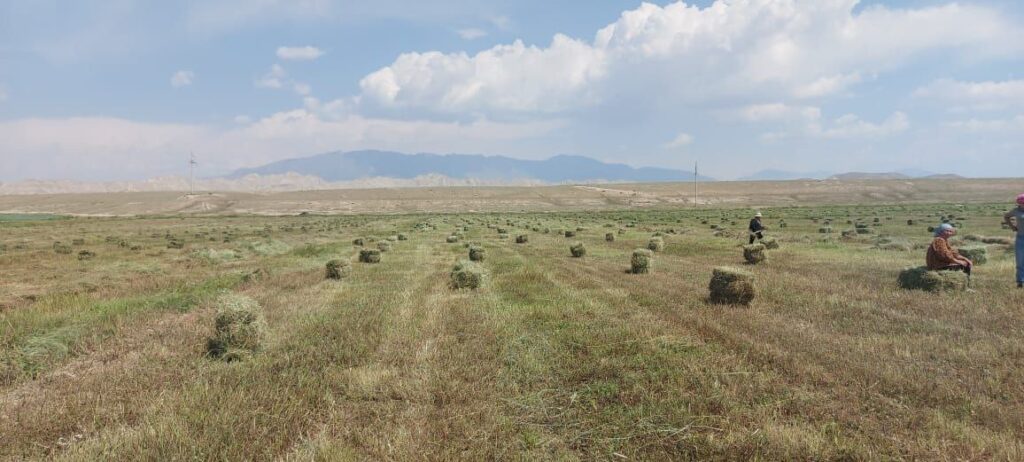
The Kyrgyz Ministry of Water Resources, Agriculture, and Processing Industry has called on farmers to actively plant corn, soybeans, sorghum, and other fodder crops for animal feed. The appeal was published on the ministry’s website.

According to the ministry, these crops are used to produce green fodder for livestock during the winter months, when pastures are bare. This practice is particularly important in regions with developed livestock farming.

Naryn region, for example, is the coldest in the country but also a leader in livestock production. Experts say expanding fodder crop cultivation would strengthen the sector’s resilience, boost meat and dairy output, and support overall agricultural growth.

The ministry noted that each autumn, prices for hay and feed rise sharply due to shortages. In Chui region, many farmers prefer to grow alfalfa to fatten livestock. Alfalfa is also used for hay bales, but it is highly water-intensive. Given Kyrgyzstan’s limited water resources and reliance on flood irrigation, this can lead to disputes between farmers.

While alfalfa remains popular, the ministry stressed that it is not suitable for all regions.

As The Times of Central Asia previously reported, Kyrgyz authorities recently imposed price controls on meat amid growing exports to neighboring countries. One of the factors behind the price hikes was a shortage of animal feed.

Kazakhstan Plans to Boost Agricultural Exports to Serbia

Kazakhstan plans to expand agricultural exports to Serbia, as discussed at the fourth meeting of the Kazakh-Serbian Intergovernmental Commission (IGC) held in Almaty late last week.

Co-chair of the IGC, Deputy Prime Minister and Minister of National Economy Serik Zhumangarin, said agriculture is one of the most promising areas of bilateral cooperation, along with healthcare, tourism, science, biotechnology, education, and culture. In the first half of 2025, trade in agricultural products between the two countries rose 1.5 times, reaching $4 million. Kazakhstan aims to increase supplies of grains and legumes, vegetable oils, fish, meat, and dairy products.

Deputy Minister of Agriculture Yermek Kenzhehanuly noted that the European Commission has approved requirements for the export of Kazakh fish products to EU countries, with 20 enterprises now authorized to supply pike perch fillets and other fish. In February, Kazakhstan also received permission to export honey to the European Union, and four major producers are ready to begin shipments. Work is ongoing to open access to the EU market for aquaculture products and horse meat.

Kazakhstan has proposed joint investment projects in the processing of livestock and crop products. Scientific cooperation was also identified as a promising area, including training specialists in breeding and seed production, conducting field trials of grain, oilseed, and vegetable crops across various regions, plant hybridization, and producing biopesticides.

According to the Ministry of Agriculture, food production in Kazakhstan has grown 1.4 times over the past three years, from KZT 2.3 trillion ($4.2 billion) in 2021 to KZT 3.3 trillion ($6.1 billion) in 2024. In the first half of 2025, gross agricultural output totaled KZT 1.8 trillion ($3.3 billion), 3.7% higher than the same period last year. Food production rose by 10%, while beverage production increased by 5%.

Exports of agricultural products grew 1.3 times, from $3.8 billion to $5.1 billion. Investments in fixed assets in agriculture increased 1.2 times to KZT 919 billion ($1.7 billion), while investments in food production rose from KZT 118.3 billion to KZT 180.3 billion (from $220 million to $333 million). Labor productivity in the sector reached KZT 5 million ($9,200) per employee, up from KZT 3.4 million ($6,300) in 2021.

State support has led to a doubling of fertilizer use from 626,000 tons to 1.3 million tons, an increase in the renewal rate of agricultural machinery from 4.3% to 5.5%, a 1.38-fold rise in the yield of grain and legumes from 11.0 to 15.2 cwt/ha, a 1.82-fold increase in land cultivated with water-saving technologies to 470,100 hectares, a 10% rise in cattle numbers to 4.3 million head, and a 17.3% increase in small ruminants to 11.6 million head.

As previously reported by The Times of Central Asia, in January, Minister of Agriculture Aidarbek Saparov met with Russian Agriculture Minister Oksana Lut in Moscow to discuss lifting restrictions on the import and transit of agricultural products and boosting Kazakh food exports to Russia.

South Caucasus Peace Push Faces Political and Regional Roadblocks

This past weekend, discussion of the “historic joint declaration for peace” was nearly impossible to avoid. Optimism ran high, with many expressing hope that peace and cooperation might finally take hold in the South Caucasus. But how realistic is that vision?

What was signed in Washington on August 8, 2025, was not a binding treaty but a declaration of intent. That is a meaningful step, but for now it remains a symbolic document. Turning it into lasting peace will require a full treaty with specific commitments. One major hurdle is Armenia’s constitution, which still contains territorial claims to land recognized as part of Azerbaijan. Amending this will be politically difficult.

The day after the signing, the opposition Armenian Revolutionary Federation (ARF) issued a sharply critical statement. It accused the declaration of harming Armenia’s sovereignty, legitimizing an Azerbaijani-favored corridor, and violating Armenia’s territory. The ARF demanded the withdrawal of Azerbaijani forces, the release of Artsakh’s political prisoners, and guarantees for the safe return of displaced Armenians. Of the 69 seats in Armenia’s parliament, 28 belong to the “Armenia” faction, 15 of them held by ARF members, giving the party significant influence over this debate.

Azerbaijani President Ilham Aliyev has also said that the wording of Armenia’s constitution blocked the signing of a treaty in Washington.

Alongside the declaration, the leaders of Armenia and Azerbaijan signed economic agreements with the United States to boost trade, transit, energy, infrastructure, and technology in the South Caucasus. Yet these too face obstacles. Iranian official Ali Akbar Velayati vowed to prevent the creation of an “American corridor” in the region and rejected reports of a US-Armenian lease deal for land along Iran’s border, warning it would become “a graveyard for the mercenaries of Donald Trump.”

Proponents argue that if such a corridor opens, it could strengthen the Trans-Caspian International Transport Route. However, no study has yet confirmed whether the 43-kilometer stretch in question could handle a major traffic increase.

After a weekend of high expectations, political realities have brought a more cautious mood.

The week ahead promises further developments. President Trump has  announced a meeting with Russian President Vladimir Putin in Alaska. Some reports claim Putin has proposed a Ukraine ceasefire in exchange for significant territorial concessions and recognition of Russia’s claims.

In response, European leaders issued a joint statement affirming Ukraine’s right to decide its own future, calling for robust security guarantees, and insisting that any peace process must begin with a ceasefire or reduced hostilities. Ukrainian President Zelensky reiterated that the constitution already answers the territorial question and that no land will be surrendered.

Diplomatic exchanges have been intense. Kazakh President Kassym-Jomart Tokayev spoke with both Zelensky and Aliyev, urging a balanced approach and recalling the saying that “a bad peace is better than a good war.” Putin called the president of Tajikistan, and Zelensky spoke again with Aliyev. Behind the brief official readouts lies a broader search for ways forward.

International politics is a delicate process, and disputes built over decades or centuries are not solved quickly. Time will tell whether this declaration marks the start of true peace or just another step in a long and difficult journey.