• KGS/USD = 0.01144 0%
  • KZT/USD = 0.00213 0%
  • TJS/USD = 0.10456 0.19%
  • UZS/USD = 0.00008 0%
  • TMT/USD = 0.28490 0%
  • KGS/USD = 0.01144 0%
  • KZT/USD = 0.00213 0%
  • TJS/USD = 0.10456 0.19%
  • UZS/USD = 0.00008 0%
  • TMT/USD = 0.28490 0%
  • KGS/USD = 0.01144 0%
  • KZT/USD = 0.00213 0%
  • TJS/USD = 0.10456 0.19%
  • UZS/USD = 0.00008 0%
  • TMT/USD = 0.28490 0%
  • KGS/USD = 0.01144 0%
  • KZT/USD = 0.00213 0%
  • TJS/USD = 0.10456 0.19%
  • UZS/USD = 0.00008 0%
  • TMT/USD = 0.28490 0%
  • KGS/USD = 0.01144 0%
  • KZT/USD = 0.00213 0%
  • TJS/USD = 0.10456 0.19%
  • UZS/USD = 0.00008 0%
  • TMT/USD = 0.28490 0%
  • KGS/USD = 0.01144 0%
  • KZT/USD = 0.00213 0%
  • TJS/USD = 0.10456 0.19%
  • UZS/USD = 0.00008 0%
  • TMT/USD = 0.28490 0%
  • KGS/USD = 0.01144 0%
  • KZT/USD = 0.00213 0%
  • TJS/USD = 0.10456 0.19%
  • UZS/USD = 0.00008 0%
  • TMT/USD = 0.28490 0%
  • KGS/USD = 0.01144 0%
  • KZT/USD = 0.00213 0%
  • TJS/USD = 0.10456 0.19%
  • UZS/USD = 0.00008 0%
  • TMT/USD = 0.28490 0%

Kazakhstan’s Domestic Trade Growth Slows as Consumer Demand Weakens

The growth of domestic trade in Kazakhstan slowed markedly in early 2026, reinforcing signs of weakening consumer activity and increased business caution.

According to the National Statistics Bureau, the trade sector expanded by only 3.4% in January–February, compared with 6% during the same period a year earlier. Growth slowed significantly, affecting both wholesale and retail trade.

Analysts at Halyk Finance believe the trend reflects deeper economic processes rather than a short-term fluctuation.

The dynamics at the start of the year point to a cooling of aggregate demand and economic activity,” Halyk Finance said.

Wholesale trade, a key indicator of business activity, showed the most pronounced slowdown. Growth fell to 3.8%, down from 6.6% a year earlier.

In the first two months of the year, the volume of wholesale transactions reached $9.6 billion. However, the structure of trade indicates a predominance of non-food and industrial goods, reflecting weaker corporate demand.

Experts also note that declining oil production has exerted additional pressure on the sector, directly affecting wholesale sales volumes.

The situation in retail trade remains mixed. Overall growth stood at 2.6%, driven largely by large retail chains.

Sales in organized retail increased by 3.7%, while turnover among individual entrepreneurs and traditional markets continued to decline, falling by 1%.

This trend reflects ongoing structural changes in the sector. The market is gradually shifting in favor of large retail players, while small businesses face growing competitive pressure.

Changes in consumer spending patterns are also evident. Sales of food products rose by 9.1%, whereas non-food sales increased by only 0.2%, despite accounting for the majority of retail turnover.

This suggests that households are becoming more cautious, focusing spending on essential goods and postponing purchases of more expensive items.

Another indicator of weakening demand is the rise in inventory levels. As of early March, inventories totaled approximately $2.5 billion, equivalent to around 77 days of sales.

Combined with slower turnover, this points to a softening of consumer demand.

Overall, analysts note that domestic trade continues to grow, but the pace of expansion is slowing and becoming less sustainable.

Business activity remains subdued, consumers are saving more, and the market is gradually shifting toward more formal retail participants.

The Times of Central Asia previously reported that the government is considering support measures for key sectors, including dairy and baking, in an effort to curb inflation and sustain demand.

Kyrgyzstan Moves to Expand Organic Farming but Certification Barriers Limit Exports

Kyrgyzstan is stepping up efforts to expand organic agriculture, but limited access to international certification continues to pose a major obstacle to export growth.

The country currently has nine agricultural cooperatives and 30 organic farmland plots covering about 61,500 hectares. Certified organic land accounts for just over 5% of total arable land.

Cooperatives operating under international standards produce crops such as cotton, herbs, apricots, and grains for export to more than 30 countries. Smaller farms, however, often rely on the Participatory Guarantee System (PGS), a low-cost, community-based certification model mainly used for domestic markets.

Despite strong potential for high-value organic products, including berries and vegetables, obtaining international certification remains costly and administratively complex for small producers.

To address these challenges, the government adopted a development programme for 2025-2029. The strategy aims to expand organic farmland to 200,000 hectares, transition the Issyk-Kul and Naryn regions toward predominantly organic production, and increase the share of organic products to 25% of both total agricultural output and exports.

Officials view organic farming as an important tool for sustainable rural development. However, further expansion of the sector will depend largely on improving access to internationally recognized certification systems.

Ecotourism Revenues More Than Double as Visitor Numbers Rise in Kyrgyzstan

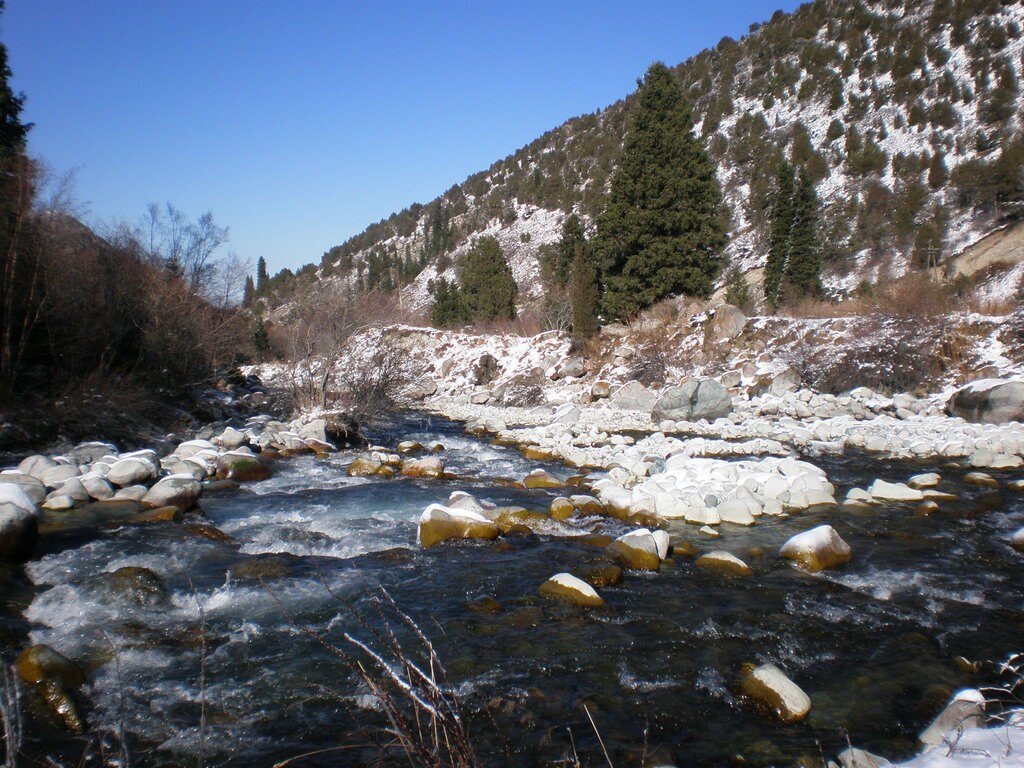
Ecotourism in Kyrgyzstan is gaining momentum, with revenues from visits to specially protected natural areas more than doubling in 2025, according to the Ministry of Natural Resources, Ecology, and Technical Supervision.

Total revenue reached approximately $431,000, marking a 105% year-on-year increase.

The surge reflects growing interest in nature-based tourism. In 2025, more than 271,000 tourists visited Kyrgyzstan’s nature reserves and national parks, a 24% increase compared with the previous year.

Domestic tourism remains the main driver. Around 250,500 visitors were Kyrgyz citizens, while the number of foreign tourists also continued to rise steadily.

Protected natural areas now cover 7.38% of Kyrgyzstan’s territory. The system includes 10 state nature reserves, covering 509,900 hectares, and 13 state nature parks with a total area of 724,900 hectares. These areas are designated to preserve unique ecosystems, biodiversity, and rare or endangered species.

Among the most prominent sites are the Sary-Chelek Biosphere Reserve, a UNESCO-recognised area known for its alpine lake; the Issyk-Kul State Nature Reserve; and Ala-Archa National Park, located near Bishkek and popular with both local residents and international visitors.

In April 2025, Kyrgyzstan launched the Ak Ilbirs (Snow Leopard) Ecological Corridor in the Issyk-Kul region, a major conservation initiative aimed at protecting endangered wildlife.

The corridor spans more than 792,000 hectares and connects several key protected areas, including Khan-Tengri State Nature Park, Sarychat-Ertash Nature Reserve, and Naryn Nature Reserve.

The project is intended to provide a safe habitat for snow leopards and other vulnerable species, while promoting the sustainable use of natural resources.

Growth in ecotourism is being accompanied by broader environmental initiatives. Under the national “Jashyl Muras” (Green Heritage) campaign, Kyrgyzstan is implementing reforestation and landscaping programmes in protected areas.

In 2025 alone, more than 25,200 tree saplings were planted across 39 hectares, contributing to the restoration of natural ecosystems.

Officials say that efforts to expand conservation areas, improve tourism infrastructure, and promote sustainable travel are helping position Kyrgyzstan as an increasingly attractive destination for environmentally conscious travelers.

Jet Fuel Shortages Threaten Kazakhstan’s Aviation Growth Despite Expansion Plans

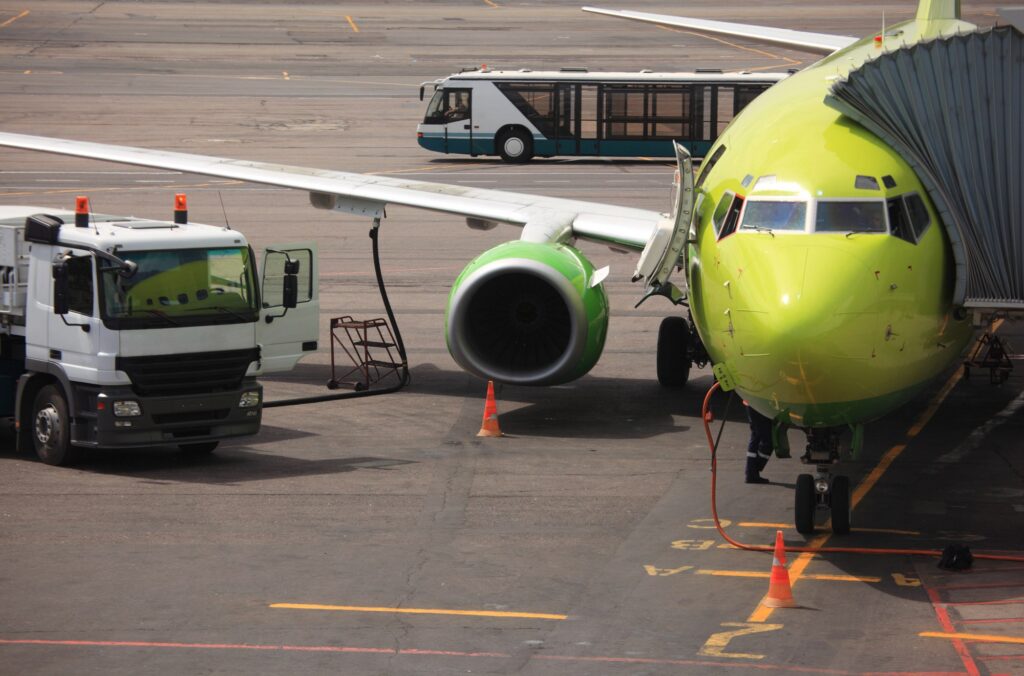
Kazakhstan’s aviation industry is demonstrating steady growth. By the end of 2025, the country’s airports had served 31.8 million passengers, up from 29.7 million in 2024, and handled 173,300 tons of cargo compared with 170,900 tons a year earlier. Total airline passenger traffic reached 20.7 million, and more than 35 new international routes were launched.

The government plans to expand regional transport links and attract investment into the aviation sector. It also aims to increase the number of international routes. The industry is working to develop airport hubs and accommodate growing passenger demand, while positioning Kazakhstan as a transit country. These plans will depend in part on the availability of aviation fuel.

Shortages of aviation kerosene in Kazakhstan have moved beyond an industry concern and are becoming an issue of energy and transport policy, as well as a potential source of economic risk.

Despite being one of the world’s major oil producers, Kazakhstan continues to rely on imports of petroleum products. Of roughly 100 million tons of oil produced annually, only about 18 million tons are refined domestically. Although refining volumes and petroleum product output increased in 2025, the country still imports diesel and jet fuel at higher prices.

According to Argus data, the cost of imported jet fuel at the Russian-Kazakh border averaged $765 per ton at the beginning of 2025. By early summer, the price had fallen to $610 per ton, before rising by nearly 60% in November to $975 per ton, excluding VAT.

In 2026, the domestic supply situation may become more complicated. In addition to volatility in global markets, including tensions in the Middle East, scheduled maintenance shutdowns at oil refineries are expected to affect output.

This year, all three major refineries, Atyrau Oil Refinery, Pavlodar Petrochemical Plant, and PetroKazakhstan Oil Products, are scheduled for maintenance, which will temporarily reduce fuel production.

According to data provided by the national oil and gas company KazMunayGas, Kazakhstan’s refineries produced 726,000 tons of jet fuel last year. Under the Ministry of Economy’s indicative plan, output is expected to reach 750,000 tons in 2026.

Demand for jet fuel is rising due to the active development of the air transport market and an increase in flight frequency.

KazMunayGas is implementing measures to expand production and introduce new technologies. By 2030, refinery modernization is expected to increase jet fuel output.

Deputy Minister of Energy Kaiyrkhan Tutkyshbaev told The Times of Central Asia that plans are being considered to increase jet fuel production from the current 0.7 million tons to 1.7 million tons per year through phased refinery capacity expansion from 17 million to 27.7 million tons by 2030. This includes expanding the Shymkent refinery from 6 million to 12 million tons of crude per year, the Pavlodar refinery from 5.5 million to 9 million tons in two phases and increasing secondary refining capacity at the Atyrau refinery by 0.7-1.2 million tons.

Additionally, domestic jet fuel production is expected to grow by 50,000 tons annually between 2026 and 2028. With consumption projected at 1.18 million tons in 2026, production is expected to reach about 750,000 tons, leaving imports at roughly 450,000 tons.

Sarsen Zharylgasov, deputy chairman of the Civil Aviation Committee of the Ministry of Transport, said measures have been introduced to ensure supply availability. These include diversifying imports from outside the Eurasian Economic Union, particularly from China and Turkmenistan, as well as exempting aviation fuel from import customs duties until June 30, 2026, under a decision of the Eurasian Economic Commission, and from VAT when used in air transport services.

These steps are expected to reduce the overall cost of imported aviation fuel and help lower prices for airlines.

KazMunayGas-Aero has been designated as the sole operator responsible for fuel supply and aircraft refueling at Kazakhstan’s airports.

According to Tutkyshbaev, this decision has reduced aviation fuel prices at airports by around 25%, while capping profit margins at 5%, creating conditions for increasing international flights and strengthening the country’s transit potential. As a result, aviation fuel prices at Kazakhstani airports have declined to approximately $950 per ton.

Nevertheless, industry experts warn that these measures may be insufficient over the next two to four years to fully meet growing demand. By 2028, the aviation sector is expected to double cargo volumes to 300,000 tons annually.

Rising Demand for Aviation Fuel

The sector’s plans to develop hubs, expand routes, and handle rising passenger traffic, as well as to position Kazakhstan as a transit country, all depend on fuel availability.

In the medium and long term, experts expect further increases in demand as the aviation sector expands.

Plans to strengthen Kazakhstan’s hub status include the construction of second runways at airports in Astana and Shymkent, new terminals in Almaty, Atyrau, and Aktau, modernization of airports in Arkalyk and Pavlodar, and the construction of new airports in the resort areas of Katon-Karagay, Zaisan, and Kenderli.

In addition, nine new aircraft are expected to join airline fleets this year, increasing the total number to 118 and enabling route expansion.

Under the country’s “open skies” policy, a key driver of international air travel growth, more than 35 new international routes were launched in 2025, including flights to Budapest, Shanghai, Seoul, Guangzhou, Munich, and Bangkok.

New routes to destinations in Asia, the Middle East, and Europe are also planned this year, which will further increase demand for aviation fuel.

Expand Existing Refineries or Build a New One?

The government faces a strategic decision regarding the construction of a new oil refinery.

Tutkyshbaev said that work is planned between 2026 and 2033 on feasibility studies, design, construction, and commissioning of a new refinery with a capacity of 10 million tons per year. This would raise Kazakhstan’s total refining capacity to 40 million tons annually.

Alongside efforts to address domestic fuel shortages, the authorities also aim to develop export potential to neighboring regions. The Ministry of Energy says priority should be given to expanding existing refinery capacity before launching construction of a new plant.

Industry forecasts suggest jet fuel demand could reach 2 million tons by 2030, requiring significant investment in refining capacity and adjustments to tariffs.

As demand for aviation fuel continues to grow, Kazakhstan will need to balance imports with bringing modernized refineries to full capacity.

The Ministry of Energy and KazMunayGas expect that reducing import dependence will free up resources for exports. Much will depend on the timely commissioning of a new refinery by 2040, which is expected to eliminate jet fuel shortages and improve export capacity.

Despite strong growth in aviation, fuel constraints pose a risk to Kazakhstan’s ambitions to serve as a regional aviation hub at the crossroads of major international air corridors. This is particularly important given the sector’s role in regional connectivity, international cooperation, and investment.

Kazakhstan Plans First Legal Saiga Horn Exports

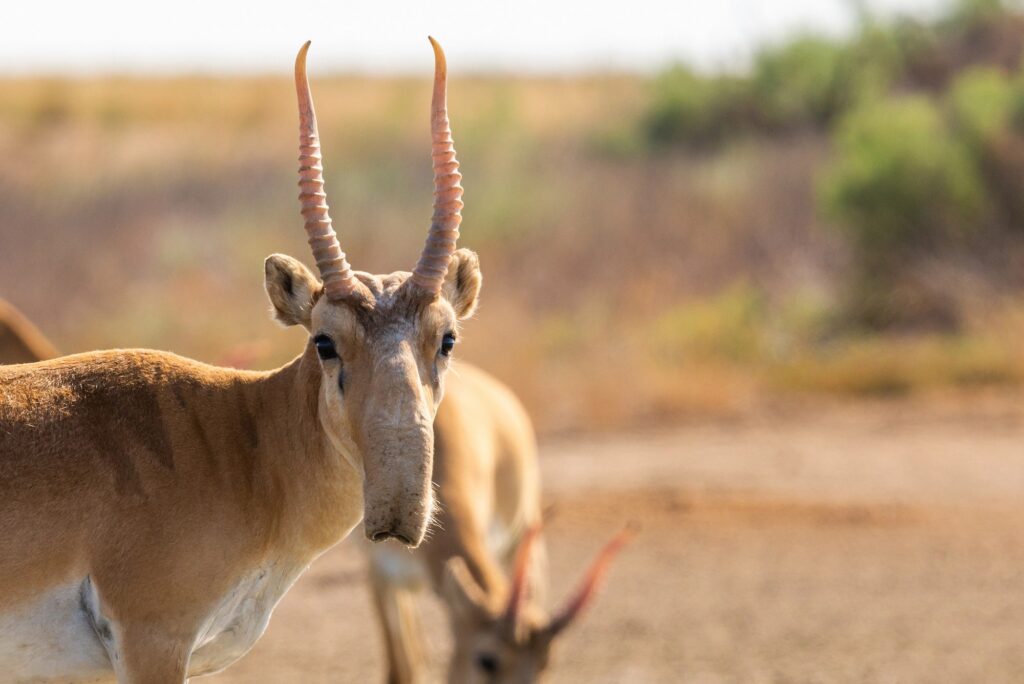
In 2026, Kazakhstan plans to begin officially exporting the horns of saiga antelopes for the first time in its history. The initial shipment is expected to total 20 tons, potentially generating tens of millions of dollars on Asian markets.

The decision appears both logical and controversial. On one hand, the state has an opportunity to recover part of the funds spent on protecting the species. On the other, legalising trade could stimulate demand and once again make the saiga antelope a target for poachers.

From the Brink of Extinction to a “Problem Species”

In the early 2000s, the situation was critical. By 2003, only about 21,000 saigas remained in Kazakhstan. The animals were widely poached for their horns, which were sold on Asian markets.

The government responded with strict measures, including a hunting ban, enhanced protection, and the establishment of specialised agencies such as Okhotzooprom, responsible for safeguarding rare and endangered wildlife. Even after 2015, when more than 200,000 animals died from pasteurellosis, conservation programs continued.

The results were striking. By 2025, the saiga population had surpassed 2 million.

However, this conservation success has created new challenges. Large herds have increasingly damaged agricultural land, trampling pastures and destroying crops. Farmers in affected regions have called for urgent intervention and compensation.

Stockpiles and Potential Revenue

In response, authorities introduced population control measures, including limited culling. At the same time, antlers accumulated in storage facilities both from legally culled animals and those seized from poachers.

Today, around 20 tons of saiga horns are reportedly stored in warehouses. Maintaining these stockpiles entails budgetary costs. With black market prices reaching up to $3,000 per kilogram, the theoretical value of the reserves could approach $60 million. In practice, officials expect lower but still substantial revenue. The main buyers are expected to be in Asia, particularly China, where saiga horns are used in traditional medicine.

To enter international markets, Kazakhstan must comply with the strict requirements of the Convention on International Trade in Endangered Species of Wild Fauna and Flora (CITES). This includes demonstrating that trade does not threaten the species’ survival, and ensuring full traceability of the product’s origin. Without such verification, exports will not be permitted.

Why Horns Are Being Exported

At first glance, domestic processing of saiga horns into pharmaceutical products might appear more profitable. In reality, this option faces significant obstacles.

Scientific evidence does not show that there are any medicinal properties in saiga horns, which consist primarily of keratin, similar to human hair and nails. In addition, the traditional medicine market is highly conservative, with consumers placing greater trust in established local brands.

Buyers also tend to prefer whole horns, as powdered products are easier to counterfeit. Furthermore, the saiga population remains vulnerable to disease outbreaks, which could undermine long-term investment in processing facilities. Environmental, social, and governance (ESG) considerations further limit investor interest in industries linked to wildlife exploitation.

Risks of Legalisation

The main concern is that legalising trade could unintentionally strengthen illegal markets. Once a product becomes legal, it may gain greater legitimacy and attract increased demand. If legal supply proves insufficient, illicit trade could expand to fill the gap.

There is also a risk that illegally obtained horns could be mixed with legal stock. Distinguishing between them without expert analysis is extremely difficult, potentially creating opportunities for corruption and weakening regulatory oversight.

The saiga case represents a rare situation in which successful species recovery has generated new economic and environmental dilemmas.

Authorities state that revenue from exports will be directed toward conservation efforts. The key question is whether Kazakhstan can turn this initiative into a model of sustainable wildlife management, or whether legal trade will trigger a renewed wave of poaching.

Threats to Regional Security: Why Escalation Around Iran Matters for Central Asia

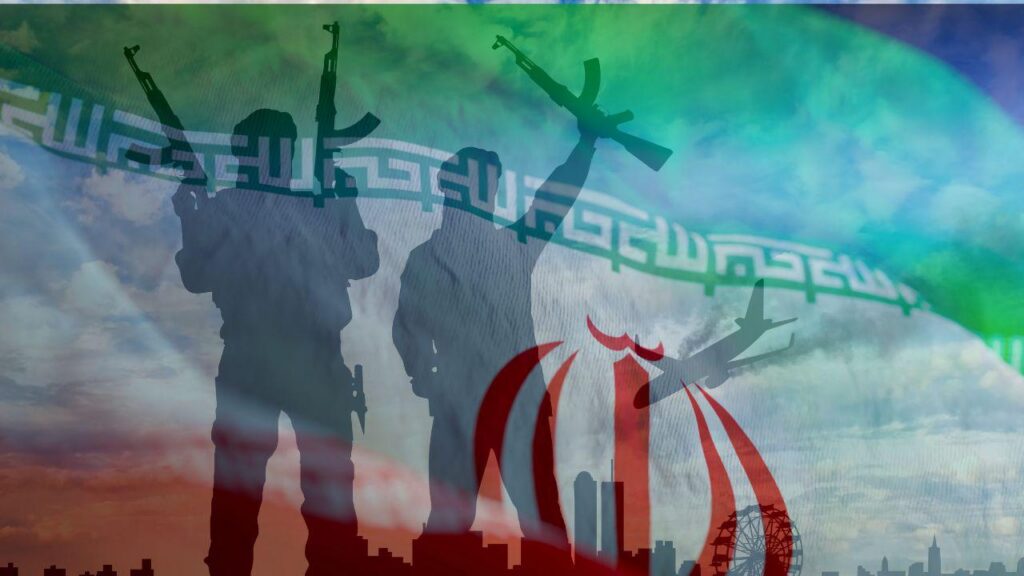
For Central Asia, the central question is not simply whether a wider conflict involving Iran would destabilize the Middle East, but how that instability could spill north into a region that has repeatedly absorbed the consequences of crises to its south. Central Asian states have seen before how militant infiltration, narcotics trafficking, and extremist mobilization can intensify when neighboring wars weaken state control and create more permissive transit corridors.

History gives Central Asia specific reasons to take that risk seriously. During the Tajik civil war and its aftermath, the Tajik-Afghan border became a frontline against crossings by Afghan militants and narcotics traffickers. In 1999 and 2000, fighters from the Islamic Movement of Uzbekistan, or IMU, carried out the Batken incursions  into southern Kyrgyzstan, took hostages, and demonstrated how quickly insecurity from the Afghan theater could penetrate Central Asia. At the same time, Afghan opiates moved north through the Northern Route, tying militancy, organized crime, and border insecurity into a single regional problem.

Afghanistan remains the most important precedent, but the comparison with Iran must be made carefully. After the fall of Najibullah in 1992, Afghanistan fragmented into competing militias and warlord zones. The Taliban later emerged from that disorder, and the Afghan state collapsed again when the Taliban captured Kabul and returned to power in 2021. Iran is structurally different. It has a centralized state, a denser security apparatus, and the Islamic Revolutionary Guard Corps, or IRGC, which is deeply embedded in regime security and domestic politics. For that reason, the most plausible risk is not an immediate Afghanistan-style collapse, but a slower weakening of control in peripheral regions that could open space for armed groups, trafficking networks, and extremist recruiters.

Those peripheral regions matter because Iran’s borderlands already contain armed actors with their own agendas. In the northwest, PJAK remains part of the Kurdish militant landscape. In the southeast, Jaysh al-Adl operates in Sistan-Baluchistan and adjoining border areas. Their capabilities should not be exaggerated, and they do not represent entire Kurdish or Baloch populations. But in a period of prolonged instability, such groups could exploit weaker local control, greater arms circulation, and more permissive smuggling corridors.

For Central Asia, however, the greatest concern is the interaction between any Iranian crisis and the threat environment centered on Afghanistan. United Nations reporting in 2025 assessed ISIL-K as the predominant extra-regional terrorist threat, and the U.S. National Counterterrorism Center says ISIS-K has carried out attacks in Afghanistan, Iran, Pakistan, and Russia while using media to recruit new members and advance a vision of “Khorasan” that explicitly includes parts of Central Asia and Iran. In other words, Central Asia already faces a live extremist ecosystem to its south; wider instability involving Iran could amplify that pressure rather than replace it.

This is why Central Asia should not be seen as a passive observer. The region sits at the junction of security corridors linking Afghanistan, Iran, the Caspian basin, and Russia. A wider conflict involving Iran could intensify trafficking through existing routes, strain border services, and create new openings for covert movement and extremist recruitment. The lesson from the Tajik-Afghan frontier, the Batken incursions, and the Northern Route is that spillover usually reaches Central Asia not through conventional invasion, but through networks, logistics, and cumulative pressure on weak points along the regional periphery. Regional governments therefore need tighter intelligence coordination, stronger border monitoring, and more realistic contingency planning for how instability around Iran could interact with the enduring threat landscape south of Central Asia.