• KGS/USD = 0.01144 0%
  • KZT/USD = 0.00194 0%
  • TJS/USD = 0.10879 -0.18%
  • UZS/USD = 0.00008 0%
  • TMT/USD = 0.28490 0%
  • KGS/USD = 0.01144 0%
  • KZT/USD = 0.00194 0%
  • TJS/USD = 0.10879 -0.18%
  • UZS/USD = 0.00008 0%
  • TMT/USD = 0.28490 0%
  • KGS/USD = 0.01144 0%
  • KZT/USD = 0.00194 0%
  • TJS/USD = 0.10879 -0.18%
  • UZS/USD = 0.00008 0%
  • TMT/USD = 0.28490 0%
  • KGS/USD = 0.01144 0%
  • KZT/USD = 0.00194 0%
  • TJS/USD = 0.10879 -0.18%
  • UZS/USD = 0.00008 0%
  • TMT/USD = 0.28490 0%
  • KGS/USD = 0.01144 0%
  • KZT/USD = 0.00194 0%
  • TJS/USD = 0.10879 -0.18%
  • UZS/USD = 0.00008 0%
  • TMT/USD = 0.28490 0%
  • KGS/USD = 0.01144 0%
  • KZT/USD = 0.00194 0%
  • TJS/USD = 0.10879 -0.18%
  • UZS/USD = 0.00008 0%
  • TMT/USD = 0.28490 0%
  • KGS/USD = 0.01144 0%
  • KZT/USD = 0.00194 0%
  • TJS/USD = 0.10879 -0.18%
  • UZS/USD = 0.00008 0%
  • TMT/USD = 0.28490 0%
  • KGS/USD = 0.01144 0%
  • KZT/USD = 0.00194 0%
  • TJS/USD = 0.10879 -0.18%
  • UZS/USD = 0.00008 0%
  • TMT/USD = 0.28490 0%
15 December 2025

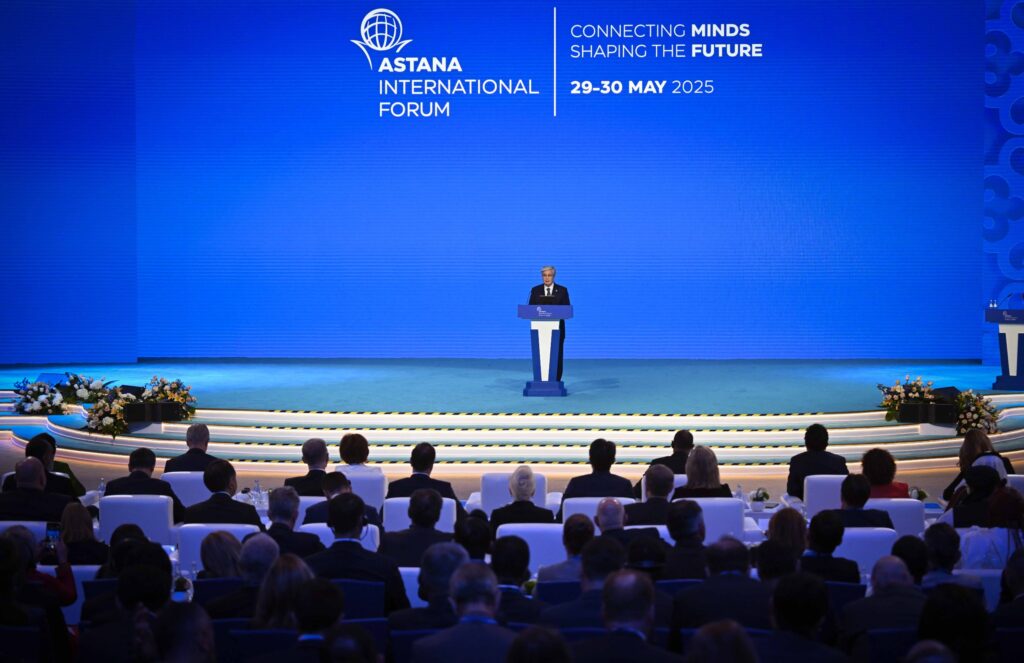
At AIF, Tokayev Proposes “CryptoCity” as Pilot Zone for Digital Innovation

Kazakhstan plans to establish a pilot zone named “CryptoCity” to facilitate the free circulation of cryptocurrencies, President Kassym-Jomart Tokayev announced at the Astana International Forum (AIF).

“We plan to create an innovative pilot zone called CryptoCity, where cryptocurrencies can be used to purchase goods, services, and for other purposes,” Tokayev stated.

The president highlighted Kazakhstan’s progress in digital transformation, positioning the country as a potential Eurasian IT hub. He also outlined ambitions for Kazakhstan to become an academic and innovation center through partnerships with foreign universities and increased research and development.

“Kazakhstan is launching the most powerful supercomputer, which has already been delivered to the country,” Tokayev said, referencing a recent agreement between the Ministry of Digital Development, Innovation and Aerospace Industry and Presight AI Ltd. The system, boasting a performance of about 2 exaflops, was developed under a strategic partnership with G42, an Abu Dhabi-based technology group.

Cryptocurrency regulation remains a divisive issue in Kazakhstan. While the National Bank supports liberalizing the sector, several members of parliament are advocating for increased state control.

Tokayev used the economic forum to reaffirm Kazakhstan’s commitment to innovation as a tool for societal development.

“Our primary task is to reduce regional disparities and strengthen the middle class. That is why we continue to bolster our capabilities in key sectors, from digital technologies and artificial intelligence to clean energy and high value-added manufacturing,” he said.

He also emphasized regional cooperation: “Kazakhstan is ready to share its emerging IT capabilities with its neighbors and collaborate with all countries interested in fostering economic ties.”

Reflecting on global trends, Tokayev warned of growing protectionism and weakening multilateralism. “There are different scenarios for the future, some offer opportunities, others harbor risks. Will we see inclusive progress or destructive fragmentation? This depends not on the declarations of a few, but on the cooperation of the majority,” he concluded.

Kyrgyz Authorities Seek to Classify Cement as Socially Significant

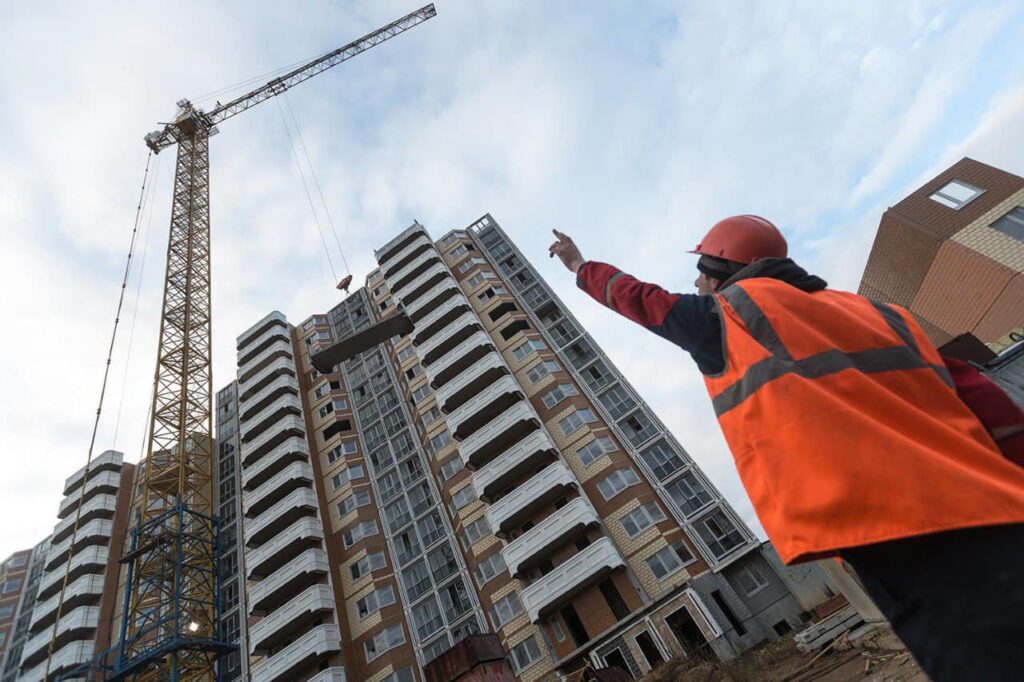
The Ministry of Economy and Commerce of the Kyrgyz Republic has released a justification for its decision to include cement on the list of socially significant goods, a designation that allows the government to regulate prices for essential items, including construction materials.

According to the ministry, the absence of state oversight has led to unjustified increases in cement prices, placing upward pressure on housing costs and hindering the construction of social and infrastructure projects.

“This situation limits the population’s access to quality, affordable housing and slows the country’s socio-economic development,” the ministry stated.

By classifying cement as a socially significant good, the government gains the authority to regulate its price. The move aims to stabilize the construction market, lower building costs, and improve housing affordability for the public.

Officials at the ministry expressed confidence that the measure would not cause any significant negative consequences. The only potential downside, they noted, would be a reduction in profits for cement manufacturers and intermediaries, primarily in conditions of market volatility where price ceilings may be imposed.

Kyrgyz economists support the move, arguing that state price regulation will help stabilize the domestic cement market, stimulate the construction industry, and improve the broader socio-economic outlook. They also believe it will bolster regulatory oversight of the construction sector.

The ministry further warned that the lack of effective pricing mechanisms poses risks of shortages or sudden price spikes during periods of heightened demand. In contrast, stable cement prices would boost confidence among construction firms, enabling better planning and project implementation.

To ease supply constraints, the Kyrgyz cabinet previously lifted a temporary ban on cement imports, aiming to satisfy a growing demand from construction companies and the general population through additional foreign supply.

Center for Labor Migrants Opens in Kyrgyzstan

On May 28, a new Center for Pre-Migration Orientation and Reintegration of Migrants was inaugurated in Bishkek, marking a significant step toward safer and more organized labor migration for Kyrgyz citizens.

According to the International Organization for Migration (IOM) in Kyrgyzstan, nearly 40% of the country’s youth migrate abroad for work, often without formal contracts or adequate preparation. The newly established center is designed to assist prospective and returning migrants in navigating the complexities of labor migration.

The center is part of a broader IOM initiative funded by the Swiss Agency for Development and Cooperation (SDC).

Speaking at the opening ceremony, IOM Director General Amy Pope emphasized the center’s mission: “At the Center, we will help prospective and returning migrants get the tools and information they need to stay safe and successful. When migration is safe, regular, and dignified, it leads to better outcomes for the migrants, the country they go to work in, and the country they come from.”

The project was developed in partnership with Kyrgyzstan’s Ministry of Labor, Social Security and Migration and the Ministry of Education.

Minister Ravshanbek Sabirov highlighted the center’s importance: “The Center is an important step toward protecting the rights and ensuring decent conditions for our migrants. Here they will be able to obtain the necessary information, prepare for going abroad, and successfully return, having undergone retraining and confirmed their professional skills.”

With IOM’s support, the center also includes a specialized laboratory for certifying professional competencies in the public catering sector. By the end of 2025, the lab aims to certify at least 200 migrants pursuing culinary employment, easing their path to jobs abroad.

The Times of Central Asia previously reported that around 600,000 Kyrgyz citizens are currently living abroad, with Russia remaining the primary destination. As of the end of 2024, nearly 380,000 Kyrgyz nationals were registered with Russian migration authorities.

However, due to Russia’s economic downturn, stricter immigration rules, and a rise in anti-immigrant sentiment, many Kyrgyz migrants have begun seeking alternatives in countries such as Turkey, South Korea, and various parts of Europe.

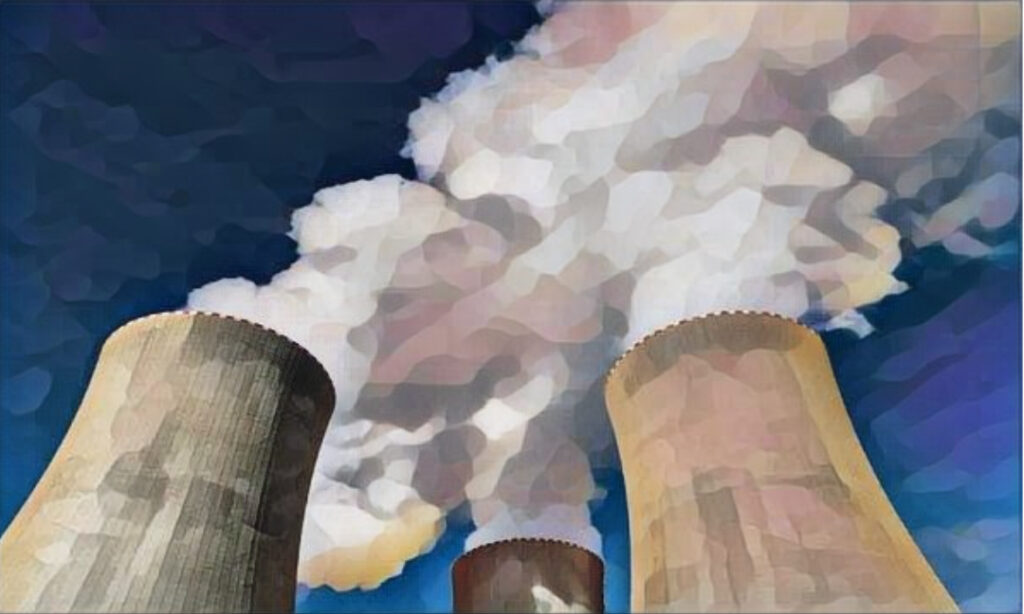
Kazakhstan Prioritizes Nuclear Energy in Long-Term Development Strategy

Kazakhstan has identified the development of nuclear energy as a strategic priority for the country’s economic future, President Kassym-Jomart Tokayev announced at the Astana International Forum (AIF).

“Kazakhstan, which possesses 40% of the world’s uranium reserves, views nuclear energy as a key pillar of its national development strategy,” Tokayev stated. “However, sustainable development is impossible without addressing the climate crisis, particularly as Central Asia is among the region’s most vulnerable to climate change. Global warming is occurring here at twice the global average rate.”

To address this, Tokayev outlined Kazakhstan’s commitment to a pragmatic and regionally coordinated climate agenda. He noted the country’s participation in various international organizations and agreements focused on environmental sustainability.

In 2026, Kazakhstan, in partnership with the United Nations, will host a Regional Climate Summit, aimed at aligning Central Asian strategies with global environmental ambitions. Tokayev also highlighted the recent establishment of the UN Regional Center for Sustainable Development Goals for Central Asia and Afghanistan in Almaty. “This marks a significant step in our multilateral cooperation. The center will facilitate joint projects, provide technical support, and coordinate international efforts,” he said.

At the same time, Kazakhstan continues to promote nuclear non-proliferation. “Today, nine countries possess more than 13,000 nuclear warheads. Experts warn that the risk of their use is rising, whether through miscalculation, accident, or escalation,” Tokayev cautioned. He emphasized the lasting impact of 450 nuclear tests conducted on Kazakh territory during the Soviet era.

Public support for nuclear energy has been growing. In a referendum held last fall, over 70% of Kazakh citizens voted in favor of developing the country’s nuclear energy capacity. In January 2025, the government finalized a shortlist of potential technology suppliers for Kazakhstan’s first nuclear power plant. The contenders include Russia’s Rosatom, South Korea’s KHNP, China’s CNNC, and France’s EDF.

The inaugural plant is expected to be built in the Almaty region and operational by 2035. Authorities are also evaluating sites for two additional facilities, with possible locations in Balkhash (southeastern Kazakhstan), Kurchatov (in the Abai region, near the former Semipalatinsk nuclear test site), and Aktau (Mangistau region, home to a Soviet-era experimental reactor).

To oversee the development and regulation of the sector, Kazakhstan established the Atomic Energy Agency in March. Reporting directly to the president, the agency is responsible for uranium mining, atomic energy use, radiation safety, and management of the Semipalatinsk Nuclear Safety Zone.

First Tourist Train Links China’s Xi’an and Kazakhstan’s Almaty

On May 29, the inaugural tourist train connecting Xi’an, the capital of China’s Shaanxi province, with Almaty, Kazakhstan’s largest city, departed, marking a new chapter in cross-border tourism and cultural exchange.

According to the national railway operator, Kazakhstan Temir Zholy (KTZ), the departure ceremony was held in Xi’an and attended by a Kazakh delegation led by KTZ Deputy Chairman Anuar Akhmetzhanov, along with representatives from Chinese authorities, tourism agencies, and transport organizations.

Akhmetzhanov emphasized that the project aims to deepen cultural ties and boost bilateral tourism. “We are confident that this journey will leave a lasting impression on our guests from China and lay the groundwork for new joint initiatives,” he said.

The train will travel through Urumqi in Xinjiang, cross the Kazakh-Chinese border at Khorgos, and proceed via Altynkol station to Almaty. The train comprises nine carriages and is carrying 246 passengers, including Chinese businesspeople, academics, entertainers, and athletes.

During their five-day visit, passengers will explore the historical and cultural landmarks of Kazakhstan’s southern capital, participate in organized tours, and attend cultural and business events.

Xi’an also holds strategic importance for Kazakhstan as the site of a Kazakh-operated logistics terminal. This facility has significantly boosted rail container traffic along the Trans-Caspian International Transport Route (TITR), a key corridor linking China and Europe via Kazakhstan.

From Overtime to Downtime: Tracking Work and Leisure in Kazakhstan

Analysts at Finprom.kz have examined average working hours across different employment sectors in Kazakhstan, along with how people typically spend their leisure time.

Standard Hours and Overtime

As of the first quarter of 2025, Kazakhstan had 9.3 million registered employed citizens, a 1.3% increase compared to the same period last year. The majority, approximately 7.7 million people, work standard hours ranging from 36 to 40 per week, representing a 7.5% year-on-year increase.

Conversely, the number of people working overtime declined to 1.2 million, a 4.9% decrease.

On average, Kazakhstanis now work 39 hours per week, an increase of one hour from last year. Men work slightly more, averaging 40 hours weekly, while women work around 38. Employees are more likely to work overtime, logging an average of 41 hours per week, compared to 36 hours for the self-employed.

Most and Least Time-Intensive Sectors

Mining remains the sector with the longest working week, averaging 43 hours. Those in wholesale and retail trade, transport, logistics, and administrative services average 42 hours. Employees in manufacturing, water supply and waste management, construction, and hospitality work about 41 hours weekly.

At the other end of the spectrum, workers in agriculture, forestry, and fishing average 33 hours per week. Those in finance, insurance, and education work around 39 hours.

Professions with the Heaviest Workload

Among occupational groups, industrial, construction, and transport workers, as well as operators and drivers, top the list with an average of 42 hours per week. Trade and service sector employees follow closely at 41 hours. Farmers, fishermen, and unskilled laborers average 36 hours, while managers, civil servants, and technical staff work around 40 hours. Specialists average 39 hours weekly.

Approximately 332,800 Kazakhstanis work less than a standard week, half the number from the previous year. The most common reasons include lack of work (122,800 people), reduced hours (56,700), sufficient income (34,200), employer decisions (31,500), and flexible schedules (18,300).

How Kazakhstanis Spend Their Day

According to official 2024 statistics, the average Kazakhstani spends most of their weekday attending to personal needs such as sleep, hygiene, and meals, totaling 12 hours and 6 minutes on workdays and 13 hours and 57 minutes on weekends.

Sleep takes up the largest share: 8 hours and 48 minutes on weekdays and more than 10 hours on weekends. Meals and drinks occupy around 1 hour and 49 minutes during the week and 2 hours and 5 minutes on days off. Hygiene and self-care account for approximately 1 hour and 21 minutes on weekdays and 1 hour and 33 minutes on weekends.

Work ranks second in terms of daily time use, averaging 5 hours and 16 minutes on weekdays and just 36 minutes on weekends.

Leisure activities—including cultural events, sports, reading, and media consumption—rank third, taking up 2 hours and 40 minutes on weekdays and nearly 4 hours on weekends.

Kazakhstanis also devote considerable time to household responsibilities, especially on weekends, spending about 3 hours and 32 minutes on unpaid domestic work and family care.