• KGS/USD = 0.01144 0%
  • KZT/USD = 0.00209 0%
  • TJS/USD = 0.10523 0%
  • UZS/USD = 0.00008 0%
  • TMT/USD = 0.28530 0%
  • KGS/USD = 0.01144 0%
  • KZT/USD = 0.00209 0%
  • TJS/USD = 0.10523 0%
  • UZS/USD = 0.00008 0%
  • TMT/USD = 0.28530 0%
  • KGS/USD = 0.01144 0%
  • KZT/USD = 0.00209 0%
  • TJS/USD = 0.10523 0%
  • UZS/USD = 0.00008 0%
  • TMT/USD = 0.28530 0%
  • KGS/USD = 0.01144 0%
  • KZT/USD = 0.00209 0%
  • TJS/USD = 0.10523 0%
  • UZS/USD = 0.00008 0%
  • TMT/USD = 0.28530 0%
  • KGS/USD = 0.01144 0%
  • KZT/USD = 0.00209 0%
  • TJS/USD = 0.10523 0%
  • UZS/USD = 0.00008 0%
  • TMT/USD = 0.28530 0%
  • KGS/USD = 0.01144 0%
  • KZT/USD = 0.00209 0%
  • TJS/USD = 0.10523 0%
  • UZS/USD = 0.00008 0%
  • TMT/USD = 0.28530 0%
  • KGS/USD = 0.01144 0%
  • KZT/USD = 0.00209 0%
  • TJS/USD = 0.10523 0%
  • UZS/USD = 0.00008 0%
  • TMT/USD = 0.28530 0%
  • KGS/USD = 0.01144 0%
  • KZT/USD = 0.00209 0%
  • TJS/USD = 0.10523 0%
  • UZS/USD = 0.00008 0%
  • TMT/USD = 0.28530 0%

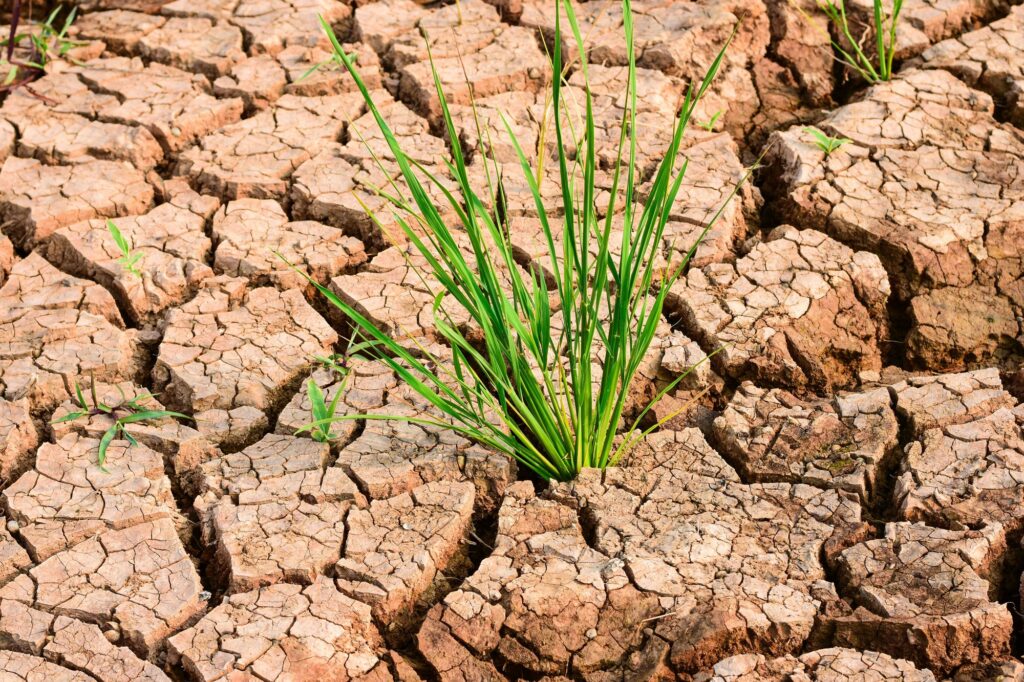
Environmental Pressures Affect Up to 80% of Irrigated Land in Turkmenistan

Environmental pressures in Turkmenistan are intensifying, with desertification, water scarcity, and ecological degradation posing increasing risks to agriculture and public health, according to a recent analysis cited by News-Asia.

The study was prepared by experts from the Central Asia Climate Foundation (CACF)’s climate change and green energy project office ahead of a regional environmental summit scheduled for April 22–24 in Astana.

Researchers warn that desertification has reached critical levels across large parts of the country. The expansion of the Karakum and Kyzylkum deserts is described as among the fastest globally, threatening farmland, infrastructure, and living standards. Land degradation is being exacerbated by overgrazing, soil salinization and inefficient water use. As a result, up to 80% of irrigated land is affected by elevated groundwater salinity, reducing soil productivity.

Water scarcity remains another major challenge. Turkmenistan relies heavily on transboundary rivers, particularly the Amu Darya, leaving it vulnerable to upstream water management decisions. Climate change is also contributing to reduced flows in rivers such as the Atrek, Murgab, and Tejen. Much of the irrigation infrastructure dates back to the Soviet era and suffers from significant losses, while agriculture accounts for around 90% of total water consumption.

The analysis highlights the continuing regional impact of the Aral Sea crisis. The drying of the sea has increased the frequency of salt and dust storms carrying harmful substances across Central Asia. In northern regions, including Dashoguz, medical specialists have reported rising rates of respiratory illness and other health problems linked to deteriorating air quality.

Environmental risks are also growing along the Caspian Sea coast. According to the report, pollution from hydrocarbon extraction combined with declining water levels is affecting biodiversity and undermining fisheries.

At the same time, the government has taken steps to address environmental challenges through national climate programs and reforestation initiatives. Turkmenistan is also participating in international projects, including a regional effort launched earlier this year to combat marine litter in the Caspian Sea with support from the United Nations Development Programme and the United Nations Environment Programme.

The upcoming summit in Astana is expected to bring together around 1,500 participants, including government officials and representatives of international organizations, to discuss coordinated responses to environmental threats. Organizers say the meeting could result in a regional action program for 2026-2030 and a joint declaration by Central Asian leaders.
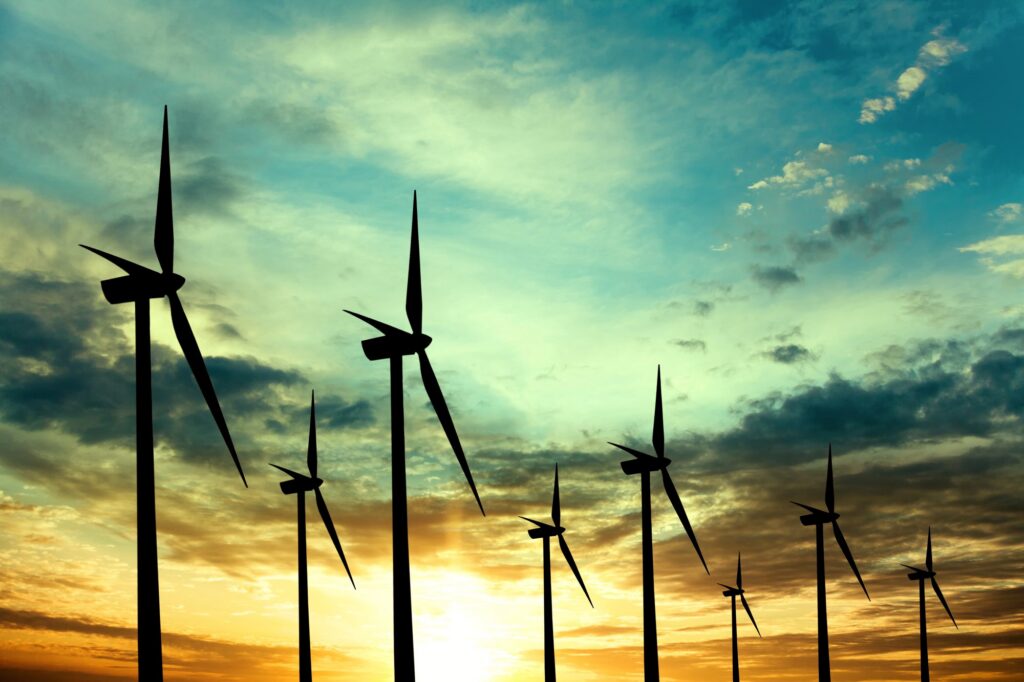

TotalEnergies Launches Wind Farm Project in Southern Kazakhstan

French energy company TotalEnergies has launched construction of the Mirny wind farm, a 1-gigawatt renewable energy project in Kazakhstan’s Moyinkum District in the Zhambyl Region. Once completed, the facility is expected to become one of the largest wind power installations in Central Asia.

The project provides for the installation of around 150 wind turbines supplied by Envision and SANY. It will also include a 600-megawatt-hour energy storage system developed by the French battery manufacturer Saft, designed to improve grid stability and optimize power distribution.

Total investment in the project is estimated at about $1.1 billion. The wind farm is scheduled to be commissioned in the fourth quarter of 2028. Annual electricity generation is projected to reach up to 4 billion kilowatt-hours, which could reduce carbon dioxide emissions by at least 3.2 million tons per year.

Kazakhstan’s authorities view the expansion of renewable energy as a key component of efforts to reduce the country’s carbon footprint. National greenhouse gas emissions stood at 375.4 million tons in 2020, declined to 328.4 million tons in 2021, and rose again to 353 million tons in 2022, according to previously reported data.

The energy sector remains the largest source of emissions, accounting for approximately 281.9 million tons of greenhouse gases in 2022.

The Ministry of Energy has said the TotalEnergies project will contribute to the development of green energy, strengthen energy security, and support the country’s broader decarbonization goals.

Authorities also plan further expansion of renewable capacity. Ten new projects with a combined capacity of 245 megawatts are expected to be launched this year, covering wind, solar, and hydroelectric generation. Together with existing facilities, they are projected to produce around 8.8 billion kilowatt-hours of electricity.

In addition to the Mirny wind farm, other major renewable initiatives involving foreign investors are underway. These include a $1.4 billion wind power project backed by the United Arab Emirates’ Masdar, as well as wind and solar developments led by China Power and China Energy in several regions.

Competitive auctions remain the main mechanism for expanding renewable energy capacity. Kazakhstan plans to allocate 6.7 gigawatts of new capacity through auctions between 2024 and 2027.

In the longer term, the government aims to bring more than 8 gigawatts of renewable energy capacity online by 2035. As previously reported by The Times of Central Asia, officials have also said the country intends to eliminate its electricity deficit and begin exporting power by 2027.

Kyrgyzstan Urges EAEU to Remove Import Duties on Key Goods

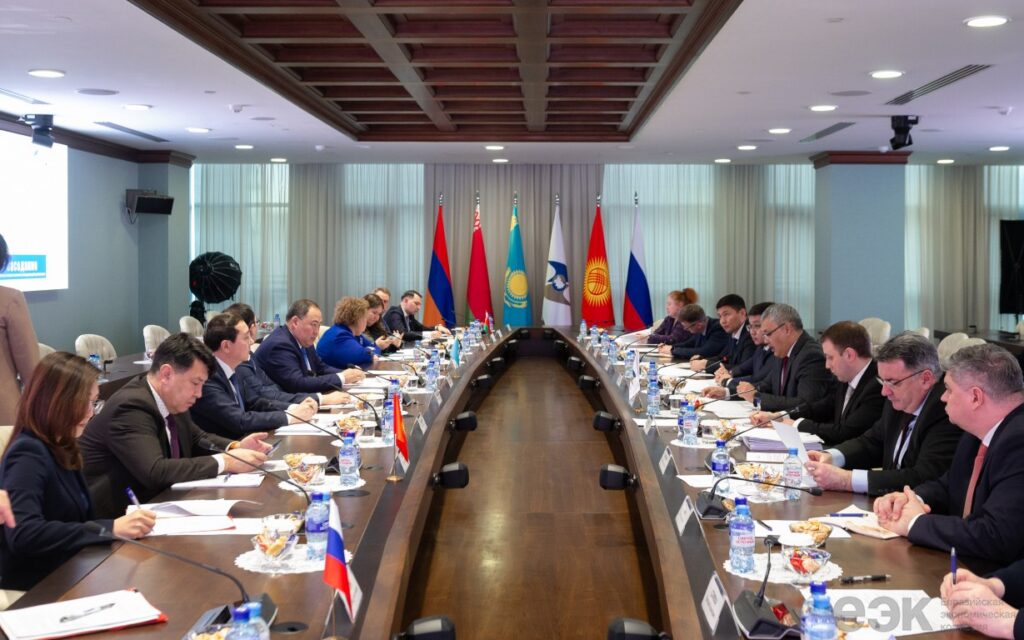
Kyrgyzstan has appealed to its partners in the Eurasian Economic Union (EAEU) to eliminate import duties on a range of socially significant goods, arguing that the measure would help ease the impact of global inflation and slow domestic price growth, according to an official government statement.

The proposal was presented during a meeting of the Eurasian Economic Commission (EEC) held in Moscow on March 13. Kyrgyz officials stressed that the country’s economic conditions differ markedly from those of the bloc’s larger member states, making more flexible trade mechanisms necessary.

The initiative covers goods considered critical for food security, including flour, vegetable oil, fruits and vegetables, as well as cocoa powder used in the confectionery industry. Authorities in Bishkek believe that removing import duties on these items would lower procurement costs and reduce the transmission of global price increases to the domestic market.

“We are seeing rising inflation worldwide, including for the goods we import, particularly agricultural products. In effect, when we import goods at higher prices, we are also importing inflation. Eliminating duties will help reduce the cost of these products,” said Elimbek Kanybek uulu, head of the EAEU Coordination Department, at a press conference in Bishkek.

The full list of goods eligible for preferential treatment, along with import volume thresholds, is expected to be published within a month after the EEC formally approves the decision.

According to Kanybek uulu, Kyrgyzstan has previously sought similar temporary measures for meat imports. At that time, the suspension of duties contributed to a reduction of around 10% in the price of imported meat.

Food security remains a major policy priority. President Sadyr Japarov has said that Kyrgyzstan is currently self-sufficient in six of the nine staple food items included in the national food basket. The government plans to gradually expand domestic production of the remaining products, including flour, vegetable oil, and certain types of fruit.

Analysts say future food price dynamics in Kyrgyzstan will depend on both global commodity trends and decisions within the EAEU regarding trade preferences and tariff policy.

Report Reveals Persistently High Air Pollution Levels in Bishkek and Osh

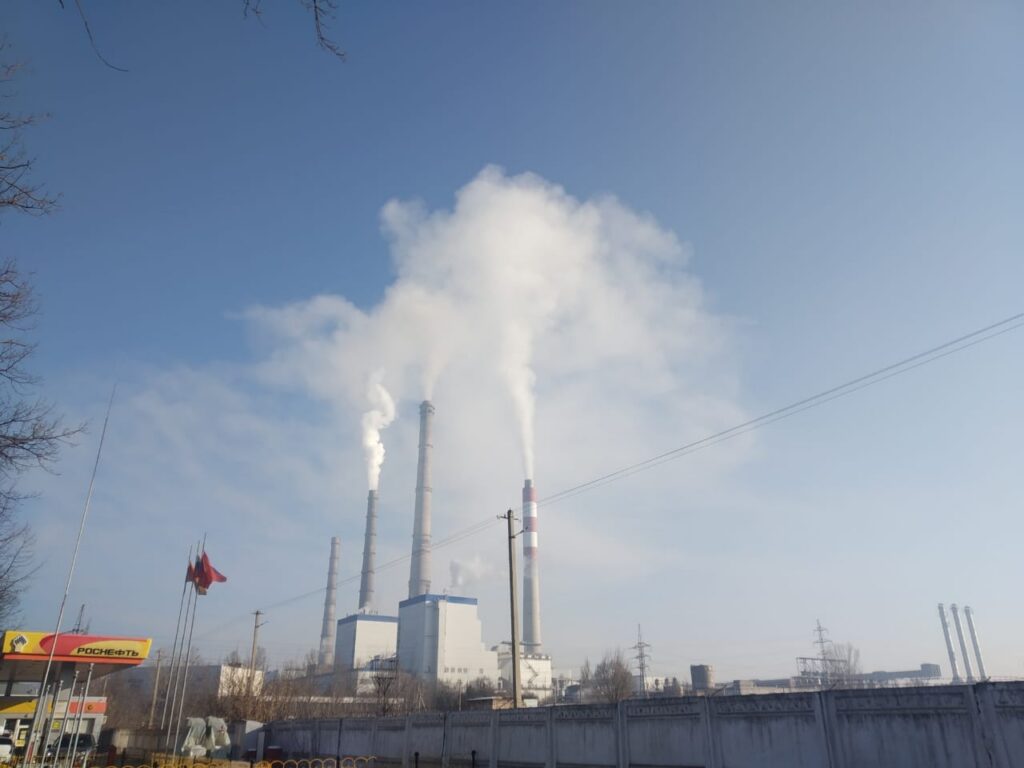
Air pollution remains one of Kyrgyzstan’s most serious environmental challenges, particularly in the cities of Bishkek and Osh, where coal-based heating and motor vehicle emissions are identified as the main sources of pollution, according to a report by the environmental organisation MoveGreen.

The study, covering the period from December 2024 to November 2025, found that Bishkek experienced between 118 and 120 days during which concentrations of fine particulate matter (PM2.5) exceeded permissible limits. Average annual levels were estimated at between 44 and 47 micrograms per cubic meter, significantly above the World Health Organization’s recommended guideline of 5 micrograms per cubic meter.

Air quality in the capital shows strong seasonal variation. Pollution levels rise sharply during winter due to increased coal consumption for heating and the accumulation of emissions linked to the city’s geographical setting. As a result, Bishkek has frequently ranked among the world’s most polluted urban areas in international air quality monitoring indices.

In Osh, pollution patterns were described as more stable but still concerning. Elevated PM2.5 levels were recorded for 159 days during the study period, nearly half the year. The city’s average annual concentration reached 74 micrograms per cubic meter, far exceeding international health recommendations.

The report’s authors also noted that concentrations of other pollutants, including nitrogen oxides and formaldehyde, tend to increase during warmer months.

Among the key recommendations outlined in the study are a gradual transition to cleaner heating sources, expansion and modernisation of public transport systems, measures to reduce dust pollution in urban areas, and improvements in air quality monitoring infrastructure.

Kazatomprom Negotiates Long-Term Uranium Supply Deal with India

Kazakhstan’s national nuclear company Kazatomprom is negotiating a long-term uranium supply agreement with India as part of efforts to expand its presence in key global markets. The announcement was made by the company’s CEO, Meirzhan Yussupov, during a meeting with President Kassym-Jomart Tokayev, according to a statement published on the presidential administration’s website.

The potential contract forms part of Kazatomprom’s development strategy for 2025-2034, which focuses on diversifying export destinations and strengthening the company’s competitive position. In 2025, the company has already concluded supply agreements with several international energy firms, including Switzerland’s Axpo Power AG, the Czech Republic’s ČEZ Group and Japan’s Kansai Electric Power Co.

Kazakhstan remains the world’s largest producer of uranium, accounting for roughly 21% of global output. Total production in the country reached 25,800 tons last year, with 13,500 tons generated by Kazatomprom’s own projects. The company’s sales volumes rose by 11% to 18,500 tons.

Kazatomprom is also expanding its resource base. Its exploration portfolio includes six new prospective sites covering more than 1,000 square kilometers. Investment in geological exploration through 2030 is projected at between $155 million and $176 million.

The company has placed increased emphasis on research and technological development, adopting a strategy through 2034 aimed at improving mining efficiency, reducing environmental impact, and introducing new production solutions.

Since its initial public offering in 2018, Kazatomprom’s market capitalization has increased more than seven times, reflecting stronger investor interest in the uranium sector amid rising global demand for nuclear energy.

The company also continues to invest in social initiatives in the regions where it operates. In 2025, more than $22 million was allocated to regional development projects, including about $12.5 million provided under contractual obligations.

The Times of Central Asia previously reported that Kazakhstan had amended its Subsurface Use Code, increasing the state’s regulatory role in the uranium industry and reinforcing Kazatomprom’s position in the sector.

Turkmenistan Steps Up Preparations for WTO Membership Amid Economic Growth

Turkmenistan is intensifying efforts to integrate into the global trading system, with officials reaffirming the country’s intention to move towards membership in the World Trade Organization (WTO). The announcement was made by Deputy Minister of Finance and Economy Perhat Yagshiyev during the forum “Investing in Turkmenistan’s Future,” according to local media reports.

Yagshiyev said the accession process is progressing in a structured manner. A draft memorandum on the country’s foreign trade regime has been prepared, while WTO standards are being introduced gradually in cooperation with the organisation’s Secretariat and international partners.

Authorities also point to positive macroeconomic trends. Official data indicate that Turkmenistan’s gross domestic product exceeded $77.4 billion in 2025, reflecting growth of 6.3%. Investment volumes reached more than $12.8 billion, up 6% year-on-year, while inflation reportedly declined to 3.2%. External debt remains below 3% of GDP, and officials say the country has not recorded domestic public debt since January 2022.

Foreign trade turnover rose by 10.3% to $21.8 billion. The oil and gas sector, petrochemicals, energy, construction and agriculture continue to be highlighted by the government as priority areas for foreign investment.

Transport infrastructure development remains a central component of economic policy. Turkmenistan is participating in several international logistics initiatives, including the Trans-Caspian corridor, the North-South transport route and the Lazurite corridor. The third phase of the Ashgabat-Turkmenabat highway is expected to be completed in 2026, which authorities say will strengthen the country’s role as a regional transit hub.

Preparations for WTO accession are also linked to the modernisation of trade procedures. Galina Romanova, a representative of the Ministry of Finance and Economy, previously stated that improving trade facilitation is a key priority.

“We are taking consistent steps to modernise customs procedures and introduce digital solutions that make trade faster and more transparent,” she said.

Turkmenistan was granted observer status in the WTO on July 22, 2020, following a decision by the organisation’s General Council in Geneva.