• KGS/USD = 0.01144 0%
  • KZT/USD = 0.00212 0%
  • TJS/USD = 0.10456 0.19%
  • UZS/USD = 0.00008 0%
  • TMT/USD = 0.28490 0%
  • KGS/USD = 0.01144 0%
  • KZT/USD = 0.00212 0%
  • TJS/USD = 0.10456 0.19%
  • UZS/USD = 0.00008 0%
  • TMT/USD = 0.28490 0%
  • KGS/USD = 0.01144 0%
  • KZT/USD = 0.00212 0%
  • TJS/USD = 0.10456 0.19%
  • UZS/USD = 0.00008 0%
  • TMT/USD = 0.28490 0%
  • KGS/USD = 0.01144 0%
  • KZT/USD = 0.00212 0%
  • TJS/USD = 0.10456 0.19%
  • UZS/USD = 0.00008 0%
  • TMT/USD = 0.28490 0%
  • KGS/USD = 0.01144 0%
  • KZT/USD = 0.00212 0%
  • TJS/USD = 0.10456 0.19%
  • UZS/USD = 0.00008 0%
  • TMT/USD = 0.28490 0%
  • KGS/USD = 0.01144 0%
  • KZT/USD = 0.00212 0%
  • TJS/USD = 0.10456 0.19%
  • UZS/USD = 0.00008 0%
  • TMT/USD = 0.28490 0%
  • KGS/USD = 0.01144 0%
  • KZT/USD = 0.00212 0%
  • TJS/USD = 0.10456 0.19%
  • UZS/USD = 0.00008 0%
  • TMT/USD = 0.28490 0%
  • KGS/USD = 0.01144 0%
  • KZT/USD = 0.00212 0%
  • TJS/USD = 0.10456 0.19%
  • UZS/USD = 0.00008 0%
  • TMT/USD = 0.28490 0%

Female Entrepreneurs to Expand Mentoring – Great Strides for Uzbekistan

The Association of Business Coaches of Kazakhstan has launched the TalpynUp mentoring program for Central Asian women entrepreneurs. The project will be supported by the USAID Entrepreneurship and Business Environment Development Project at Imperial College, London.

The six-month mentoring program will begin on April 20th in Kazakhstan, Uzbekistan, and Kyrgyzstan. It will help Central Asian women improve their business skills, and is aimed at those who have a business that has been operating for one to three years. Also, young businesswomen under the age of 29 who are mothers of children with special developmental needs will be able to gain valuable knowledge completely free of charge. The intensive mentoring program is based on individual training, mentoring and practical sessions with business coaches and experts. It consists of six modules focusing on such areas as sales, taxes and finance, human resources, management, and more.

The organizers have emphasized the need for their program by explaining that, in the near future, artificial intelligence (AI) will replace many professions, especially those in which women are currently employed. Therefore, they need to develop and improve their skills and master new digital professions.

In total, 190 female entrepreneurs from Kazakhstan have already been trained under the TalpynUp program. Now 60 young women each from Kyrgyzstan and Uzbekistan, and 120 Kazakhstani women will have access to the program.

In 2022, the World Bank published comparative data on the earnings of men and women. Experts found that women around the world have, on average, only 77% of the legal rights that men have. However, according to the organization, Uzbekistan has made significant progress in ensuring equal rights for men and women. For example, the country has legislated equal pay regardless of gender, expanded the areas where women can work on an equal basis with men, and criminalized domestic violence.

Thanks to these reforms, Uzbekistan has become one of the five countries with the greatest progress in gender equality – along with Jordan, Malaysia, Sierra Leone and Togo – and took first place in Central Asia in the Women, Business and the Law ranking.

It’s worth noting that the number of women engaged in business in Uzbekistan has doubled over the past five years to 205,000. About 200,000 women have been trained in professions and business, and more than 400,000 women and girls have gained employment.

Iraq in Negotiation with Iran to Transfer Gas from Turkmenistan

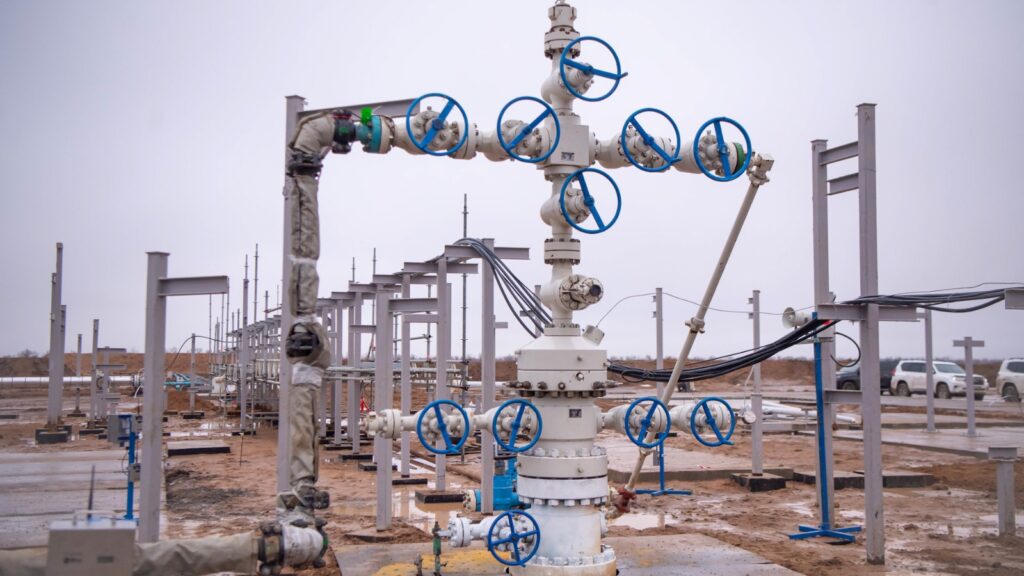
Iraq Minister of Electricity Ziad Ali Fadel has announced ongoing negotiations regarding the transit of gas from Turkmenistan through Iran to Iraq and according to a report by Iran Oil Gas, Iraq may receive Turkmen gas as early as this summer if agreed by the partners concerned.

In November 2023, representatives of Turkmenistan and Iraq signed a protocol outlining the principal commercial terms of the agreement to enable the shipment of 9 billion cubic meters of Turkmen gas to Iraq through Iran within five years.

In January 2024 it was reported that Iraq had completed all the steps necessary to begin importing gas from Turkmenistan. The main reason for postponement of delivery as scheduled lies with the need for a comprehensive agreement to be reached with the transit country Iran.

With reference to the country’s gas debt with Iran, the Iraq Ministry of Energy stated, “The Ministry of Electric Energy has paid all gas payments to the Iranian side and deposited them in a special account in [an] Iraqi commercial bank. But the payment process has not been completed due to international sanctions. Now, based on the agreement between the two sides, Iranian gas is being replaced by Iraqi crude oil.”

Kazakhstan to Satisfy Italy’s Appetite for Horsemeat

The Kazakh Minister of Trade and Integration Arman Shakkaliev has announced plans by Kazakhstan and Italy to create a joint product brand ‘Made in Kazakhstan’.

The venture aims to address Italy’s growing demand for horsemeat; a commodity currently imported from other countries and reportedly valued at over $140 million worth per year.

In addition to chilled horsemeat, the minister reported that ‘Made in Kazakhstan’ would also supply Italy with locally sourced caviar and honey.

The initiative will benefit both countries. For Italy, it represents a fresh source of high-quality meat for the country’s economically significant restaurant sector, and for Kazakhstan, open up a new market which by promoting agricultural development, will contribute to economical growth, especially in rural communities.

Kazakhstan is currently a major supplier of horsemeat to countries such as Mongolia, Argentina and Uruguay.

Turkey to Step up Investment in Uzbekistan’s Production of Footwear

Turkish footwear manufacturers are ready to invest $1 million in the manufacture of leather, footwear and fur goods in Tashkent’s Ahangaran district.

Discussions between the head of Layki, a leader in the Turkish footwear and textile market, and Fakhriddin Boboevoy, chairman of the Uzcharmsanoat Association, focused on the company’s bid for land, the schedule and format of subsequent conferences, technological issues and the exchange of best practices.

Previous plans announced by the Uzcharmsanoat Association included the establishment of a leather and footwear production complex in the small industrial zone of Ahangaran comprising 26 projects with a total value of $30 million. The Turkish company Warboots, which has already committed $50 million to an enterprise to produce military footwear, has declared an interest in production at Ahangaran. Through an initial investment of $15 million, the enterprise will create 4,000 jobs for local residents.

Other Turkish companies are likewise, keen to set up operations in the Ahangaran zone. The Gratto brand is conducting a feasibilty study for a tannery which will export products to Italy and other Commonwealth of Independent States (CIS) countries, and the Uzbek company Magna Sport is in talks with Turkey’s Bursa Eldiven Sanayi to produce industrial gloves. The Turkish brand Myfit is liaising with Uzbek enterprises for the production of its licensed goods under an outsourcing system and preliminary agreements have been reached on the creation of product samples and the supply of raw materials. Uzbek industrialists, together with the Turkish company El Taban are due to begin production of next-generation shoe soles, with the initial cost of the project set at $2.1 million.

Given the country’s wide availability of raw materials, inexpensive labour and easy access to global markets, players in South Korea, Italy, Russia, China and Germany are also actively interested in embarking on joint projects with Uzbekistan’s leather industry.

Uzbekistan’s Gold, Hard Currency Reserves Down by $2.4 Billion in 2024

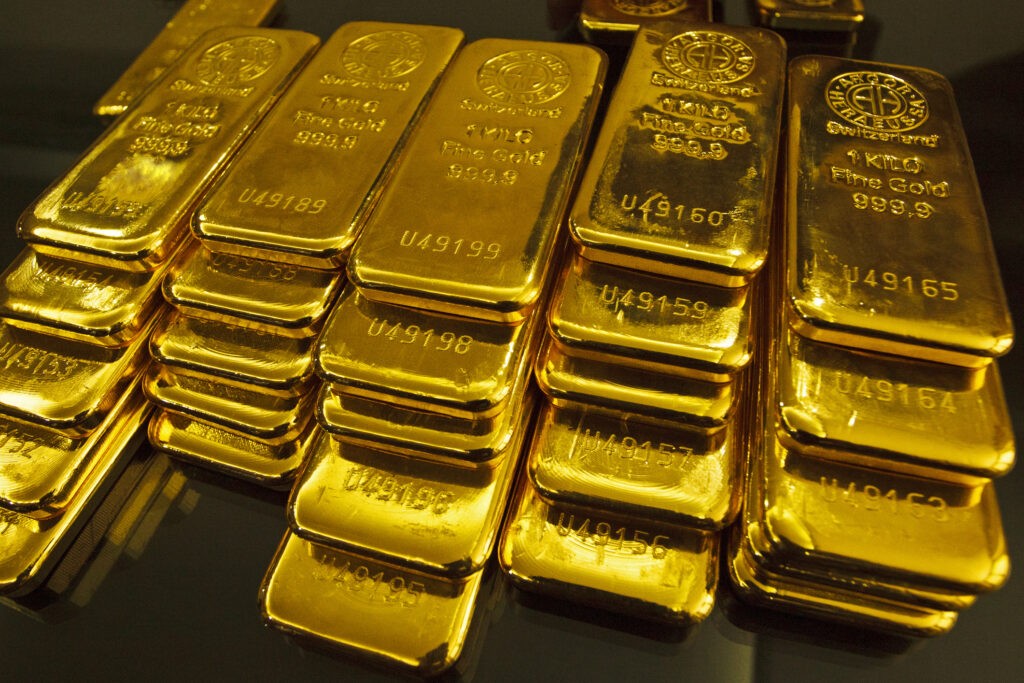
As of March 1, 2024, the official reserve assets of Uzbekistan amounted to $32.19 billion, having decreased by $2.37 billion in January and February, according to data from the central bank.

The regulator indicated that foreign-currency reserves dropped by $381.5 million in February and by $1.44 billion in January, with the combined decline of $1.82 billion reducing the remaining total to $7.55 billion.

The price of gold dropped to $2,066 per ounce from $2,076 in January — and to $2,059 by the end of February. However, in March, the price has set new records and is closing in on $2,200 per ounce.

At the end of 2023, Uzbekistan’s so-called financial cushion was $34.56 billion, down $1.2 billion from the previous year. That was the first year-over-year decline in reserves since 2018. Over the course of the year, the physical volume of the country’s gold reserves dropped by nearly 25 tons.

Russia to Allocate Over $23 Million for Remediation of Uranium Tailings in Kyrgyzstan

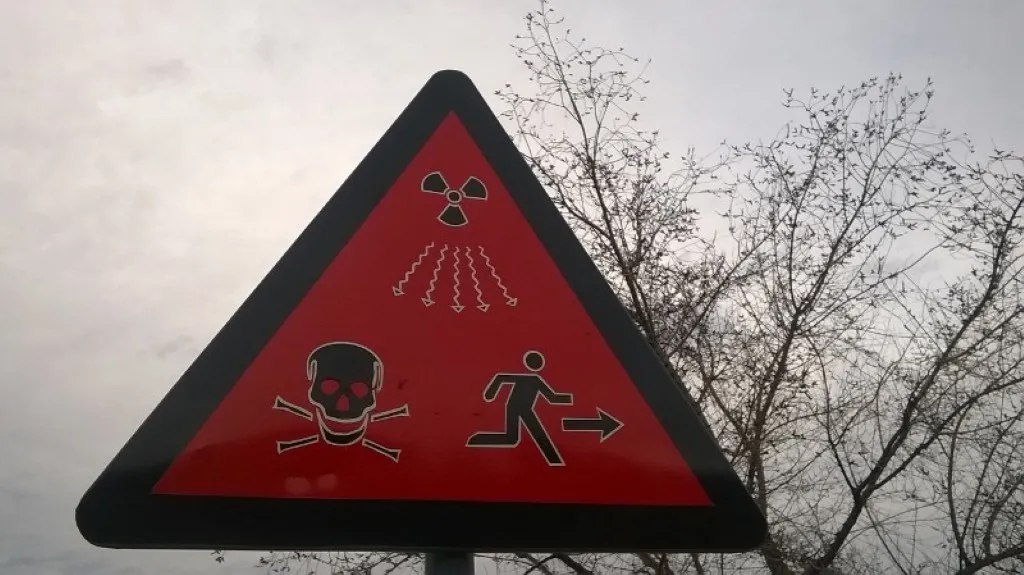
Kyrgyz members of parliament have approved an agreement between Kyrgyzstan and Russia on funds for the remediation of sites contaminated with uranium tailings. The ratification corresponds to a previous deal by the Kyrgyz government and Russian state company Rosatom under the framework of a Commonwealth of Independent States (CIS) program to rehabilitate territories affected by uranium production.
Kyrgyz Deputy Emergency Situations Minister Azamat Mambetov, speaking at the session of the Kyrgyz parliament, described the details of the agreement with Russia regarding the uranium tailings ponds.

“At our request, the Russian Federation will allocate an additional 2.141 million rubles ($23.1 million). According to the draft agreement submitted for approval, these funds will be used for work and delivery of equipment, [and] they are exempt from taxes. Five facilities in Kyrgyzstan will be rehabilitated,” Mambetov said.

According to the deputy minister, these are three tailing dumps left over from uranium mining in western Kyrgyzstan, and two tailing dumps in the south of the country. According to some sources, the first Soviet atomic bomb was filled with uranium mined in the south of Kyrgyzstan in the Batken region.

It should be noted that the tailings dumps in Chatkal district (western Kyrgyzstan) currently threaten the ecology of not only Kyrgyzstan, but also of neighboring Uzbekistan. The Chatkal River, which flows near the tailings dams, is a transboundary river that flows into one of Uzbekistan’s reservoirs — and from which Tashkent and the Tashkent region draw their drinking water.
Mr. Mambetov said that today the reclamation of uranium tailings sites in southern Issyk-Kul region and in Naryn region is almost completed. When the interstate program for reclamation of territories was drawn up in 2013, these tailings were considered the most problematic. According to Rosatom, 450,000 cubic meters of radioactive waste were concentrated in the Naryn region when work began. The work there is complicated by the fact that there is the risk of landslides in the area of the tailing dump. However, Russian specialists promise to fully complete the reclamation process by August 2024.

The volume of accumulated radioactive waste in the Issyk-Kul region is 150 thousand cubic meters. Uranium mining there was conducted from 1952 to 1966. After the mining was completed, the surface of the site was covered with a special layer of soil. But over time, the ground has been eroded by surface waters and the site began to pose a threat to the local environment once again. The works there should also be completed this year. Recall that Lake Issyk-Kul, located just a few hundred meters from the facility, is Kyrgyzstan’s main tourist attraction.

According to the Kyrgyz Ministry of Emergency Situations, there are 92 burial sites of toxic and radioactive substances in the country. Of these, 23 tailings sites contain uranium elements, while the remaining ones contain radioactive rock residues, heavy metals and cyanide. The total volume of poisonous and hazardous substances is 2.9 million cubic meters.

As reported by Rosatom, there are currently more than 40 large legacy nuclear sites dating back to the Soviet era in the states that are parties to the reclamation agreement — which include Kyrgyzstan, Kazakhstan, Tajikistan and Russia.