Kazakhstan is intensifying efforts to launch its fourth major oil refinery and is actively seeking international investors for the project. The Ministry of Energy has confirmed that expanding oil refining capacity remains a top priority in the country’s long-term energy strategy.
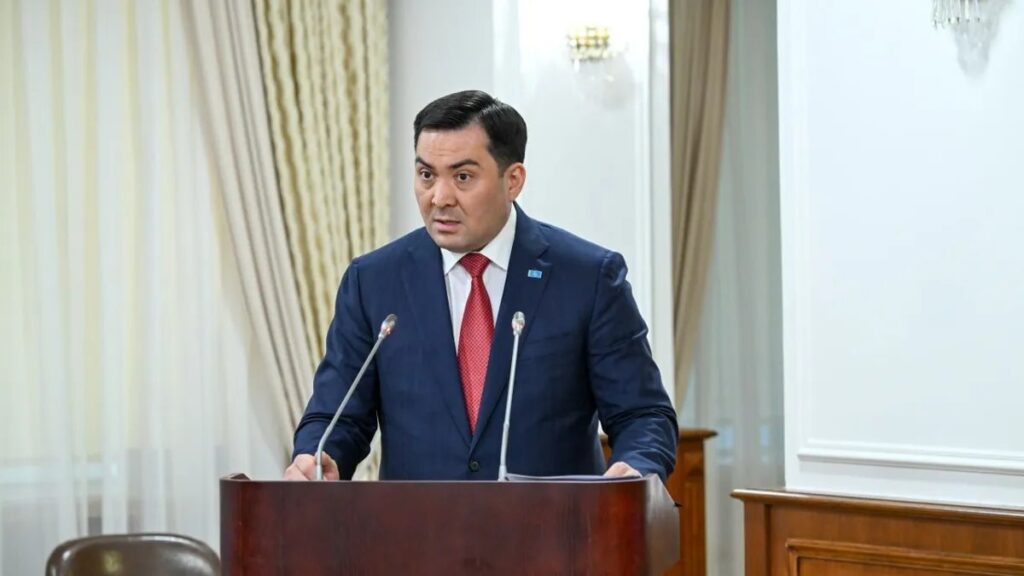
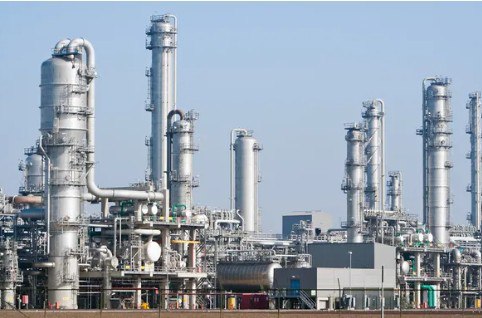
According to the ministry, Energy Minister Yerlan Akkenzhenov participated in a recent meeting of the KAZENERGY Association Council, an umbrella organization uniting leading players in Kazakhstan’s oil, gas, and energy sectors. He reiterated that the national Concept for the Development of the Oil Refining Industry for 2025-2040 includes both the modernization of the country’s three existing refineries and the construction of a new facility with a projected processing capacity of up to 10 million tons of oil per year.
To help secure funding, Akkenzhenov proposed that KAZENERGY organize a dedicated roadshow to attract potential investors, particularly from OECD member countries.
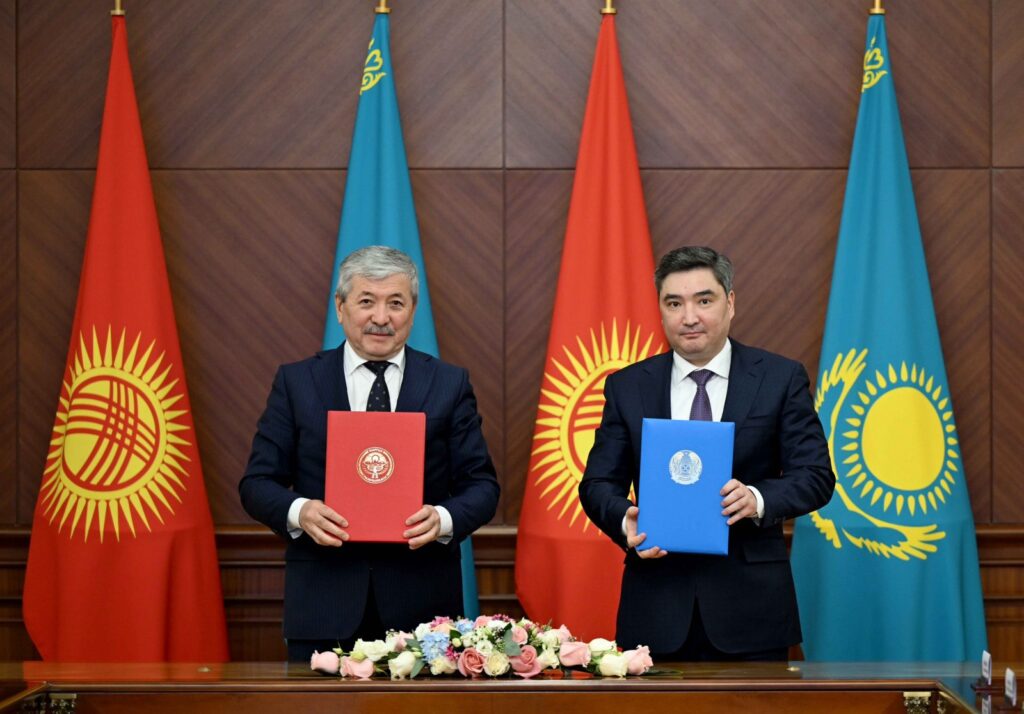
Kazakh Prime Minister Olzhas Bektenov recently confirmed in response to a parliamentary inquiry that the proposed refinery, with a capacity of 10 million tons annually, could be completed by 2040. One likely location is the Mangystau region, close to key oil production sites. However, this is just one of four options under consideration. The final decision will depend on factors such as the growth of electric vehicle adoption, shifting fuel consumption patterns, and long-term export forecasts.
The planned refinery would produce aviation fuels including TC-1 and Jet A-1. Demand for jet fuel is expected to surge with the development of an international aviation hub in Mangystau, where consumption could rise from the current 35,000 tons to 120,000-130,000 tons per year.
Currently, Kazakhstan produces between 650,000 and 700,000 tons of jet fuel annually, while domestic demand hovers around 1 million tons. To bridge the gap, the country imports approximately 350,000 tons, roughly 30-35%, from Russia, highlighting the strategic importance of boosting domestic refining capacity.
As previously reported by The Times of Central Asia, the updated industry roadmap envisions increasing national oil refining volumes from 18 million to 39 million tons per year. The expansion will require between $15 billion and $19 billion in investment.
Kazakhstan’s three largest refineries are located in Pavlodar, Atyrau, and Shymkent. In March, the Agency for the Protection and Development of Competition (AZRK) recommended partially privatizing the Pavlodar and Atyrau facilities to enhance operational efficiency and attract private investment.
Analysts say that constructing a new refinery is critical not only for reducing Kazakhstan’s reliance on fuel imports, but also for enhancing its export capabilities amid intensifying competition in the global energy market.