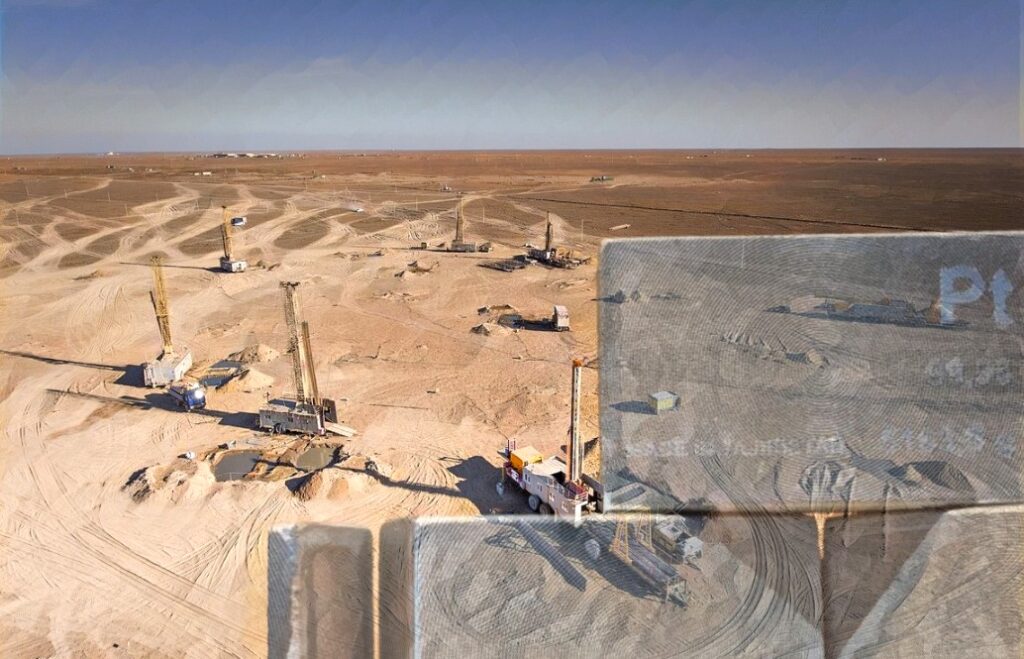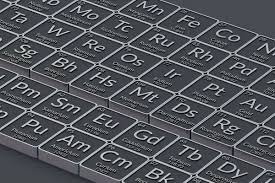
Geological exploration at Kazakhstan’s largest rare earth metal deposit, Kuirektykol, in the Karaganda region, has revealed significantly higher reserves than previously estimated. The latest data suggests that the site holds 28.2 million tons of commercially viable rare earth elements, up from an initial estimate of 20 million tons.
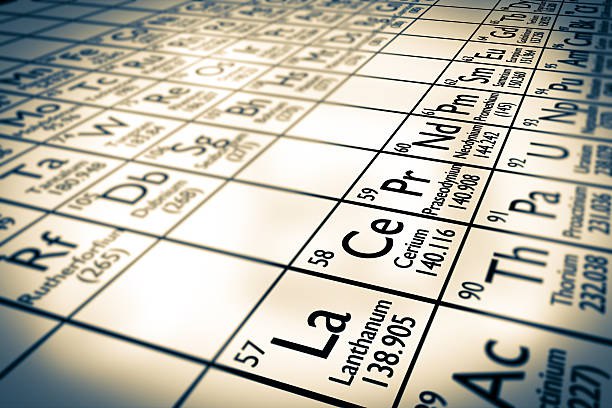
Exploration work began in 2022, and by November 2024, geologists had already confirmed significant concentrations of cerium and other lanthanides across four key zones at depths of up to 300 meters.
Regional Potential Expands
Alibek Aldeney, Deputy Akim of the Karaganda region, said that the surveys also revealed new prospective sites for gold, copper, and tungsten.
“Foreign companies are already conducting surveys. This will allow us to expand our mineral resource base and create new production facilities for processing rare earth and precious metals,” Aldeney said.
Industry experts have long maintained that Kazakhstan holds the potential to ensure stable supplies of critical minerals amid rising global demand.
Strategic Priorities and Government Support
In August, Prime Minister Olzhas Bektenov convened a meeting to discuss the development of Kazakhstan’s rare earth sector. He emphasized the need to modernize production, adopt advanced technologies, and increase scientific research.
According to the Ministry of Industry, rare and rare earth metals currently account for 2.4% of the country’s metallurgical sector. Since 2018, the government has invested KZT 67 billion (approximately $124 million) in the industry.
Kazakhstan is currently exploring 25 promising rare earth sites across a combined area of 100,000 square kilometers. In 2024 alone, 38 new deposits of solid minerals were identified.
Production of beryllium, tantalum, niobium, scandium, titanium, rhenium, and osmium is already underway, along with the extraction of associated elements such as bismuth, antimony, selenium, and tellurium.
Future Outlook and Strategic Concerns
There are emerging industrial opportunities include the production and recycling of battery materials, heat-resistant alloys, semiconductors, and permanent magnets. However, as The Times of Central Asia previously reported, with the sector’s strategic value increasing, members of parliament have called for tighter regulation of rare earth exports to safeguard national interests.