• KGS/USD = 0.01144 0%
  • KZT/USD = 0.00194 0%
  • TJS/USD = 0.10879 -0.18%
  • UZS/USD = 0.00008 0%
  • TMT/USD = 0.28490 0%
  • KGS/USD = 0.01144 0%
  • KZT/USD = 0.00194 0%
  • TJS/USD = 0.10879 -0.18%
  • UZS/USD = 0.00008 0%
  • TMT/USD = 0.28490 0%
  • KGS/USD = 0.01144 0%
  • KZT/USD = 0.00194 0%
  • TJS/USD = 0.10879 -0.18%
  • UZS/USD = 0.00008 0%
  • TMT/USD = 0.28490 0%
  • KGS/USD = 0.01144 0%
  • KZT/USD = 0.00194 0%
  • TJS/USD = 0.10879 -0.18%
  • UZS/USD = 0.00008 0%
  • TMT/USD = 0.28490 0%
  • KGS/USD = 0.01144 0%
  • KZT/USD = 0.00194 0%
  • TJS/USD = 0.10879 -0.18%
  • UZS/USD = 0.00008 0%
  • TMT/USD = 0.28490 0%
  • KGS/USD = 0.01144 0%
  • KZT/USD = 0.00194 0%
  • TJS/USD = 0.10879 -0.18%
  • UZS/USD = 0.00008 0%
  • TMT/USD = 0.28490 0%
  • KGS/USD = 0.01144 0%
  • KZT/USD = 0.00194 0%
  • TJS/USD = 0.10879 -0.18%
  • UZS/USD = 0.00008 0%
  • TMT/USD = 0.28490 0%
  • KGS/USD = 0.01144 0%
  • KZT/USD = 0.00194 0%
  • TJS/USD = 0.10879 -0.18%
  • UZS/USD = 0.00008 0%
  • TMT/USD = 0.28490 0%
15 December 2025

Ice Cream Flavored with Kurt, Tara, and Balkaymak Presented in Almaty

An Almaty-based company, UMAMI, has launched a new line of ice cream inspired by traditional Kazakh flavors. The collection features three distinct varieties: kurt, tary, and balkaymak.

Balkaymak is a rich, creamy dessert, sometimes prepared with flour and honey, and typically served warm alongside bread or pastries. Tary refers to roasted millet, a staple often enjoyed with tea. Kurt is a protein and mineral-rich dried fermented milk product, deeply rooted in Kazakh culinary heritage.

UMAMI’s project aims not only to surprise the palate but also to integrate national gastronomy into a modern context, creating what the team hopes will become a new symbol of Kazakh culture. “You’ll find it interesting in your mouth,” promises brand co-founder and technologist Oksana Kim-Flayosk.

A Flavor Journey in Every Scoop

Among the standout offerings is the cream kurt ice cream, made using authentic kurt. The UMAMI team sampled dozens of variations from different producers before selecting the ideal base. The flavor unfolds in stages: a brackish start, followed by a sour note, and ending in a sweet finish.

To elevate the experience, UMAMI recommends serving the kurt ice cream in a baursak, a traditional Kazakh fried dough delicacy. Kim-Flayosk likens this combination to a local version of the Italian dessert maritozzo, where a sweet bun is filled with cream. “We put a ball of ice cream in the baursak, and that’s our national version of maritozzo,” she explained.

While all three flavors were tested in baursaks, kurt was the undisputed favorite among tasters.

Nauryz Roots and Steppe Spirit

The Tary & Talkan flavor, originally created for the Nauryz holiday five years ago, was so well received that it earned a permanent spot in UMAMI’s lineup. The recipe combines black tea infused with milk, roasted millet ground into talkan, and a dairy base, evoking the spirit of the Kazakh steppe.

The third offering, Balkaymak & Irimshik, is rich and textured, featuring bits of irimshik (a type of curd) to accentuate the contrast between its caramel and creamy elements. “I wanted there to be texture, to be able to chew. First creamy, then caramel, and then creamy again,” said Kim-Flayosk.

Prior to finalizing the recipe, UMAMI conducted a public survey to better understand what balkaymak means to different people. Responses varied widely, from cream skimmed from spring milk to a boiled mixture of sour cream, flour, and sugar.

Modernizing Tradition

Kim-Flayosk emphasized UMAMI’s commitment to preserving and popularizing Kazakh culinary identity. “We are a local brand. We see society’s interest in traditions and want to be part of a culture that popularizes Kazakhstani products,” she said.

The company plans to launch souvenir boxes featuring all three flavors in the coming month, offering a gastronomic symbol of Kazakhstan to locals and tourists alike.

Non-standard ice cream flavors are increasingly part of a global trend. Around the world, producers are experimenting with combinations like mustard and dill, eel, black pepper, garlic, chili, and even beer. In this diverse international context, UMAMI’s Kazakhstani creations stand out not just for their originality, but for their role in preserving and celebrating national culture.


Twelve Central Asian Citizens Rescued from Human Trafficking in Myanmar

Two Uzbek citizens have been rescued from a human trafficking network in Myanmar and returned home with the assistance of the Consulate General of Uzbekistan in Bangkok.

The victims, identified as M.S. and B.V., were lured by a fraudulent online job offer. Initially traveling to Thailand in search of legal employment, they were instead trafficked across the border into Myanmar, where they were handed over to a criminal organization.

Once in Myanmar, the pair were forced to work in illegal centers and subjected to threats and physical abuse for refusing to engage in unlawful activities. The traffickers also demanded a large ransom for their release.

Eight citizens of Kyrgyzstan and four citizens of Kazakhstan were discovered in the same situation. As Kyrgyzstan does not maintain an embassy in Thailand, Uzbek and Kazakh diplomats coordinated efforts to secure the release of all the victims.

Thanks to joint negotiations with officials in Myanmar and Thailand, the victims were freed at the Mae Sot border crossing in Thailand. Uzbek and Kazakh diplomats provided them with temporary shelter and basic necessities upon arrival.

On April 11, with support from their respective diplomatic missions, two Uzbek, four Kazakh, and seven Kyrgyz citizens returned to their home countries. One Kyrgyz citizen remained in Thailand to receive medical treatment and will be repatriated once their recovery is complete.

The Consulate General of Uzbekistan in Bangkok highlighted the case as an example of effective regional cooperation in protecting citizens abroad. It also issued a warning about online job scams, urging people to verify the legitimacy of employment offers before traveling.

The consulate reiterated its readiness to support Uzbek citizens seeking legal employment in Thailand, Cambodia, Myanmar, and Laos.

Kazakhstan Plans 25% Gas Output Increase by 2030

Kazakhstan aims to significantly increase its natural gas production over the next five years, raising output from 59 billion cubic meters to 74 billion cubic meters by 2030. The announcement was made by Deputy Minister of Energy Alibek Zhamauov during the Energy Trends: Gas & Petrochemicals forum in Astana.

Production Growth Driven by Major Fields and New Developments

In 2023, Kazakhstan produced 59 billion cubic meters of gas, with output projected to rise to 62.8 billion cubic meters in 2024. This growth will be driven by ongoing production at the country’s largest fields, Tengiz, Karachaganak, and Kashagan, as well as the launch of new sources, including the Rozhkovskoye, Anabai, and Urikhtau fields.

“Our goal is to increase gas production to 74 billion cubic meters by 2030,” Zhamauov stated. “But the key task is to process gas within the country as efficiently as possible to supply our citizens and industry, as well as to create a raw material base for gas chemistry.”

Currently, over 85% of Kazakhstan’s gas production comes from the Tengiz (26%), Karachaganak (41%), and Kashagan (19%) projects. By the end of 2024, marketable gas output is expected to reach 28.7 billion cubic meters, including Tengiz (8.7 bcm), Karachaganak (7.5 bcm), Kashagan (4.7 bcm), Zhanazhol (3.3 bcm), and other fields (3.6 bcm). Of this, 21.2 billion cubic meters (79%) will be consumed domestically, while 5.6 billion cubic meters (21%) will be exported.

Zhamauov noted that gas production will increase by 5.9 billion cubic meters, reaching 34.6 billion cubic meters by 2030, due to the introduction of new gas processing plants (GPPs). Two GPPs, with capacities of 1 billion and 2.5 billion cubic meters respectively, will be built at the Kashagan field. A 4 billion cubic meter facility will be developed at Karachaganak, while a plant in Zhanaozen will add another 900 million cubic meters per year.

LNG Plant in Astana

A liquefied natural gas (LNG) plant with a capacity of 75,000 tons per year is also planned for Astana. Chingiz Cherniyazdanov, director of the Kazakh Institute of Oil and Gas (KING), shared details of the project during the forum.

“The Astana LNG complex will be located in the capital’s industrial zone,” Cherniyazdanov said. “We will build the first stage with a production capacity of 75,000 tons per year, as well as a hub for LNG storage. Commissioning is scheduled for 2027.”

The plant will source feedstock from the Saryarka gas trunkline (Kyzylorda-Zhezkazgan-Temirtau-Astana). A storage facility will be constructed to balance seasonal fuel demand during colder months. KING also plans to use the LNG to launch a vehicle conversion service.

Cherniyazdanov added that, following completion of the second string of the Beineu-Bozoi-Shymkent gas pipeline, which will double capacity from 15 to 30 billion cubic meters per year, the LNG plant could expand to a second stage, increasing production to 100,000 tons per year.

The pipeline expansion will be carried out in two phases: from September 2025 to July 2027, and from August 2027 to January 2029.

Expanded Gas Infrastructure and Growing Transit Role

Kazakhstan’s gas transportation network will also be expanded with two new main pipelines, Aktobe-Kostanay and Taldykorgan-Usharal. In addition, the Ministry of Energy plans to increase the volume of Russian gas transiting through Kazakhstan to Uzbekistan.

Zhamauov reported that 1.28 billion cubic meters were transported in 2023. While 2024 projections estimated 3.8 billion cubic meters, actual transit reached 5.6 billion cubic meters. Transit volumes are expected to grow to 7.3 billion cubic meters in 2025 and reach 11 billion cubic meters by 2026.

Meanwhile, Uzbekistan’s own gas production continues to decline. In the first two months of 2025, output fell by 4.2% compared to the same period in 2024, continuing a downward trend that saw production drop from 61.59 billion cubic meters in 2018 to 44.59 billion in 2024.

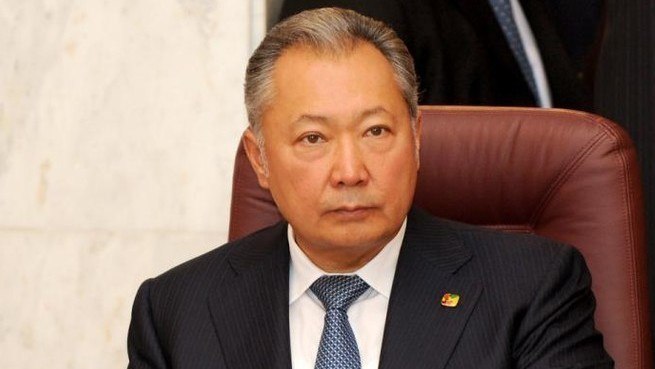
Kyrgyzstan’s Ex-President Kurmanbek Bakiyev May Return to the Country

Kurmanbek Bakiyev, the former president of Kyrgyzstan currently living in exile in Belarus, is seeking a review of his convictions handed down in absentia. His lawyer, Ikramidin Aitkulov, recently told local media that Bakiyev wishes to challenge the court’s decisions and possibly return to Kyrgyzstan to participate in legal proceedings personally.

According to Aitkulov, Kyrgyzstan’s Criminal Procedure Code does not provide clear regulation for trials conducted in absentia. This legal ambiguity, he argues, results in inconsistent interpretations and infringes upon a citizen’s right to a fair trial. He has appealed to the Constitutional Court to examine the relevant provisions of the procedural code.

Aitkulov emphasized that, although thousands of individuals are currently wanted by Kyrgyz authorities, relatively few are actually tried in absentia, making Bakiyev’s case unusual.

Background of Bakiyev’s Convictions

In 2016, Kurmanbek Bakiyev was sentenced to 30 years in prison for complicity in the mass killings of April 7, 2010, when security forces opened fire on protesters in central Bishkek. His brother, Jenish Bakiyev, then head of the State Guard Service, was also found guilty in connection with the events.

In 2023, Bakiyev received an additional 10-year sentence for corruption related to the Kumtor gold mining enterprise.

According to his lawyer, if these two convictions are overturned, Bakiyev could return to Kyrgyzstan and be physically present for any retrial. “We need to file for a review of the cases in the Supreme Court. If the decisions taken in absentia are canceled, then he (Kurmanbek Bakiyev) will personally participate in the consideration of his case in the second court instance,” Aitkulov said.

Constitutional Court Responds

In response to Aitkulov’s appeal, the Constitutional Court of Kyrgyzstan stated that trying Bakiyev in absentia was legally permissible, given that he had deliberately evaded justice by fleeing the country. Attempts by Kyrgyz law enforcement agencies to extradite him had failed.

“The conduct of court proceedings in absentia is not an arbitrary aspect of the criminal process, but rather an exceptional measure to safeguard public interest and ensure the inevitability of punishment,” the Constitutional Court stated.

However, the court also clarified that any individual convicted in absentia has the right to a case review upon return to Kyrgyzstan, provided they are physically present during the proceedings. If Bakiyev voluntarily returns, he would still be detained but granted the opportunity to appeal his convictions.

Tajikistan Abolishes Criminal Prosecution for Social Media ‘Likes’

Tajikistan will no longer criminalize the use of “likes” or emoji reactions on social media posts. Amendments to the Criminal Code were unanimously approved on April 10 during the first session of the newly elected lower house of parliament, the Majlisi Namoyandagon.

The legislative initiative, introduced by First Deputy Prosecutor General Umed Karimzoda, removes language from Articles 179(3) and 307(1) of the Criminal Code that allowed for punishment for “endorsing” extremist or terrorist content. Specifically, the phrase “liking or other sign of approval” will be eliminated from the law. The reform will take effect after approval by the upper house of parliament, a presidential signature, and official publication.

Up to 15 Years for Liking: The Way It Used to Be

Previously, Tajikistan’s legislation permitted real prison sentences for online activity. Article 179(3), concerning public incitement to terrorism, carried penalties of 5 to 15 years in prison. Article 307(1), concerning public justification of extremism, allowed for 3 to 12 years behind bars. This justification included simple actions such as liking or reposting flagged content.

According to Karimzoda, 1,507 people are currently imprisoned for social media activity involving likes or comments on extremist-designated materials. This figure, cited from the Main Department of Corrections, had not been officially disclosed prior to his statement. The Supreme Court of Tajikistan has also consistently declined to release related statistics to the press or the public.

Government Response and Rahmon’s Remarks

President Emomali Rahmon had already voiced concern over such judicial practices in October 2024, calling on authorities to end prosecutions based on social media interactions. “Some bodies are bringing cases without grounds and this should be stopped,” Rahmon said at the time.

Despite this directive, media reports indicate that security services continued to detain individuals, seize phones, and inspect social media activity.

One high-profile example involved the family of journalist Shervon Umriddin. In April 2024, his brother was detained in the town of Penjikent after authorities inspected his phone and discovered likes on opposition-related posts. A similar incident had affected another relative a year earlier. Both were eventually released after paying fines.

Legal Experts and Human Rights Concerns

Media lawyer Ranget Yatimov recalled that as early as 2018, human rights defenders warned of the risk of abuse stemming from the vague interpretation of anti-extremist legislation. Courts began equating “likes” on controversial content with public justification of terrorism. Yatimov also highlighted that such court hearings are typically held behind closed doors, lacking transparency or external oversight.

Following Rahmon’s remarks, lawyers and civil society activists emphasized that rhetorical criticism was insufficient. “If the president has a desire to change the situation, he should officially initiate the legislative abolition of such norms. Otherwise, it will remain in words,” said political migrant Farҳod Odinaev.

International human rights organizations have repeatedly condemned Tajikistan for restricting freedom of expression. Criminal penalties for digital activity, including likes and comments, have been widely regarded as a violation of basic human rights.

The repeal of this provision could mark a step toward more proportionate law enforcement and an improved international reputation for Tajikistan. However, the real impact will only be clear once the amendments are enacted and enforced.

Trump’s Trade War Against China: Opportunities and Risks for Central Asia

Experts believe that Central Asian countries stand to gain from U.S. President Donald Trump’s renewed trade war with China, but the region also faces substantial risks.

Kazakhstan Bears the Brunt

On April 3, Trump signed an executive order imposing “reciprocal” customs duties on goods from dozens of countries. Kazakhstan faced the steepest tariff in Central Asia at 27%, while Kyrgyzstan, Uzbekistan, Tajikistan, and Turkmenistan each received a flat 10% rate.

Kazakhstan’s Ministry of Trade explained that 92% of the country’s exports to the U.S., including crude oil, uranium, silver, and ferroalloys, were among the exempt categories listed in the order. As a result, only 4.8% of total exports to the U.S. would be affected. The government has announced its intent to hold consultations with Washington to avoid further tariffs.

More broadly, global economic uncertainty tied to the trade war may cause further weakening of national currencies across Central Asia. Declining demand for oil could depress prices, posing a particular threat to Kazakhstan, where oil is a primary export. On April 9, Trump announced a 90-day freeze on additional tariffs, applying a temporary 10% duty for more than 75 countries, excluding China.

Open Confrontation with Beijing

In a sharp escalation, the U.S. raised tariffs on Chinese imports to 145%. Beijing retaliated with 125% tariffs on U.S. goods, effectively halting trade. As the Chinese government noted, duties at this level “no longer make economic sense.”

On April 13, Trump, responding to pressure from the U.S. business community, reversed duties on processors, computers, smartphones, and electronics. According to Morgan Stanley, 87% of iPhones are made in China, and production of the upcoming iPhone 17 will also be based there. Additionally, four out of five iPads and 60% of Macs are manufactured in China.

Meanwhile, Chinese President Xi Jinping has urged European nations to resist what he described as Trump’s erratic trade policies.

Central Asia: Strategic Position, Mixed Prospects

With Chinese goods effectively shut out of the U.S. market, Beijing is likely to turn to alternative trade routes. While Southeast Asian nations such as Vietnam and Malaysia benefitted during the 2018-2019 trade war, this time Trump has also targeted some of them with tariffs, fearing rerouted exports.

China’s growing pivot toward Eurasia places the Central Asian countries at a critical transit junction. Their strategic position on land routes to Europe offers untapped potential for trade reorientation.

Kyrgyzstan, in particular, has served as a conduit for Chinese goods, with Chinese-manufactured items re-labeled as Kyrgyz products before entering markets across the CIS. This practice, noted as early as 2015, primarily catered to Russia but also extended to Kazakhstan.

More recent findings indicate that illegal Chinese imports into Central Asia may total billions of dollars. The existing smuggling infrastructure could be formalized and scaled, facilitating increased regional trade.

Long-term benefits could include heightened cargo traffic through Kazakhstan, Uzbekistan, and Kyrgyzstan, sparking Chinese investment in logistics infrastructure and creating jobs in transport.

Risks of Overreliance

The trade conflict may also incentivize some Chinese manufacturers to relocate assembly operations to neighboring countries with preferential trade access. If these ventures meet local value-added criteria, they could potentially avoid U.S. tariffs. Chinese firms are already exploring joint ventures in Kazakhstan and Kyrgyzstan to enter Eurasian and European markets.

Meanwhile, Chinese products continue to dominate Central Asian markets, spanning textiles, electronics, industrial equipment, and more. If Western access shrinks further, Chinese producers may increasingly flood regional markets with inexpensive goods.

While this could help manage inflation, it would also undercut local industries. For instance, textile and footwear manufacturers in Uzbekistan and Kyrgyzstan may struggle to compete with cheaper imports.

Moreover, Central Asia risks growing economically dependent on China. Closer economic integration may also invite backlash from Washington, including the threat of sanctions.