• KGS/USD = 0.01144 0%
  • KZT/USD = 0.00210 0%
  • TJS/USD = 0.10528 0%
  • UZS/USD = 0.00008 0%
  • TMT/USD = 0.28571 0%
  • KGS/USD = 0.01144 0%
  • KZT/USD = 0.00210 0%
  • TJS/USD = 0.10528 0%
  • UZS/USD = 0.00008 0%
  • TMT/USD = 0.28571 0%
  • KGS/USD = 0.01144 0%
  • KZT/USD = 0.00210 0%
  • TJS/USD = 0.10528 0%
  • UZS/USD = 0.00008 0%
  • TMT/USD = 0.28571 0%
  • KGS/USD = 0.01144 0%
  • KZT/USD = 0.00210 0%
  • TJS/USD = 0.10528 0%
  • UZS/USD = 0.00008 0%
  • TMT/USD = 0.28571 0%
  • KGS/USD = 0.01144 0%
  • KZT/USD = 0.00210 0%
  • TJS/USD = 0.10528 0%
  • UZS/USD = 0.00008 0%
  • TMT/USD = 0.28571 0%
  • KGS/USD = 0.01144 0%
  • KZT/USD = 0.00210 0%
  • TJS/USD = 0.10528 0%
  • UZS/USD = 0.00008 0%
  • TMT/USD = 0.28571 0%
  • KGS/USD = 0.01144 0%
  • KZT/USD = 0.00210 0%
  • TJS/USD = 0.10528 0%
  • UZS/USD = 0.00008 0%
  • TMT/USD = 0.28571 0%
  • KGS/USD = 0.01144 0%
  • KZT/USD = 0.00210 0%
  • TJS/USD = 0.10528 0%
  • UZS/USD = 0.00008 0%
  • TMT/USD = 0.28571 0%

Kazakhstan Unveils Alatau: Investor-Led City with Crypto Ambitions

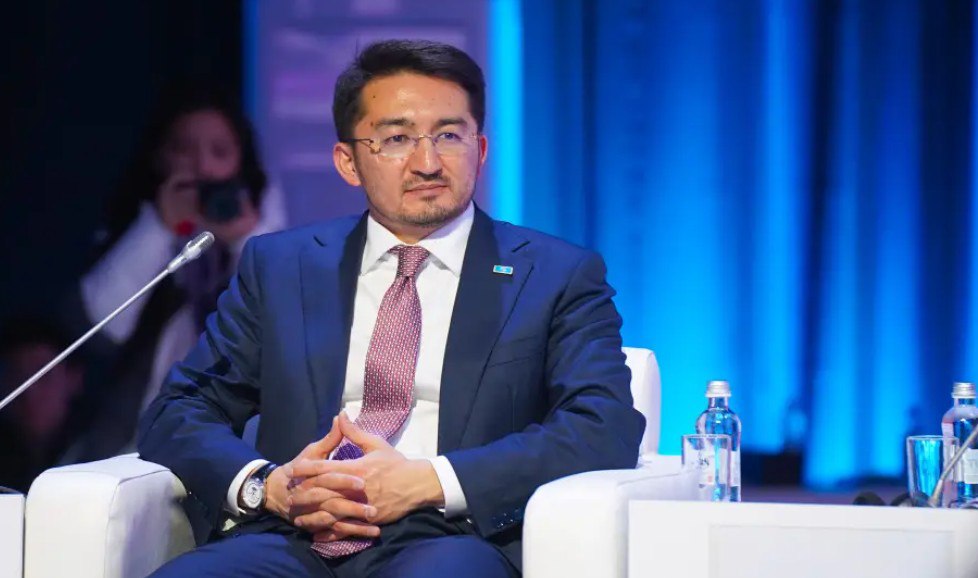
A major new urban development project is underway in Kazakhstan’s Almaty region, where a city named Alatau is being built with an emphasis on private investment and innovation. According to Zhaslan Madiyev, Minister of Digital Development, Innovation, and Aerospace Industry, the city is envisioned as a “magnet” for both domestic and international investors.

Initially known as G4 City, the Alatau project was designed as a “smart city” comprising four interconnected districts:

  • Gate District – A financial and business hub
  • Golden District – A center for education and healthcare
  • Growing District – An industrial and logistics zone
  • Green District – An area for recreation and entertainment

The development plan for Alatau aims to attract KZT 3.7 trillion (approx. $7.2 billion) in investment and expand the population from 52,000 to 2 million residents.

The city will also be part of a special economic zone, with over 170 projects valued at KZT 12.5 trillion (around $24.4 billion) earmarked for implementation.

Speaking at the Astana International Forum (AIF), Madiyev stated that the city could take one of two development paths: state-funded, as in the cases of Astana and Turkestan, or developed as a platform for private investment.

“There are several options for how the city can be developed,” he said. “Alatau can be made a platform for investors. However, this requires an environment where the private sector can thrive. We need to design the entire landscape to support that in Alatau.”

Madiyev also proposed key regulatory and infrastructural reforms to attract foreign investors. English should become the city’s main business language, cryptocurrency should be permitted for free circulation, and foreign nationals should be allowed to purchase real estate. These initiatives, he argued, would help position Alatau as a hub for education and tourism.

“This city can become a magnet for young people who dream of living in places like Dubai,” Madiyev said. “We hope they will choose Alatau.”

Kazakhstan, Italy, and the Battle for Europe’s Energy Future

ASTANA – Central Asia is no longer on the periphery of global events, but a place where major countries come together with their ideas, money, and projects. In a turbulent and highly uncertain geopolitical environment, global powers are seeking to establish their presence in this strategic, energy-rich region. Italy is no exception.

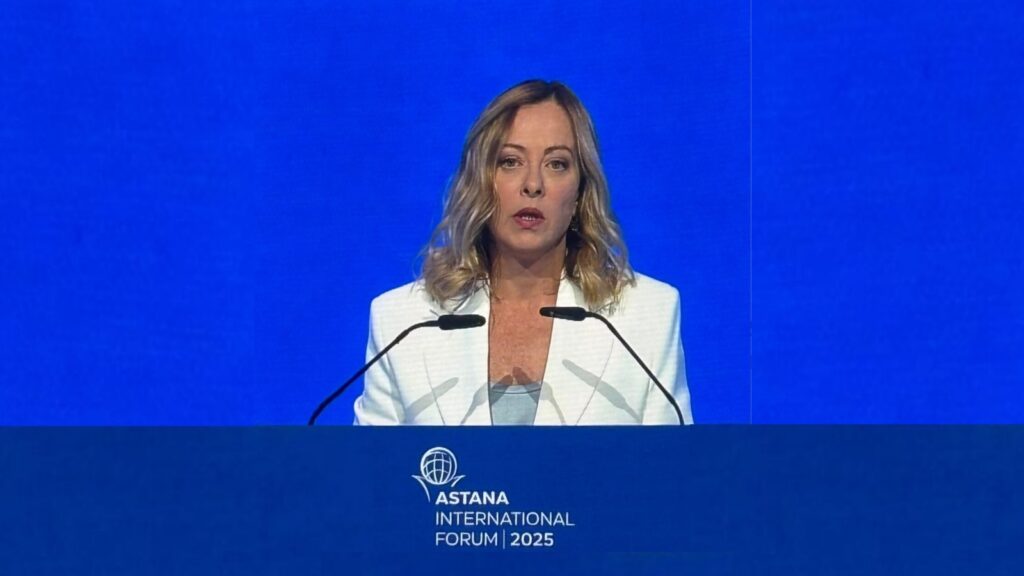
Italian Prime Minister Giorgia Meloni was initially scheduled to visit Kazakhstan in late April, but in light of Pope Francis’ passing her trip to Astana was canceled. Coincidently or not, she came to the Kazakh capital on May 30 to attend the Astana International Forum (AIF) – a two-day event that saw the attendance of political, business, and thought leaders who gathered under an expanded agenda that included climate change, energy security, and sustainability.

Meloni’s visit to Kazakhstan is part of her Central Asian tour; she previously visited Uzbekistan, where she met with the country’s President Shavkat Mirziyoyev. In Astana, she not only spoke at the AIF, emphasizing that the “Astana International Forum has become increasingly important in dialogue worldwide,” but also took part in the first-ever Central Asia–Italy summit.

“Italy was the first Nation in the EU to decide to invest in relations with Central Asia and its individual member Nations, launching a permanent format in order to share ideas,” Meloni said at the AIF, emphasizing that the EU–Central Asia Summit, held in April in Samarkand, “elevated the relations between the region and the European Union to a strategic partnership.”

In this relationship, Kazakhstan seems to play a crucial role. Italy is the largest Central Asian economy’s number one trading partner in Europe. According to Kazakhstan’s Ministry of Trade and Integration, trade turnover between Kazakhstan and Italy in 2024 amounted to $19.9 billion, which is 24% higher compared to the previous year ($16.1 billion). Oil is undoubtedly Kazakhstan’s main export to Italy, although critics argue that the third-most populous EU member is merely a transit country, as large amounts of Kazakh oil ultimately reach other European countries.

“If we really want to shape the future, we must have the courage to look beyond our geographical boundaries and pave new paths. I am thinking of the energy sector, where our cooperation can help make a difference, and I am also referring to critical raw materials, where our collaboration aims to generate shared benefits and mutual opportunities,” Meloni stressed.

Kazakhstan is one of the richest countries in the world in terms of natural resources. This makes it a nation of significant interest to Italy – with whom Astana signed a Strategic Partnership Agreement back in 2009 – as well as to other European states. But from the Kazakh perspective, it is important that this cooperation be mutually beneficial. Astana is seeking to avoid being seen merely as a source of raw materials and expects its partners to offer tangible benefits in return.

That is why Kazakhstan’s President Tokayev has pushed forcefully for the renegotiation of oil agreements with foreign energy companies operating in the country. For Astana, it is unacceptable that 98% of revenues go to foreign companies. That, however, does not mean that Tokayev does not value Kazakhstan’s relations with Italy.

“We are proud to be Italy’s main partner in Central Asia. Our economic cooperation is developing very dynamically and has enormous potential for further growth,” the Kazakhstani President said during his visit to Italy in January 2024.

A year later, Tokayev met Meloni again, this time at the Abu Dhabi Sustainability Week summit in the United Arab Emirates. These relatively frequent meetings perfectly illustrate growing Kazakh-Italian economic ties. Italy is now Kazakhstan’s third-largest trading partner, following China and Russia, and ranks among the top five foreign investors in the Kazakh economy. Their relationship is particularly strong in the energy sector, with over $18 billion in exports of Kazakh oil and petroleum products in 2024.

Moreover, in 2022, Eni – an Italian energy giant focused on petroleum, natural gas, and petrochemicals – launched the largest wind power plant, Badamsha I and II, with a capacity of 96 MW, in Kazakhstan’s Aktobe Region. Also, in July 2024, Eni and KazMunayGas – the national oil and gas company of Kazakhstan – started the construction of a 247 MW hybrid power plant in Zhanaozen, southwestern Kazakhstan. The plant will operate on solar, wind, and gas energy.

Beyond the economy, there are other areas where cooperation between Kazakhstan and Italy can be expanded, including culture and tourism. However, to attract more Kazakhstani tourists to Italy, the EU would need to abolish – or at least ease – visa procedures for citizens of Kazakhstan. That is something Astana is firmly pushing for and is hoping for Rome’s support.

In the meantime, Kazakhstan anticipates more Italian companies beginning operations in the country – there are currently around 300. It also looks forward to Italy’s increased involvement in the development of the Trans-Caspian International Transport Route (also known as the Middle Corridor), which connects Southeast Asia and Europe via Kazakhstan, the Caspian Sea, Azerbaijan, Georgia, and Turkey. Speaking at the AIF, Meloni said that the “Middle Corridor is probably the most promising and fascinating challenge” in connecting Europe with the region.

Finally, Kazakhstan, along with other Central Asian nations, expect that rising geopolitical tensions and risks to global transit routes will lead European countries to focus more on stability and security in this important region, and will therefore look to work more closely with their Central Asian partners.

Kazakhstanis Spend Over Half Their Family Budget on Food

Over the past two decades, food expenditures have claimed an increasingly large share of Kazakh family budgets. According to analysts at Finprom.kz, food accounted for 55.4% of total consumer spending in 2024, nearly 10 percentage points higher than in 2004, when the figure stood at 45.7%. The rise has been gradual, with a peak of 58% during the COVID-19 pandemic in 2020, followed by a slight decline.

The Growing Burden of Food Costs

This trend signals concern about living standards. Under UN benchmarks using the Engel coefficient, households that spend over 50% of their income on food are considered to have a very low standard of living

The burden varies significantly across Kazakhstan’s regions. In the capital, Astana, where average incomes are higher, food accounts for 49.4% of consumer spending. In contrast, the economically vulnerable Turkestan region reports a figure of 62.6%. High levels are also recorded in the Almaty (62.1%), Zhambyl (61.8%), and Zhetysu (60.9%) regions.

This regional disparity is not new. In 2004, residents of the capital and central regions also spent less on food than those in the country’s western and southern areas. Back then, Atyrau, Mangistau, and Almaty regions led in food expenditure shares.

Rising Food Budgets Driven by Consumption, Not Cuts

Despite the heavier budget allocation toward food, Kazakhstanis are not cutting back. On the contrary, consumption has grown in several food categories. Compared to 2004, annual per capita meat consumption has doubled to 82.6 kg. Consumption of fish and seafood has risen by 79.5% to 14.2 kg, and sweets by 51.4% to 43.1 kg. Only two categories saw declines: fruit consumption dropped by 41%, and potato consumption by 8.5%.

These changes suggest that the rising share of food expenditures is driven more by shifts in dietary preferences and expanded consumption than by inflation alone.

Food Spending as a Barometer of Prosperity

Kazakhstan ranks near the bottom globally for food expenditure efficiency. According to 2023 estimates by Euromonitor International, the country placed 99th out of 105, with food accounting for 49.4% of total consumer spending.

In comparison, food spending made up 46.5% in Uzbekistan, 36.9% in Turkmenistan, and just 29% in Russia. In high-income countries, the figures are significantly lower: 6.7% in the United States, 8.4% in Singapore, and 8.7% in the United Kingdom. These disparities reflect not only income differences but also broader variations in economic structures and the effectiveness of social policies.

A Symptom of Structural Strain

The trend in Kazakhstan highlights a broader economic challenge. While food consumption has increased, the rising proportion of household budgets spent on food signals a systemic issue: wages and social benefits are not keeping pace with rising costs and evolving consumer expectations. As long as more than half of family budgets are directed toward food, substantial growth in other sectors of consumer spending remains out of reach.

Bridging Continents: Launching the VIMA Art Fair in Cyprus

In the art world, fairs often have a meteoric rise and fall in an oversaturated market of competing events. But every so often, one lands with a quiet, deliberate weight, embedding itself in the soil of its context and revitalizing it. VIMA Art Fair in Limassol, Cyprus, is one such project.

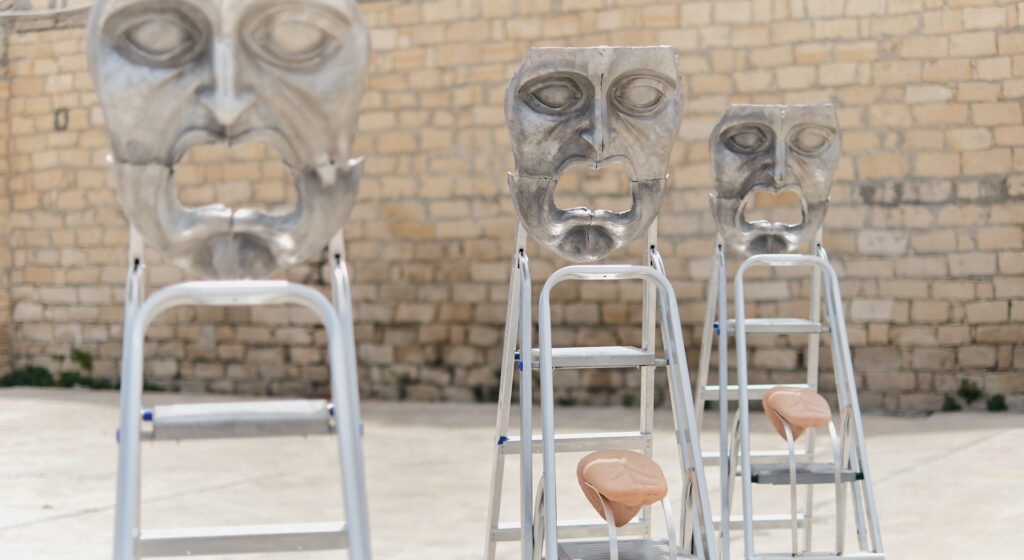
Unfolding in a transformed wine warehouse near the sea, VIMA resisted the sterile polish of typical fair venues. Here, the Mediterranean wind mingled with the hum of languages, from Russian to Arabic, Greek, and Turkish, to English.

The fair was founded by three Russians who have established themselves in Cyprus – Edgar Gadzhiev, Lara Kotreleva, and Nadezhda Zinovskaya – all of whom have brought a deep well of curatorial and institutional experience from Central Asia, Eurasia, and beyond.

The trio have diverse backgrounds: Zinovskaya used to manage Ayarkut, an international art foundation operating across Kazakhstan and Mexico, together with Gadzhiev, who specialized in marketing in the cultural sector. Lara Kotreleva, meanwhile, has a museological background in Moscow and founded Sphere Space, an ongoing research initiative dedicated to architectural heritage in Limassol.

To set up the fair, they teamed up with an expert committee comprising the Cypriots Alexandros Diogenous and Tasos Stylianou, co-founders of Limassol Art Walks, and Andre Zivanari, director of the Point Center for Contemporary Art in the capital, Nicosia.

Of the 27 participants at the fair, there was an emphasis on the ten Cypriot galleries, commercial, not-for-profit, and artist-run spaces, part of Cyprus’s flourishing contemporary art scene, as well as on a number of Middle Eastern and Greek galleries.

The Caucasus also made an appearance, with Georgia’s Window Project (Tbilisi) presenting a thoughtful mix of Georgian and international artists. Their mission centers on bridging generational narratives, with a particular emphasis on promoting emerging Georgian talents alongside an often-overlooked older generation of artists. At VIMA, the gallery highlighted the work of female artists, including Tamar Giorgadze, Sigrid Gloerfelt, Natela Grigalashvili, Tamara K.E., and Anie Toidze.

Representing Azerbaijan, pop/off/art (Baku) featured a dynamic selection of artists primarily from the post-Soviet sphere as well as Eastern and Central Europe, showcasing works by Despina Flessa, Andrey Krasulin, and Shamil Shaaev.

The mood was easygoing and fresh, but did not shy away from important socio-political themes that are unavoidable on the island, from the Greek-Turkish divide, to the arrival of a number of expats fleeing wars. Through a program of talks and a collateral exhibition, the fair leaned into this complexity and spelled out the necessity of communities coexisting, as well as articulating the desire to create new cultural infrastructure through public and private collaboration.

The Times of Central Asia spoke with Edgar Gadzhiev, Lara Kotreleva, and Nadezhda Zinovskaya.
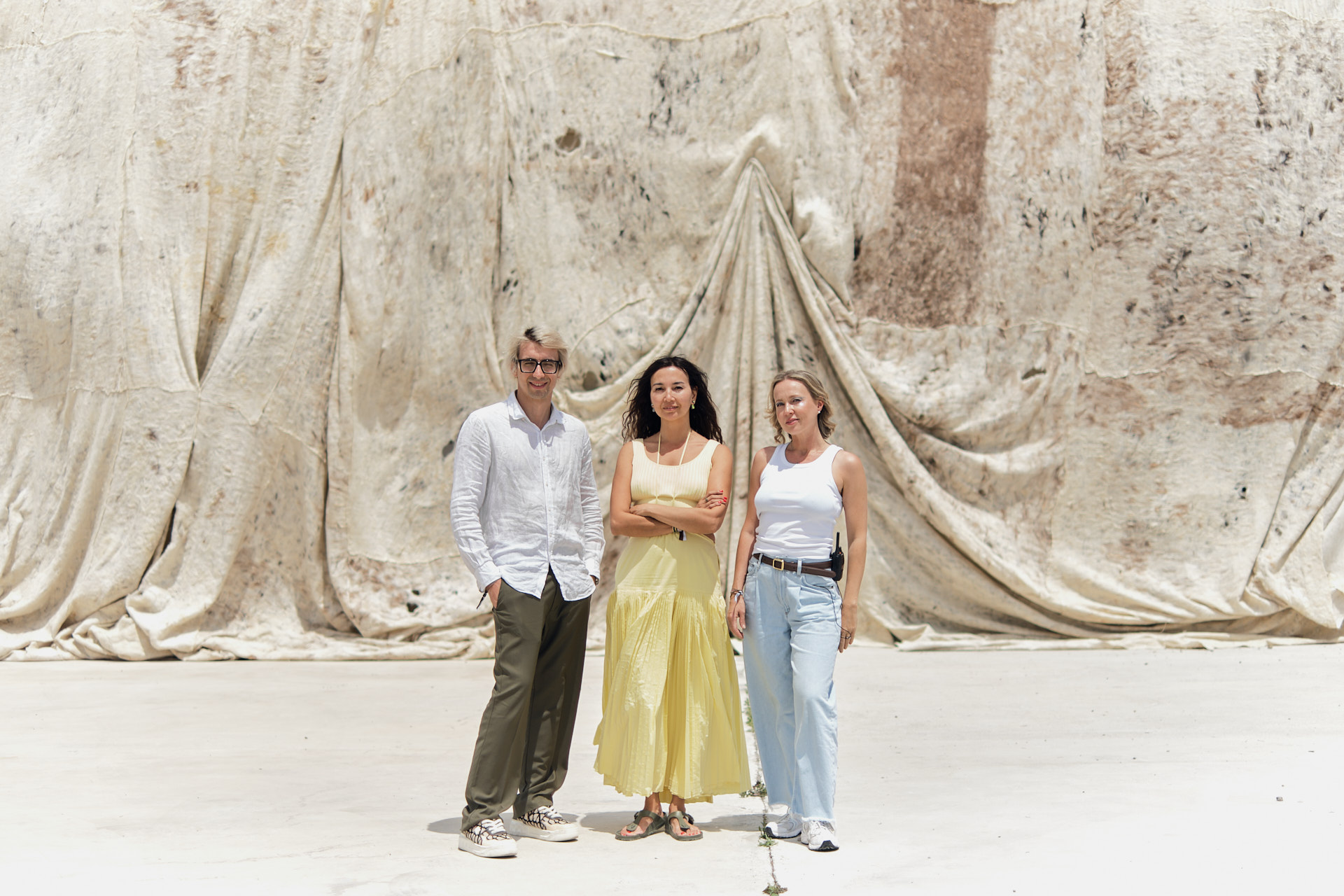
Portrait of the co-founders of the VIMA Art Fair, Edgar Gadzhiev, Nadezhda Zinovskaya, and Lara Kotrelevaimage; image courtesy of the VIMA Art Fair

TCA: Why did you choose Cyprus as the location to launch this project?

Gadzhiev: It wasn’t a random decision. We conducted long-term research, and it became clear that now is the right time to launch an art fair here. The market appears ready — there’s a growing demand for art and a significant influx of private capital into Cyprus. On one hand, there are people who want to buy art, and on the other, there’s a vibrant ecosystem of artists and institutions. It all just clicked.

Kotreleva: Cyprus also hosts many conferences and investment forums, and the numbers show the economy is steadily developing, especially compared to neighboring regions. Cyprus has become a sort of safe space in an otherwise complicated region. Plus, of course, we all live here.

TCA: Can you elaborate on why Cyprus feels like a “safe space”?

Gadzhiev: Many different nationalities coexist here — Russians, Lebanese, Ukrainians, English, Israelis. It’s historically been like this. That multicultural environment is part of why we see Cyprus as a safe space — it’s already happening in real-time.

Kotreleva: Cyprus has a deeply layered history. I’m not a specialist in Cypriot history, but as a historian, I think that its complexity contributes to a vibrant and interesting scene. But as a fair, we’re not focusing on politics. We rather aim to provide a space for art and the kind of discussions art can provoke.

TCA: Was the architectural and historical context of the venue important for the fair?

Kotreleva: Definitely. It was a challenge to find a space that suited our needs — large and visually appealing. Most art fairs happen in functional expo buildings. But here, we worked with the venue team to develop something new. Hopefully, this will inspire other building owners in Cyprus to see the potential of post-industrial spaces.

Image courtesy of the VIMA Art Fair

TCA: As Russian nationals, how do you relate to the Russian community in Cyprus?

Kotreleva: There’s a sizable Russian community, especially in Limassol. Migration began after the collapse of the Soviet Union, when many were looking for asylum or a better life. Over the years, more people have come; Cyprus has long been attractive to people from many countries.

TCA: What attracts expats to Cyprus?

Gadzhiev: Speaking personally, I love nature, and I can surf here! But also, Cyprus has a very rich art ecosystem—though I’m not sure that’s why people move here. Many come because IT companies enjoy a favorable tax regime. When companies relocate, they bring their people.

TCA: Are these newcomers — especially those from the IT sector — part of your target audience in terms of collecting?

Gadzhiev: There are established collectors already living here, and they are definitely part of our audience. We also work with foreigners who moved here in the 80s and 90s. Additionally, we’re looking to develop the local audience, which includes people from the IT sector, but we are not focusing on them.

Kotreleva: We discovered that generalizations — like saying all ‘IT guys’ are alike — misses the nuances. Everyone is different. Our work at the fair helped us uncover rich and unexpected connections across the island.
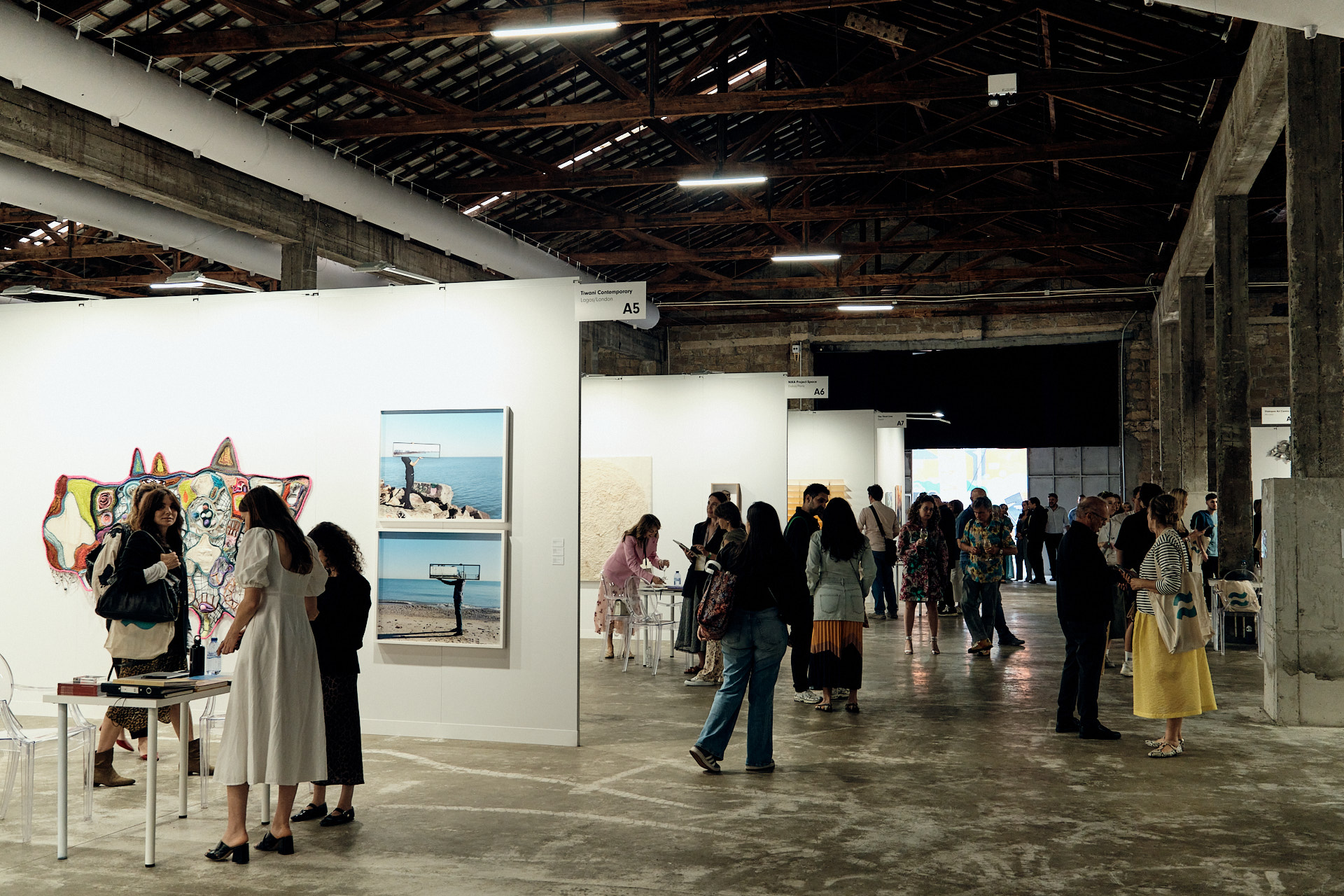
Image courtesy of the VIMA Art Fair

TCA: How did you connect with the local art scene initially?

Gadzhiev: We actually started to learn about Cyprus through its art scene. The art constituted our entry point to understand the complex dynamics within the country. We discovered there’s a rich art ecosystem in Cyprus, but what’s missing is a platform that connects galleries and the market.

Kotreleva: From the beginning, we knew we needed a strong expert committee. It took months to reach and convince people like Alexandros Diogenous, Tasos Stylianou, and Andre Zivanari. Together, we developed our strategy, including whether to curate or do an open call. Their insight helped provide deep context and support.

There’s also a lack of cultural media here. People don’t always know where to go to find information about art. A fair can offer visibility and help close that gap. Unlike a museum, a fair has a more vibrant, social vibe that can attract new audiences. That’s why we focused a lot on programming this year — and we plan to continue doing so.

TCA: Can you share a bit about your backgrounds and how they influenced the creation of VIMA?

Zinovskaya: Three years ago, Edgar and I started a foundation, Ayarkut, that carried out research and launched about 20 projects in a short space of time, including in Mexico and Kazakhstan. I also founded and ran Cube in Moscow, an art center with 15 galleries, with dynamics similar to those of an art fair.

Gadzhiev: With Ayarkut we worked closely with top institutions and developed public art festivals and prizes. The network and methodology we built then helped us shape VIMA.

TCA: Can you tell me a bit about your past project, Ayarkut, and how it connected Kazakhstan and Mexico?

Zinovskaya: The reason Ayarkut exists – or existed – in both countries is related to the presence of inDrive – the mother company of the foundation and a major sponsor. Ayarkut’s main mission is to support artists as agents of social change, foster dialogue around important topics, and facilitate actions.

Image courtesy of the VIMA Art Fair

TCA: What peculiarities did you notice working with Kazakh artists in that context, versus your previous experiences in Moscow?

Zinovskaya: We don’t believe we had enough time in Kazakhstan to become established enough, to have enough expertise to answer this question, but we worked with different artists from Kazakhstan and it’s very obvious that the Kazakh art ecosystem is incredibly diverse and rich, and we learned a lot from it.

TCA: Ayarkut was meant to extend the impact of art, artists and institutions who responded to current social and political challenges in both countries, by giving a platform to artists who lived outside of the big cities. Can you give me some examples of Kazakh artists who benefitted from this?

Zinovskaya: For us, it wasn’t a must to choose only artists from outside the big cities, but decentralization was an approach we were trying to follow. One of the projects was a public art project made together with Artbat, which resulted in pieces of art installed around Almaty by local artists such as Saule Suleimenova, Saken Narynov, Said Atabekov, Yelena and Viktor Vorobyev, Saule Dyussenbina, and other international artists.

TCA: How did this specific experience with artists working in artistic peripheries transfer itself to VIMA?

Ayarkut taught us how to build projects that aren’t just site-specific, but ecosystem-specific, based on continuous learning from research which never ends. With VIMA, we’re applying that same sensitivity — only now we’re working in Cyprus, which for outsiders can often be treated as peripheral despite its deep geopolitical and cultural centrality.

We designed VIMA as a cultural infrastructure including the main part as a conventional fair, but also as a curatorial project, public program, parallel program, and more, all with the same focus on the broader region, the Mediterranean, sometimes called the Eastern Mediterranean. This regional focus in the inaugural edition was represented by the selection of galleries, The Posterity of the Sun by Ludodivc Delalande, public talks program by Nadine Khalil, but even extended to the selection of the music and the wine served.

But what’s most important is that our work is about creating new infrastructural elements within an existing ecosystem that allow artists, arts professionals and also those interested in culture – brands and companies – to collaborate long-term and effectively. That was true for Ayarkut, and it’s even more central to VIMA.

TCA: Are there other projects within VIMA beyond the fair itself?

Kotreleva: We have three public talks curated by Nadine Khalil about the intersection of public and private collecting, market strategies for art galleries, and a focus on Cypriot institutions, foundations, and nonprofits. We’ll also host a lecture by the artist collective Slavs and Tatars on language and culture, a theme that is very relevant to Cyprus.

Gadzhiev: We want VIMA to be not just a fair, but a whole experience. We hope international visitors will come here and love Cyprus as much as we do. We’re already thinking of next year’s fair, and we have big plans.

Kazakhstan to Launch First International Outlet Center

An agreement to establish Kazakhstan’s first international outlet center has been signed at the Astana International Forum.

According to the Ministry of Trade and Integration, the large-scale project will be located in the Almaty region and developed by QSM Group in partnership with Austria’s Ekazent Management GmbH, a leading player in the European commercial real estate market.

Ekazent will oversee the entire planning and operational framework for the outlet center. This includes conducting a marketing study to determine the optimal location, defining the architectural and functional concept, developing a long-term management strategy, and managing day-to-day operations after the center opens. The Austrian firm will also be responsible for attracting international brands and tenants to the retail spaces.

The future outlet center will span between 80,000 and 120,000 square meters and will include shopping galleries, hotels, restaurants, playgrounds, and other leisure facilities.

Kazakhstan’s Minister of Trade and Integration, Arman Shakkaliyev, hailed the project as a milestone for the country’s retail sector. “Today, there are no Western-style outlet centers in Central Asia, which creates a unique competitive advantage. Kazakhstani consumers show consistent interest in branded goods and lifestyle-oriented shopping,” Shakkaliyev said. He also emphasized the strategic value of the Almaty region’s location, noting its proximity to the capitals of Uzbekistan and Kyrgyzstan and well-established transport corridors from China, Turkey, the UAE, and Russia.

The outlet is expected to become a major attraction for both residents and international visitors.

Globally, the outlet retail market exceeds $100 billion and continues to grow at an annual rate of 5-7%, with the fastest expansion occurring in Asia.

The announcement coincided with the broader discussions at the Astana International Forum, which brought together leaders from several countries to address key global issues such as energy security, geopolitical cooperation, trade, and sustainable development.

Central Asia’s Transport Logistics Shift Eastward

At a recent roundtable in Bishkek on economic ties with China, former Kyrgyz Prime Minister and former presidential economic advisor Akylbek Japarov called on Central Asian states to improve coordination on regional transport infrastructure. He noted that Kyrgyz transport companies increasingly view transit through the Chinese city of Kashgar as the most efficient route.

Japarov argued that China, given its global stature, should engage with Central Asia as a unified and coordinated region rather than as a collection of separate states. “We are facing both an opportunity and a challenge,” he said. “We must think not in terms of competition between countries, but as a single interconnected system. Only in this way will we achieve sustainable growth and maintain our independence in the new world order.”

Eastern Shift: Freight Volumes Rise Through China

According to the Kyrgyz Association of International Carriers, a growing volume of freight is now transported through China, and this trend is expected to accelerate following the completion of the China-Kyrgyzstan-Uzbekistan railway.

Deputy Chairman of the Association, Igor Golubev, told The Times of Central Asia that private carriers are independently negotiating routes with transit countries across both eastern and western corridors. “We are actively cooperating with neighboring countries, developing new routes, and finalizing logistics. There are some challenges, like visa issues and fuel surcharges, but they are all solvable,” Golubev said.

Previously, some carriers established routes through Turkmenbashi to transport goods across the Caspian and Black Seas to Europe. However, a shortage of ferries in Turkmenistan has created a serious bottleneck. In response, the Turkmen government is reportedly exploring the purchase of additional vessels.

Western Routes: Costly and Complex

Logistics along western routes remain difficult. Sanctions and transit restrictions through Russia, the shortest and most economical path to Europe, have forced freight operators to reroute via the so-called Middle Corridor. This involves ferrying goods across the Black Sea to Georgia, transporting them to Azerbaijan, then shipping them across the Caspian Sea to Aktau (Kazakhstan) or Turkmenbashi (Turkmenistan), and continuing overland to Uzbekistan and Kyrgyzstan.

“This route is very expensive. Waiting for ferries adds to the costs,” Golubev explained. “We rarely use the Black Sea route. European cargo is primarily transported via Turkey, Iran, and the Caspian Sea. These logistics remain expensive and time-consuming.”

Exploring Southern Routes: Pakistan and the Push Toward Karachi

As Chinese industrial output continues to expand, the country’s existing logistics infrastructure is increasingly strained. Beijing is investing in new railways, expanding route networks, and seeking to streamline carrier operations.

Amid high costs and administrative hurdles in western corridors, Kyrgyz carriers are turning to the east and south. Last year, Pakistani transport companies and wholesalers participated in the Kyrgyzstan Logistics Forum. Talks are now underway to secure access to Pakistan’s port of Karachi.

“We had planned a joint motor rally with Pakistan, but tensions at the India-Pakistan border forced us to postpone,” Golubev said. A new route is being considered that would pass through China and Iran, bypassing Afghanistan. “Pakistanis are already using Afghan transit to deliver goods from Central Asia,” he added.

Kyrgyzstan and Kazakhstan are also in discussions with China and Pakistan to facilitate transit via the Karakoram Highway, which links western China to Karachi. Golubev confirmed that Kashgar has already become a favored logistics hub for Kyrgyz carriers.

Strategic Access: Iran’s Growing Role in Regional Trade

Following a free trade agreement between Iran and the Eurasian Economic Union (EAEU), Tehran is emerging as a key logistics hub. Iran offers strategic access to both the Caspian Sea and the Persian Gulf, including via the port of Bandar Abbas, a vital point for cargo from Gulf states such as the UAE and Qatar.

Government Support for Logistics Expansion

Kyrgyz authorities have taken steps to support the private logistics sector. A new tariff policy and revised customs transit fees were introduced last year to boost revenue and reduce corruption. Efforts are also underway to increase the capacity of the Torugart and Irkeshtam border crossings with China.