• KGS/USD = 0.01144 0%
  • KZT/USD = 0.00192 -0%
  • TJS/USD = 0.10849 0.37%
  • UZS/USD = 0.00008 0%
  • TMT/USD = 0.28571 0.28%
  • KGS/USD = 0.01144 0%
  • KZT/USD = 0.00192 -0%
  • TJS/USD = 0.10849 0.37%
  • UZS/USD = 0.00008 0%
  • TMT/USD = 0.28571 0.28%
  • KGS/USD = 0.01144 0%
  • KZT/USD = 0.00192 -0%
  • TJS/USD = 0.10849 0.37%
  • UZS/USD = 0.00008 0%
  • TMT/USD = 0.28571 0.28%
  • KGS/USD = 0.01144 0%
  • KZT/USD = 0.00192 -0%
  • TJS/USD = 0.10849 0.37%
  • UZS/USD = 0.00008 0%
  • TMT/USD = 0.28571 0.28%
  • KGS/USD = 0.01144 0%
  • KZT/USD = 0.00192 -0%
  • TJS/USD = 0.10849 0.37%
  • UZS/USD = 0.00008 0%
  • TMT/USD = 0.28571 0.28%
  • KGS/USD = 0.01144 0%
  • KZT/USD = 0.00192 -0%
  • TJS/USD = 0.10849 0.37%
  • UZS/USD = 0.00008 0%
  • TMT/USD = 0.28571 0.28%
  • KGS/USD = 0.01144 0%
  • KZT/USD = 0.00192 -0%
  • TJS/USD = 0.10849 0.37%
  • UZS/USD = 0.00008 0%
  • TMT/USD = 0.28571 0.28%
  • KGS/USD = 0.01144 0%
  • KZT/USD = 0.00192 -0%
  • TJS/USD = 0.10849 0.37%
  • UZS/USD = 0.00008 0%
  • TMT/USD = 0.28571 0.28%
11 December 2025

World Bank Urges Reforms to Unlock Uzbekistan’s Service Sector Potential

The World Bank has published a report analyzing Uzbekistan’s service sector, underscoring its critical role in driving economic growth and creating jobs. In 2023, the service sector accounted for 43.9% of the country’s GDP, solidifying its position as the main pillar of the Uzbek economy, ahead of industry, agriculture, and construction. The sector has also become a key source of employment, compensating for the long-term decline in agricultural jobs since independence.

Since 2017, Uzbekistan has implemented market reforms that have spurred sustainable economic growth, averaging 5.5% annually. In 2023, the service sector alone contributed to a 6.3% rise in GDP. However, structural transformation has lagged, with the sector’s share of GDP increasing only modestly – from 41% in 2010 to 44% in 2022. The report highlights challenges such as a concentration of low-skilled jobs in retail, hospitality, and transport, while high-productivity and innovation-driven services, such as ICT and professional services, remain underdeveloped, comprising just 4% of service-sector employment.

To unlock the sector’s full potential, the World Bank report identifies three key priorities -connectivity, contestability, and capabilities (3Cs). Improving physical and digital infrastructure is critical, as Uzbekistan ranks 88th globally on logistics performance indicators. While 4G/LTE coverage is expanding, it has yet to achieve universal accessibility. Additionally, market liberalization is essential, as restrictions on cross-border services and state monopolies in sectors like telecommunications hinder competition and innovation.

The World Bank recommends a range of reforms, including investing in infrastructure, liberalizing markets, easing data localization requirements, and expanding professional education programs such as One Million Uzbek Coders. These initiatives, combined with Uzbekistan’s anticipated accession to the World Trade Organization (WTO), could significantly boost the economy. The report projects that these reforms could increase GDP by 17%, stimulate growth in the financial, communications, and insurance sectors, and support the development of small and medium-sized industries.

Market liberalization, in particular, promises substantial economic benefits, including higher wages and enhanced global competitiveness. By addressing these challenges, Uzbekistan can position its service sector as a key driver of sustainable growth and long-term prosperity.


Two Dead, One Injured in Hostage Situation in Kazakhstan

A hostage situation in the Kazakh city of Aktobe on January 13 has left two people dead and a young woman seriously injured. The events unfolded around 8pm when police received a report of a man breaking into a private residence and taking a young woman hostage.

Emergency services promptly arrived at the scene, cordoning off the area. According to the press service of the Aktobe Region Police Department, both the department chief and the city prosecutor were present and personally led negotiations with the suspect.

Authorities revealed that the suspect was previously acquainted with the hostage. However, the man made no demands during the standoff. After three hours of failed negotiations, law enforcement decided to storm the house. The operation resulted in the successful arrest of the suspect and the rescue of the hostage.

Tragically, the woman’s elderly parents were discovered in the cellar during the inspection of the house. Both had sustained stab wounds. The 67-year-old mother succumbed to her injuries while en route to the hospital, and the 75-year-old stepfather died during emergency surgery.

The rescued hostage also sustained serious injuries, including slash wounds to her head and hands. She remains hospitalized in critical condition and is receiving both medical and psychological care.

A criminal case has been opened in connection with the incident. The suspect is currently being held in a temporary detention center as investigations continue.

Authorities have not disclosed further details about the attacker’s motives, leaving the community in shock as they mourn the loss of two lives and hope for the recovery of the injured woman.

Kyrgyzstan Gears Toward Self-Sufficiency in Medication

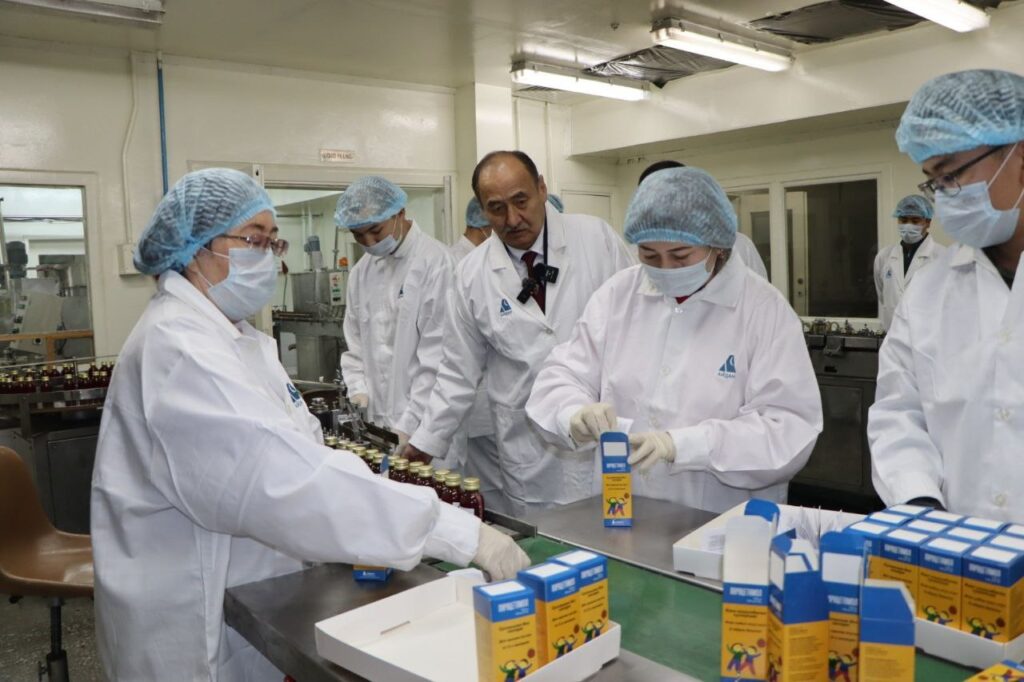
Kyrgyzstan has taken a significant step toward reducing its dependence on imported pharmaceuticals with the launch of domestic medicine production at the Aidan Pharma pharmaceutical plant. The facility has begun manufacturing its first batch of essential medications, including:

  • Paracetamol (suspensions and tablets);
  • Ibuprofen (suspensions);
  • Acetylsalicylic acid (tablets); and
  • Acyclovir (tablets).

The plant has the capacity to produce up to 10,000 packages of each of these medicines per day, offering an important boost to the country’s pharmaceutical industry.

In late 2023, Aidan Pharma began producing medical ethyl alcohol, which is now supplied to state hospitals and pharmacies. During a visit to the plant on January 10, Health Minister Alymkadyr Beishenaliev announced plans to expand the plant’s product range to 100 items by the end of this year. He also revealed that the company intends to begin exporting its products in the future.

“The plant’s products meet quality standards and have a low production cost, making them more affordable compared to imported medicines,” Beishenaliev noted.

The Kyrgyz government has prioritized reducing the country’s reliance on imported medications. In December 2024, the Cabinet of Ministers approved an investment agreement for a Kyrgyz-Chinese pharmaceutical project led by Standard Pharm Group. This initiative will focus on packaging pharmaceuticals and constructing a new pharmaceutical plant in Kyrgyzstan.

The project, which will be implemented in two stages over five years, is expected to attract over $41 million in investment. According to Minister of Economy and Commerce Bakyt Sydykov, the plant will manufacture a range of medicines, including:

  • Nutritional infusions;
  • Antibacterial, anti-inflammatory, and antipyretic medications;
  • Analgesics;
  • Hypoglycemic treatments; and
  • Gastrointestinal drugs.

Most of these medicines are included in Kyrgyzstan’s List of Vital Medicines, a critical inventory of essential pharmaceuticals that are currently not produced domestically.

The development of Kyrgyzstan’s pharmaceutical industry marks a critical shift toward self-sufficiency in healthcare. By expanding domestic production, the government aims to make essential medications more accessible and affordable for its population while fostering economic growth through investment and exports.

Kazakhstan Named Most Promising Destination for Chinese Travelers

Kazakhstan has affirmed its credentials as a tourist destination for Chinese travelers, receiving the award for “Most Promising New Destination of 2025” from Tongcheng Travel, China’s largest online travel agency.

Demand for travel to Kazakhstan surged by 300% year-on-year in 2024, according to Tongcheng. This growth trend is expected to continue in 2025, fueled in part by the Year of Kazakhstan Tourism in China. During this campaign, the number of tourists from China increased by 78%, reaching 655,000 visitors. Kazakhstan’s natural diversity, historical landmarks, and rich cultural heritage have proven to be major draws for Chinese travelers.

“We have recorded a two-fold increase in the number of tourists from China and intend to maintain this positive dynamic. Our cooperation with leading Chinese platforms will expand,” said Kairat Sadvakasov, Chairman of Kazakh Tourism.

Kazakhstan’s appeal as a tourist destination extends beyond China. Western travel journalists have also acknowledged the country’s potential. The British publication Lonely Planet included Kazakhstan in its list of the best travel destinations for 2024, whilst CNN Travel named Almaty as one of the top tourist destinations for 2025.

These accolades reflect Kazakhstan’s efforts to establish itself as a major global tourism hub, leveraging its unique natural beauty and cultural heritage to attract visitors from around the world.

Kazakhstan’s recognition by Tongcheng Travel underscores its growing reputation in the Chinese market, which has immense potential given the scale of outbound tourism from China. By fostering partnerships with major Chinese platforms and continuing to promote its diverse offerings, Kazakhstan is poised to solidify its position as a leading destination for travelers in the region.

Kyrgyzstan Launches Sustainable Tourism Development Program

The Cabinet of Ministers of Kyrgyzstan has approved a new Program for Sustainable Tourism Development which is set to run until 2030. The program aims to significantly enhance the country’s tourism sector, focusing on sustainable growth, regional development, and environmental preservation.

Program Priorities

The program outlines several key areas for development:

  • Strengthening state policy, improving regulations, and enhancing strategic management in tourism.
  • Boosting the attractiveness of tourism services for both domestic and international travelers.
  • Leveraging digital technologies to simplify access to tourism products.
  • Ensuring the safety and security of tourists.
  • Preserving and promoting Kyrgyzstan’s historical, cultural, and natural heritage while maintaining ecological balance.
  • Stimulating regional development and supporting local economies through tourism initiatives.
  • Improving transport, hotel, and tourism infrastructure.
  • Encouraging the adoption of green technologies and supporting environmentally friendly practices.
  • Promoting niche tourism markets such as medical, sports, and health resort tourism.

The program has ambitious goals, including increasing tourism’s contribution to the national GDP to 7% and achieving a 10% annual growth in the number of domestic and foreign tourists. Currently, tourism accounts for 2.7% of Kyrgyzstan’s GDP.

Rising Tourism Numbers

Kyrgyzstan’s tourism industry has seen steady growth in recent years. As previously reported by The Times of Central Asia, the country is expected to have attracted more than 10.5 million foreign tourists in 2024, up from 8.5 million in 2023. In the first eight months of 2024 alone, Kyrgyzstan welcomed 6.1 million foreign visitors. The majority of tourists came from Uzbekistan, Kazakhstan, and Russia, followed by travelers from Turkey, China, India, Germany, Pakistan, the United States, and South Korea.

Infrastructure and Investment

On January 11, the First Deputy Chairman of the Cabinet of Ministers, Daniyar Amangeldiev, chaired a meeting on tourism development. The discussions centered on improving tourism infrastructure, creating favorable conditions for investment in the sector, and designing new tourist routes.

Amangeldiev emphasized the pivotal role of tourism in driving economic growth and creating jobs. As part of the government’s plans, 40 new tourist bases are expected to open across the country by 2025. These will be developed in cooperation with local communities and investors. “We must improve services, develop unique routes, and ensure tourists’ safety throughout their journey in Kyrgyzstan,” Amangeldiev stated.

A Vision for the Future

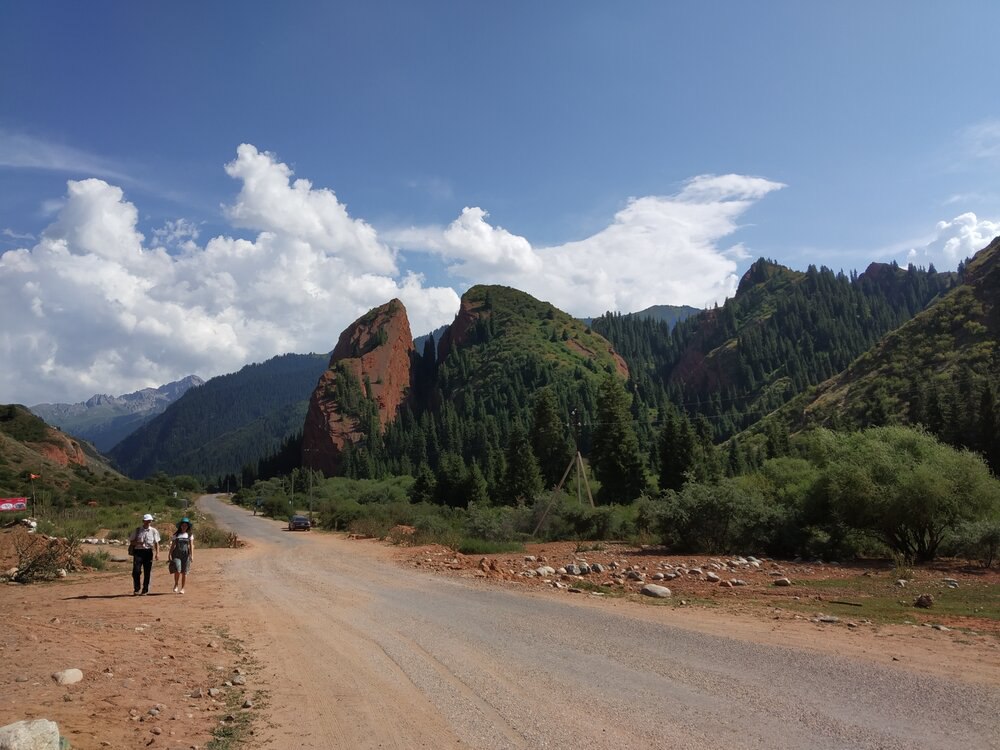
With its diverse landscapes, rich cultural heritage, and growing global recognition, Kyrgyzstan is positioning itself as a major tourism destination in Central Asia. The new program aims to transform the sector into a key driver of sustainable development, while preserving the country’s natural and cultural treasures for future generations.

The National Bank of Kyrgyzstan Seeks Greater Control Over Commercial Banks

The National Bank of the Kyrgyz Republic (NBKR) has proposed a draft law aimed at regulating tariffs and commissions for banking and payment services provided by commercial banks. The proposal has been published for public discussion on the official government portal Koomtalkuu.

The NBKR argues that the regulation is necessary to improve the accessibility of banking services for Kyrgyz citizens. While the current system of free pricing for banking services fosters competition, encourages better customer service and allows for economic flexibility, the regulator is concerned that it also creates barriers for certain segments of the population.

“Under competition, some financial organizations may use hidden fees or complex tariff structures, which make it difficult for customers to understand the true cost of services. This also complicates the ability to compare offers and select the most favorable option,” the bill’s background brief states.

The National Bank told The Times of Central Asia that interest rates on loans from banks and microfinance institutions in Kyrgyzstan can reach 33–34% per annum. Such high rates significantly increase the financial strain on citizens, reducing the availability of credit.

“High tariffs also increase financial burdens on businesses, driving up operational costs. This can lead to higher prices for goods and services, dampened business activity, and reduced consumer demand. In turn, this creates additional risks for banks and the economy as a whole,” the NBKR explained.

The central bank also expressed concerns about the potential for market abuse by large financial players. It noted that dominant institutions could inflate fees to suppress competition, discouraging innovation and slowing the development of more affordable financial products.

The NBKR argues that Kyrgyzstan needs fair, transparent, and economically justified tariffs for banking services to mitigate these issues. The regulator believes such measures would reduce financial strain on consumers and businesses while fostering a more competitive and innovative banking sector.

As of October 1, 2024, Kyrgyzstan’s financial sector comprised:

  • 21 banks;
  • 194 non-bank financial and credit institutions;
  • 3 credit bureaus;
  • 1 guarantee fund;
  • 41 payment organizations; and
  • 40 payment system operators.

This diverse and growing financial ecosystem underscores the importance of effective regulation to ensure broad accessibility and equitable practices in the banking sector.