• KGS/USD = 0.01144 0%
  • KZT/USD = 0.00211 0%
  • TJS/USD = 0.10460 0.19%
  • UZS/USD = 0.00008 0%
  • TMT/USD = 0.28490 0%
  • KGS/USD = 0.01144 0%
  • KZT/USD = 0.00211 0%
  • TJS/USD = 0.10460 0.19%
  • UZS/USD = 0.00008 0%
  • TMT/USD = 0.28490 0%
  • KGS/USD = 0.01144 0%
  • KZT/USD = 0.00211 0%
  • TJS/USD = 0.10460 0.19%
  • UZS/USD = 0.00008 0%
  • TMT/USD = 0.28490 0%
  • KGS/USD = 0.01144 0%
  • KZT/USD = 0.00211 0%
  • TJS/USD = 0.10460 0.19%
  • UZS/USD = 0.00008 0%
  • TMT/USD = 0.28490 0%
  • KGS/USD = 0.01144 0%
  • KZT/USD = 0.00211 0%
  • TJS/USD = 0.10460 0.19%
  • UZS/USD = 0.00008 0%
  • TMT/USD = 0.28490 0%
  • KGS/USD = 0.01144 0%
  • KZT/USD = 0.00211 0%
  • TJS/USD = 0.10460 0.19%
  • UZS/USD = 0.00008 0%
  • TMT/USD = 0.28490 0%
  • KGS/USD = 0.01144 0%
  • KZT/USD = 0.00211 0%
  • TJS/USD = 0.10460 0.19%
  • UZS/USD = 0.00008 0%
  • TMT/USD = 0.28490 0%
  • KGS/USD = 0.01144 0%
  • KZT/USD = 0.00211 0%
  • TJS/USD = 0.10460 0.19%
  • UZS/USD = 0.00008 0%
  • TMT/USD = 0.28490 0%

Geopolitical Posturing or Genuine Partnership? Key Takeaways from Putin’s Trip to Kazakhstan

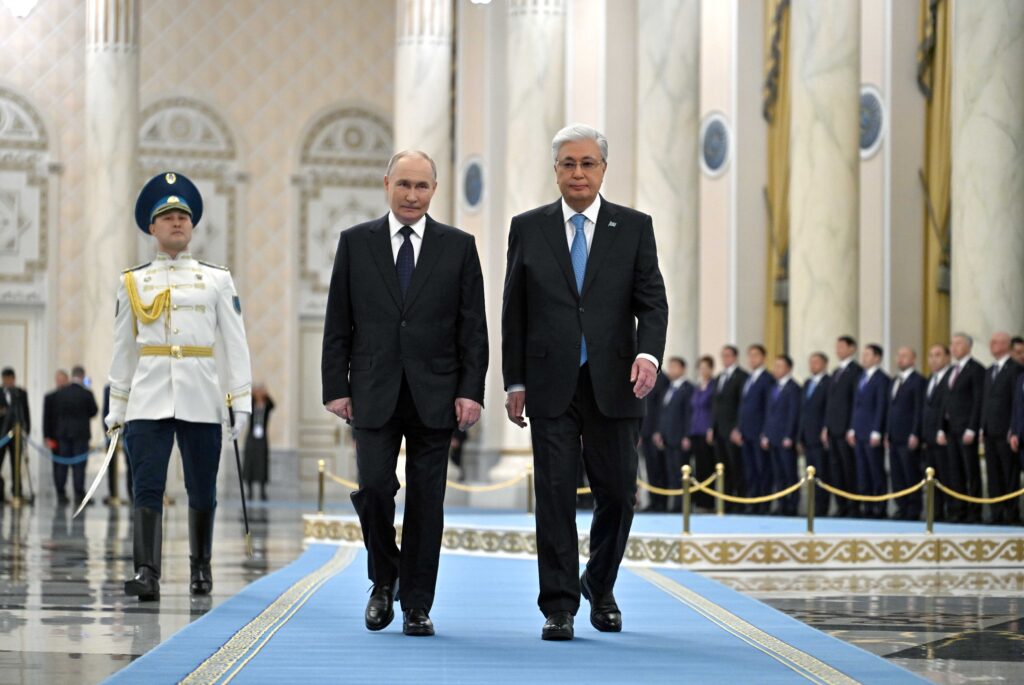
On November 27, Russian President Vladimir Putin arrived in Astana for a state visit. He was met at the airport by Kazakh President Kassym-Jomart Tokayev. The streets of Astana, along Putin’s motorcade route, were adorned with Russian flags, creating a ceremonial backdrop for a meeting touted as a symbol of strategic partnership between the two nations.

At the Akorda Presidential Palace, Tokayev hosted a reception for Putin that blended official decorum with cultural displays. The program featured children reciting poetry and participation in a collaborative painting led by renowned Kazakh artist Assol (Asel Sabyrzhankyzy), who named the artwork Bridge of Friendship and presented it to Putin.

However, not all Kazakhstanis welcomed the visit with enthusiasm. Some citizens, concerned by Russia’s imperial overtones or sympathetic to Ukraine, expressed their dissent through an online flash mob. A banner at Astana Airport referring to Putin as “Your Excellency” sparked outrage among critics, who viewed it as excessive deference. Political analysts later clarified that the term has been consistently used for other high-level visitors to Kazakhstan.

Putin’s state visit, described as a rare diplomatic event typically occurring once per presidential term, was notably proposed by Kazakhstan. During a press briefing, Putin remarked, “At your suggestion, this visit was given the status of a state visit, but I want to note that the solemn protocol did not prevent us from working productively, as is characteristic of our meetings.”

Heightened Security Amid Geopolitical Tensions

The visit came against the backdrop of growing geopolitical instability. Less than a week earlier, on November 21, Tokayev had instructed government agencies to heighten security following Russia’s test of the Oreshnik ballistic system in Ukraine. This context, paired with the substantial security measures surrounding the state visit, led observers to speculate that Russia’s own security concerns may have influenced the format.

The official discussions were framed by frequent references to “strategic partnership” and the “geopolitical situation.” These themes culminated in a joint declaration entitled “Joint Statement of the President of the Republic of Kazakhstan and the President of the Russian Federation on Deepening Strategic Partnership in the New Global Order.” The statement, structured in three main sections, outlined bilateral cooperation in political, economic, and security domains.

Ambiguities in Counter-Terrorism and Political Statements

The declaration’s political section raised some eyebrows, particularly the clause condemning recent “terrorist acts” in Russia and pledging closer intelligence cooperation to combat such threats. Questions remain over whether Kazakhstan considers only incidents like the Crocus City Hall attack on the outskirts of Moscow as terrorism, or whether the term extends to military actions tied to the Ukraine conflict.

Another noteworthy point was the denunciation of “irresponsible statements” by public figures that undermine mutual respect between the two nations. This has been a sensitive issue for Kazakhstan, which has frequently faced provocative rhetoric from Russian propagandists and certain lawmakers. Tokayev himself rebuffed such remarks at the 2022 St. Petersburg International Economic Forum, firmly rejecting recognition of the Donetsk and Luhansk People’s Republics.

Economic Vision and Strategic Transport

The economic section of the joint statement emphasized resilience amid global sanctions and highlighted increased trade turnover between Russia and Kazakhstan. A notable commitment was the acceleration of the ambitious international transport corridor connecting Belarus, Russia, Kazakhstan, Uzbekistan, Afghanistan, and India. First formalized in 2023, the corridor represents a strategic shift in Russia’s economic focus.

Russian political analyst Yuri Solozobov offered insight into the underlying rationale for such a pivot. He described Kazakhstan as Russia’s “key geostrategic partner” in building a new economic macro-region in South Asia. “Europe is clearly alienating us, and China is not native to Russia. We need to move towards Turkey, Iran, Iraq, and Afghanistan. And instead of the St. Petersburg ‘window to Europe,’ it is high time to cut a corridor to India,” Solozobov stated.

This perspective underscores how Kazakhstan’s geographic position and cooperative ties with Russia make it indispensable to Moscow’s long-term plans for diversifying its trade and geopolitical alliances. By deepening connectivity in the region, Russia is seeking to bolster its’economic resilience and reduce reliance on increasingly hostile Western markets.

Missing Topics

Despite the comprehensive scope of the 36-point joint statement, certain contentious issues were conspicuously absent, including Russia’s push for nuclear energy collaboration in Kazakhstan. Reports suggest that Rosatom’s chief met with Tokayev just days earlier, raising questions about whether these discussions were deliberately omitted from public disclosures.

Looking to the Future

The visit’s most secretive element was the one-on-one meeting between Tokayev and Putin, held without foreign ministers or other officials. Their private discussion reportedly began as the two leaders traveled together in the same limousine to the Akorda. While the details remain unknown, the closed format suggests a high degree of mutual trust – or at least an acknowledgment of the stakes involved.

In the end, Putin’s visit to Kazakhstan resembled a carefully choreographed scene from a geopolitical drama. What unfolds next will determine whether the spectacle signified a genuine strengthening of ties or merely concealed deeper tensions between the two strategic partners.

Kazakhstan’s Greenhouse Bananas: A Southern Success Story

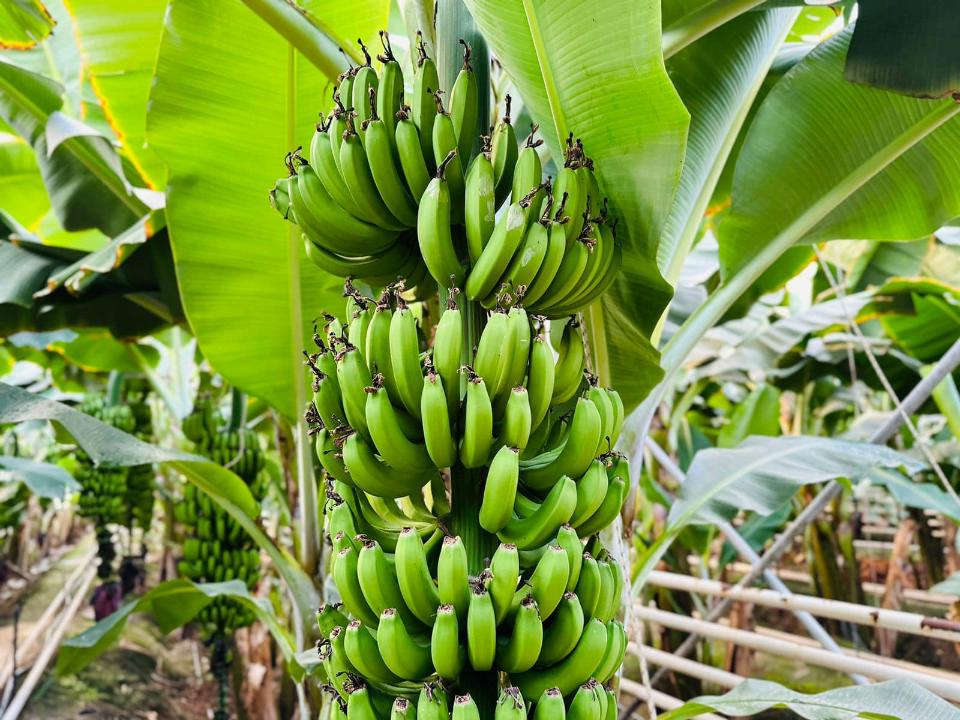
A pioneering greenhouse in Kazakhstan’s Turkestan region has begun producing 1,000 tons of bananas annually, marking a significant milestone in the country’s agricultural diversification efforts. The project, led by GenGroupKazakhstan, combines innovative technology and tropical crop expertise to make banana cultivation viable in the region.

GenGroupKazakhstan, known for its modern greenhouse construction, launched its first banana greenhouse on a five-hectare plot in June 2023. Drawing on techniques used in Turkey, the company harvested its first crop in May 2024.

Building on this success, the company plans to expand its operations significantly. A new greenhouse complex spanning six hectares will focus on producing 3,000 tons of tomatoes and 130 tons of strawberries annually. Construction of the facility is expected to be completed by the end of 2025.
In addition, GenGroupKazakhstan aims to cultivate mangoes, avocados, and blueberries across 10 hectares of open ground, further diversifying its portfolio of high-value crops.

Vice Minister of Agriculture Azat Sultanov noted that growing bananas in Kazakhstan, while potentially profitable, presents unique challenges. Unlike tropical countries like Ecuador or Brazil, where bananas grow naturally with minimal input costs, Kazakhstan’s climate necessitates substantial investments in greenhouses, electricity, heating, fertilizers, and plant protection products. These requirements make banana production here a more resource-intensive endeavor.

Uzbekistan Engages Elders in Poverty Alleviation Efforts

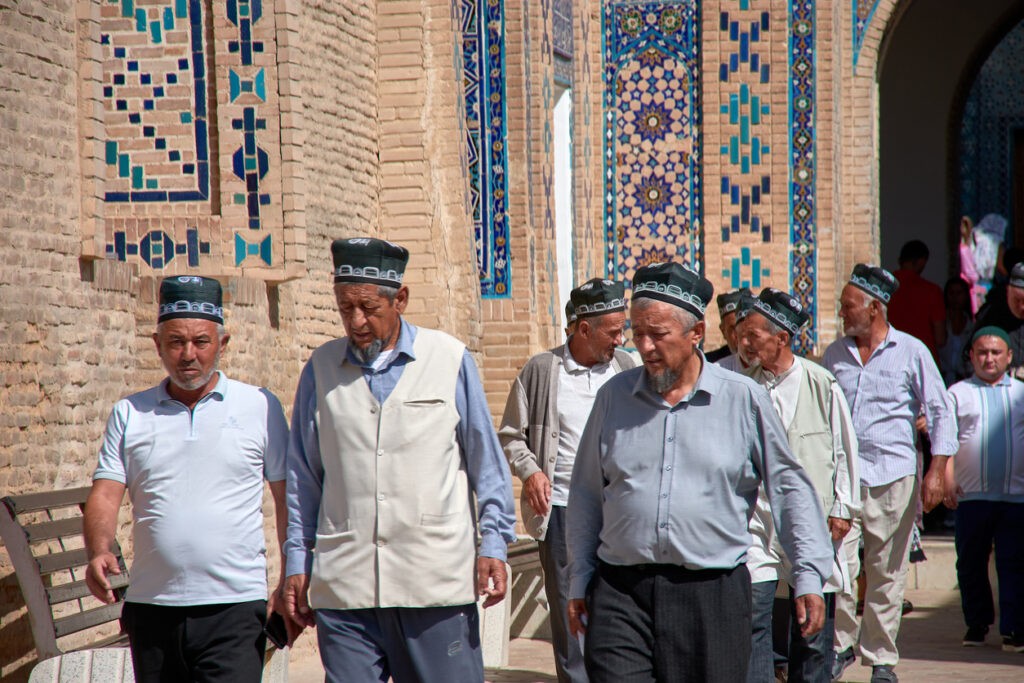
In a unique initiative, Uzbekistan is involving community elders as mentors to support poor families. This program, outlined in a decree by President Shavkat Mirziyoyev, seeks to reduce poverty and enhance living conditions for disadvantaged populations.

Empowering Through Mentorship
Under the “From Poverty to Prosperity” program, elders will mentor families in agricultural practices, promoting self-sufficiency through farming. The initiative also assists families in renting mobile stores and obtaining equipment to start small businesses.

In addition to economic support, the program encourages healthy living. Mentors will educate families about balanced diets, physical activity, and disease prevention. Elders will also engage citizens in community service and address child-rearing issues within impoverished households.

This approach combines the efforts of the state, society, and active citizens, creating a unique model of community-driven poverty alleviation in Uzbekistan.

Comprehensive Anti-Poverty Measures
The “From Poverty to Prosperity” program aims to lift 500,000 people out of poverty by the end of 2024 and an additional 1 million in 2025. In September 2024, Mirziyoyev approved initiatives focused on entrepreneurship, vocational training, and infrastructure development in low-income areas.

In 2025, $1.6 billion will be allocated to infrastructure projects, including installing water pumps and solar panels in 300 underdeveloped neighborhoods. These measures aim to unlock the potential of citizens while encouraging personal responsibility for wellbeing.

Kyrgyzstan Seeks to Boost Food Exports to EU Markets

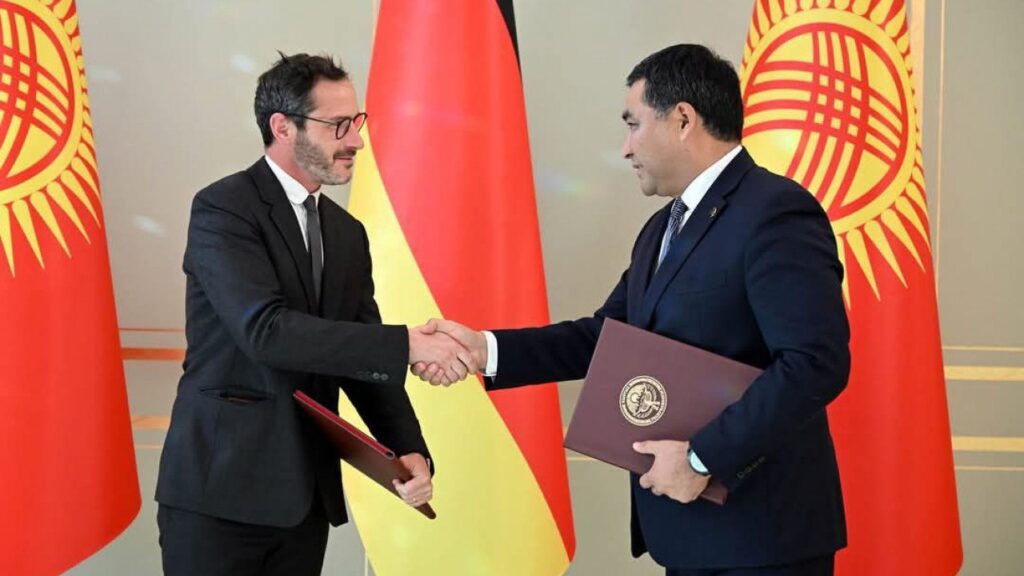
Kyrgyzstan is set to increase its agricultural exports to the European Union following an agreement with British certification company Intertek. Minister of Economy and Commerce Daniyar Amangeldiev recently met with Jeremy Gaspar, Vice President for Government and Trade Services at Intertek, in Berlin to discuss the initiative.

The agreement will help Kyrgyz companies certify their products according to international standards, significantly improving their competitiveness in EU markets. The Ministry of Economy is optimistic that this collaboration will expand the country’s export capacity while modernizing its quality assurance systems.

Beyond agriculture, the ministry is also exploring certification opportunities for the manufacturing sector, particularly Kyrgyzstan’s garment industry, which holds significant potential for international growth.

As part of the next phase of the project, Intertek experts will visit Kyrgyzstan to conduct a comprehensive analysis of the country’s laboratories and certification infrastructure. Intertek, a global leader in product certification and quality control, will work closely with local authorities to align Kyrgyzstan’s systems with international standards.

“A visit by Intertek specialists will mark a crucial step in modernizing our laboratories and integrating Kyrgyzstan’s national certification framework into global quality assurance practices,” the ministry stated.

Last month, a Kyrgyz delegation visited an Intertek laboratory in Bremen, Germany, to review European methodologies and initiate arrangements for European specialists to visit Kyrgyzstan. These specialists will evaluate the functionality of Kyrgyz laboratories and recommend improvements to ensure compliance with EU requirements.

Kyrgyzstan views this partnership as a critical step toward enhancing the quality and competitiveness of its export products, ultimately strengthening its presence in international markets.

Kazakhstan Limits Re-Export of Russian Grain to Uzbekistan and China

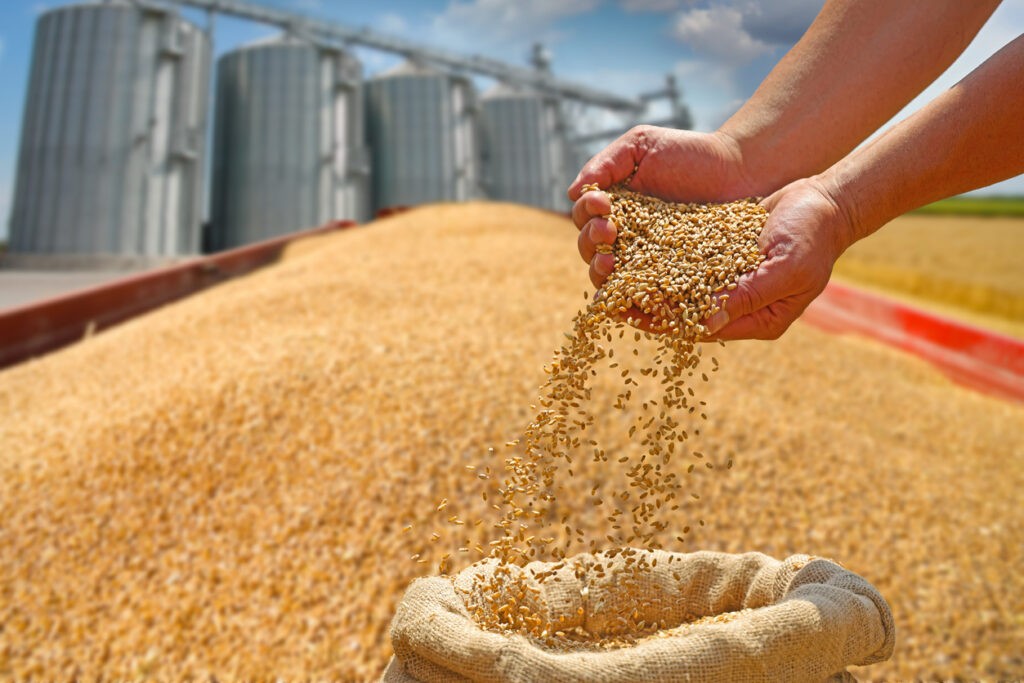
Kazakhstan has imposed restrictions on the re-export of Russian grain to Uzbekistan and China, Prime Minister Olzhas Bektenov announced. The move aligns with Kazakhstan’s ban on wheat imports from Eurasian Economic Union (EAEU) countries, which will remain in effect until the end of 2024.

The restriction was outlined in Bektenov’s response to a parliamentary inquiry. He explained that the decision aims to protect Kazakhstan’s domestic agricultural market, citing concerns about maintaining local production.

During a meeting of the Kazakhstan-Russia intergovernmental commission, Rosselkhoznadzor, Russia’s federal agricultural oversight agency, raised issues related to the restrictions. The commission recommended that authorities expedite the removal of these measures, highlighting their impact on bilateral agricultural trade.

Bektenov noted that these restrictions were critical to safeguarding Kazakhstan’s domestic market. “To protect the domestic market, Kazakhstan banned wheat imports from EAEU countries until the end of 2024. This ban limits the re-export of Russian grain to Uzbekistan and China,” he stated.
In addition to the re-export ban, Kazakhstan has raised unified tariffs for the transit of goods across its territory for EAEU countries. Notably, the tariff for transporting Russian grain to Kyrgyzstan through Kazakhstan has doubled this year, further impacting regional trade dynamics.

Kazakhstan and Russia Strengthen Cooperation on North-South Transport Corridor

Kazakhstan Temir Zholy (KTZ), the country’s national railway company, and Russian Railways have signed a landmark agreement aimed at modernizing railway infrastructure at nine border stations, increasing capacity, and developing a unified digital system for transportation and cross-border operations.

The agreement was signed on November 27 during Russian President Vladimir Putin’s state visit to Kazakhstan.

Enhancing Key Trade Corridors

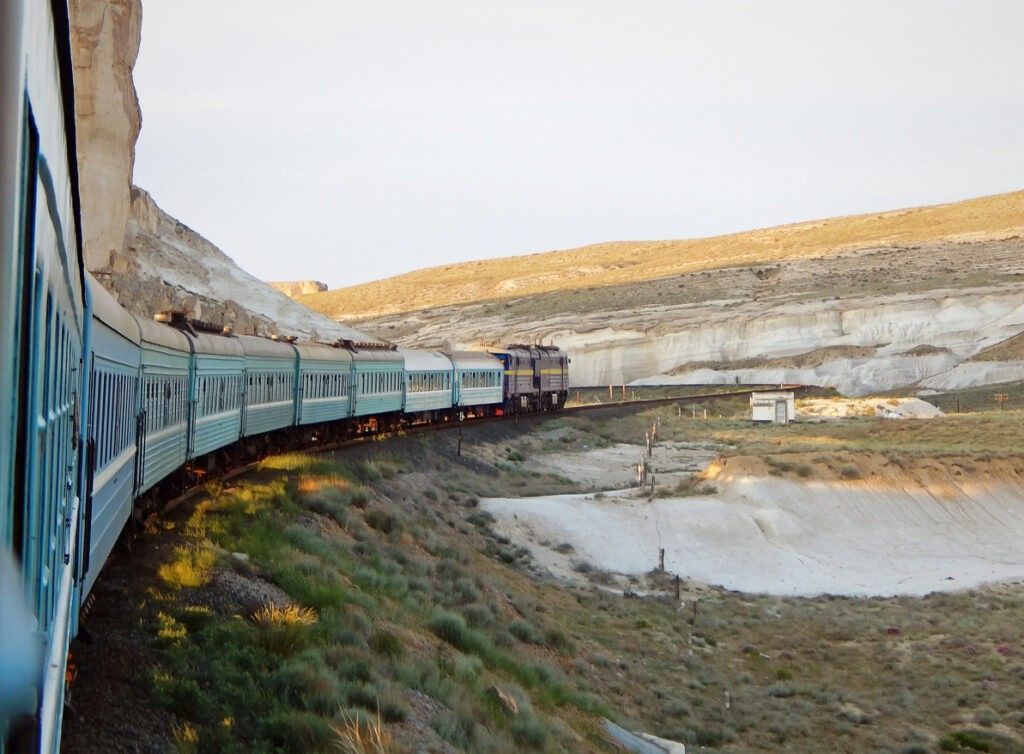
This cooperation seeks to boost the efficiency of trans-Eurasian transport corridors, with a particular focus on increasing cargo volumes along the East-West and North-South routes. The North-South corridor, connecting Kazakhstan, Russia, Turkmenistan, and Iran, has an annual capacity of 10 million tons of cargo. So far, 1.8 million tons have been transported along this route in 2024, and plans are underway to double its capacity to 20 million tons annually.

On November 26, Kazakhstan’s Minister of Transport, Marat Karabayev, emphasized the strategic importance of the North-South corridor. In July, Kazakhstan agreed on a roadmap with Iran, Turkmenistan, and Russia for the synchronized development of this corridor. To attract cargo flow, Kazakhstan has introduced special transit tariff discounts of 50%.

New Agreements and Digital Connectivity

During Putin’s visit, another significant agreement was signed between KTZ, Xi’an Free Trade Port Construction and Operation Co., Ltd. (China), and JSC Slavtrans-Service (Russia). The deal focuses on constructing the CRK Terminal, a transport and logistics hub at the Selyatino railway station in the Moscow region. Additionally, the three parties agreed to jointly use the Unified Digital Platform along the Xi’an (China) – Dostyk/Altynkol (Kazakhstan) – Selyatino (Russia) route.

The CRK Terminal and Digital Platform are expected to enhance cargo transportation efficiency and e-commerce between China, Kazakhstan, and Russia.

Boosting Regional Logistics

Kazakhstan Temir Zholy also signed a memorandum with the Russian transport and logistics group FinInvest LLC to construct a multimodal transport and logistics center in Astana. This center aims to increase the transit of Russian goods through Kazakhstan, further solidifying the country’s position as a regional logistics hub.