• KGS/USD = 0.01144 0%
  • KZT/USD = 0.00193 -0%
  • TJS/USD = 0.10866 0.55%
  • UZS/USD = 0.00008 0%
  • TMT/USD = 0.28490 0%
  • KGS/USD = 0.01144 0%
  • KZT/USD = 0.00193 -0%
  • TJS/USD = 0.10866 0.55%
  • UZS/USD = 0.00008 0%
  • TMT/USD = 0.28490 0%
  • KGS/USD = 0.01144 0%
  • KZT/USD = 0.00193 -0%
  • TJS/USD = 0.10866 0.55%
  • UZS/USD = 0.00008 0%
  • TMT/USD = 0.28490 0%
  • KGS/USD = 0.01144 0%
  • KZT/USD = 0.00193 -0%
  • TJS/USD = 0.10866 0.55%
  • UZS/USD = 0.00008 0%
  • TMT/USD = 0.28490 0%
  • KGS/USD = 0.01144 0%
  • KZT/USD = 0.00193 -0%
  • TJS/USD = 0.10866 0.55%
  • UZS/USD = 0.00008 0%
  • TMT/USD = 0.28490 0%
  • KGS/USD = 0.01144 0%
  • KZT/USD = 0.00193 -0%
  • TJS/USD = 0.10866 0.55%
  • UZS/USD = 0.00008 0%
  • TMT/USD = 0.28490 0%
  • KGS/USD = 0.01144 0%
  • KZT/USD = 0.00193 -0%
  • TJS/USD = 0.10866 0.55%
  • UZS/USD = 0.00008 0%
  • TMT/USD = 0.28490 0%
  • KGS/USD = 0.01144 0%
  • KZT/USD = 0.00193 -0%
  • TJS/USD = 0.10866 0.55%
  • UZS/USD = 0.00008 0%
  • TMT/USD = 0.28490 0%
11 December 2025

Foreign Investment in Beverage Production and Bottling Plant, Kazakhstan

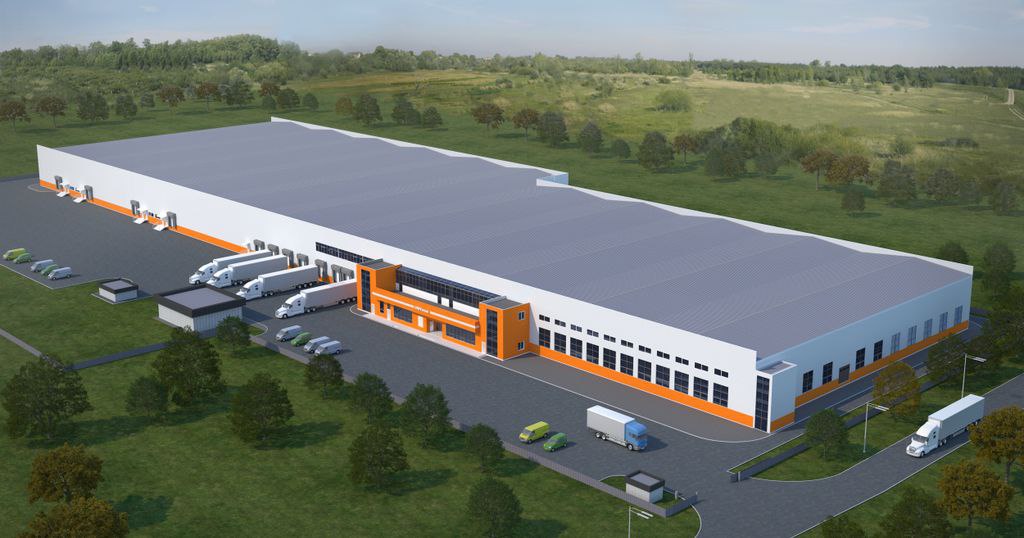
On July 22, National Company Kazakh Invest announced its signing of a Memorandum of Understanding with the Vietnamese-Japanese joint venture LLP Mareven Food Tian Shan for the construction of a beverage production and bottling plant in the Almaty region.

The plant, to be built in stages from 2025-26, will have four production lines with a 70,000 bottles per hour capacity, and an in-house warehouse with space for 15,000 pallets.

A major investor in Almaty region’s food production sector, Mareven Food Tian Shan has so far invested over 35 billion tenge in the country’s economy, creating 690 jobs, 95% of which have been taken by locals.

Emphasizing the importance of the initiative for Kazakhstan’s economy, Yerzhan Yelekeyev, Chairman of the Board of Kazakh Invest, stated: “The investment project for beverage production and bottling in the Almaty region not only contributes to the development of local industry but also creates new jobs, positively impacting the socio-economic development of the region.”

Nguyen Dinh Hien, Deputy General Director of Mareven Food Tian Shan, in turn, expressed his gratitude for Kazakh Invest’s support and announcing the start of the third phase of the project, reiterated that the in addition to supplying the local market, the plant’s products will be exported to other Central Asian countries, Russia, Mongolia, and Afghanistan.

Uzbekistan Launches NATO-Standard Armored Vehicle

As reported by Uzbekistan 24, the Uzbekistan Defense Industry Agency has developed a new armored military vehicle, “Arslon,” which is built to NATO standards.

The vehicle, which weighs over 30 tons, can accommodate eight paratroopers and a crew of three. Its front is designed to protect against 30 mm armor-piercing shells. The side armor is capable of repelling 4.5-mm-caliber bullets.

“In creating this armored personnel carrier, the parameters provided by NATO standards were considered. This is a national product created in Uzbekistan in cooperation with enterprises that produce high-quality components,” said Akmal Karimov, a company representative.

Saudi and Chinese Companies to Cooperate on Wind Power Projects in Uzbekistan

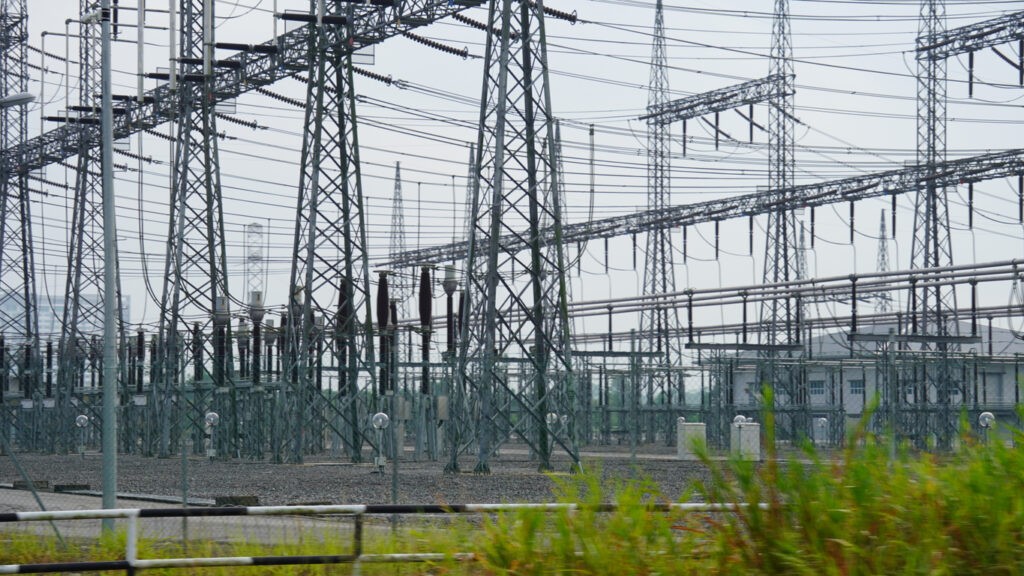
The Saudi company ACWA Power has announced that it has sold 35% of its stake in two wind power plants in Uzbekistan to China Southern Power Grid International. The Bash and Dzhankeldy plants in the Bukhara region are currently under construction.

The deal is the first joint investment project between ACWA Power and China Southern Power Grid International in renewable energy sources in Central Asia. The cost of building the two wind power plants, which have a total capacity of 1 GW, is $1.3 billion. The agreement was signed on July 17 by Uzbekistan’s Minister of Energy, Jorabek Mirzamahmudov. The terms of the deal were not disclosed.

In December 2022, ACWA Power signed agreements with Chinese partners to finance, invest in, and build renewable energy projects in Saudi Arabia and ACWA Power’s Belt and Road Initiative countries.

The Times of Central Asia has previously reported on projects being implemented by ACWA Power in Uzbekistan.

Uzbekistan Sends Almost 4 Billion Cubic Meters of Irrigation Water to Kazakhstan

  • Kazakhstan’s Ministry of Water Resources and Irrigation has announced that since the beginning of this year’s irrigation season on April 1, Uzbekistan has sent 3.9 billion cubic meters of water to Kazakhstan via the Syrdarya River.

Earlier, the ministry came to an agreement with Uzbekistan that 3.7 billion cubic meters of water would be sent to Kazakhstan via the Syrdarya River over six months.

It is expected that before the end of the irrigation season, Uzbekistan will send Kazakhstan an additional one billion cubic meters of water. This water is intended for farmers in the southern regions of Kazakhstan.

Water from Uzbekistan is accumulated in the Shardara reservoir, which currently contains 2.6 billion cubic meters, 689 million cubic meters more than a year ago.

A total of 3.6 billion cubic meters of water has been sent from the Shardara reservoir to the lower reaches of the Syrdarya River, 950 million cubic meters more than last year. More than 700 million cubic meters of that water was sent to the Kyzylkum canal and more than 400 million cubic meters to the North Aral Sea.

Tajikistan Launches Export of Mineral Fertilizers to Afghanistan

Tajikistan has begun to export mineral fertilizers to Afghanistan. It has recently delivered 626 tons of fertilizer produced at the Azot plant in the Khatlon region, valued at $169,000.

According to information issued by the regional customs department, 13,700 tons of agricultural products were exported through the Khatlon checkpoint at the beginning of July, including 8.7 tons of onions, 438 tons of melons, 2.7 tons of fruit and grapes, and 120 tons of other products. In addition, 13,200 tons of onions were exported through customs checkpoints in the Sughd region, bringing the total volume of agricultural products exported by the Khatlon region to 27,100 tons. The value of imported goods to the Khatlon region amounted to $107.6 million.

Such a significant growth in trade relations with Afghanistan points to closening relations between Tajikistan and its neighbor.

U.S. to Assist Kazakhstan in Rare Metals Exploration

In Astana on July 18, the U.S. Department of State and Department of Energy, in coordination with Kazakhstan’s Ministry of Foreign Affairs and Ministry of Energy, held the 2024 U.S.-Kazakhstan Strategic Energy Dialogue.

The U.S. Embassy in Kazakhstan reported that the Dialogue deepened cooperation between Kazakhstan and the United States on the shared priorities of enhancing energy security, accelerating the clean energy transition and methane mitigation, and developing Kazakhstan’s critical minerals sector.

Deputy Assistant Secretary Kimberly Harrington from the Department of State’s Bureau of Energy Resources and Deputy Assistant Secretary Joshua Volz from the Department of Energy’s Office of International Affairs co-led the U.S. delegation. U.S. and Kazakh energy and international affairs experts discussed the current progress and plans to reduce greenhouse gas emissions and sustainably mine and refine critical materials. They also discussed civil nuclear cooperation, renewable energy sources, energy security, and global nuclear security.

The U.S. Department of State also signed a memorandum of understanding with the Kazakh National Geological Service and National Mining Company Tau-Ken Samruk to expand and diversify the supply chains of critical minerals.

According to the National Geological Service, the main goal of the memorandum of cooperation is to explore the promising regions of Kyzylorda and East Kazakhstan to extract rare metals. With this memorandum, the U.S. Department of State will support Kazakhstan in financing geological exploration and providing technical expertise for these projects.