• KGS/USD = 0.01144 0%
  • KZT/USD = 0.00197 -0%
  • TJS/USD = 0.10904 0%
  • UZS/USD = 0.00008 0%
  • TMT/USD = 0.28490 0%
  • KGS/USD = 0.01144 0%
  • KZT/USD = 0.00197 -0%
  • TJS/USD = 0.10904 0%
  • UZS/USD = 0.00008 0%
  • TMT/USD = 0.28490 0%
  • KGS/USD = 0.01144 0%
  • KZT/USD = 0.00197 -0%
  • TJS/USD = 0.10904 0%
  • UZS/USD = 0.00008 0%
  • TMT/USD = 0.28490 0%
  • KGS/USD = 0.01144 0%
  • KZT/USD = 0.00197 -0%
  • TJS/USD = 0.10904 0%
  • UZS/USD = 0.00008 0%
  • TMT/USD = 0.28490 0%
  • KGS/USD = 0.01144 0%
  • KZT/USD = 0.00197 -0%
  • TJS/USD = 0.10904 0%
  • UZS/USD = 0.00008 0%
  • TMT/USD = 0.28490 0%
  • KGS/USD = 0.01144 0%
  • KZT/USD = 0.00197 -0%
  • TJS/USD = 0.10904 0%
  • UZS/USD = 0.00008 0%
  • TMT/USD = 0.28490 0%
  • KGS/USD = 0.01144 0%
  • KZT/USD = 0.00197 -0%
  • TJS/USD = 0.10904 0%
  • UZS/USD = 0.00008 0%
  • TMT/USD = 0.28490 0%
  • KGS/USD = 0.01144 0%
  • KZT/USD = 0.00197 -0%
  • TJS/USD = 0.10904 0%
  • UZS/USD = 0.00008 0%
  • TMT/USD = 0.28490 0%
08 December 2025

Tajikistan Denounces “Torture” of Tajik Suspects in Moscow Attack, Urges Fair Trial

Tajikistan’s foreign minister has described the beating and abuse of several Tajik suspects in the mass killing of more than 140 people at a Russian concert hall as “torture” that is at odds with the need for a thorough investigation and a fair trial.

Foreign Minister, Sirojiddin Muhriddin also said that Tajik people had faced an “information campaign” of racism and xenophobia since the attack at the Crocus City Hall in Moscow on March 22. His comments were some of the strongest yet by Tajikistan’s Government, reflecting increased worry over the national image and the plight of many poor Tajik migrants in Russia who were already living in precarious conditions.

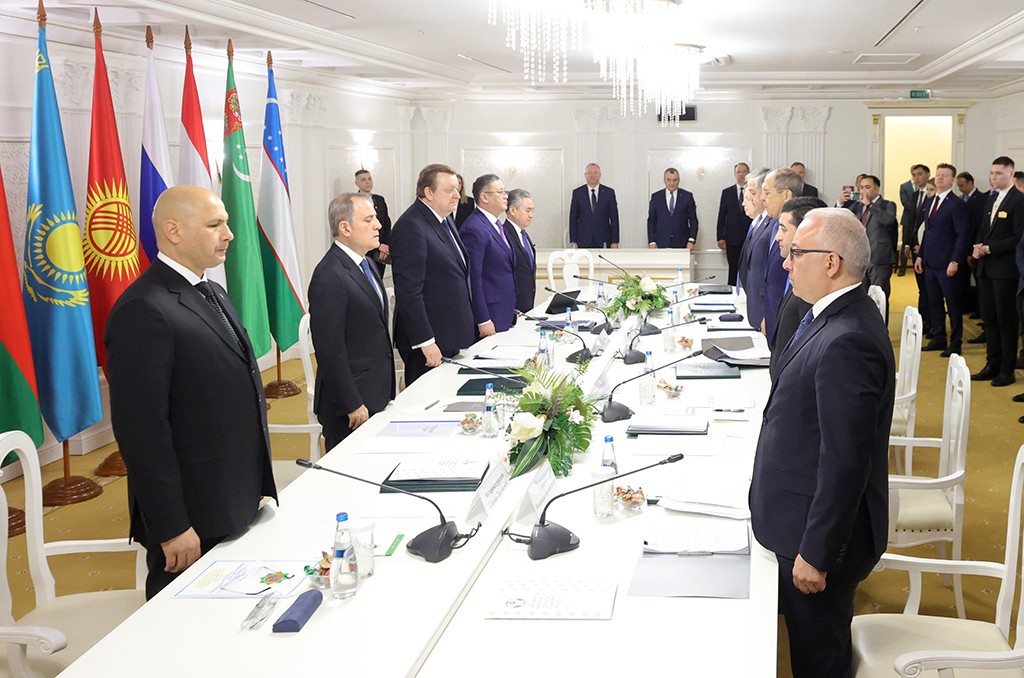
Muhriddin urged the Russian authorities to conduct an investigation into the Crocus City Hall attack according to international norms, including the right to a fair trial, reported Asia-Plus, a media group in Tajikistan. He spoke at a meeting of regional foreign ministers in Minsk, Belarus.

“The demonstration in the open information space of footage of the detention of suspected perpetrators of a terrorist act with the use of torture against them in the form of bodily mutilation is unacceptable,” Muhriddin said. “The price of confessions obtained in this way is well known to everyone.”

Several migrant laborers from Tajikistan were among suspects charged with terrorism in the wake of the attack, and they appeared in court with visible injuries. At the time, videos and photographs circulating on social media showed the men being beaten and abused while in detention. In one video, a man in camouflage cuts off part of the ear of a suspect and forces it into his mouth.

The Islamic State group claimed responsibility for the Crocus City Hall attack, which focused attention on the group’s efforts to recruit people from Central Asia into its ranks. Muhriddin alluded to widespread reports of harassment and hostility toward Tajik migrants, particularly in Russia.

“As a result of an ill-conceived information campaign, a negative perception of citizens of Tajikistan and Tajiks is being formed,” the Tajik foreign minister said. As for the attack, he said: “All criminals must be punished: the organizers, the perpetrators, the accomplices, and the masterminds of this monstrous crime.”

In the face of overwhelming evidence to the contrary, despite ongoing Russian attempts to pin the blame for the atrocity on Ukraine, Russia has pressed ahead with new laws targeting migrants.

Focusing on Russia’s “unreliable narrative” regarding the attack, Noah Tucker, a Senior Research Consultant at the Oxus Society and Program Associate of the Central Asia Program at George Washington University stated that the “last major attack inside Russia was the 2017 metro bombing. [In a] strategy of authoritarian cooperation… that was also blamed on Central Asian migrants, and the security services arrested two Uzbek brothers and sent them to jail as the direct orchestrators of the attack – only the facts never added up… One of the brothers, who was charged as being the mastermind, was lying in a hospital in Osh during the attack, and was allegedly extradited to Russia only to be arrested in a made for TV event a few weeks later.

“ISIS K have not really made any particular effort to recruit Central Asians other than to come and join their civil war inside Afghanistan, [because none of their goals] has any relevance for Central Asians migrants.”

Prior to the attack, the U.S specifically warned the Russian authorities that the Crocus City Hall was a potential target, leading Edward Lemon, President and CEO of the Oxus Society, to characterize the event as “extreme negligence in not preventing this attack or willful neglect in allowing it to happen.”
Uzbekistan Proposes Ban on E-Cigarettes

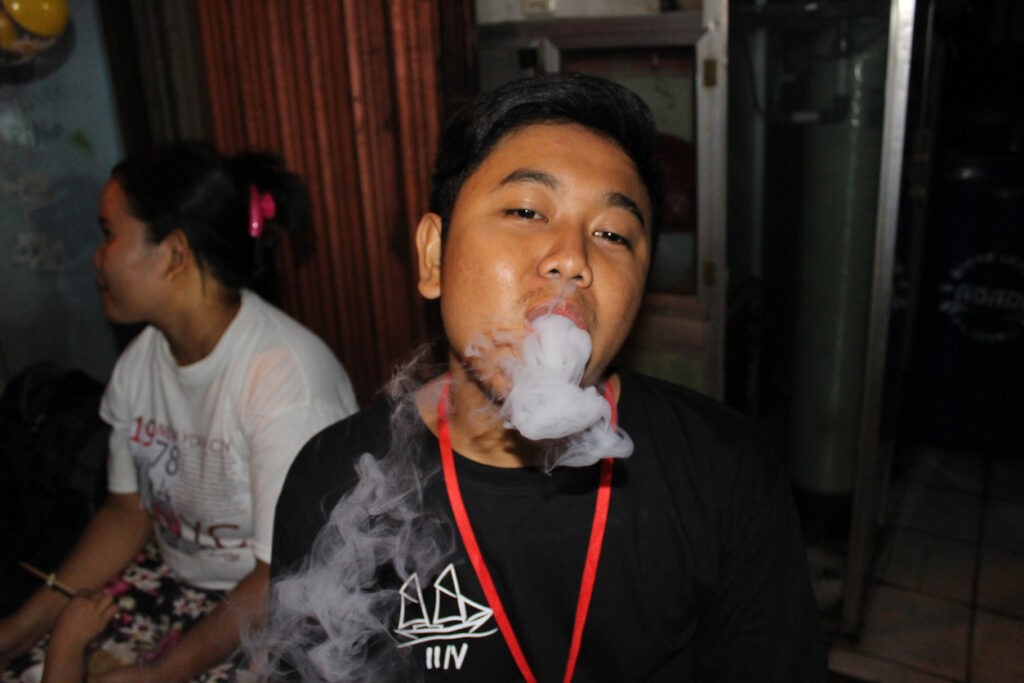
Uzbekistan is drafting a law banning the import, sale and production of electronic cigarettes and tobacco heating systems. The bill has been published on the regulation.gov.uz portal and its discussion will last until April 18, The Times of Central Asia has learned.

The draft law mentions that over the past seven years, “modern” or “innovative” types of nicotine and tobacco products have appeared in Uzbekistan. The result is a dramatic increase in the number of smokers — especially among children and young adults.

According to an explanatory addendum to the bill, interest in e-cigarettes is skyrocketing among high school students. The number of devices seized from students during raids in schools and public places has increased every year since the government has been keeping track. There were six cases in 2019, 27 in 2020, 31 in 2021, 856 in 2022, and 1,040 in 2023.

Among the 18-29 year old population, the use of tobacco heating systems is more than 2.5 times higher than in the 30-69 year old population. Unless action is taken, the bill states that one in five young people will suffer from nicotine addiction in the future.

“This law prohibits the circulation of electronic nicotine delivery systems, liquids for them, and electronic cigarettes on the territory of the republic,” the bill says. Once passed, Uzbek e-cigarette smokers will face heavy fines and criminal liability for breaking the new law.

Uzbekistan to Hold CIS Anti-Terror Exercise for First Time in 2024

Uzbekistan will host a joint anti-terrorism exercise of countries belonging to the Commonwealth of Independent States, or CIS, for the first time this year.

The decision comes at a time of heightened concern after gunmen killed more than 140 people at the Crocus City Hall in Moscow on March 22. The Islamic State group, which is said in some quarters to be seeking to recruit more people from Central Asia, claimed responsibility. The suspected gunmen were Tajik migrants in Russia.

Last week’s decision for Uzbekistan to host the drill coincided with a meeting on Friday in Minsk, Belarus, of foreign ministers of the CIS, a group of regional countries that was formed after the collapse of the Soviet Union in 1991. Russia and the Central Asian nations are among the members.

An advisory council of the anti-terrorism center of the CIS discussed countering the use of unmanned vehicles and artificial intelligence by extremists, as well as “prospects for the development and use of unmanned aircraft systems in the field of security,” the CIS stated.

The advisory council also discussed ways to combat “the use of modern digital tools by international terrorist organizations to finance terrorist and extremist activities,” it said.

“Eco-Enthusiasts” – Tashkent Hosts Environmental Competition for Students

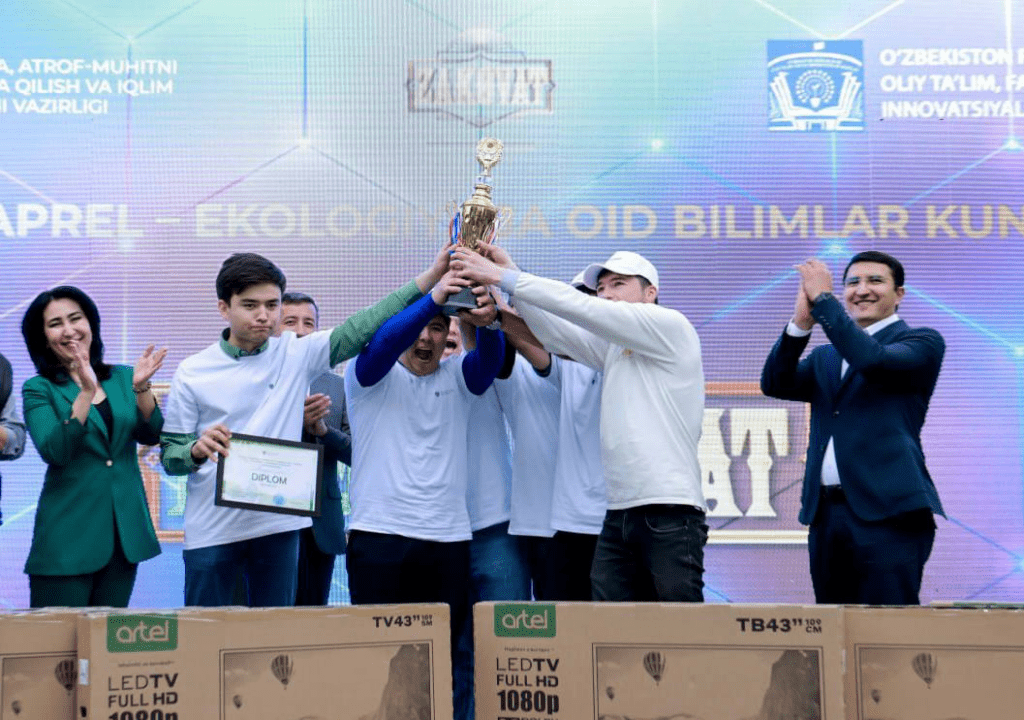
On April 13, an environmental awareness competition, “Eco-Enthusiasts” was held in Tashkent’s Zahiriddin Muhammad Babur Central Ecopark. The event was organized in accordance with the decree of the President, “On measures for effective work of the Ministry of Ecology, Environmental Protection and Climate Change,” and was timed to coincide with the Day of Ecological Knowledge, which is celebrated on April 15.

Students from twelve higher educational institutions participated in the competition, demonstrating their knowledge and ability in answering a series of questions about the environment. The aim of the competition was to raise awareness of environmental issues, develop environmental culture, and disseminate information about contemporary environmental problems and the state of the environment.

According to the results, first place went to the team, “Kimyogarlar,” second place went to “Staticfacion,” and third place went to the team, “Ecofaollar,” who all received prizes.

Kazakh Khorgos Still a Vital Trade Link Between China and Europe

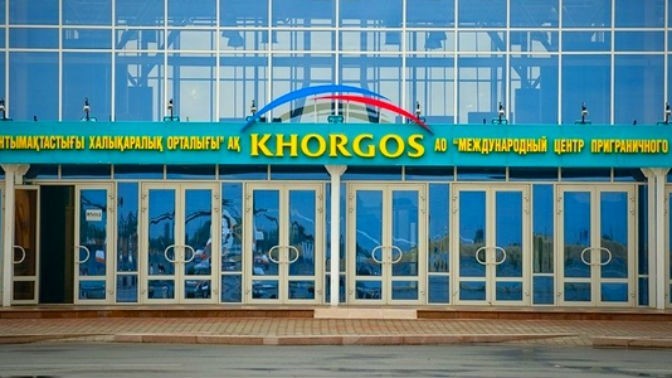
The Khorgos dry port in eastern Kazakhstan, on the border with China, has seen more than 2,000 container trains pass through it already this year, The Times of Central Asia has learned. Today 80% of all container trains taking Chinese goods to Europe pass through Khorgos.

Railroad tracks in Khorgos lead to 18 countries — and the volume of overland exports from China through Kazakhstan is growing. According to the customs service of the Xinjiang Uygur Autonomous Region, more than 35,000 trains have passed through Khorgos since the China-Europe rail route was launched in 2016. About 20 railroad trains pass through there every day.

The operator of the Khorgos checkpoint control center, Ma Xiaogang, commented: “Thanks to Kazakh-Chinese interdepartmental meetings and agreements, we coordinate actions among ourselves. We have established ties with Kazakhstani railroad companies. We have simplified customs clearance procedures. In addition, it has become possible to increase the volume of freight traffic.”

To simplify customs procedures and increase throughput, all dry port services have switched to 24-hour operations. The clearance procedure for one train has been reduced by 30 minutes. Smart technologies have also been applied in the logistics sector.

According to the Bureau of National Statistics of Kazakhstan, China is one of the country’s three main trade partners. Trade turnover between the countries increased by 30% and reached $31.4 billion in 2023. China increased its exports of cars (by fourfold), computers and laptops (by 1.8x), as well as plastics and plastic products (+8.4%). In turn, Kazakhstan increased exports of oil (+7.5%), oil & gas (+15.5%), uranium (+42.7%), ferroalloys (+6.7%), ores and concentrates (+30.5%), and oilseeds (up 1.5 times).

USAID Aids Access to Safe Drinking Water in Tajikistan

A new water supply system to provide safe drinking water for more than 3,000 people across 455 households has been inaugurated in the village of Rohati in Tajikistan’s Rudaki District.

Supported by the United States Agency for International Development (USAID), it is but one of the 12 communities now furnished with rehabilitated water supply systems through public-private partnerships.

To ensure the project’s sustainability, USAID helped Rohati’s private water operator develop a sound business plan for its water system, introduced electronic billing, and assisted with the installation of water meters in households.

Speaking at the opening ceremony on April 12, USAID Tajikistan Mission Director Peter Riley stated, “The U.S. Government believes that everyone has the right to safe drinking water. USAID strives to increase access to safe drinking water across all regions of Tajikistan. Access to safe drinking water is of critical importance to protecting public health, dignity, equity, and our environment and USAID is committed to that goal.”

In the last five years, USAID has rehabilitated and constructed 30 drinking water supply systems throughout Tajikistan, providing more than 100,000 people with safe drinking water.