• KGS/USD = 0.01144 0%
  • KZT/USD = 0.00193 -0%
  • TJS/USD = 0.10811 -0.28%
  • UZS/USD = 0.00008 0%
  • TMT/USD = 0.28490 0%
  • KGS/USD = 0.01144 0%
  • KZT/USD = 0.00193 -0%
  • TJS/USD = 0.10811 -0.28%
  • UZS/USD = 0.00008 0%
  • TMT/USD = 0.28490 0%
  • KGS/USD = 0.01144 0%
  • KZT/USD = 0.00193 -0%
  • TJS/USD = 0.10811 -0.28%
  • UZS/USD = 0.00008 0%
  • TMT/USD = 0.28490 0%
  • KGS/USD = 0.01144 0%
  • KZT/USD = 0.00193 -0%
  • TJS/USD = 0.10811 -0.28%
  • UZS/USD = 0.00008 0%
  • TMT/USD = 0.28490 0%
  • KGS/USD = 0.01144 0%
  • KZT/USD = 0.00193 -0%
  • TJS/USD = 0.10811 -0.28%
  • UZS/USD = 0.00008 0%
  • TMT/USD = 0.28490 0%
  • KGS/USD = 0.01144 0%
  • KZT/USD = 0.00193 -0%
  • TJS/USD = 0.10811 -0.28%
  • UZS/USD = 0.00008 0%
  • TMT/USD = 0.28490 0%
  • KGS/USD = 0.01144 0%
  • KZT/USD = 0.00193 -0%
  • TJS/USD = 0.10811 -0.28%
  • UZS/USD = 0.00008 0%
  • TMT/USD = 0.28490 0%
  • KGS/USD = 0.01144 0%
  • KZT/USD = 0.00193 -0%
  • TJS/USD = 0.10811 -0.28%
  • UZS/USD = 0.00008 0%
  • TMT/USD = 0.28490 0%
10 December 2025

Uzbekistan to Hold CIS Anti-Terror Exercise for First Time in 2024

Uzbekistan will host a joint anti-terrorism exercise of countries belonging to the Commonwealth of Independent States, or CIS, for the first time this year.

The decision comes at a time of heightened concern after gunmen killed more than 140 people at the Crocus City Hall in Moscow on March 22. The Islamic State group, which is said in some quarters to be seeking to recruit more people from Central Asia, claimed responsibility. The suspected gunmen were Tajik migrants in Russia.

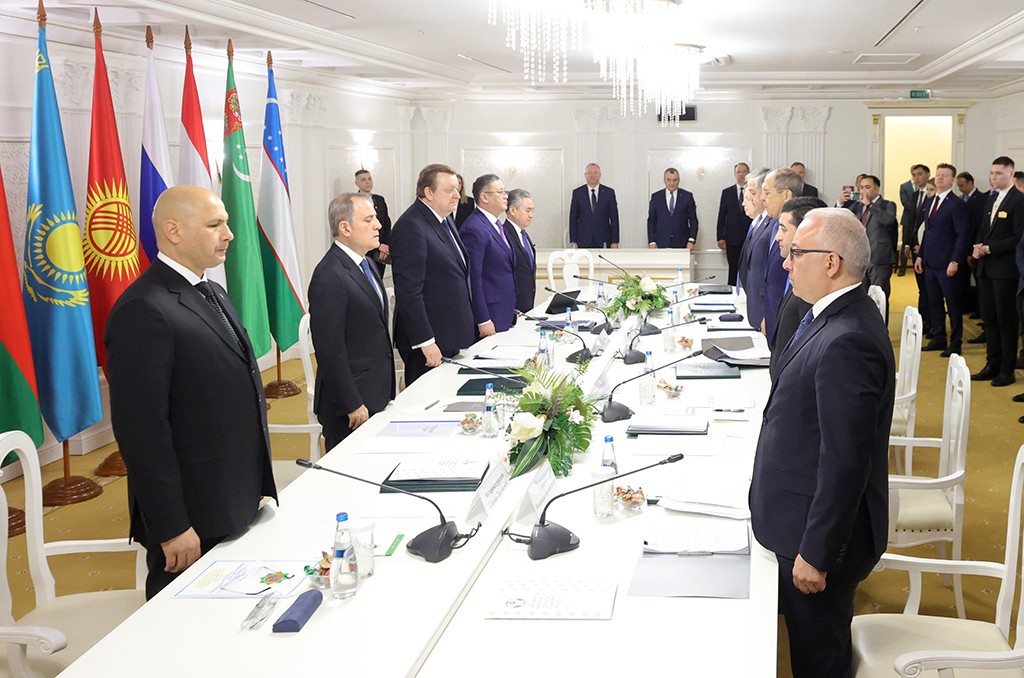
Last week’s decision for Uzbekistan to host the drill coincided with a meeting on Friday in Minsk, Belarus, of foreign ministers of the CIS, a group of regional countries that was formed after the collapse of the Soviet Union in 1991. Russia and the Central Asian nations are among the members.

An advisory council of the anti-terrorism center of the CIS discussed countering the use of unmanned vehicles and artificial intelligence by extremists, as well as “prospects for the development and use of unmanned aircraft systems in the field of security,” the CIS stated.

The advisory council also discussed ways to combat “the use of modern digital tools by international terrorist organizations to finance terrorist and extremist activities,” it said.
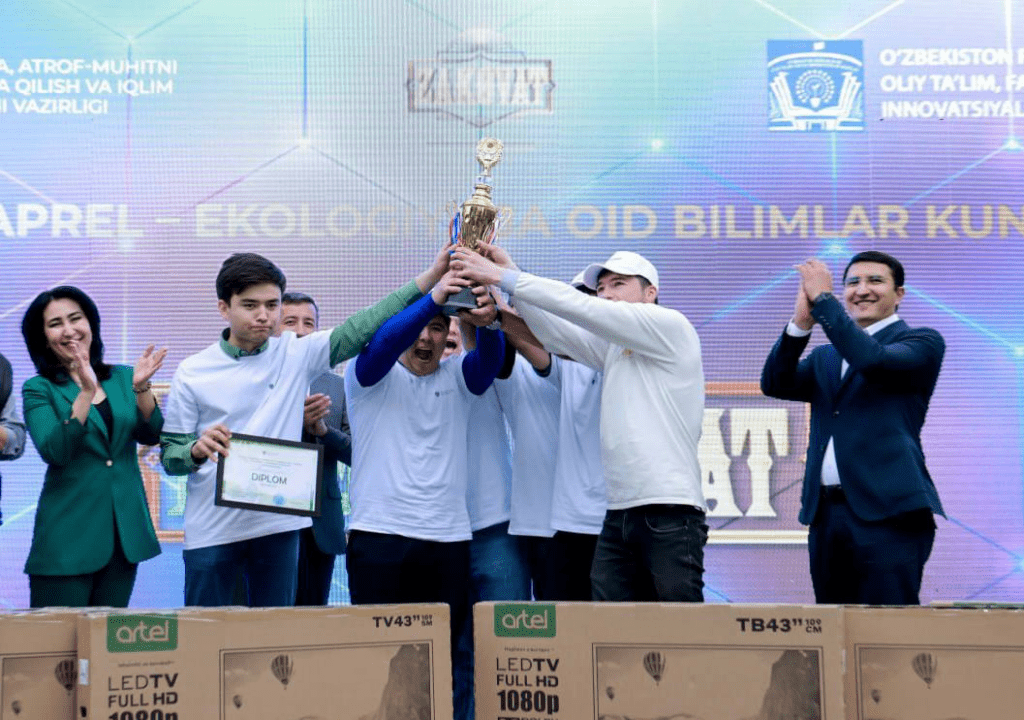
“Eco-Enthusiasts” – Tashkent Hosts Environmental Competition for Students

On April 13, an environmental awareness competition, “Eco-Enthusiasts” was held in Tashkent’s Zahiriddin Muhammad Babur Central Ecopark. The event was organized in accordance with the decree of the President, “On measures for effective work of the Ministry of Ecology, Environmental Protection and Climate Change,” and was timed to coincide with the Day of Ecological Knowledge, which is celebrated on April 15.

Students from twelve higher educational institutions participated in the competition, demonstrating their knowledge and ability in answering a series of questions about the environment. The aim of the competition was to raise awareness of environmental issues, develop environmental culture, and disseminate information about contemporary environmental problems and the state of the environment.

According to the results, first place went to the team, “Kimyogarlar,” second place went to “Staticfacion,” and third place went to the team, “Ecofaollar,” who all received prizes.

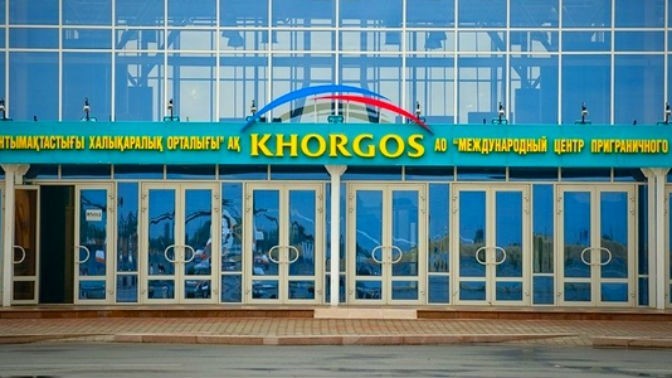
Kazakh Khorgos Still a Vital Trade Link Between China and Europe

The Khorgos dry port in eastern Kazakhstan, on the border with China, has seen more than 2,000 container trains pass through it already this year, The Times of Central Asia has learned. Today 80% of all container trains taking Chinese goods to Europe pass through Khorgos.

Railroad tracks in Khorgos lead to 18 countries — and the volume of overland exports from China through Kazakhstan is growing. According to the customs service of the Xinjiang Uygur Autonomous Region, more than 35,000 trains have passed through Khorgos since the China-Europe rail route was launched in 2016. About 20 railroad trains pass through there every day.

The operator of the Khorgos checkpoint control center, Ma Xiaogang, commented: “Thanks to Kazakh-Chinese interdepartmental meetings and agreements, we coordinate actions among ourselves. We have established ties with Kazakhstani railroad companies. We have simplified customs clearance procedures. In addition, it has become possible to increase the volume of freight traffic.”

To simplify customs procedures and increase throughput, all dry port services have switched to 24-hour operations. The clearance procedure for one train has been reduced by 30 minutes. Smart technologies have also been applied in the logistics sector.

According to the Bureau of National Statistics of Kazakhstan, China is one of the country’s three main trade partners. Trade turnover between the countries increased by 30% and reached $31.4 billion in 2023. China increased its exports of cars (by fourfold), computers and laptops (by 1.8x), as well as plastics and plastic products (+8.4%). In turn, Kazakhstan increased exports of oil (+7.5%), oil & gas (+15.5%), uranium (+42.7%), ferroalloys (+6.7%), ores and concentrates (+30.5%), and oilseeds (up 1.5 times).

USAID Aids Access to Safe Drinking Water in Tajikistan

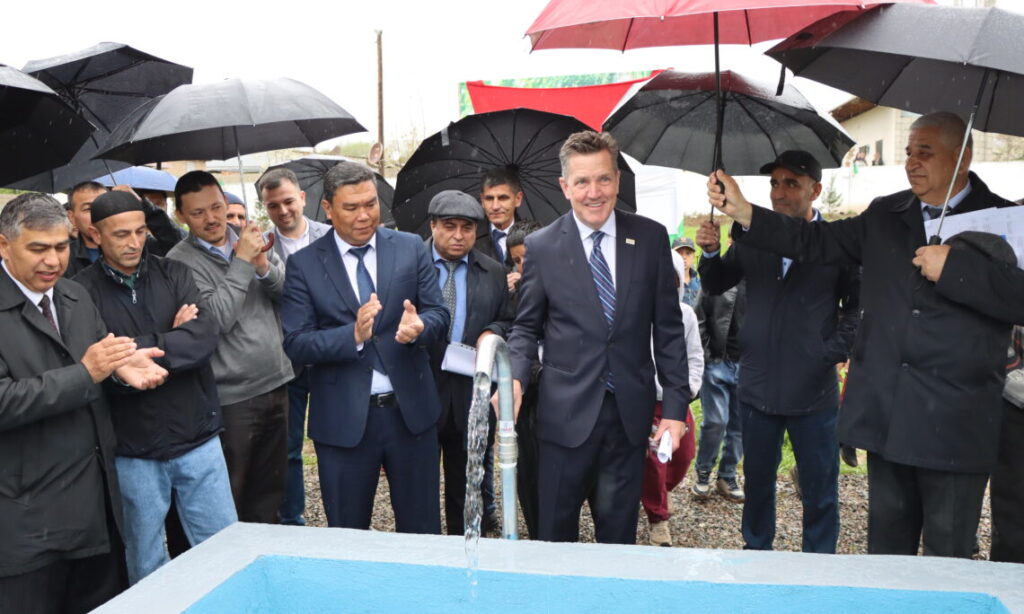
A new water supply system to provide safe drinking water for more than 3,000 people across 455 households has been inaugurated in the village of Rohati in Tajikistan’s Rudaki District.

Supported by the United States Agency for International Development (USAID), it is but one of the 12 communities now furnished with rehabilitated water supply systems through public-private partnerships.

To ensure the project’s sustainability, USAID helped Rohati’s private water operator develop a sound business plan for its water system, introduced electronic billing, and assisted with the installation of water meters in households.

Speaking at the opening ceremony on April 12, USAID Tajikistan Mission Director Peter Riley stated, “The U.S. Government believes that everyone has the right to safe drinking water. USAID strives to increase access to safe drinking water across all regions of Tajikistan. Access to safe drinking water is of critical importance to protecting public health, dignity, equity, and our environment and USAID is committed to that goal.”

In the last five years, USAID has rehabilitated and constructed 30 drinking water supply systems throughout Tajikistan, providing more than 100,000 people with safe drinking water.

Turkmenistan and USA Set to Strengthen Partnership

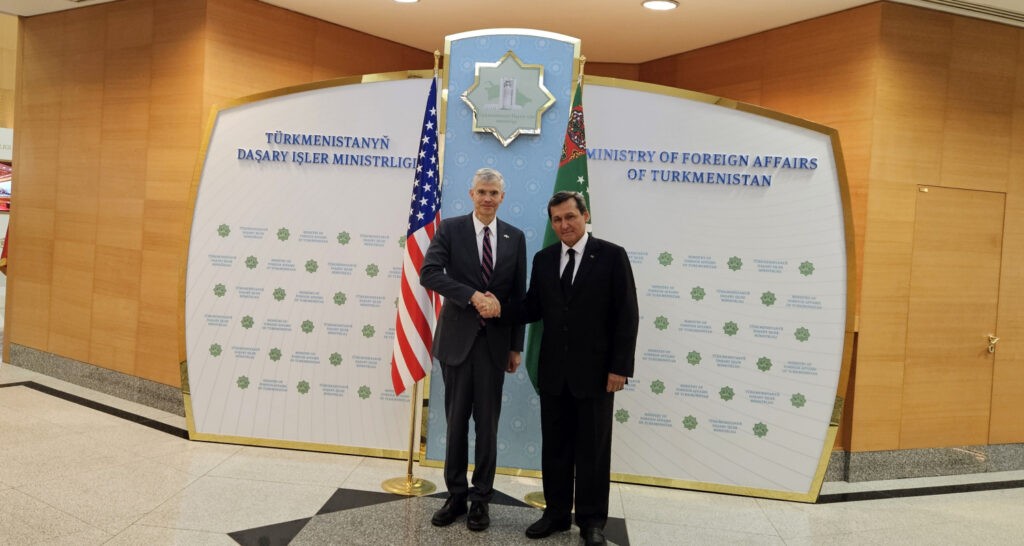
On 14 April, delegations led by Rashid Meredov, Minister of Foreign Affairs of Turkmenistan and John Pommersheim, US Deputy Assistant Secretary of State for South and Central Asian Affairs, attended an annual political consultation in Ashgabat.

The meeting focused on the current state and prospects for the development of Turkmen-American relations in political, trade, economic, ecology, culture, education, and humanitarian sectors.

According to the Turkmen Foreign Ministry, both parties confirmed their commitment to cultural and educational programs, through monthly meetings, and approved a joint road map in the field of education.

The American delegation welcomed Turkmenistan’s accession to the Global Methane Commitment which underlines both countries’ determination to resolve environmental problems and create sustainable socio-economic development.

The parties welcomed the establishment of inter-parliamentary cooperation as essential for maintaining contacts and coordinated approaches to resolving pressing issues.

Chinese Company Poised to Develop Lithium Industry in Kazakhstan

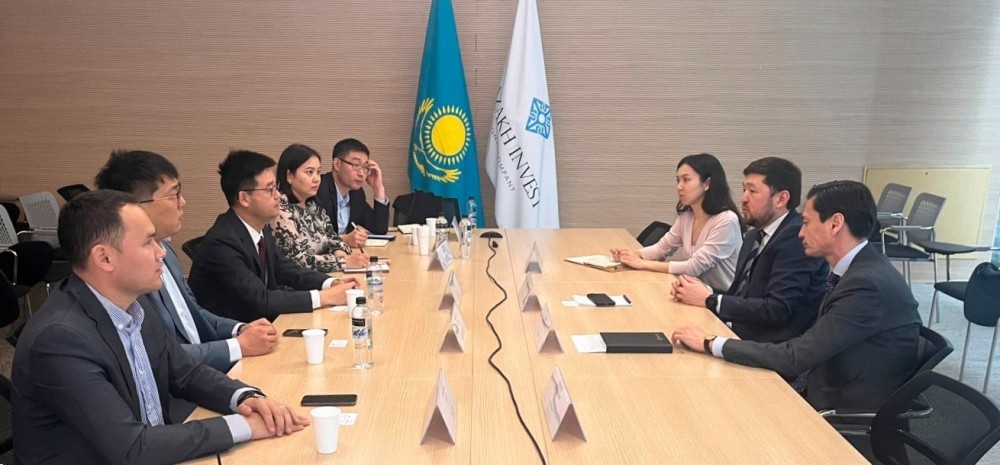
Zhicun Lithium Group, one of China’s largest companies specializing in the full-cycle production of lithium batteries, is engaged in talks with Kazakh Invest on lithium exploration, production, and processing projects in Kazakhstan.

The initiative was discussed on April 12 at a meeting between the company’s Vice President, Hong Wei, and Kazakh Invest’s project director, Bauyrzhan Aitkulov.

With reference to Kazakhstan’s significant geological potential for the mineral, Aitkulov advised Chinese investors of the strategic importance of developing the lithium industry. He also emphasized the potential offered by the Zhicun Lithium Group’s knowledge and experience in furthering exploration and the creation of a production plant for lithium products in Kazakhstan.

As reported by Kazakh Invest, both parties are poised to engage in long-term cooperation and technology transfer to create sustainable lithium production chains necessary for the development of processing industries, including green energy.