• KGS/USD = 0.01144 0%
  • KZT/USD = 0.00196 -0%
  • TJS/USD = 0.10904 0%
  • UZS/USD = 0.00008 0%
  • TMT/USD = 0.28490 0%
  • KGS/USD = 0.01144 0%
  • KZT/USD = 0.00196 -0%
  • TJS/USD = 0.10904 0%
  • UZS/USD = 0.00008 0%
  • TMT/USD = 0.28490 0%
  • KGS/USD = 0.01144 0%
  • KZT/USD = 0.00196 -0%
  • TJS/USD = 0.10904 0%
  • UZS/USD = 0.00008 0%
  • TMT/USD = 0.28490 0%
  • KGS/USD = 0.01144 0%
  • KZT/USD = 0.00196 -0%
  • TJS/USD = 0.10904 0%
  • UZS/USD = 0.00008 0%
  • TMT/USD = 0.28490 0%
  • KGS/USD = 0.01144 0%
  • KZT/USD = 0.00196 -0%
  • TJS/USD = 0.10904 0%
  • UZS/USD = 0.00008 0%
  • TMT/USD = 0.28490 0%
  • KGS/USD = 0.01144 0%
  • KZT/USD = 0.00196 -0%
  • TJS/USD = 0.10904 0%
  • UZS/USD = 0.00008 0%
  • TMT/USD = 0.28490 0%
  • KGS/USD = 0.01144 0%
  • KZT/USD = 0.00196 -0%
  • TJS/USD = 0.10904 0%
  • UZS/USD = 0.00008 0%
  • TMT/USD = 0.28490 0%
  • KGS/USD = 0.01144 0%
  • KZT/USD = 0.00196 -0%
  • TJS/USD = 0.10904 0%
  • UZS/USD = 0.00008 0%
  • TMT/USD = 0.28490 0%
08 December 2025

From Steppe to Subcontinent: The Indianisation of the Huns and Śakas from Kazakhstan

The historical connections between Kazakhstan and India span thousands of years, with the migration of Huns and Śakas from Central Asia to India playing a significant role in shaping the history of these two nations. The Huns, first mentioned by Roman historian Tacitus in the late first century A.D., originated near the Caspian Sea, in present-day Kazakhstan. They migrated to India, where they had a profound influence on the local population. Notable among the Huns was Toramana, who, around 500 A.D., launched attacks on India, eventually settling in Malwa in Central India and establishing himself as a powerful ruler.

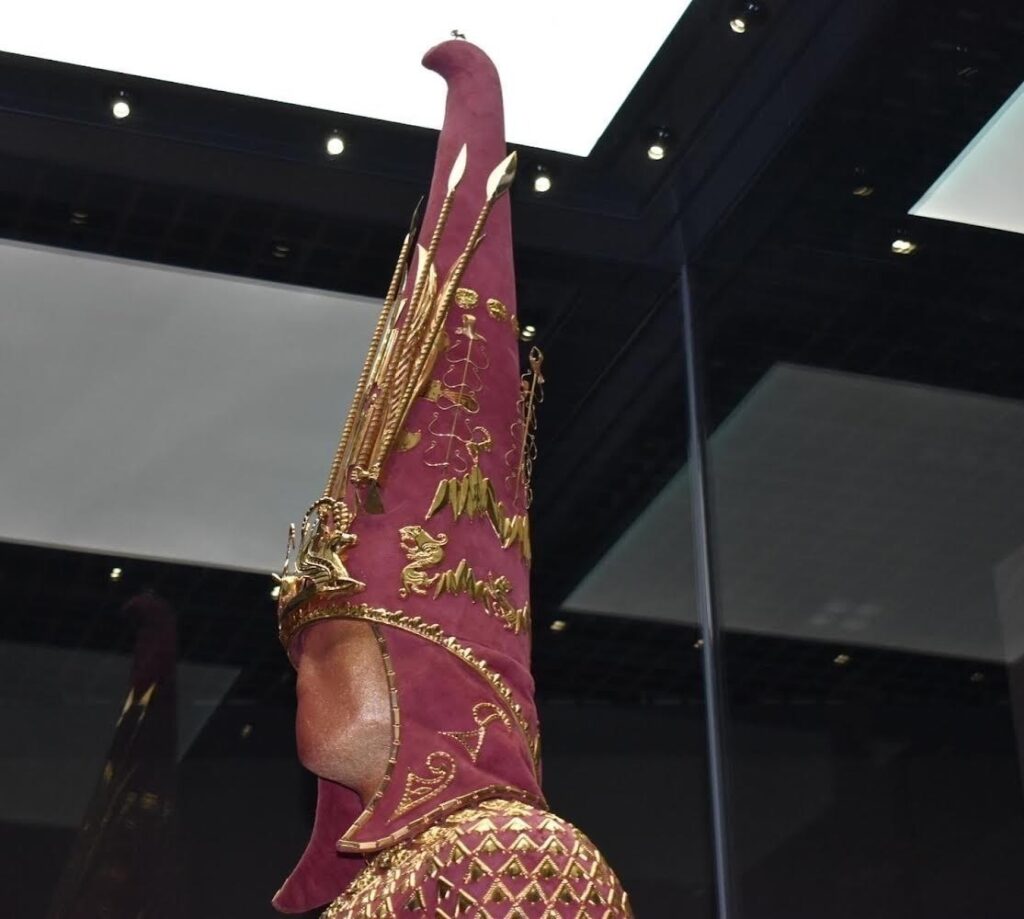
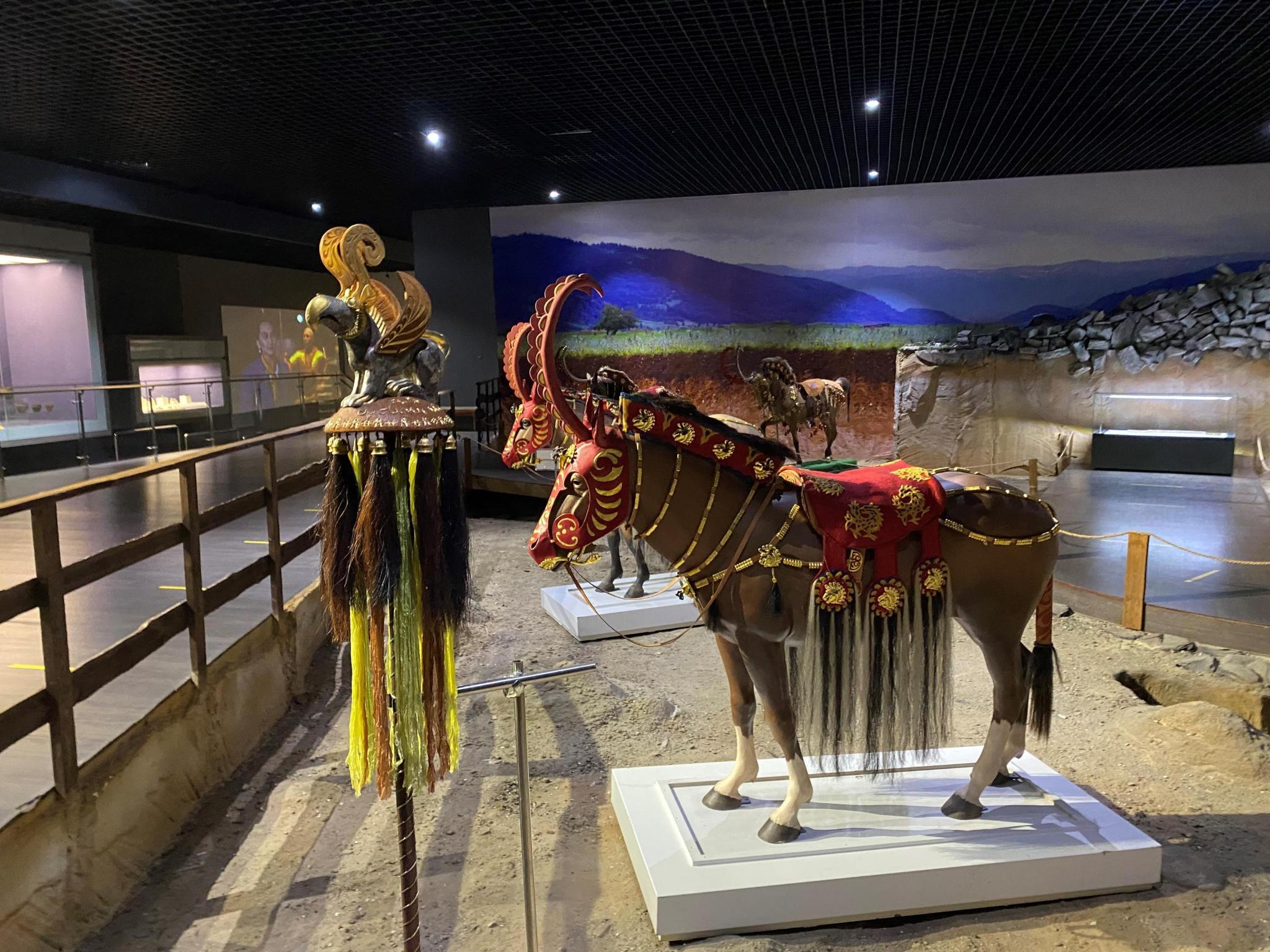
These historical ties are evident in archaeological finds in Kazakhstan, such as the 45 Hun burial mounds discovered near Almaty in the valley of the River Kegen in 2015. Similarly, the Saka people, another group of nomadic Eastern Iranian peoples, left their mark in the region with several burial mounds located near Almaty. The most notable among these was found in 1969, when the Kazakh archaeologist, Kemal Akishev, discovered a teenage Saka prince adorned with almost 4,800 gold items in an Issyk kurgan. Known as the “Golden Man,” the figure was adopted as one of the symbols of modern Kazakhstan, with a likeness standing atop the Independence Monument on the central square of Almaty.
In India, the influence of the Huns is palpable in places like Gwalior, a metropolis recently designated as a Creative City of Music by the UNESCO Creative Cities Network. The earliest historical record of Gwalior is an inscription by the Hun ruler Mihirakula, the second and last Alchon Hun king of the north-western region of the Indian subcontinent between 502 and 530 CE, referencing his father, Toramana, as a “a ruler of the earth.” Mihirakula was a patron of Shaivism, and his reign left a lasting impact on the Indian landscape.

The historical connections between Kazakhstan and India continue to be celebrated today, with India being one of the first countries to recognize Kazakhstan’s independence. The two countries actively cooperate under various multilateral fora, including the Conference on Interaction and Confidence Building Measures in Asia (CICA), the Shanghai Cooperation Organization (SCO), and United Nations organizations.

This historical connectivity is deeply rooted in the migration of two nomadic groups, the Huns and Śakas, from what is now known as Kazakhstan to India. Both these communities, though distinct in their origins – with the Huns being Turanic and the Śakas of Iranian descent – migrated to India, embraced the local culture, and significantly influenced the country’s history and development.

The first Saka king in India was Maues, also known as Moga, who established Saka dominion in areas covering Gandhara, the Indus Valley, and regions that are part of present-day Afghanistan. The Śakas ruled over vast territories, including the north-west frontier, Punjab, Sindh, Kashmir, western Uttar Pradesh, Saurashtra, Kathiawar, Rajputana, Malwa, and the north Konkan belt of Maharashtra.

Saka ruler Nahapana held sway over Kathiawar and neighboring territories, including Ujjain, from A.D. 78 to about A.D. 125. Another Saka king, Rudradaman I, embraced Hinduism, married a Hindu woman, and supported Sanskrit literature and cultural arts. His reign saw the Yavaneshwara penned, versification of an earlier translation into Sanskrit of a Greek text thought to have been written around 120 CE.

The Gupta warrior Chandragupta II defeated Saka king Rudrasimha III, annexing his kingdom and taking on the title Vikramaditya, marking the end of Saka-Kshatrapa rule in western India. Over time, many Huns and Śakas assimilated into the larger Indian population, with many converting to Hinduism and contributing to the preservation and propagation of Indian culture. Notorious for their fierce warrior skills, the Huns also left an indelible mark on India’s history.

Today, the historical connections between Kazakhstan and India serve as a strong foundation for their bilateral relations. As these two nations continue to strengthen their ties, the influence of the Huns and Śakas remains a testament to their shared history and mutual cultural enrichment.

Arunansh B. Goswami is an author, historian, and advocate in Supreme Court of India.
Kazakhstan Announces Date of 5th World Nomad Games

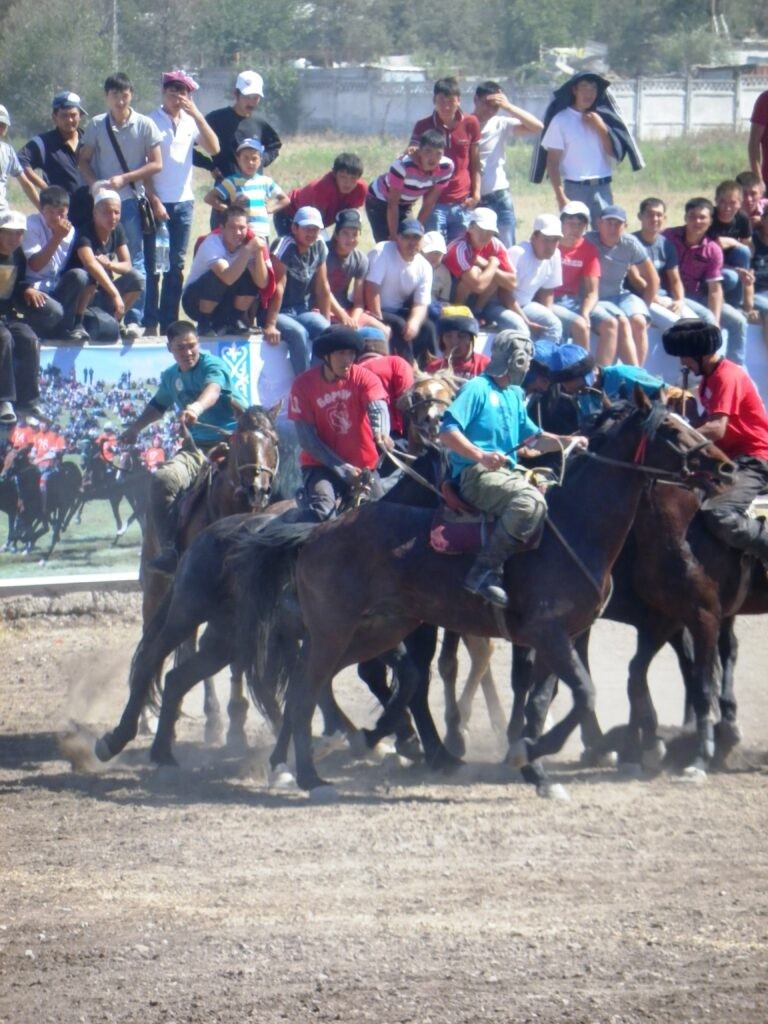
The 5th World Nomad Games will be held in Astana from September 8th to 14th, the Ministry of Tourism and Sports of Kazakhstan has said. It is expected that close to 4,000 athletes from more than a hundred countries will compete in the games, which will include twenty competitive and ten demonstration events, with 110 sets of medals being competed for. Equestrian sports, traditional wrestling, archery, bird hunting, and traditional intellectual games will all be included. It is also expected that more than 100,000 tourists will attend sporting and cultural events during the games.

An ethno-village, “Universe of Nomads,” will be opened in Astana, where every visitor will be able to get acquainted with the culture and traditions of the Kazakh people, as well as the cultures of participating countries. Up to 30,000 residents and guests in Astana will be able to visit the ethno-village daily, the ministry stated.

The games will be held under the motto, “Meeting in the Great Steppe.”

The World Nomad Games were initiated by the government of Kyrgyzstan in 2012 for the revival and preservation of the culture of nomadic civilizations. The First World Nomad Games were held in September 2014 in the resort city of Cholpon Ata on Lake Issyk-Kul in Kyrgyzstan.

Chinese Agricultural Drones May Be Manufactured in Kazakhstan

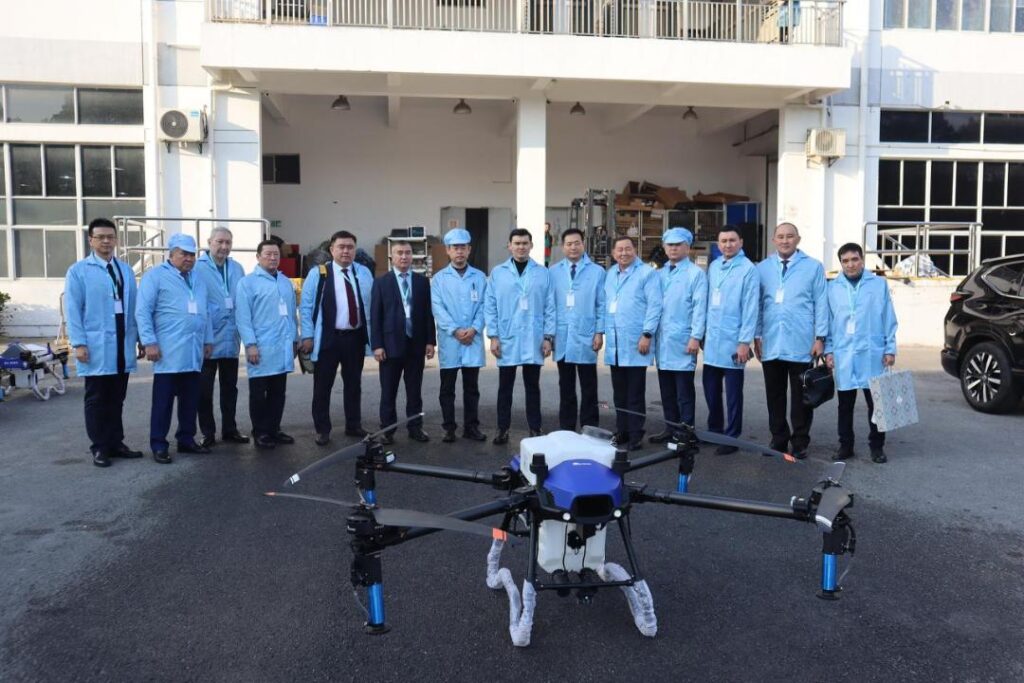
On January 17th, a delegation from Kazakhstan led by Deputy Minister of Agriculture, Abulkhair Tamabek visited the assembly site of the company, Eavision Robotic Technologies in the city of Suzhou in China’s Jiangsu Province. The company specializes in the production of unmanned aerial vehicles for monitoring and protection from pests, plant diseases and weeds, using artificial intelligence technology. During the meeting with Xinyu Wang, General Director of Eavision Robotic Technologies, the delegation discussed a project for localizing the production of agricultural drones in Kazakhstan. Emphasizing the uniqueness of such a project, the Ministry of Agriculture stated that there are no such similar production facilities in Russia or any other Central Asian countries.

As a result of the negotiations, a Memorandum of Technical Cooperation was signed for the manufacture of agricultural drones in Kazakhstan. The two sides agreed to develop a roadmap for the implementation of the project, and determine the location of production facilities in Kazakhstan and potential sales markets, including in neighboring countries.

Uzbekistan Aims to Attract More Foreign Investment, Increase Exports

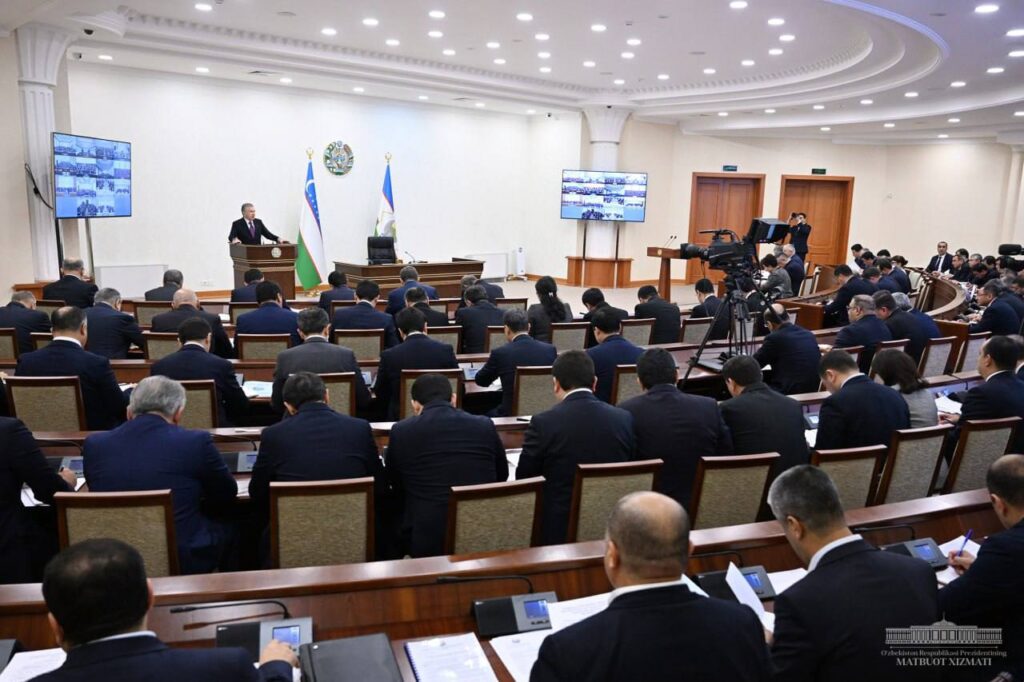
On January 18th, President Shavkat Mirziyoyev chaired a government meeting on priority tasks in the field of investment, export and industry for 2024, his press service has reported. It was stated at the meeting that the Uzbekistan 2030 strategy has set a goal of bringing the country’s GDP to $160 billion and per capita income to $4,000 a year, which cannot be achieved solely through the domestic market; meaning there is a need to attract more foreign investment and increase exports.

Over the past six years, the country has received almost $50 billion in foreign investment, with the economy growing by 6% last year. However, exports did not increase.

It was stated that although Uzbekistan has enjoyed the EU’s GSP+ trade preference system and has the opportunity to export 6,200 types of goods to Europe duty-free, only 384 types of goods were exported under this system last year. To take the economy to a new level would require exports to be increased by at least 30% annually.

A total of $200 million has been allocated for export lending, but that has not always translated into the production of value-added products and exports. From now on, subsidies and loans will be provided primarily to exporters entering new markets with products with high added value.

Another issue discussed at the meeting was industrial production. Over the past six years, the volume of investments attracted to industry has increased seven-fold, with equipment worth $14 billion being imported over the past three years. Uzbekistan has created 24 special economic zones (SEZs), where land is allocated in a simplified manner and tax benefits are provided by the state. However, these opportunities are not being fully utilized. For instance, 800 hectares of land with ready-made infrastructure is still empty in the SEZs. Therefore, it was decided that 240 hectares of land in SEZs in the Bukhara, Navoi, and Tashkent regions will be outsourced to foreign companies.

Mirziyoyev: Officials Must Reorient to Preserve Environment

President of Uzbekistan, Shavkat Mirziyoyev, has criticized officials who insist on building new cement plants instead of introducing environmental technologies.

“The country has production capacities which can more than cover the annual demand for cement,” Mirziyoyev said. “So, it is surprising that officials, instead of increasing the production of value-added products and introducing technologies that reduce their harmful impact on the environment, are proposing that 22 more cement plants be constructed.”

Mirziyoyev emphasized the importance of responsible decision making in the sphere of industry. He noted that over the past six years, the volume of investment in industry has increased sevenfold, but insufficient information has been provided by the heads of industries and regions on jobs created and the growth of exports, meaning officials do not sufficiently analyze and provide data on the economic and social consequences of investments in the construction of new cement plants.

The President also expressed concern about the environmental aspect of the issue. Instead of the mass construction of new plants, which are likely to exacerbate the negative impact on the environment, he called for a greater emphasis to be placed on the introduction of environmentally friendly technologies in cement production. Such measures would reduce air and water pollution, as well as greenhouse gas emissions.

Mirziyoyev emphasized the need to effectively use existing plants by increasing their productivity and introducing innovative solutions, noting that the introduction of environmentally friendly technologies would increase the quality and competitiveness of Uzbek cement in the world market. In summation, Mirziyoyev instructed officials to reorient their goals to ensure sustainable development and preserve the environment.

European Parliament Condemns Repression in Tajikistan, Underlying Issues Persist

On January 18th, the European Parliament adopted a resolution on human rights in Tajikistan which condemns the ongoing crackdown against independent media, government critics, human rights activists and independent lawyers, as well as the closure of independent media and websites.
Parliament members urged the authorities to stop persecuting lawyers defending government critics and journalists, and immediately and unconditionally release those arbitrarily detained and drop all charges against them, including human rights lawyers Manuchehr Kholiknazarov and Buzurgmehr Yorov.
In the resolution, the European Parliament members insisted that respect for freedom of expression in Tajikistan should be taken into account when assessing the application of the EU’s Generalised Scheme of Preferences (GSP+) for Tajikistan and negotiations of a new EU-Tajikistan Partnership and Cooperation Agreement.

In December 2023, the chair of the U.S. Senate Committee on Foreign Relations, Ben Cardin sent a letter to the President of Tajikistan, Emomali Rahmon, urging him to cease acts of domestic and transnational repression against political opponents and religious minorities. “There are persistent reports of arbitrary arrest, denial of judicial due process, as well as acts of violence including torture, assault and even instances of murder of journalists, political dissidents, as well as community and religious leaders,” Cardin wrote.

In recent years, several Tajik journalists, activists, and opposition politicians have been sentenced to lengthy prison terms largely based on accusations of collaborating with organizations labelled as extremist or banned in Tajikistan.

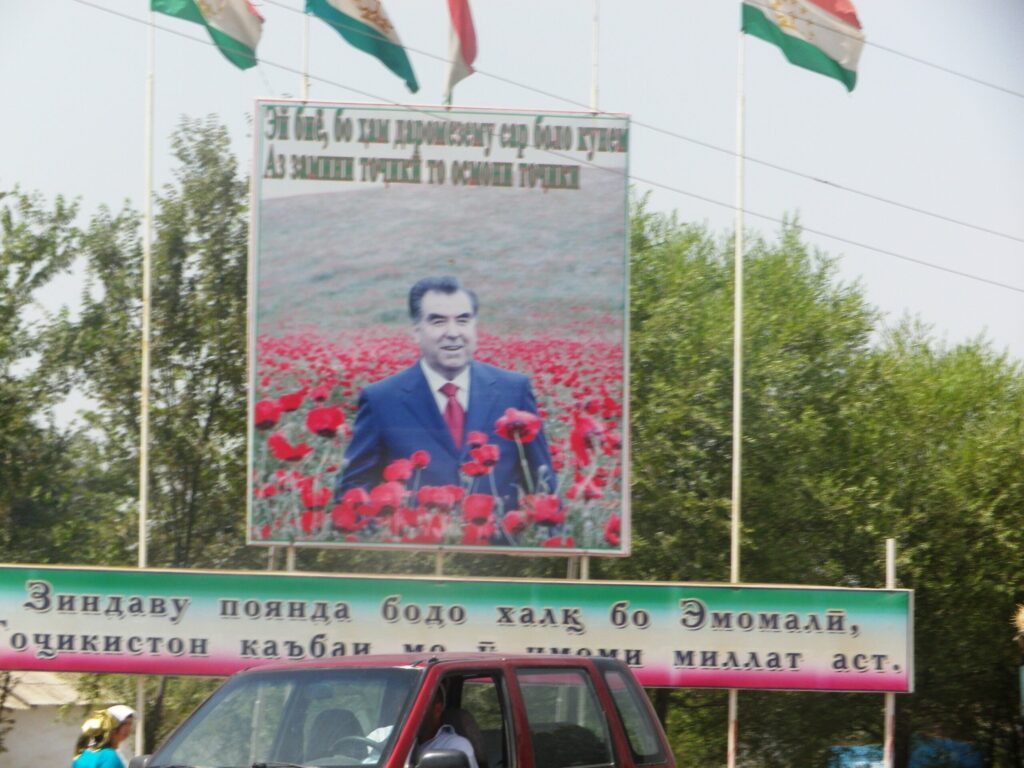
Still a relatively young country, the official date of the independence of Tajikistan – a front-line state facing the extremism of the Taliban – is September 9th 1991. Whilst criticisms are warranted and accurate, particularly through the prism of western democracy, the crux of the problem would appear to be endemic corruption and weak institutions propagated by kleptocratic wealth and organized crime.

As to how high up the criminality goes, in 2000 the Tajik Ambassador to Kazakhstan was arrested in Almaty with 86 kilos of heroin in his car. In 2001, the Deputy Minister of the Interior was murdered, the prosecution in the case arguing he’d been assassinated for refusing to pay for a shipment of 50 kilos. A statement released by the UNDP in 2001 estimated that drug money accounted for between 30 -50% of the Tajik economy.

The year Tajikistan took over policing of its border with Afghanistan from the Russians, seizures of heroin halved. Piqued by the critical international response, President Rahmon levelled counter-allegations of Russian complicity in the heroin trade. “Why do you think generals lined up in Moscow all the way across Red Square and paid enormous bribes to be assigned here?” he complained to U.S. officials. “Just so they could do their patriotic duty?”