• KGS/USD = 0.01144 0%
  • KZT/USD = 0.00193 -0%
  • TJS/USD = 0.10811 -0.28%
  • UZS/USD = 0.00008 0%
  • TMT/USD = 0.28490 0%
  • KGS/USD = 0.01144 0%
  • KZT/USD = 0.00193 -0%
  • TJS/USD = 0.10811 -0.28%
  • UZS/USD = 0.00008 0%
  • TMT/USD = 0.28490 0%
  • KGS/USD = 0.01144 0%
  • KZT/USD = 0.00193 -0%
  • TJS/USD = 0.10811 -0.28%
  • UZS/USD = 0.00008 0%
  • TMT/USD = 0.28490 0%
  • KGS/USD = 0.01144 0%
  • KZT/USD = 0.00193 -0%
  • TJS/USD = 0.10811 -0.28%
  • UZS/USD = 0.00008 0%
  • TMT/USD = 0.28490 0%
  • KGS/USD = 0.01144 0%
  • KZT/USD = 0.00193 -0%
  • TJS/USD = 0.10811 -0.28%
  • UZS/USD = 0.00008 0%
  • TMT/USD = 0.28490 0%
  • KGS/USD = 0.01144 0%
  • KZT/USD = 0.00193 -0%
  • TJS/USD = 0.10811 -0.28%
  • UZS/USD = 0.00008 0%
  • TMT/USD = 0.28490 0%
  • KGS/USD = 0.01144 0%
  • KZT/USD = 0.00193 -0%
  • TJS/USD = 0.10811 -0.28%
  • UZS/USD = 0.00008 0%
  • TMT/USD = 0.28490 0%
  • KGS/USD = 0.01144 0%
  • KZT/USD = 0.00193 -0%
  • TJS/USD = 0.10811 -0.28%
  • UZS/USD = 0.00008 0%
  • TMT/USD = 0.28490 0%
10 December 2025

Tajikistan in Penultimate Place in English Language Proficiency

According to Education First, Tajikistan ranked 112th among 113 countries ranked in English language proficiency ratings, followed solely by the Democratic Republic of the Congo, Radio Ozodi has reported. In 2020, Tajikistan ranked last.

In the report, Russia ranks 41st, Kyrgyzstan – 90th, Uzbekistan – 93rd, and Kazakhstan – 104th. The Netherlands, Singapore and Austria top the list.

The International Educational Center for English Language Education First was founded in 1965 in Sweden. EF is the largest private educational institution in the world, with 600 branches in more than a hundred countries.

Contrary to the report, representatives of the Ministry of Education and Science of Tajikistan believe that in recent years the level of English language proficiency has improved in the country. The press secretary of the Ministry of Education and Science, Navruz Jumamurod, said that English language learning is well-established in the country and a vivid proof of this is the participation of almost 8,000 students from Tajikistan in international Olympiads. “This is also one of the indicators that participants from Tajikistan speak English well,” he noted.

Are the teaching methods outdated?

In the capital’s school No. 55, English is taught using the old method – reading and translating texts, as well as using the Q&A format. In this school, ten teachers teach 2,093 students, with English lessons taking place twice a week.

Matluba Makhmadkulova, the deputy director of the school, said that in recent years the interest of schoolchildren in learning English has grown. “Students are divided into groups and study lessons in special classes,” she added.

In this school, as in many others in the country, the method of teaching English has not changed much since Soviet times and is often reduced to reading and translating texts. But many modern teachers consider such a technique to be ineffective.

English teacher Bakhtiyor Davlatmuradov mainly teaches at private language centers. In his opinion, it is important to use new methods when teaching English.

“The main problem is ignorance about some of the innovations of modern teaching. Another problem is the limited use of modern technology in the classroom. Yes, teachers are trying very hard, but now it’s the 21st century we need to use technology. For example, you can show some videos, that is, make the lesson interactive,” he explained.

“A lot depends on the young people themselves”

Mukhaye Nozimova, who taught English in Tajikistan for many years, is now studying modern ways of teaching the language in London. According to her, to improve the situation it is necessary to reform the country’s education system, though on the other hand, she believes the level of English-language proficiency depends on the young people themselves.

“Today, there are many online classes, and even free online courses on social networks which allow young people to learn English or any other language on their own,” she said.

Tajik youth prefer to study English in private educational centers, but throughout the country not everyone has the means to study at such institutions.

According to official information, today more than 8,000 instructors teach English in schools. Due to low salaries, however, many teachers prefer to work not in general education schools, but in international organizations, or to opt for a career as a translator.

Group-IB Opens First Digital Crime Resistance Center in Central Asia

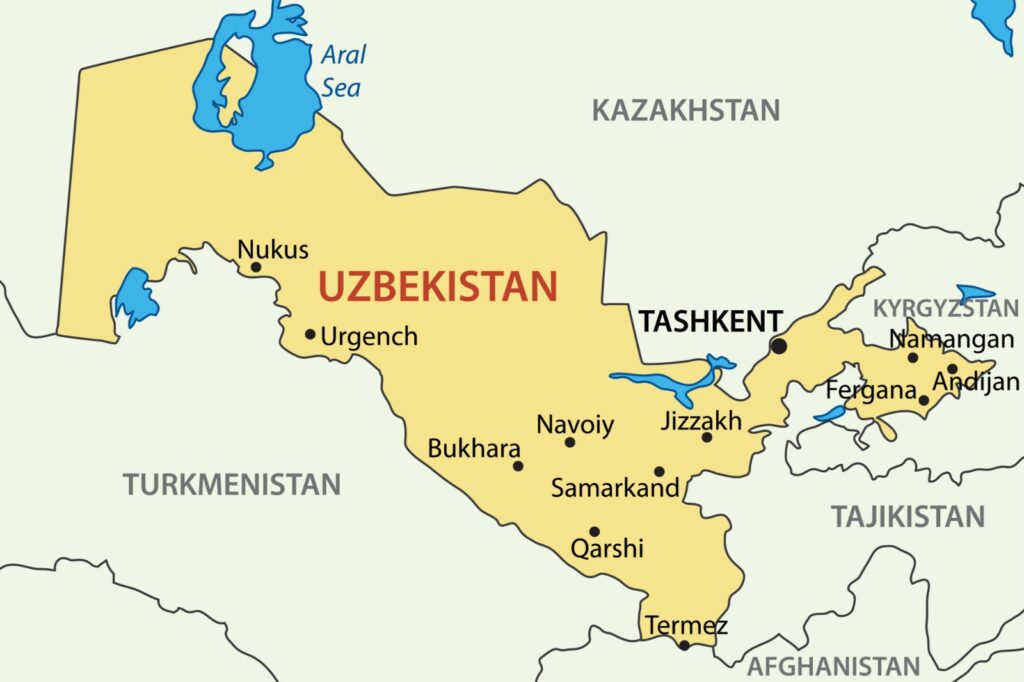
TASHKENT – On December 26th, Group-IB, a leading force in cybersecurity technology combating digital crime, revealed the inauguration of its pioneering Digital Crime Resistance Center (DCRC) in Central Asia. Located in Tashkent, this state-of-the-art facility marks Group-IB’s expansion strategy, aimed at proactively confronting cyber threats worldwide, notably those originating from Russian-speaking hacker communities.

Choosing Tashkent for their newest DCRC underlines Group-IB’s recognition of Uzbekistan’s economic significance and its potential to emerge as a global cybersecurity hub. The memorandum signed between the Central Bank of Uzbekistan and Group-IB in August 2023 further emphasizes the collaboration to counter cyberattacks and elevate cybersecurity measures.

Group-IB plans to fortify its engagement with Uzbekistan’s higher education sector, emphasizing investment in the country’s youth and its tech industry.

Dmitry Volkov, CEO of Group-IB, highlighted, “Selecting Tashkent, Uzbekistan as the site for our fifth Digital Crime Resistance Center globally is a strategic move to heighten our understanding of Russian-speaking threat actors. Cybercrime knows no borders, necessitating a comprehensive approach. By establishing a DCRC in Tashkent, Group-IB aims to elevate cybersecurity standards not only in Uzbekistan but across the broader Central Asian region.”

Uzbekistan’s Economy Resilient to Global Challenges, Says IMF

According to the IMF in analysis posted on their website, Uzbekistan’s economy has demonstrated remarkable resilience to recent global challenges. Following geopolitical shocks, the economy saw an influx of migrants and a large increase in remittances in 2022, boosting domestic demand. This, coupled with higher external demand, led to real GDP growth of 5.7% in 2022, the head of an International Monetary Fund staff team said in a statement following their visit to Uzbekistan earlier this month.

While remittances have fallen this year to the trend prevailing prior to Russia’s war in Ukraine, a sizable fiscal expansion, and high wage and export growth are expected to sustain real GDP growth at 5.7% in 2023. Strong imports and declining remittances will contribute to a higher external current account deficit this year. International reserves are expected to remain ample at eight-and-a-half months of prospective imports. By the end of 2023, the 12-month inflation rate is projected to decline by more than 3% compared to the same period last year, to 9%, helped by a value-added tax rate cut, and lower international food and energy prices.

The IMF says the outlook for 2024 remains positive, and while risks remain, growth is projected to remain above 5%.

“Preserving macro-financial stability and continuing structural reforms are key to bolstering resilience and sustaining robust economic growth amidst the challenging current global context,” the statement said. Accelerating World Trade Organization negotiations and cooperating with neighboring countries to improve transport routes will reduce transportation costs and open new markets for Uzbekistan’s products, the IMF statement concludes.

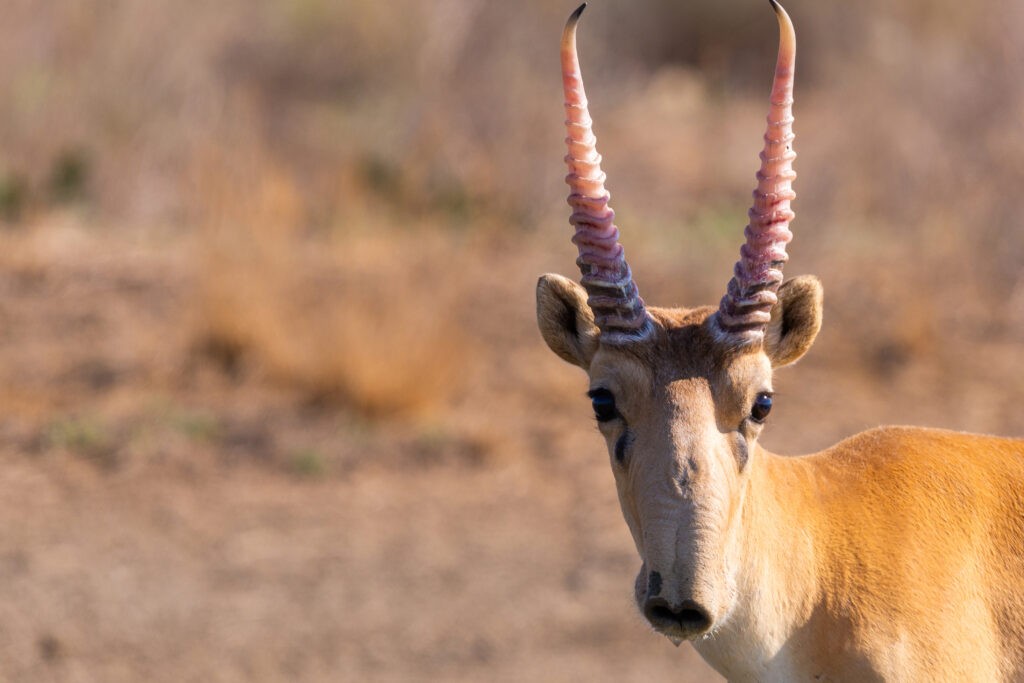
458 Saiga Antelope Killed For Their Horns

A foreigner tried to take saiga horns worth 2 billion tenge from Kostanay. During a search, 916 saiga horns and about 7.5 million tenge in cash were found in the bags, the Kostanay region police department reported.

Presumably, the offender caused about 2 billion tenge in damage to the state. He was arrested and placed in a temporary detention facility.

On 25 December, Leonardo DiCaprio, esteemed Hollywood actor and environmentalist, brought attention to the Kazakh government success in saving the saiga population on his Instagram page.

“Congrats to the government of Kazakhstan, which invested heavily in anti-poaching initiatives, robust law enforcement, and the establishment of new protected areas”.

The antelope species has been reclassified from critically endangered to near threatened on the International Union for Conservation of Nature Red List of Threatened Species, with Kazakhstan population growing from 48,000 in 2005 to over 1.9 million in the wild.

Kazakhstan: A decree on human rights demonstrates the government is responsive to the people’s demands

Democracy in Central Asia is evolving since the Soviet Union’s collapse three decades ago. Despite a history of authoritarianism, the region is showing signs of human rights improvement and increased democratic representation. New voices are emerging, impacting societal change. It’s crucial to recognize this progress while still addressing human rights issues and advocating for further democratic reforms.

On December 10, 2023, the world celebrated the 75th anniversary of the Universal Declaration of Human Rights (UDHR), a g seminal document that established the universal recognition of fundamental human rights. The anniversary was marked by various events and initiatives around the globe, including a significant event in Geneva. In line with this celebration, the U.S. Secretary of State Anthony Blinken announced the designation of Taliban leaders connected to restrictions on access to secondary education for women.

President Kassym Jomart Tokayev of Kazakhstan also demonstrated his country’s commitment to upholding human rights by signing a decree titled “On Further Measures of the Republic of Kazakhstan”. This statute underlines Kazakhstan’s commitment to implementing democratic reforms and integrating them into everyday public life.

The Decree aligns the nation’s democratic and human rights mechanisms with international standards, encouraging cooperation between the state, the United Nations (UN), and the Organization for Security and Cooperation in Europe (OSCE). It has initiated practical measures like expert-led training sessions from the UN and OSCE to implement regional political reforms. Additionally, the Decree’s Action Plan details the executive, legislative, and judicial branches’ the execution of reforms in collaboration with civil society and the international community with the ultimate aim of upholding the rule of law and human rights. These initiatives are consistent with President Tokayev’s promise to build a “Just and Fair Kazakhstan” that will protect marginalized groups, support union activities, uphold assembly rights, and prevent violence and torture.

Building gender equality

Women’s rights have become a focal point globally. Kazakhstan, with its nomadic heritage, has made significant strides in narrowing the gender gap compared to many other countries. Since joining the UN’s Human Rights Council for the 2022-2024 term, the country has prioritized gender equality and women’s empowerment. Kazakhstan recently moved up 15 positions in the “Global Gender Gap” index due to successful reforms in the field of gender development where it is ranked 65 out of 146 countries.

The recent Decree fundamentally strengthens gender equality. The Government is instructed to take systematic measures to promote equal rights and opportunities in all spheres of society, as well as to overcome all forms and manifestations of gender discrimination. The decree also encompasses legislation to deter domestic violence and promotes equal rights and safety for both men and women in the Republic of Kazakhstan, as endorsed by UN Security Council resolution 13251. This is a significant step forward in addressing gender-based violence and discrimination, reflecting the government’s commitment to promoting human rights and gender equality.

Combatting domestic violence

A recent, and very public, tragedy in Kazakhstan represented domestic violence at its worst. To combat domestic violence effectively, it is essential to create a legal culture that promotes zero tolerance towards all forms of violent offenders. Women and children are the most vulnerable in such situations, and it is crucial to prioritize their safety and well-being.

The Decree involves legislative measures that have now been implemented to tighten criminal liability in cases of domestic violence. These measures aim to hold perpetrators accountable for their actions and ensure that victims can get justice. Additionally, offenders of domestic violence may be required to undergo comprehensive psychological correction as part of their rehabilitation process.

Best practices show that involving female employees by the authorities in this process can bring a unique perspective and sensitivity to domestic violence cases. The Decree involves creating specialized units within the Ministry of Internal Affairs staffed with female officers, who can enhance the effectiveness of combating domestic violence. These units will provide support to victims while working towards achieving justice.

Protecting those detained and convicted

President Tokayev’s constitutional reform package, approved through a referendum on June 5, 2022, has already significantly enhanced Kazakhstan’s stance on preventing torture and ill-treatment. This reform aligns the nation’s criminal justice system more closely with international obligations.

The recent presidential Decree further compels the government to implement additional measures. These involve improving regulations to abolish torture and ill-treatment of inmates as well as ensuring thorough investigation, prosecution, and punishment of such acts. The objective of these initiatives is to systematically eradicate torture, bolster human rights protection, increase public confidence in law enforcement agencies, and secure public backing for addressing issues within the criminal justice system.

The Action Plan improves the occupation prospects for convicts through quality vocational education, fostering a sense of social significance through rewarding work, thereby facilitating their productive re-entry into society. In accordance with this Decree, the Ministry of Internal Affairs is tasked with upgrading workshops in penal institutions and updating vocational training courses based on labor market demand, with the support of international organizations and businesses. Incentives are given to small and medium-sized businesses employing convicts. Moreover, the government will initiate pilot projects for the reintegration of ex-convicts into society, involving UN and OSCE institutions.

Right to freedom of association

While the existing legislation in the Republic of Kazakhstan concerning the organization and execution of peaceful assemblies is in alignment with internationally accepted norms and practices, future amendments to this legislation can be made with due consideration to both domestic law application and international experiences.

The Action Plan incorporates measures intended to uphold the freedom of peaceful assembly. These include managing interdepartmental collaboration, formulating methodical recommendations, and conducting training seminars in partnership with global institutions such as the United Nations (UN) and the Organization for Security and Co-operation in Europe (OSCE). Collectively, these actions empower every citizen to actively exercise their right to freedom of assembly.

Protecting rights of children and persons with disabilities

The Decree aims to bolster protection of children’s rights in Kazakhstan. It proposes legislative changes to establish regional children’s rights commissioners who will cooperate with the national Commissioner for Children’s Rights.

Kazakhstan also places significant emphasis on supporting individuals with disabilities, striving to involve them in decision-making processes. The government has been directed to adopt a dedicated Concept of Inclusive Policy for the Republic of Kazakhstan, set to be implemented by 2030, demonstrating their commitment to inclusivity in the coming years.

Steps to ensure right to work, labor protection and activities of trade unions

Kazakhstan is proactively adopting legislative and practical steps to safeguard human rights, with a particular focus on preventing industrial accidents. The urgency for enhanced labor protection laws in the country has been highlighted by recent incidents.

The Action Plan that has been adopted is geared towards enhancing legal requirements for safe working conditions. The government is on track to approve the Concept of Safe Work in the Republic of Kazakhstan, projected to be in effect until 2030.

Kazakhstan will commence an in-depth study of the UN Guiding Principles on Business and Human Rights’ implementation. This signals the country’s commitment to advancing workplace safety and upholding labor rights.

Conclusion

In conclusion, the signing of the Decree by President Tokayev marks a significant step in Kazakhstan’s journey towards bolstering human rights for all citizens, particularly for vulnerable groups such as women, children, the disabled and convicts while protecting the right of the people to peacefully assemble and improving conditions for the country’s workers. This initiative not only underscores the government’s commitment to preventing industrial accidents but also aligns its laws and regulations with international standards set by the UN Guiding Principles on Business and Human Rights. As a key player in Central Asia, these actions could potentially influence other nations in the region to follow suit, thereby contributing to a broader enhancement of human rights across the region.

Can Kazakhstan set an example for Central Asia’s key position in the global transition to green economy?

If there is one Central Asian country that stood out during the COP 28 summit on climate change in Dubai in late 2023, it was Kazakhstan. Its pledges and initiatives – specifically regarding methane reductions, transition to renewable energy sources, and water security and cooperation – correspond overall to the country’s commitments to a green economy transition. More importantly, such signaling and posturing may have larger repercussions in a region of increasing geopolitical and economic importance, not the least because of its vast resources and potential in terms of growing transportation networks.

***

First to consider is Kazakhstan’s announcement of a Methane Reduction Pledge which makes it part of a voluntary agreement known as the Global Methane Pledge to reduce methane emissions by 30 per cent by 2030. This is significant given that Kazakhstan is Central Asia’s main oil producer as well as an important gas producer. Stressing the country’s dedication to reducing greenhouse emissions, and in alignment with international efforts to decrease non-CO2 climate super-pollutants, Kazakhstan’s President Kassym Jomart Tokayev acknowledged during his speech at COP28 that cutting methane emissions was the “quickest avenue to immediately slow the rate of global warming”.

This move earned him praise from the U.S. and the UK. President Joe Biden’s Special Envoy for Climate, John Kerry, issued a joint statement with Zulfiya Suleimenova, Tokayev’s Special Representative on International Environmental Cooperation, underlining the two countries’ “mutual readiness to accelerate the development and implementation of policies and projects to rapidly reduce methane emissions” over the next two years, particularly from the fossil energy industry. The U.S. also said it would work with partners “to mobilize investments to support achieving full methane mitigation potential in Kazakhstan’s oil and gas sector”, which it said will require “at least $1.4 billion in total spending through 2030.” Likewise, British Embassy in Astana posted on X (formerly known as Twitter), to give “Congratulations to President Tokayev and Kazakhstan for joining the Global Methane reduction Commitment at #COP28 in Dubai!”, adding that this was a “significant step towards a sustainable future.”

Secondly, President Tokayev unveiled at COP28 an ambitious Joint Energy Transition Partnership (JETP) initiative for Kazakhstan, which will help make the country a key player in the global transition to renewable energy sources. This should be exciting news for people of Kazakhstan as their country is poised to be a major global supplier of critical minerals used in green technologies as the world decarbonises in the coming decades. A generally agreed list of these critical minerals often include lithium, cobalt and nickel (all used in the production of electric batteries), as well as rare earths (which include at least 17 elements such as neodymium, dysprosium and terbium that are necessary for magnets in wind turbines and electric vehicles), and silver (a key component for solar panel manufacturing). Kazakhstan holds the largest chrome ore reserves in the world and ranks first also in terms of their quality. It holds second place globally for uranium and silver reserves, and third in terms of lead and manganese ore. The comprehensive JETP framework, according to President Tokayev, will boost Kazakhstan’s production and export of these and other critical minerals while also encouraging investments in renewable energy technologies and cooperation with international partners to develop new supply chains.

Thirdly, it was announced that President Tokayev and France’s President Emmanuel Macron will co-chair the inaugural One Water Summit in 2024 on the margins of the U.N. General Assembly. This is a noteworthy position for Kazakhstan to hold, given that the upcoming summit will hopefully address crucial global water issues by supporting much-needed dialogue and collaboration among nations and organisations. The goal is not only to protect water resources but also to improve cooperation across national boundaries. Kazakhstan itself is no stranger to water challenges. During his COP28 speech, President Tokayev brought up the case of Aral Sea, the large inland body of saltwater that continues to serve as a critical reserve for both Kazakhstan and Uzbekistan despite facing serious pollution and evaporation problems. Tokayev specifically encouraged support for the International Fund for Saving the Aral Sea, a Central Asian organisation whose chairmanship will be held by Kazakhstan next year.

***

In the current global landscape, Kazakhstan’s leadership seems to be moving forward wisely in terms of climate change, water security and green transition issues. Its commitments to the green economy transition are already paying off. The Asian Infrastructure Investment Bank (AIIB) has invested $36 million into the country’s wind power sector. SVEVIND Energy Group, a German-Swedish company, has promised a $50 billion investment for producing green hydrogen and it plans to build one of the world’s largest green hydrogen plants to start production by 2030. Several others – such as the Climate Investment Funds, USAID, Plenitude (an Eni SpA subsidiary), and the Asian Development Bank with the EBRD – have all invested in the country’s solar power industry in support of various projects. The future indeed looks greener for Kazakhstan, but also it holds a promise for the region as a whole.