• KGS/USD = 0.01144 0%
  • KZT/USD = 0.00192 -0%
  • TJS/USD = 0.10849 0.37%
  • UZS/USD = 0.00008 0%
  • TMT/USD = 0.28571 0.28%
  • KGS/USD = 0.01144 0%
  • KZT/USD = 0.00192 -0%
  • TJS/USD = 0.10849 0.37%
  • UZS/USD = 0.00008 0%
  • TMT/USD = 0.28571 0.28%
  • KGS/USD = 0.01144 0%
  • KZT/USD = 0.00192 -0%
  • TJS/USD = 0.10849 0.37%
  • UZS/USD = 0.00008 0%
  • TMT/USD = 0.28571 0.28%
  • KGS/USD = 0.01144 0%
  • KZT/USD = 0.00192 -0%
  • TJS/USD = 0.10849 0.37%
  • UZS/USD = 0.00008 0%
  • TMT/USD = 0.28571 0.28%
  • KGS/USD = 0.01144 0%
  • KZT/USD = 0.00192 -0%
  • TJS/USD = 0.10849 0.37%
  • UZS/USD = 0.00008 0%
  • TMT/USD = 0.28571 0.28%
  • KGS/USD = 0.01144 0%
  • KZT/USD = 0.00192 -0%
  • TJS/USD = 0.10849 0.37%
  • UZS/USD = 0.00008 0%
  • TMT/USD = 0.28571 0.28%
  • KGS/USD = 0.01144 0%
  • KZT/USD = 0.00192 -0%
  • TJS/USD = 0.10849 0.37%
  • UZS/USD = 0.00008 0%
  • TMT/USD = 0.28571 0.28%
  • KGS/USD = 0.01144 0%
  • KZT/USD = 0.00192 -0%
  • TJS/USD = 0.10849 0.37%
  • UZS/USD = 0.00008 0%
  • TMT/USD = 0.28571 0.28%
11 December 2025

“Updates and Reforms”: Communications Service Expands Cooperation with Russian Federation

The establishment of cooperation with Russian companies gives a new impetus to the process of reforming and updating mobile communication networks in Tajikistan, the Communications Service of Tajikistan has stated, adding that a memorandum of cooperation has been signed with the Russian company, PITER IX in Dushanbe. The main purpose of the memorandum is to facilitate the process of modernization and reform in the telecommunications sector in the country.

The Communications Service stated that the agreement provides for the introduction of information and communication technologies, the development of an electronic business system, access to broadband internet, and the distribution of 4G LTE and 5G-ce throughout the republic Earlier, the Communications Service signed a memorandum of understanding with the Moscow company, Digit, in the field of network security, which provides for the holding of joint seminars and events to strengthen cooperation in the information sphere, as well as communication technologies.

Length of U.S. Visas for Kyrgyz Citizens Set to Increase

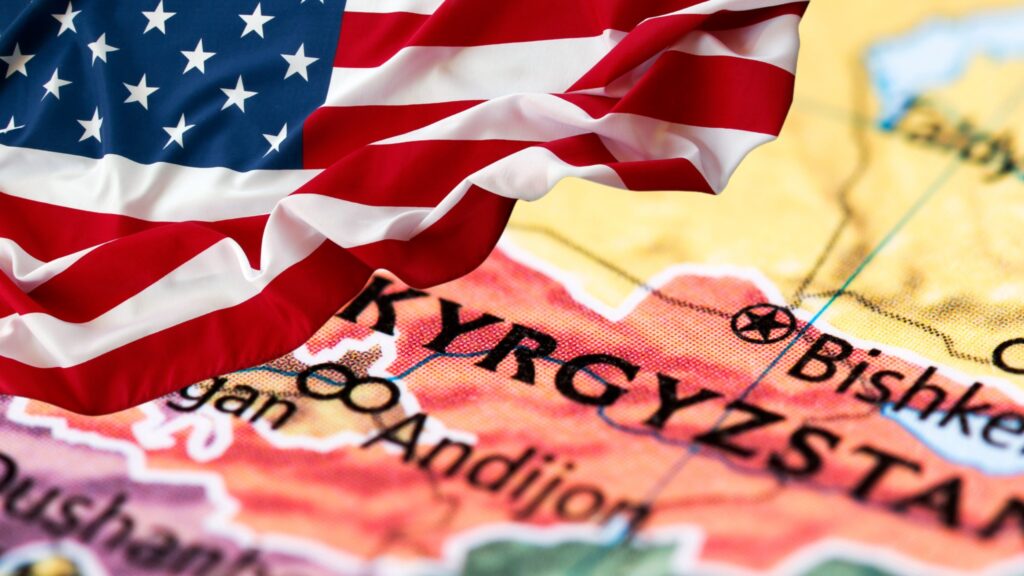
The duration of American visas for citizens of Kyrgyzstan is set to increase from five to ten years, marking a significant development reported by the Embassy of the Kyrgyz Republic in the USA.

The Embassy disclosed that Baktybek Amanbayev, the head of the Kyrgyz diplomatic mission, conducted a meeting on December 13th with Brandon McNerney, the director of the Office of Visa Affairs at the Consular Bureau of the US Department of State. The primary agenda revolved around discussions aimed at enhancing visa relations between the two nations.

During the meeting, Ambassador Amanbayev reiterated the appeal to expedite considerations for extending the validity period of tourist and business visas from five to ten years, alongside reducing consular fees for Kyrgyz Republic citizens. This plea, previously discussed with US authorities, was reinforced by Amanbayev during this encounter.

Brandon McNerney provided an optimistic outlook, stating that the issue is in its final stages of evaluation within relevant US authorities, with a positive decision anticipated imminently. The American side pledged to officially notify the Kyrgyz authorities of their decision in the near future.

Additionally, Amanbayev pressed for simplified visa acquisition processes for Kyrgyzstani students enrolled in US educational institutions. Moreover, he proposed exploring opportunities for legal employment of Kyrgyz citizens in sectors facing labor shortages within the United States. The American representatives agreed to delve into these matters during the annual bilateral consultations.

This push for extended visa durations follows earlier discussions on the topic. Kyrgyzstan’s parliamentary deputies Akylbek Tumonbayev, Balbak Tulobayev, Karim Khanjeza, and Emil Toktoshev engaged in talks with Ambassador Leslie Viguery regarding visa extensions to the United States.

Ambassador Amanbayev also held discussions with John Pommersheim, Deputy Assistant Secretary of State for Central and South Asian Affairs, seeking to expedite this visa extension process. These concerted efforts signal a potential boon for Kyrgyz citizens aspiring to visit or reside in the United States, fostering closer bilateral ties between the two nations.

Over 10,000 Schoolchildren in Kazakhstan Learning French

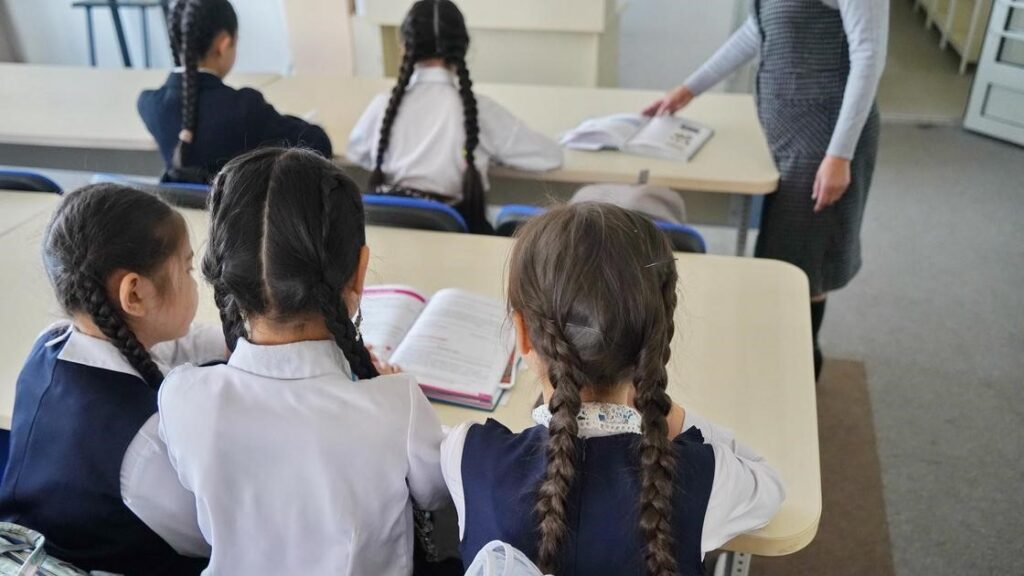
The Ministry of Education of the Republic of Kazakhstan has reported statistical data on the study of the French language in Kazakh schools. Currently, 380 students in eight schools are studying French as their first foreign language, and 9,948 students in 38 schools are studying it as a second foreign language, the ministry said. The choice of subject made taking into account the needs of students, the availability of teachers, and the opinions of parents.

On November 1st of this year, President Kassym-Jomart Tokayev announced plans to open French schools in Kazakhstan. As previously reported, the Ministry of Education is currently working on the formation of a working group to implement the agreement on the opening of international schools. In accordance with this agreement, the opening of a French language school is planned to take place in the cities of Astana and Almaty in 2025.

USAID Launches New Project to Empower Communities in Uzbekistan

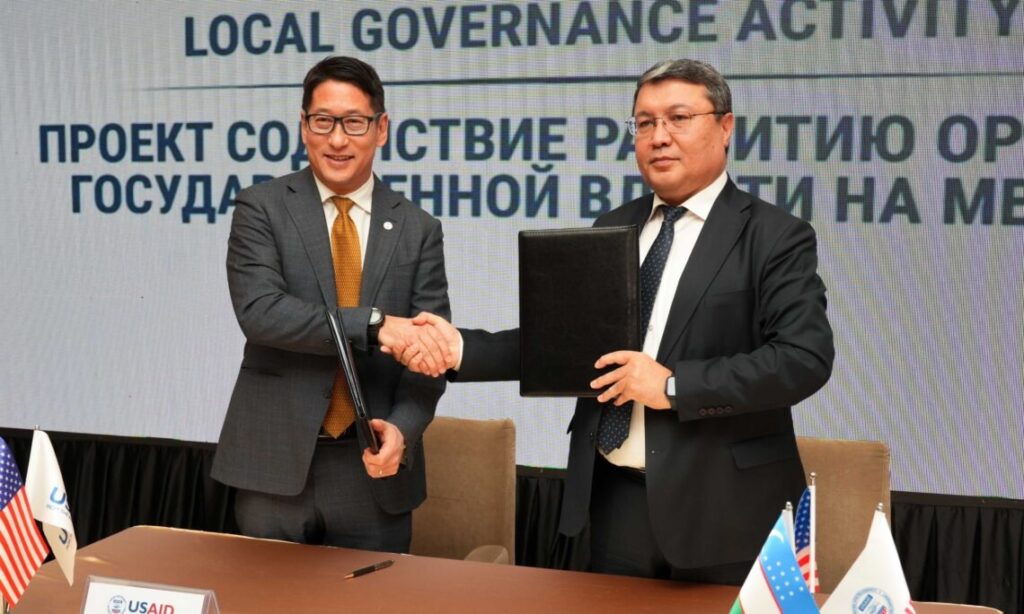
The United States Agency for International Development (USAID) has launched the Local Governance Activity in Uzbekistan, the U.S. Embassy in Uzbekistan has stated. Implemented by Chemonics International, the project will work closely with national government counterparts to improve the responsiveness and accountability of local governments, enhance citizen engagement, and promote a more inclusive and equitable decision-making processes.

As a significant step towards strengthening collaboration and advancing local governance goals, the Ministry of Justice of Uzbekistan and USAID signed a Memorandum of Understanding (MOU) during the project launch ceremony on December 14th. The MOU outlines the framework for collaboration between the two parties, focusing on enhancing the legal and regulatory environment for effective local governance, promoting citizen participation, and strengthening the capacity of local government institutions.

“Empowering local communities to participate actively in governance is essential for building a more responsive and accountable government,” said USAID Mission Director in Uzbekistan, David Hoffman. “This activity will work to strengthen the voices of citizens, particularly women, youth, people with disabilities, and minority groups, ensuring that their needs are heard and addressed at a local level.”

The Local Governance Activity will identify and address the diverse needs of various stakeholders, including citizens, entrepreneurs, marginalized populations, activists, influencers, media, and other government entities. Through this inclusive approach, the activity will ensure local governance reforms are tailored to the specific needs and realities of Uzbek communities.

Additionally, it aims to strengthen collaboration with national counterparts, ensure that the project’s activities are aligned with the Uzbekistan Strategy 2030, and that outcomes are sustainable beyond the project’s lifespan.

Through collaboration, innovation, technical expertise, and a focus on user-centered approaches, the Local Governance Activity will work to address the diverse needs of Uzbek communities and contribute to a more inclusive, responsive, and accountable government.

Belgian Company Helps Open First Plant for Production of High-Quality Lime in Kazakhstan

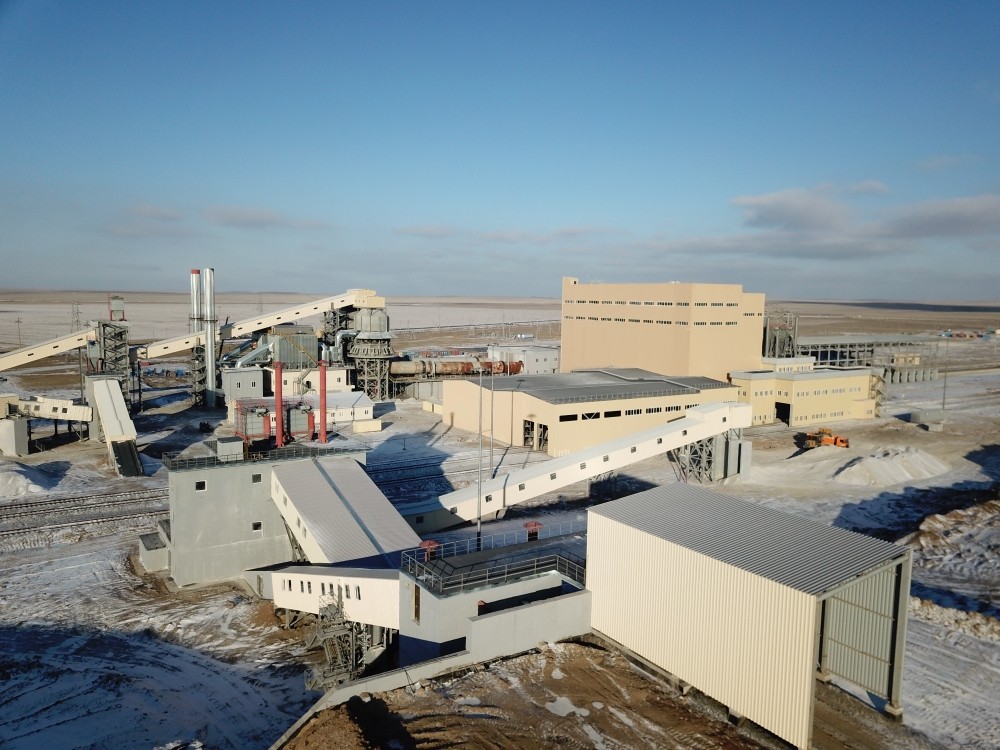
With the support of National Company, KAZAKH INVEST, Saryopan Operating company, together with the Belgian multinational company, Carmeuse Group, opened the first plant in Kazakhstan for the production of high-quality lime. The project’s cost amounted to about 30 billion tenge ($65 million) and created more than 200 permanent jobs. Bauyrzhan Aitkulov, Director of the KAZAKH INVEST Project Department, attended the opening ceremony on December 15th.

The enterprise’s production capacity in the Saryopan field, Osakarovo district, Karaganda region, will amount to 330,000 tons annually. The plant’s launch will completely replace the import of grade one lime to Kazakhstan and allow exports with added value. Access to domestic lime will increase the productivity of ferrous and non-ferrous metallurgy enterprises in the country. High-grade lime used for effective flue gas purification from CHP plants will significantly contribute to solving environmental problems in Kazakhstani cities, bringing coal plants in line with European standards.

Aitkulov said that the national company has supported the project since 2018. He stressed that the plant’s opening reflects the industry’s growth in the Karaganda region and the country’s desire for environmentally sustainable development. The enterprise will be one of the most environmentally-friendly plants in Kazakhstan. The plant was built using ESG standards, and the dust cleaning system installed at the enterprise will provide a high degree of air purification.

The Impact of the Narcotics Trade in Tajikistan

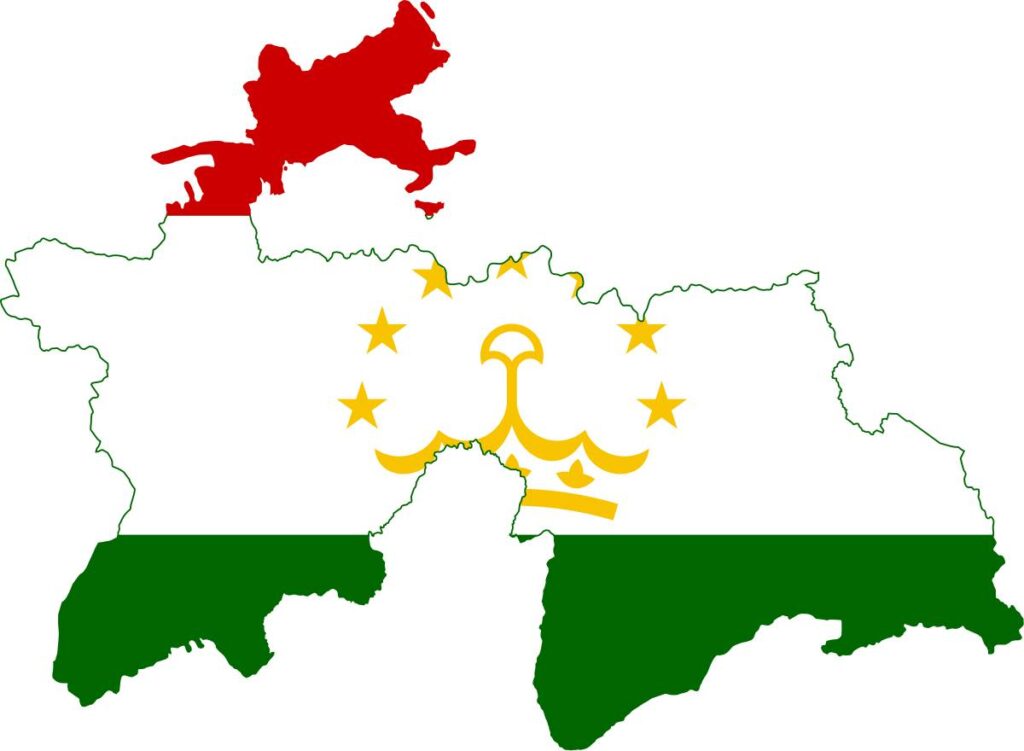
Tajikistan, a Central Asian country, finds itself at the center of a significant narcotics trade route. This landlocked nation borders Afghanistan, a country that as of 2020, accounted for over 80% of global opium production (source). This geographical positioning has led to a profound influence on Tajikistan’s social, economic, and political landscape.

The narcotics trade has a significant economic impact in Tajikistan, given its strategic location bordering Afghanistan. This illicit trade has both direct and indirect influences on the country’s economy.

According to Matthew Kahane, the UNDP head in Tajikistan, it has been estimated that the drug trade accounts for 30% to 50% of the country’s economy. Furthermore, drug trafficking through Tajikistan was estimated to generate $2.7 billion per year in 2011, potentially surpassing any legitimate source of wealth in the country.

However, this income does not contribute to the country’s overall economic development. Instead, it fosters corruption, undermines legal economic activities, and concentrates wealth in the hands of drug traffickers and corrupt officials. In addition, the narcotics trade increases the level of crime, corruption and the rich-poor divide.

Moreover, Tajikistan’s law enforcement agencies receive substantial financial and technical resources from foreign donors to aid them in the fight against drugs. However, the effectiveness of these efforts is questionable given the scale of the narcotics trade.

The narcotics trade in Tajikistan has extensive social impacts, affecting various facets of the society ranging from public health to crime rates. One of the most immediate social impacts is the rise in substance abuse, particularly among the youth. In the last ten years, there has been an increase in drug use behavior among the youth in Tajikistan, leading to serious health consequences. Heroin use, in particular, is a significant concern. It not only harms the users but also places a strain on the country’s healthcare system, which is ill-equipped to handle the rising number of addicts.

The narcotics trade has a significant political impact in Tajikistan. The illicit drug trade has reportedly corrupted parts of Tajikistan’s government. The lucrative profits from narcotics have incentivized officials at all levels to tolerate or even engage in drug trafficking. This corruption undermines the legitimacy of public institutions and erodes citizens’ trust in their government.

The narcotics trade poses a serious security threat. Non-state armed groups often use drug trafficking as a source of funding, which can destabilize the region and exacerbate conflict. In addition, the high levels of crime associated with the drug trade can lead to increased violence and social unrest. The Taliban, a dominant insurgent group in Afghanistan, is implicated in escalating narcotics trafficking in Tajikistan, a situation exacerbated by Afghanistan’s instability and corroborated by reports from the UNODC and Eurasianet.

Recognizing these challenges, international organizations and governments have developed programs to combat the narcotics trade in Tajikistan. The United Nations Office on Drugs and Crime (UNODC) has implemented several projects aimed at strengthening border control, improving the criminal justice response to drug trafficking, and promoting regional cooperation.

Furthermore, the European Union and the United States have provided funding for counter-narcotics initiatives in Tajikistan, including training for law enforcement and judicial officials, as well as community outreach programs aimed at reducing drug use.

Narcotics trafficking is a serious crime in Tajikistan. The punishment for drug smuggling can be quite severe, with jail terms ranging from 15 to 22 years according to a report by Radio Free Europe/Radio Liberty. This harsh sentencing reflects the country’s attempt to curb the high volume of illegal narcotics, particularly heroin, being smuggled through its borders, primarily from Afghanistan. The issue has become increasingly concerning, and the amount of interdicted narcotics reportedly increased by almost 69 percent year-on-year in 2021

In conclusion, while the narcotics trade presents considerable challenges to Tajikistan, it also provides opportunities for international cooperation. By working together, governments and international organizations can help to mitigate the economic, social, and political impacts of drug trafficking on Tajikistan and contribute to the country’s long-term stability and development.