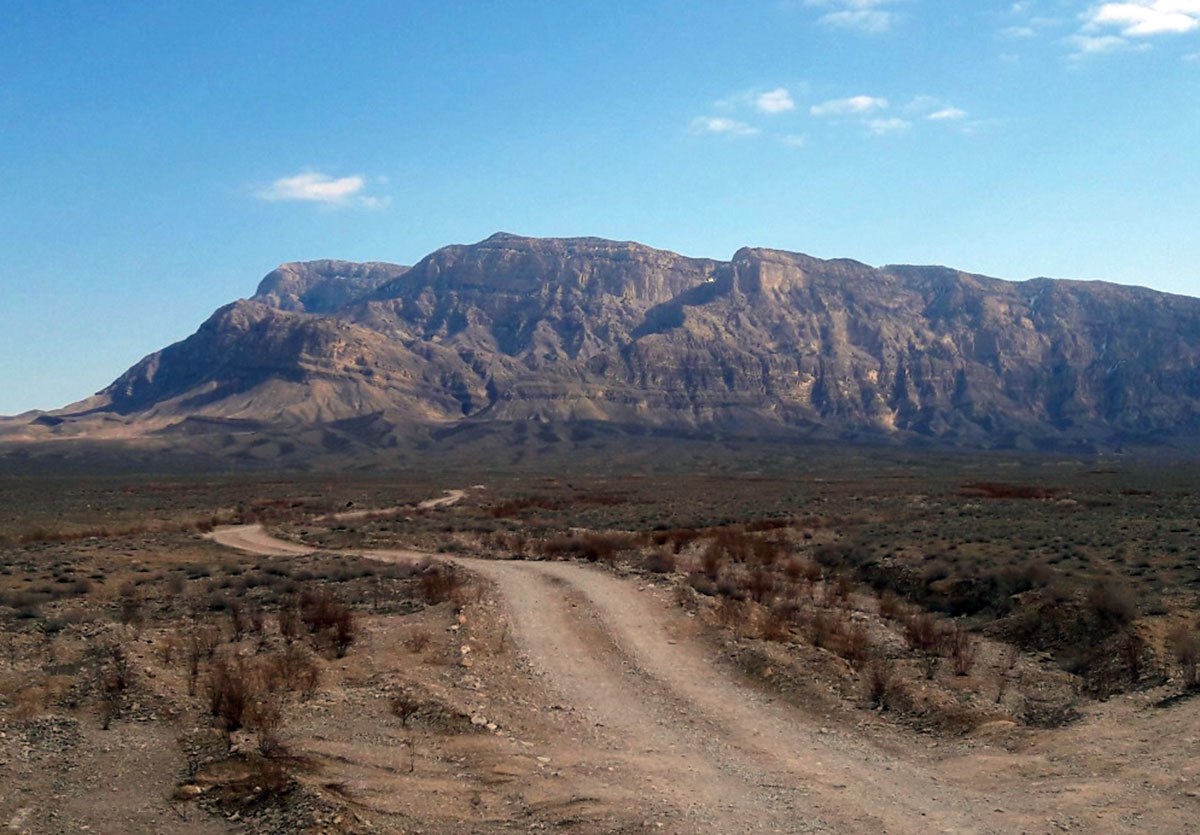
The government of Turkmenistan has announced plans to designate the Bolshoy and Maly Balkhan mountain ranges as protected areas. A new nature reserve is currently being established, with its core zone centered on Bolshoy Balkhan and additional wildlife sanctuaries to be located on Maly Balkhan and the Yuzhny Ustyurt plateau.
Ecosystem Under Pressure
Concerns about preserving the unique Balkhan ecosystem date back to the 19th century. The first official discussions arose in 1832 following Grigory Karelin’s expedition to the Caspian Sea. By 1836, cartographers had documented the eastern Caspian coastline, the ancient Amu Darya riverbed, and the Bolshoy Balkhan ridge.
Zoologists such as Mikhail Laptev (1920s-1930s) and Gheldy Shukurov (1940s) later highlighted the ecological value of this “mountain island in the desert,” a view supported by contemporary scientists who continue to stress its conservation importance.
For decades, the slopes of the Balkhans have served as seasonal pastures for small livestock from May to October. This overgrazing has degraded natural ecosystems and reduced biodiversity. The new reserve aims to reverse this trend by limiting cattle grazing to foothills and surrounding pastures.
The Natural Wealth of the Balkhans
The Balkhan region features a striking mix of desert plains and mountain-steppe terrain. Its highest peak is Mount Arlan, which rises to 1,880 meters. The area is home to two species of amphibians, 28 species of reptiles, 174 species of birds, and 45 species of mammals.
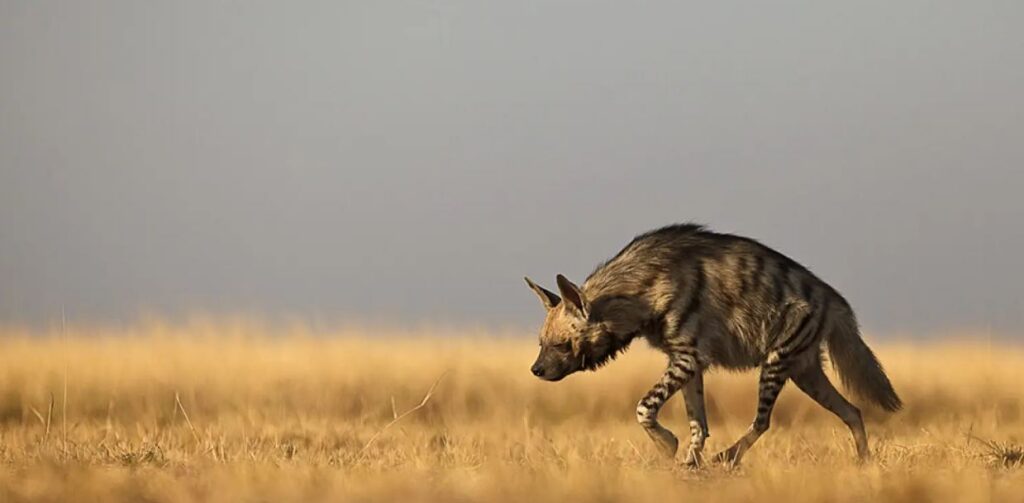
Among the most distinctive species is the gray monitor lizard, the region’s largest lizard, growing up to 1.5 meters in length. The Central Asian leopard once roamed these mountains but has since migrated to the Ustyurt Plateau. In its absence, populations of wolves and jackals have increased.
Other rare animals found in the area include the Turkmen corsac fox, manul (Pallas’s cat), banded gerbil, rock marten, and Severtsov’s jerboa.
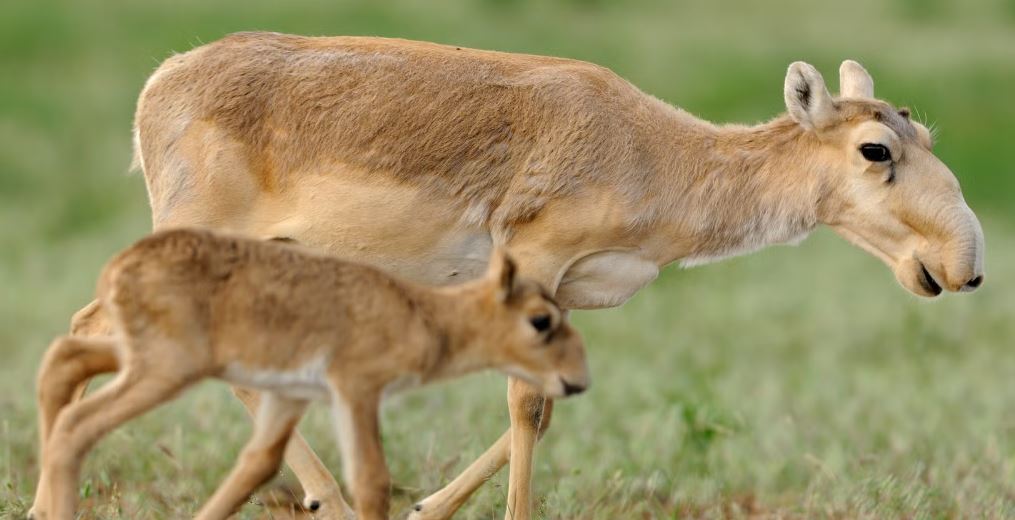
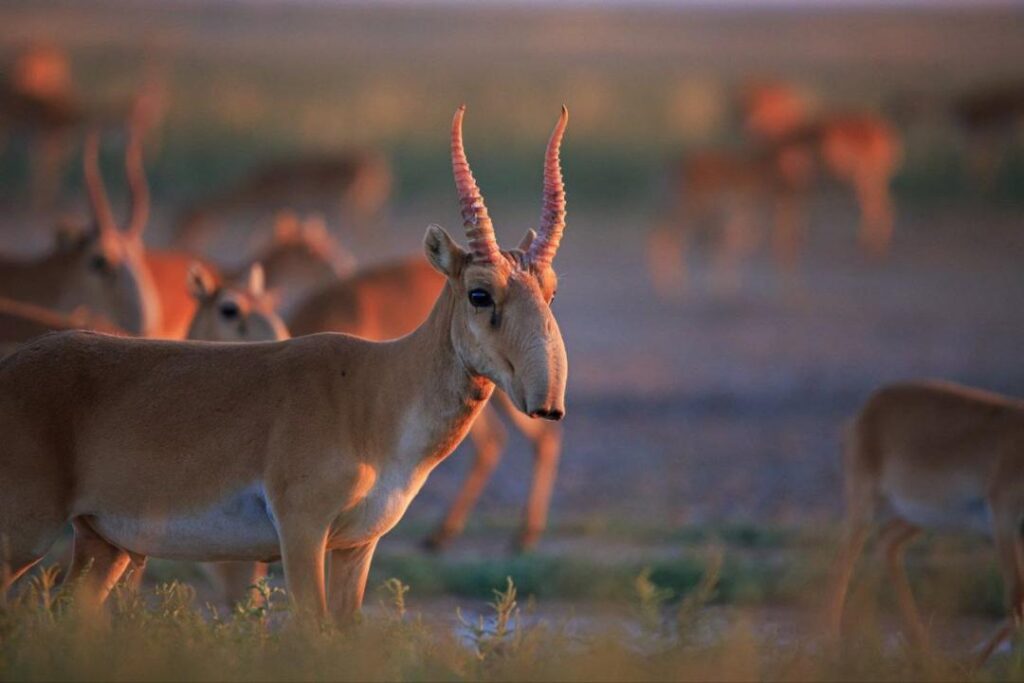
Maly Balkhan, with its unique topography and the renowned Chalsuv spring, famous for its distinctive taste, reaches a height of 780 meters. In earlier decades, saigas would migrate here from Kazakhstan during winter, though such migrations have not occurred in recent years.
Part of a Broader Conservation Push
The creation of the Balkhan Reserve is part of Turkmenistan’s National Forest Program (2021-2025). The initiative also includes preparations for establishing the Zengibaba Reserve in Dashoguz velayat and expanding the Amudarya State Reserve. Additional protected areas are planned for Lebap velayat, particularly on the Tallymerdzhen Plain, which is home to the rare sandpiper.