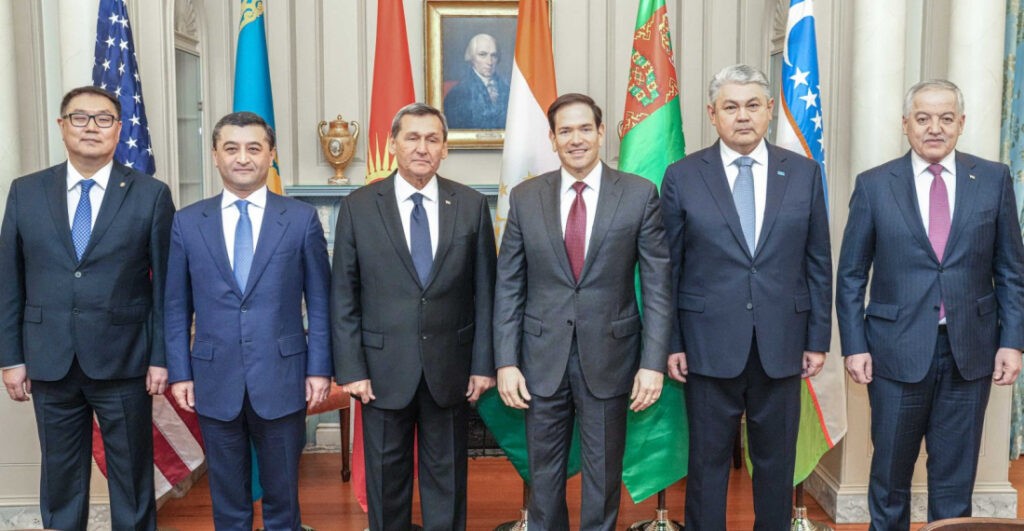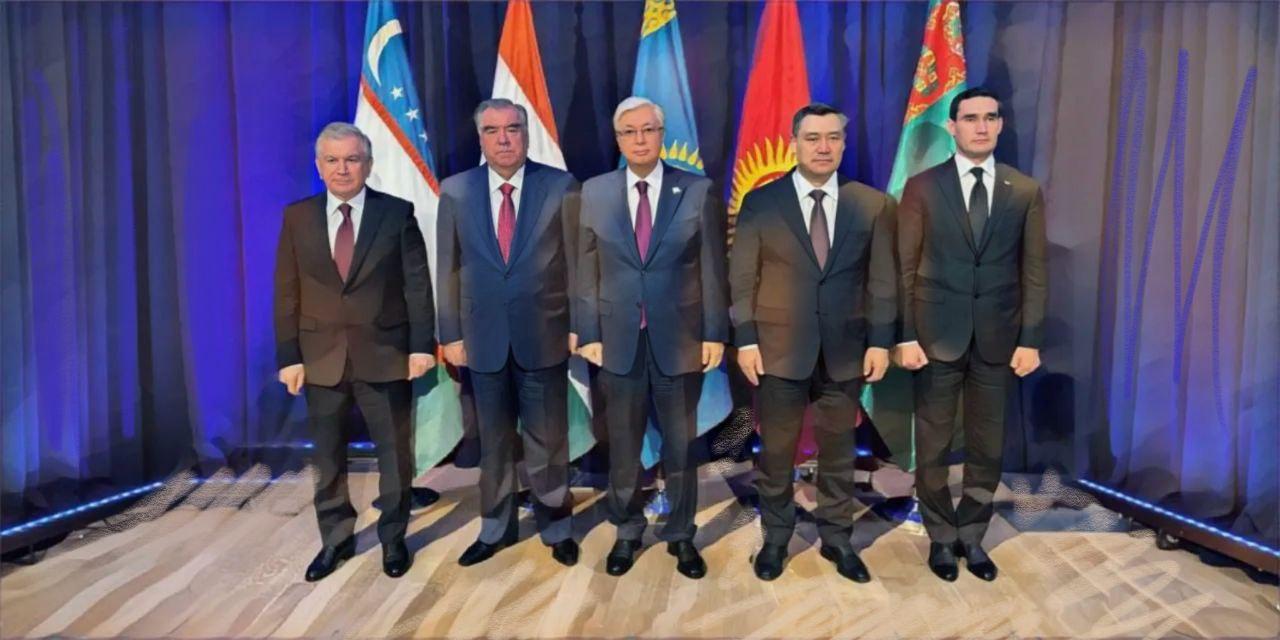
The announcement of an upcoming C5+1 summit in Washington between the United States and the Central Asian republics has taken much of the regional and U.S. political establishment by surprise.
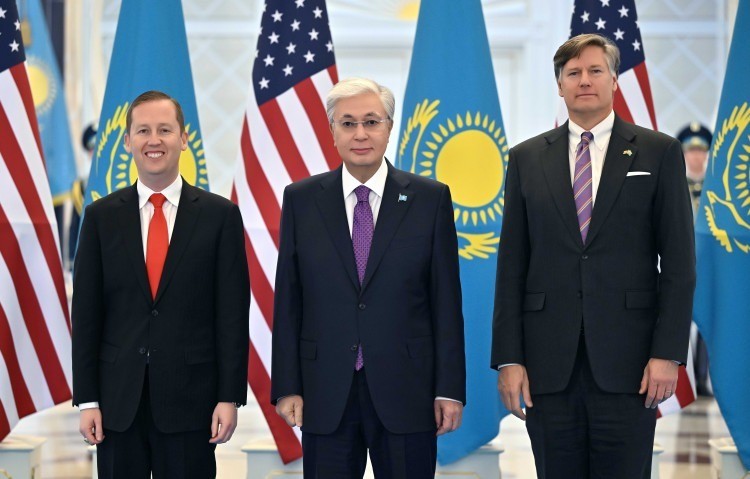
A swift visit by U.S. Special Envoy for South and Central Asia Sergio Gor and Deputy Secretary of State Christopher Landau to Uzbekistan and Kazakhstan was seemingly necessary to coordinate the summit’s agenda. Notably, Kazakhstan appears prepared to play a leading role on one of the summit’s most pressing issues.
The summit, scheduled for November 6 in Washington, was first revealed through media channels before being confirmed through official correspondence between Kazakh President Kassym-Jomart Tokayev and U.S. President Donald Trump. Uzbek media later confirmed the meeting, citing sources within the administration of President Shavkat Mirziyoyev, and this was followed by Kyrgyzstan’s President Sadyr Japarov.
It is notable that shortly after Tokayev’s correspondence with Trump became public, the Kazakh president held a phone call with Russian President Vladimir Putin. Officially, the two discussed Tokayev’s upcoming visit to Moscow. This was their second such call in less than two weeks, the previous taking place on October 14. There is speculation that the Washington summit may have been a key topic of discussion.
During meetings in Tashkent with Gor and Landau – Uzbekistan being the first stop on their tour – Mirziyoyev reportedly discussed a broad set of topics. However, the issue of “critical materials,” particularly rare earth metals, stood out. It is increasingly clear that rare earths will be a central focus of Trump’s engagement with Central Asian leaders.
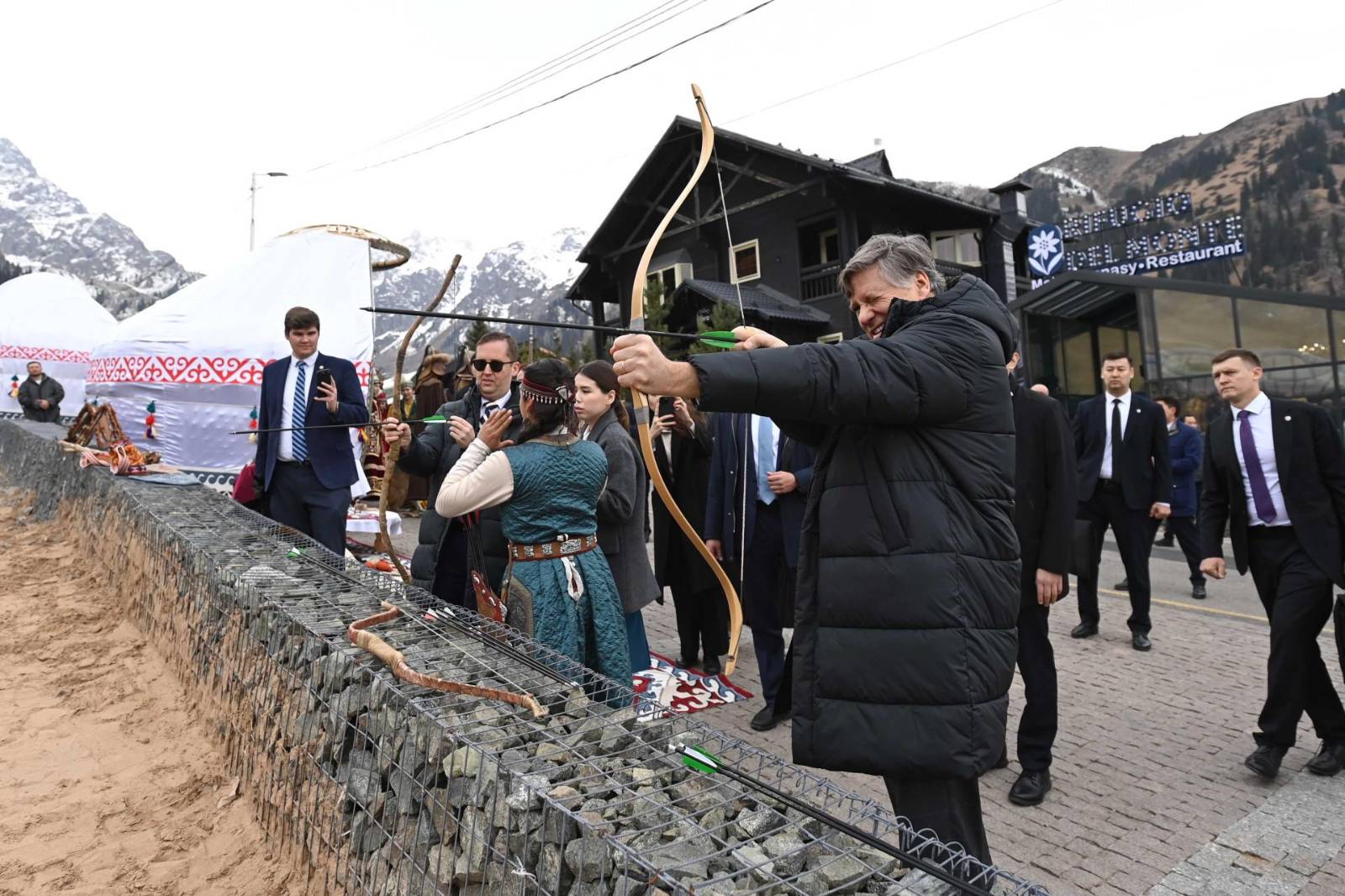
Sergio Gor and Christopher Landau at the Shymbulak ski resort in Almaty; image: Akorda
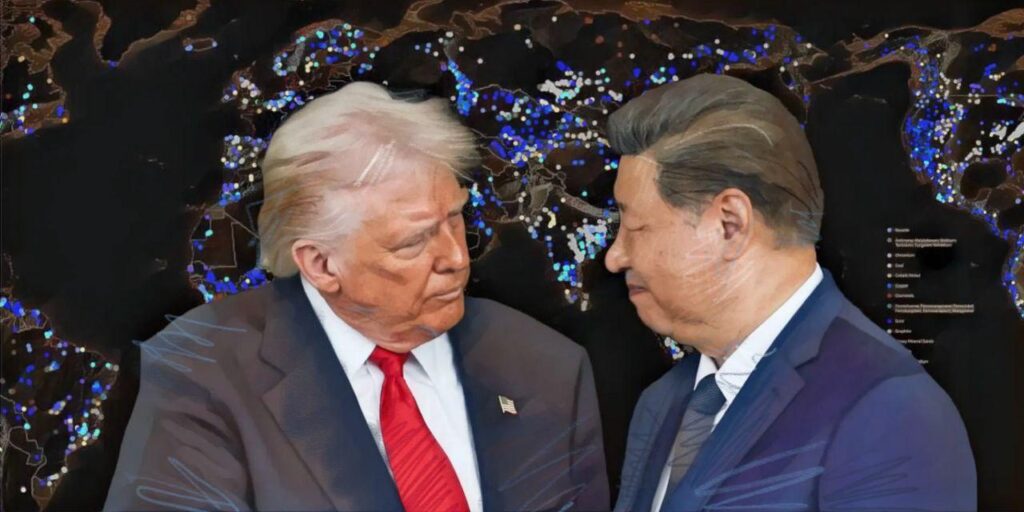
Trump has previously drawn attention for high-stakes diplomacy involving rare earth metals, including a controversial deal with Ukrainian President Volodymyr Zelensky and later discussions with Russian President Vladimir Putin in Anchorage. Most recently, during the first leg of his Asia tour, Trump met with Japanese Prime Minister Sanae Takaichi and concluded a rare earth metals agreement, despite the challenges associated with extracting these materials, which are often found underwater.
Against this backdrop, Kazakhstan appears well-positioned to take the lead in terms of rare earth elements. President Tokayev first proposed developing rare earth metal deposits in his September 2023 address, “The Economic Course of Fair Kazakhstan.” In 2024, Kazakh geologists identified 38 promising solid mineral deposits, including the Kuyrektykol site in the Karaganda region, which contains substantial reserves.
Tokayev returned to the issue in January 2025, during an extended government meeting, criticizing the cabinet for delays and emphasizing Kazakhstan’s untapped potential in rare earth extraction and processing.
In April, during the Central Asia-European Union summit, Tokayev met with European Commission President Ursula von der Leyen, who congratulated him on the discovery of a major deposit in Kazakhstan. The topic also featured at the Central Asia-Italy summit in May, where Tokayev proposed creating a regional research center to consolidate data on rare earth deposits across Central Asia. “The creation of joint ventures, technology transfer, and the localization of Italian production in the region are of practical interest and promise significant benefits for our countries,” Tokayev stated.
Most recently, in his September 8 State of the Nation address, Tokayev outlined concrete targets, instructing the government to launch at least three enterprises within three years to produce high-tech goods using critical materials.
“Given global trends, rare earth metals and other critical materials are becoming particularly important. In this area, Kazakhstan has all the opportunities to firmly integrate into global production and trade chains,” he said.
If President Trump is seeking the “deal of the century” on rare earths, Kazakhstan appears more than ready to make its pitch.
The upcoming C5+1 summit represents more than a diplomatic gathering – it is emerging as a stage for a wider strategic realignment. With Washington seeking to secure critical materials and diversify supply chains away from geopolitical rivals, and Central Asian states eager to attract investment while balancing relations with Moscow and Beijing, the meeting could redefine regional partnerships. Whether the talks yield substantive agreements or remain largely symbolic, the fact that rare earths now sit at the heart of U.S.–Central Asian dialogue signals a new era of resource diplomacy in Eurasia – one in which Kazakhstan, and potentially its neighbors, stand to play an outsized role.
See our complete special coverage of the developments strengthening Central Asia’s role in U.S. mineral supply chains.