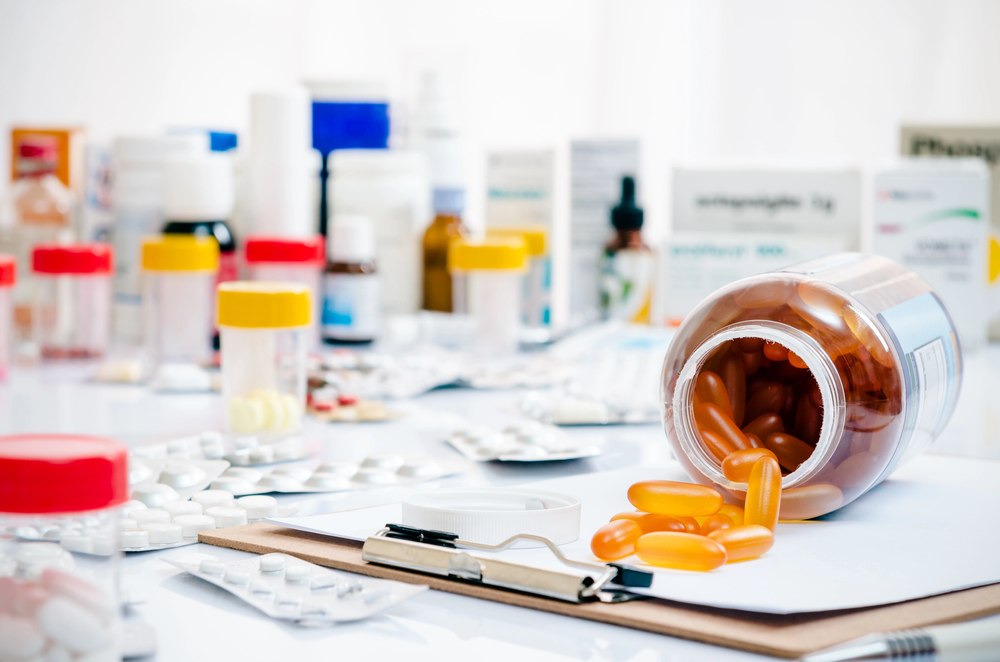
Families affected by Uzbekistan’s Dok-1 Max poisoning scandal are still owed most of the 78 billion soums awarded in compensation, more than two years after the court verdict, according to the Bureau of Compulsory Enforcement.
The case dates back to late 2022, when children across Uzbekistan fell ill after taking contaminated cold medicines, including Dok-1 Max, manufactured by the Indian pharmaceutical company Marion Biotech. Laboratory tests confirmed that samples of Dok-1 Max and another syrup, Ambronol, contained dangerous levels of diethylene glycol and/or ethylene glycol, toxic substances that can cause severe kidney damage and death. By February 2024, the medicines had been linked to the deaths of 68 children.
On February 26, 2024, a court in Tashkent sentenced 23 defendants in connection with the scandal, including pharmaceutical executives and officials responsible for drug testing and regulation. Sardor Kariyev, a former head of Uzbekistan’s pharmaceutical development agency and state drug testing center, received an 18-year prison sentence. Singh Raghvendra Pratap, director of Quramax Medical, the company that imported the medicines into Uzbekistan, was sentenced to 20 years.
An investigation by the country’s Anti-Corruption Agency identified failures in drug registration, certification, and oversight that had created opportunities for corruption.
The issue of unpaid compensation has resurfaced following complaints on social media that payments had stopped. In a statement reported on October 7, the bureau said it was continuing efforts to recover money from Kariyev and other convicted defendants.
Enforcement officers seized Kariyev’s properties in Tashkent. A nonresidential building on Furqat Street was sold at an electronic auction for 793 million soums (about $67,000). Residential properties in the Chilanzar district, valued at a combined 7.1 billion soums (about $601,000), remain up for auction.
According to the bureau, proceeds from the property sale, together with money paid by Kariyev’s relatives, have enabled the distribution of 16.7 billion soums ($1.41 million) to the claimants. The recovered funds were divided equally among them.
That leaves 61.3 billion soums (about $5.19 million) outstanding. The bureau has given no indication of when the families might receive the remaining compensation.