Like some Central Asian neighbors, Uzbekistan is urgently reviewing possible changes to some trade routes because of conflict in the Middle East, even though that could entail sharply higher transport costs. The contingency planning follows a surge in trade talks between officials from Iran and countries in Central Asia earlier this year, prior to the intense strikes that Israel and Iran launched at each other this month.
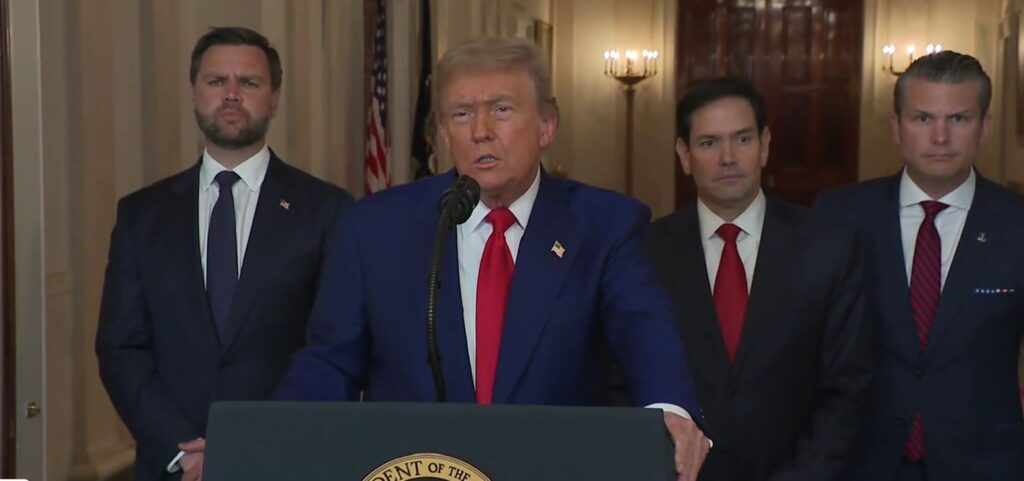
A ceasefire between Israel and Iran appeared to be holding on Wednesday, but questions remain about Iran’s ability to build a nuclear bomb even after the U.S. attacked Iranian nuclear sites. U.S. President Donald Trump said the sites were “obliterated,” but, according to some Western media organizations, a preliminary U.S. intelligence report concluded that the U.S. attacks may have only set back Iran’s nuclear program by months. A June 25 statement by the Central Intelligence Agency says that “Iran’s nuclear program has been severely damaged by the recent, targeted strikes.”
Against this murky backdrop, and the partial uncertainty over Central Asia’s extensive web of trade links, Uzbekistan is reviewing transport and logistics arrangements to keep its economy and connections with international partners running as smoothly as possible. Uzbek President Shavkat Mirziyoyev discussed options with key advisers at a meeting on Monday.
“The military actions that have taken place in the Middle East in recent days have further aggravated the already unstable situation. This cannot but affect Uzbekistan’s foreign economic relations and access to world markets,” Uzbekistan’s presidential office said.
“In particular, the need to diversify export routes and redirect cargo to other, safer ports was noted. According to preliminary estimates, this could lead to an increase in transportation costs by up to 30%. In this regard, instructions were given to coordinate alternative routes with partner countries and support export-oriented enterprises,” the presidency said.
It said the trade and transport ministers, as well as other key officials, have been instructed to help business groups with export-import operations and finding new sales markets. Maintaining price stability in the domestic market and sustainable production rates are also key concerns.
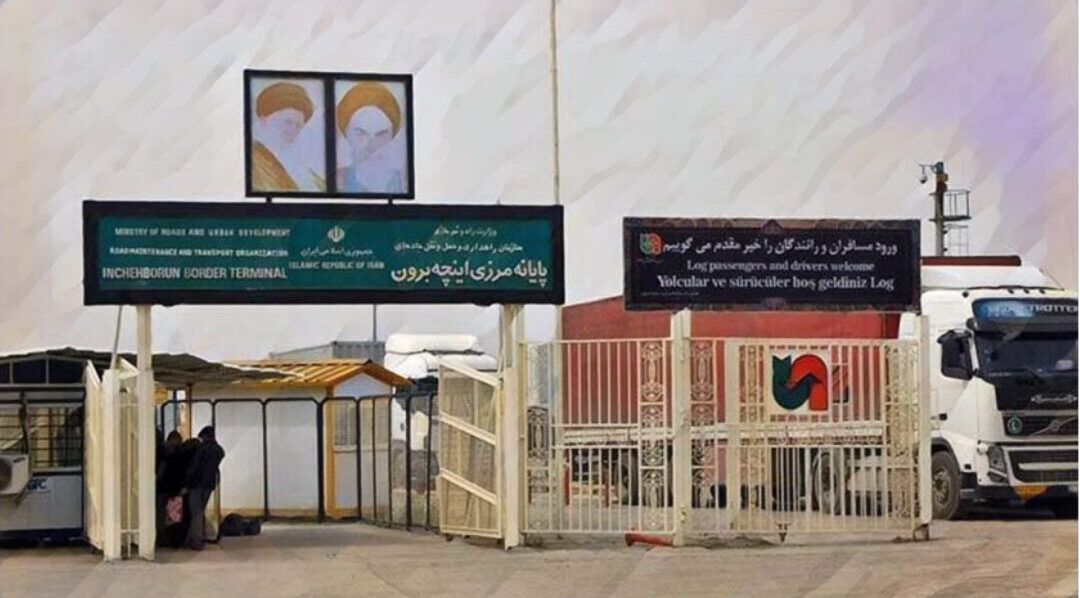
Last month, Uzbek and Iranian officials met in Tehran and agreed to expand trade between their countries to an annual $2 billion, four times the current amount. Iranian ports offer Central Asian exporters access to the Indian Ocean and international markets beyond.
“The five Central Asian republics — Kazakhstan, Uzbekistan, Turkmenistan, Tajikistan and Kyrgyzstan — are increasingly seeking alternatives to the traditional transit routes that have tied them to Moscow or made them dependent on Chinese infrastructure,” said a commentary posted by the Begin-Sadat Center for Strategic Studies, an Israel-based group that studies Mideast security and foreign policy.
“Iran offers an appealing option: a gateway to the Persian Gulf and Indian Ocean, access to European markets via Turkey, and industrial and technological partnerships that diversify the region’s economic relationships,” said the analysis, which was published on June 4, shortly before the recent round of fighting between Israel and Iran.
Officials in Kazakhstan have warned of disruption to southern logistics routes, specifically a railway that runs from Kazakhstan through Turkmenistan and into Iran. But Economy Minister Serik Zhumangarin has said contingencies are available and that it’s too early to say how the situation will evolve.
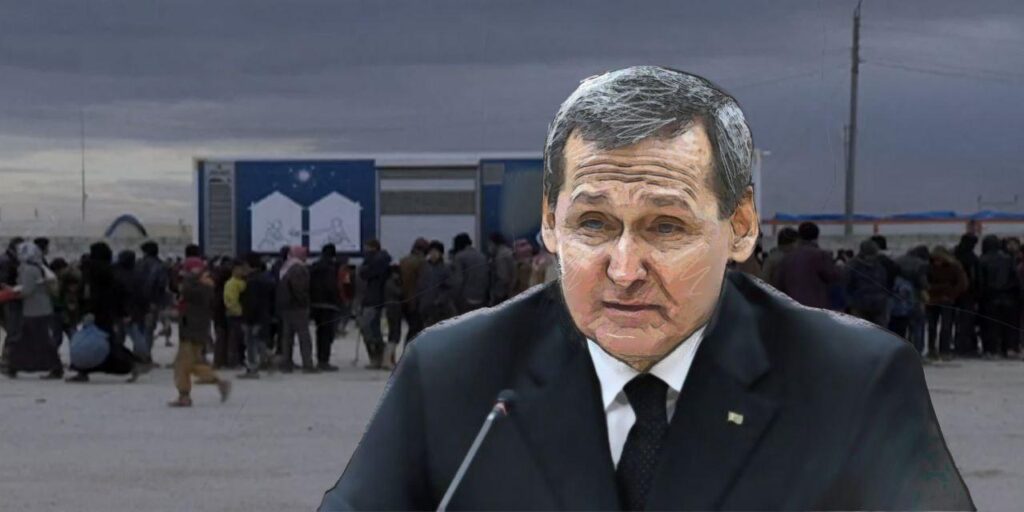
Turkmenistan shares a border with Iran and its gas export plans could face challenges from protracted uncertainty in the region.