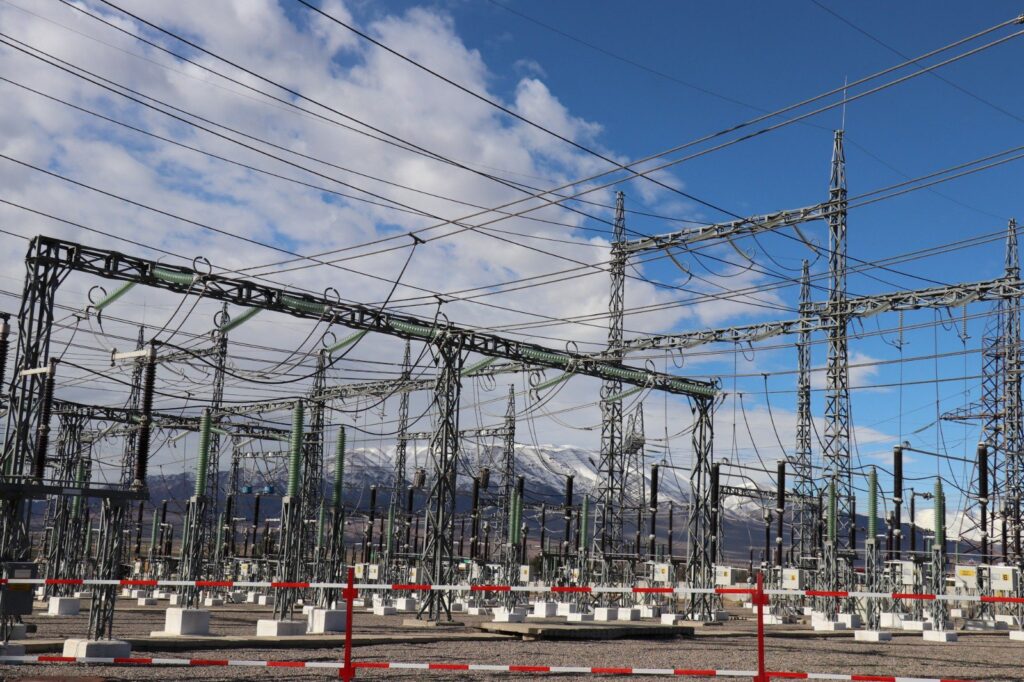
Kyrgyzstan’s Cabinet of Ministers has implemented a series of measures aimed at improving energy efficiency and ensuring the rational use of electricity. The move comes amid an electricity shortage caused by persistently low water levels in the country’s main reservoirs.
What’s Happening?
Officials have reported a record surge in electricity consumption this year, coupled with a continuing regional drought. In response, the government has ordered a restriction on indoor and outdoor lighting between 6p.m. and 6a.m.
However, the Cabinet emphasized that the new measures will not apply to strategic facilities, 24-hour operations, or institutions responsible for defense, security, health care, social services, or other critical public functions.
“These measures do not affect processes essential to the technological operation of buildings,” stated the government’s press service.
According to official estimates, the restrictions could save approximately 40 million kilowatt-hours of electricity per month.
This year, Kyrgyzstan has already recorded electricity consumption that exceeds last year’s figures by 1 billion kilowatt-hours.
The government attributes the increased demand to the launch of new industrial enterprises, the expansion of social and educational institutions, and ongoing residential construction.
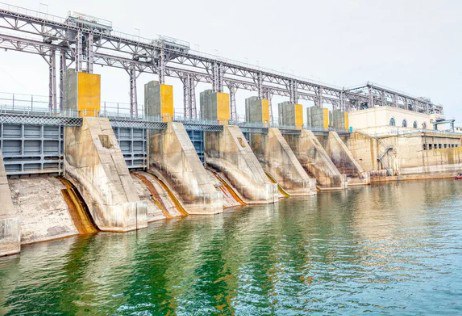
The situation is further worsened by declining water inflow to the Naryn River, which feeds the Toktogul Reservoir and its namesake hydroelectric plant. The reservoir’s water level is currently 2 billion cubic meters lower than it was during the same period last year.
“The Cabinet’s primary objective is to ensure rational water use in the Toktogul Reservoir and reduce the load on the energy system,” the government said. The goal is to prevent the reservoir from reaching a critical low.
Who Will Be Responsible?
The Ministry of Energy has mandated that all government agencies and state-owned entities switch off power in the evenings and at night once staff have left their workplaces. Heads of municipal bodies and public institutions will bear personal responsibility for any violations of the new regulations.
How Are Residents Responding?
For now, residents in the private sector report that little has changed. However, there are growing concerns that household power limits may soon be tightened.
“They say our electricity consumption will be restricted. It used to be capped at 5 kilowatts at a time, but now they’re talking about reducing it to 3. That would make things much harder, especially if it’s a cold winter,” said Alexander Verkholantsev, a resident of central Bishkek, who spoke with The Times of Central Asia.
Authorities have already announced that electricity restrictions for residential consumers during peak hours will be in place from October 2025 through March 2026. Despite this, many households still exceed the 3-kilowatt threshold.