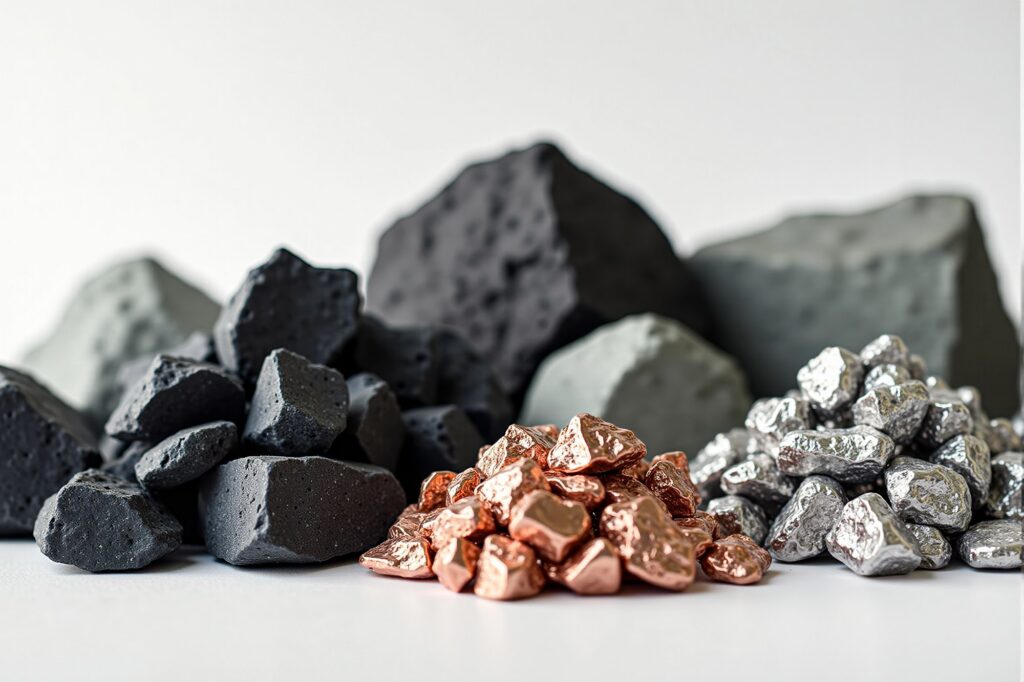
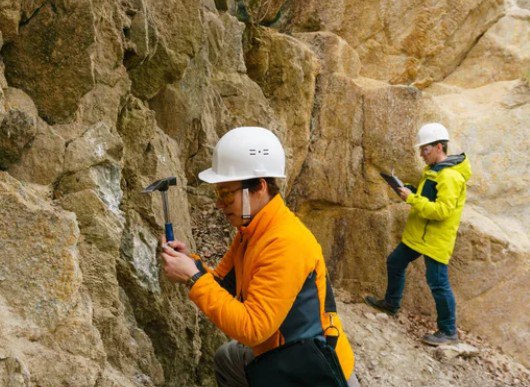
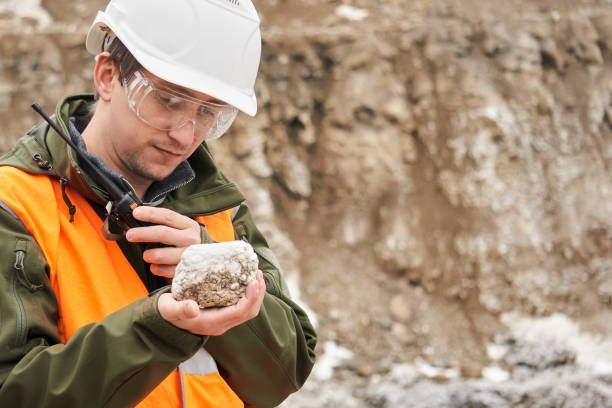
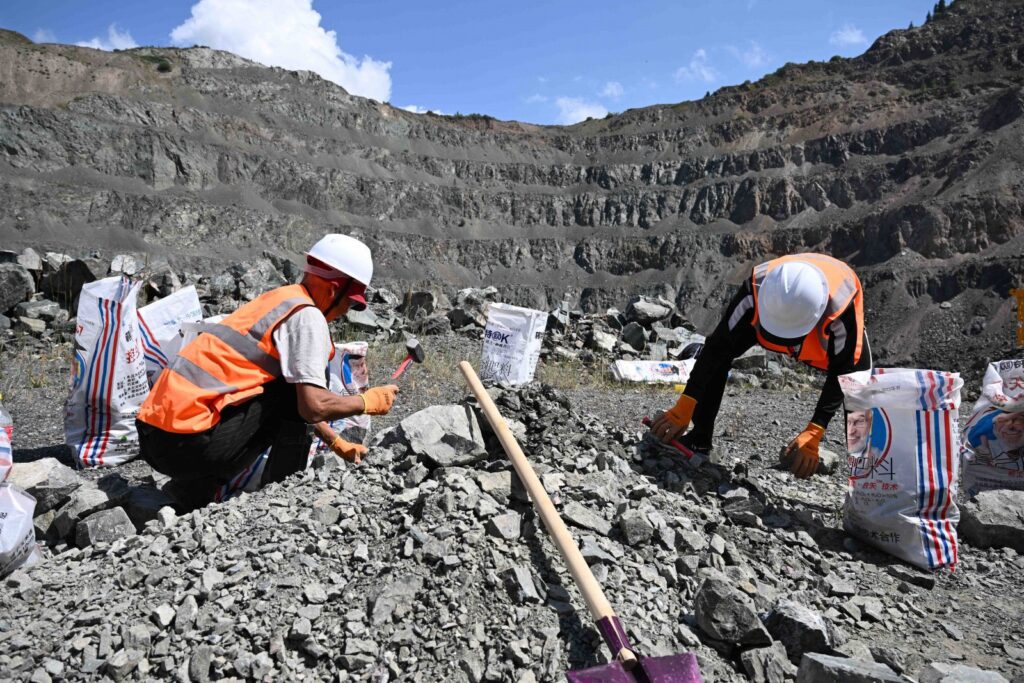
Investments in geological exploration in Kazakhstan surpassed $150 million during the first nine months of 2025, Deputy Minister of Energy Kayirkhan Tutkyshbaev announced at a recent government meeting. The exploration efforts led to the registration of five new deposits, boosting the country’s proven reserves of gold, copper, manganese, and phosphorites.
Tutkyshbaev noted that geological exploration projects attracted approximately $285 million in 2023 and $304 million in 2024. “By the end of this year, the volume of investment is expected to be no less than in previous years,” he stated.
According to the Ministry of Energy, Kazakhstan currently has 324 active hydrocarbon subsoil use contracts: 15 for exploration, 170 for combined exploration and production, 131 for production, and 8 production sharing agreements (PSAs).
Deputy Minister of Industry and Construction Iran Sharhan reported that five deposits, Kok-Zhon, Altyn-Shoko, Samombet, Student, and Takyr-Kaljir, have been newly registered. These discoveries have added an estimated 98 tons of gold, 36,000 tons of copper, 11 million tons of manganese, and 1.3 million tons of phosphorites to the country’s reserves.
“To date, 2.1 million square kilometers have been explored, and by the end of the year, this figure will reach 2.3 million,” Sharhan said. He added that the next phase involves more detailed studies to identify promising areas earlier in the exploration process.
From 2026 to 2028, the government plans to explore an additional 100,000 square kilometers, followed by 30,000 square kilometers annually. Next year, 44.4 billion tenge (approximately $84 million) is allocated for comprehensive geological and geophysical research, seismic exploration, and the development of industry infrastructure.
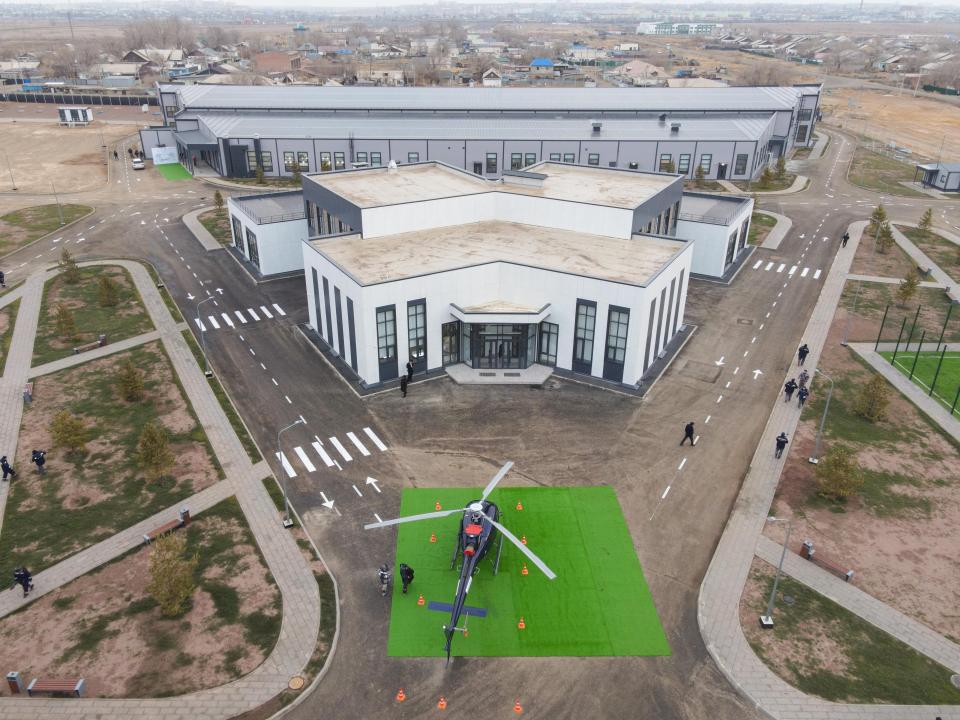
Prime Minister Olzhas Bektenov has directed the construction of a modern geo-laboratory in Astana, scheduled to begin in 2026, to support mineral-geochemical and analytical research. He also ordered the establishment of a National Digital Geological Information Fund, which will consolidate more than 5 million pieces of primary geological data collected over the past 80 years.
Currently, 83% of this archive, around 3.8 million records, has been digitized. The digitization rate is expected to reach 97.5% by the end of 2025, with full digital transition projected by the end of 2026.
Separately, The Times of Central Asia recently reported that new geological surveys at Kuirektykol, the country’s largest, rare earth metal deposit located in the Karaganda region, have revealed significantly higher reserves than previously estimated.