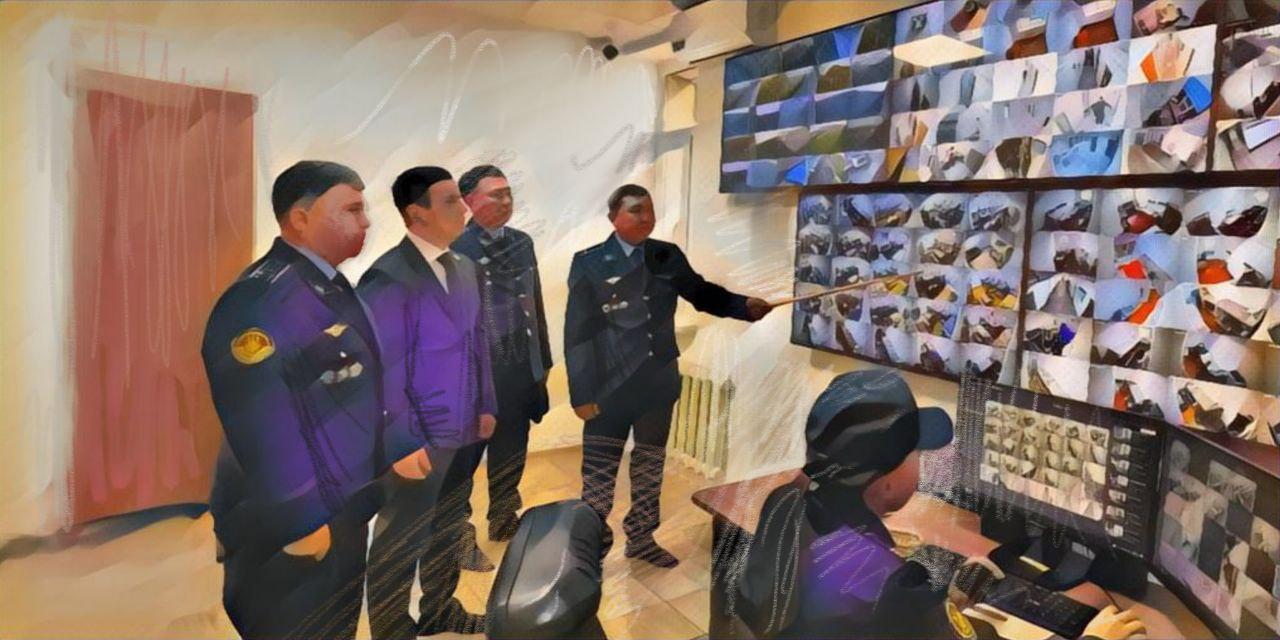
President Kassym-Jomart Tokayev has announced a major reform of Kazakhstan’s law enforcement system, signaling a new phase in his broader political modernization agenda. Experts view the initiative as a natural progression of his previous institutional reforms.
Crime Rates Decline, But Challenges Remain
At an expanded meeting of law enforcement agencies on June 23, President Tokayev tasked his administration and the Security Council with conducting a comprehensive analysis of the sector within one week. The resulting report is expected to openly identify shortcomings and offer targeted solutions.
Tokayev noted that since 2019, Kazakhstan’s streets have become “calmer and safer.” Overall, criminal offenses have nearly halved. Robberies, thefts, and hooliganism have decreased fourfold, and the murder rate has dropped by 30%. Crimes in public places have declined by 80%.
The president also highlighted progress in combating domestic violence. A 2024 law introduced harsher penalties, contributing to a 30% decrease in crimes against women and children in 2025. Over five years, crimes violating women’s rights have halved.
“The most important thing is that public awareness is changing. Our citizens show zero tolerance for cruelty and tyranny in the family. Victims of aggression and violence receive the necessary support,” Tokayev said.
Law enforcement agencies also intensified operations against drug-related crime this year. Eighty-three drug laboratories were dismantled, and drug seizures rose by 84%. Sentences for narcotics production have been strengthened, including the possibility of life imprisonment. Despite progress, Tokayev acknowledged persistent gaps that pose risks to national security.
Economic Transparency and Anti-Corruption Measures
The share of the shadow economy has declined from 23% of GDP in 2019 to 16%. While the figure remains high, Tokayev emphasized that the government continues to support law-abiding entrepreneurs while addressing unjustified criminal prosecutions of domestic businesses.
The president also underscored that the General Prosecutor’s Office is monitoring hundreds of infrastructure projects involving foreign investment, totaling 34 trillion tenge ($66 million).
Anti-corruption efforts remain a cornerstone of Tokayev’s agenda. Court-ordered funds confiscated from corrupt officials have financed public infrastructure: over the past three years, 150 billion tenge have been allocated to build 89 schools.
Amnesty and Penal Reform
In honor of the 30th anniversary of Kazakhstan’s Constitution, Tokayev announced an amnesty for more than 15,000 inmates. The clemency applies primarily to women, minors, and the elderly. Excluded are those convicted of corruption, terrorism, extremism, sexual crimes against minors, and other grave offenses.
Tokayev noted several recent judicial reforms, including the creation of a Constitutional Court, expanded powers for the human rights commissioner, and the abolition of the death penalty.
The president also advocated for adopting international best practices in rehabilitating convicts. “Their return to normal life will be the best proof of the success of prison reform,” he said, citing international models where inmates can earn “credits” toward early release through good behavior, education, and participation in cultural and athletic programs.
Tokayev called on local entrepreneurs to open production facilities in correctional institutions. “Such mutually beneficial partnerships are widespread abroad. The money earned will allow convicts to get back on their feet after release, and the skills they acquire will help them find decent jobs,” he stated.
A Broader Vision for Reform
Political analyst Marat Shibutov sees the reform of law enforcement as a logical next step in Tokayev’s phased approach to systemic change.
“First, the political system becomes more just, then the social support system, then the asset acquisition system, and now it has reached the law enforcement services,” Shibutov explained. He anticipates judicial reform will follow.
Shibutov emphasized that Tokayev consistently addresses the importance of legal culture. “No matter what progress is made, economic, digital, or technological, if laws are not respected, everything else loses meaning. This responsibility lies with every citizen. You can’t assign a police officer to everyone,” he said.
Shibutov also cited Tokayev’s view that Kazakhstan’s foundational moral values, often passed down through families and rooted in its rich historical traditions, remain crucial to building a just society.