In 2025, Kyrgyzstan significantly broadened the scope of its agricultural exports, entering several new international markets for both raw and processed products.
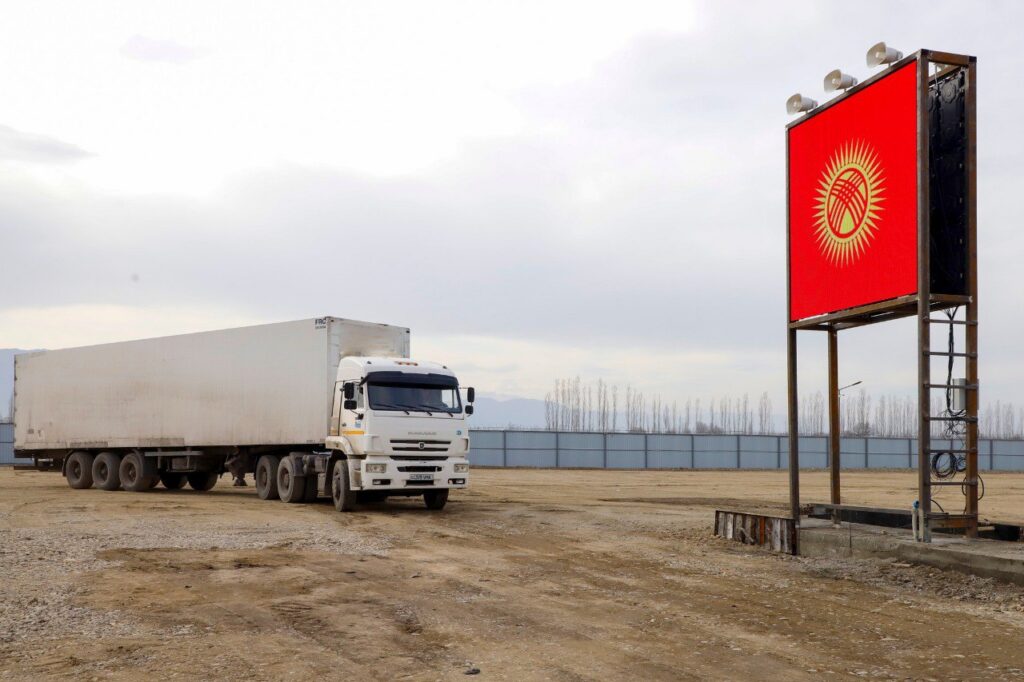
According to the Ministry of Water Resources, Agriculture, and Processing Industry, efforts are actively underway to boost exports to China. To date, eight bilateral protocols have been signed with Chinese authorities, covering the export of Kyrgyz wool, cashmere, beans, poultry meat and by-products, as well as three protocols related to heat-treated meat and raw hides. Exports of dried fruits have already begun, with the first shipment of 23 tons of dried apricots delivered to China. Preparations are also in progress for the export of wine, vegetable oil, and vegetables.
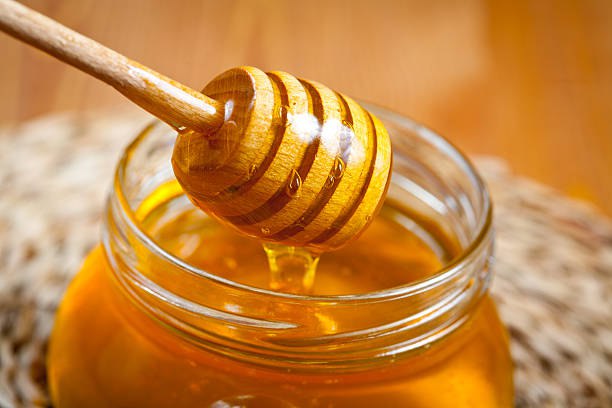
Simultaneously, Kyrgyz authorities are working to secure approval for honey exports to the European Union. In a notable milestone, 298 kg of Kyrgyz honey was exported to the United Kingdom for the first time.
Export diversification is also extending into the Middle East. In 2025, 144 horses were shipped from Kyrgyzstan to Saudi Arabia.
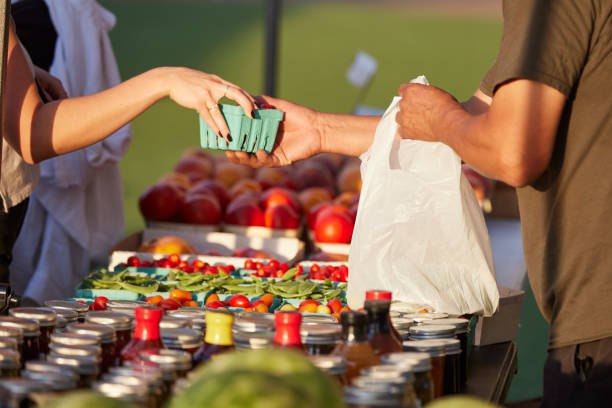
Kyrgyz products have also entered the digital marketplace. Dried fruit, honey, and other processed goods are now available on Russia’s Wildberries online platform, creating new opportunities for e-commerce exports.
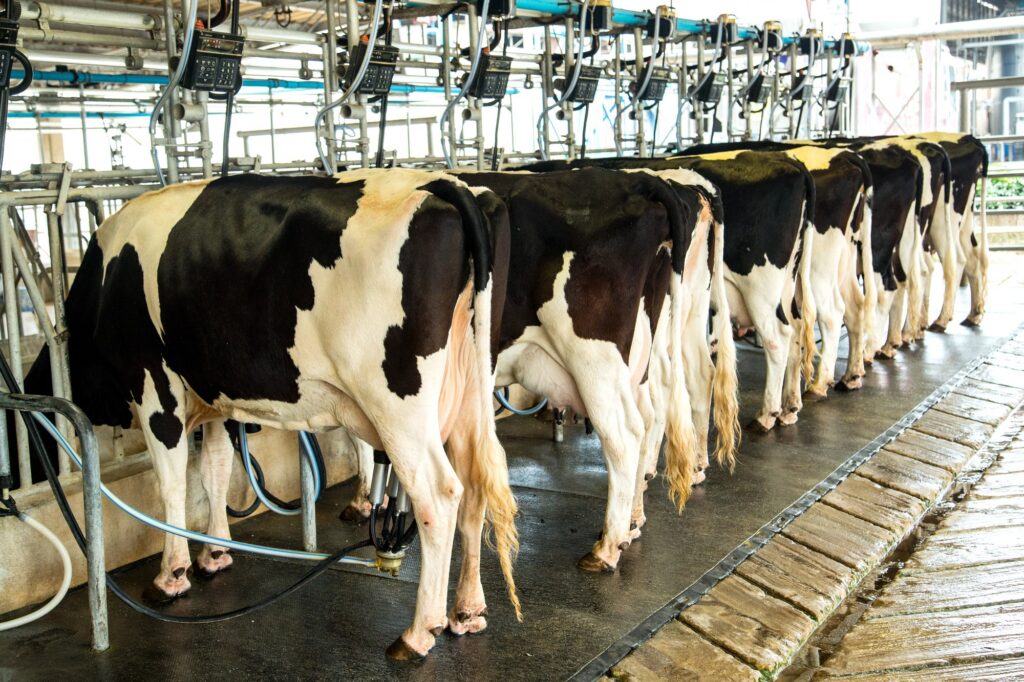
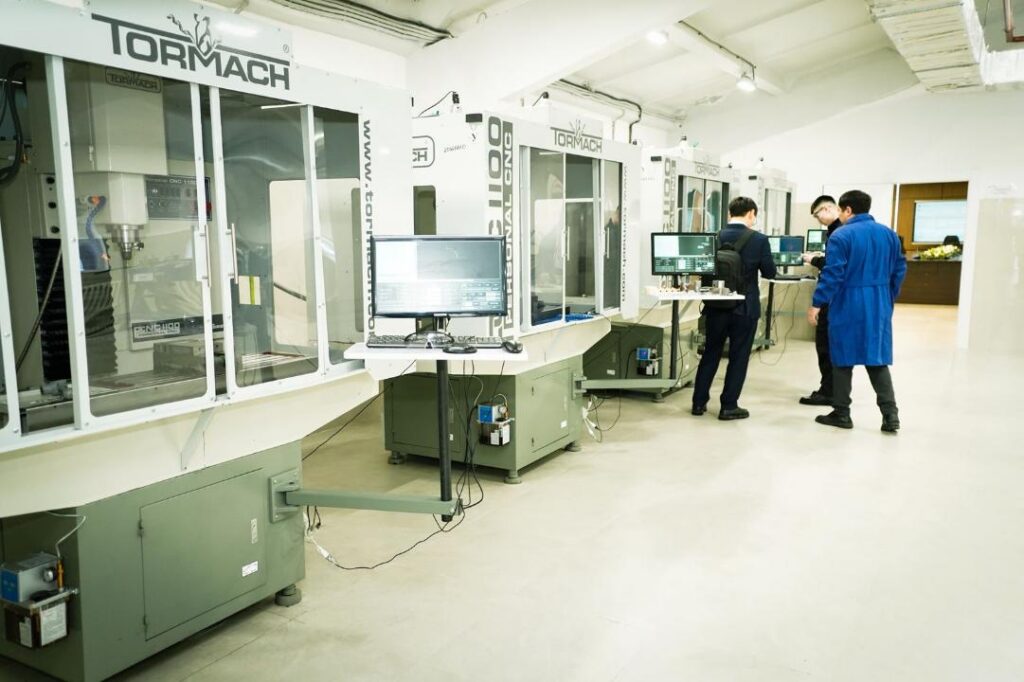
To support these efforts, 63 agricultural processing facilities were launched in 2025. These enterprises specialize in processing grain, fruit, berries, vegetables, milk, meat, fish, wool, and oilseeds, and many are integrated into trade and logistics centers.
Looking ahead, Kyrgyzstan plans to build 385 agricultural processing facilities by 2030. This expansion would enable the country to process up to 25% of its total agricultural output domestically, increasing the added value of exported goods.
On December 30, Chairman of the Cabinet of Ministers Adylbek Kasymaliev approved the Cabinet’s Action Plan through 2030. The plan includes initiatives such as the creation of full-cycle livestock farms using feedlot technology, the expansion of organic farming to 202,000 hectares by 2029, support for domestic producers in meeting international quality standards, and the construction of agro-logistics centers to streamline consolidation and export of agricultural products.