Kyrgyzstan plans to curb rising prices by importing livestock and grain, subsidizing fuel, and increasing domestic food production. The draft plan for 2026-2027 comes after annual inflation reached 12% in August, alongside double-digit economic growth.
The Ministry of Economy and Commerce published details of the draft plan on September 21. In 2027, the government aims to keep inflation within 7.7-8.5%. Without additional measures, the ministry estimates that inflation could reach 8.7-9.5% in 2027 because of global prices, external shocks, and supply disruptions.
Annual inflation had already reached 11.5% in July, up from 11% a month earlier, before rising to 12% in August, according to the National Statistical Committee. The medium-term target of the National Bank of the Kyrgyz Republic, the country’s central bank, is 5-7%.
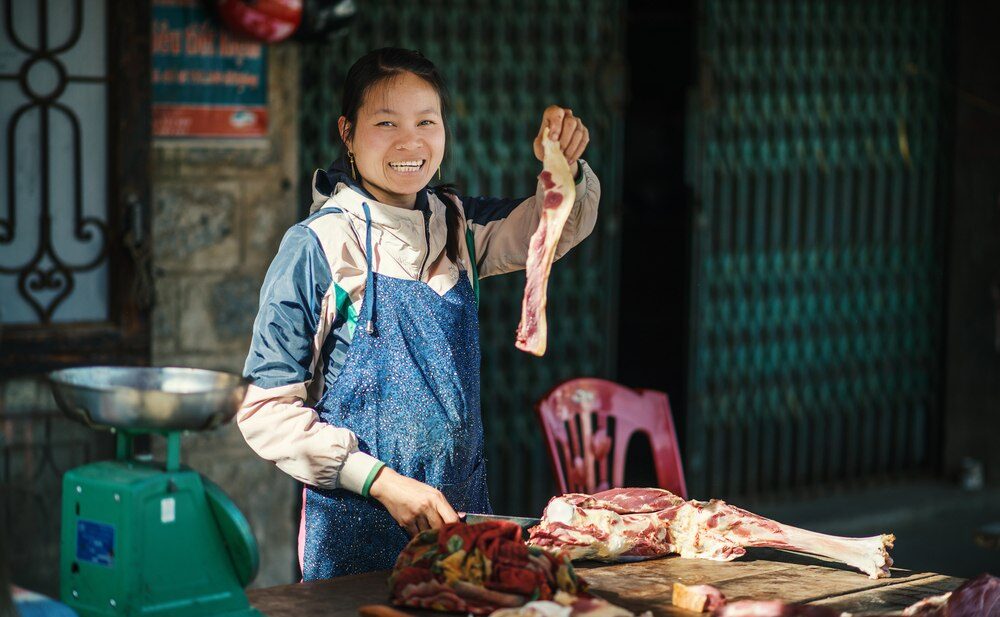
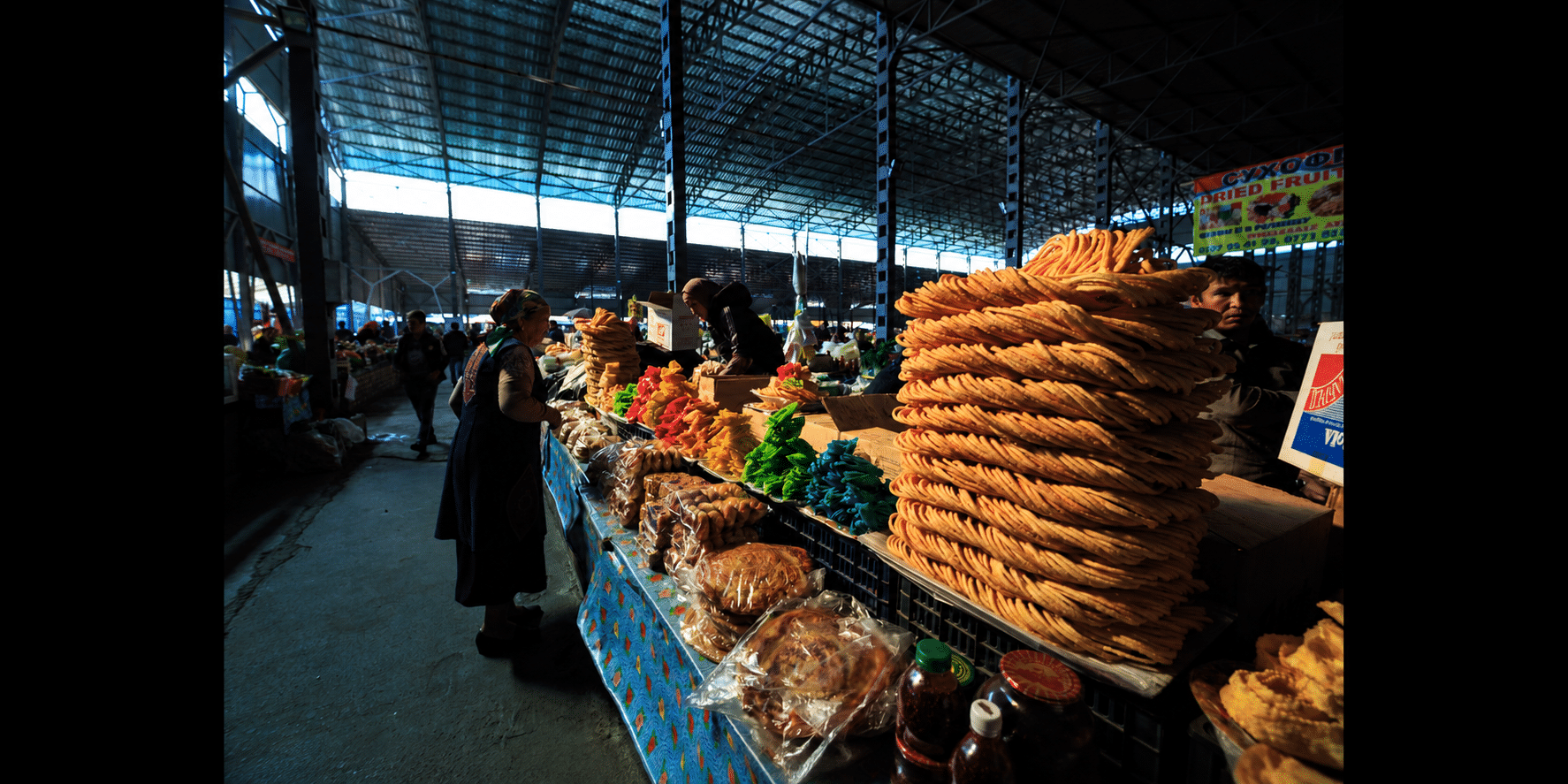
Much of the plan focuses on food. The state-owned Kyrgyz Agroholding is expected to import at least 20,000 head of cattle from Kazakhstan, Belarus, and Russia, adding at least 2,700 tons of meat to the domestic market. After prices rose in 2025, the authorities imposed limits on the cost of certain types of meat and temporarily banned livestock exports.
The draft calls for the construction of four large poultry complexes and 200 livestock facilities with a combined capacity for 10,000 animals. Kyrgyz Agroholding is expected to open 100 direct-sales outlets for meat and agricultural products. The area planted with corn and oilseed crops would be expanded, while 11 trade and logistics centers would be built to store agricultural produce.
The draft also calls for flour mills to import 700,000 tons of wheat from Russia and Kazakhstan. The ministry says the imports are intended to ensure that domestic wheat demand is fully covered.
The government is also subsidizing fuel. Kyrgyzstan remains heavily dependent on imported petroleum products, with Russia supplying more than 90% of its imported gasoline, meaning higher import costs quickly feed into transportation, food, and service prices. The state compensates importers for part of the difference between purchase costs and regulated retail prices. The subsidies have been extended through December 31, 2026.
In Bishkek and the Chuy region, agreed maximum retail prices are 87.9 soms per liter for AI-92 gasoline, about $1; 99.9 soms for diesel; and 48.8 soms for liquefied petroleum gas. Prices are capped at slightly higher levels elsewhere in the country. Without compensation, AI-92 would cost an estimated 111-118 soms per liter and diesel 125-137 soms. A one-year moratorium on increases in a number of regulated tariffs and payments for the population has also been in effect since July 24.
High inflation persists alongside rapid economic growth. First Deputy Chairman of the Cabinet of Ministers Daniyar Amangeldiev said GDP had grown by an average of 10.2% annually over the past four years. GDP per capita increased from $1,230 in 2020 to $3,080 in 2025, while the economy grew by another 11% in the first eight months of 2026.
In 2025, 1.779 million people, or 24% of the population, remained below the national poverty line, down from 25.7% a year earlier. On September 16, lawmaker Dastan Bekeshev urged the government to take these figures into account when assessing economic growth.
“I ask you not to relax despite GDP growth, because 24% of the population lives below the poverty line,” he said.
Many households also have limited savings. According to a 2025 M-Vector study conducted for the National Bank, only 15% of respondents said their savings would allow them to live for more than six months if they lost their main source of income. Another 29% said they could cover expenses for one to six months, 32% for no more than a month, and 18% for less than a week.