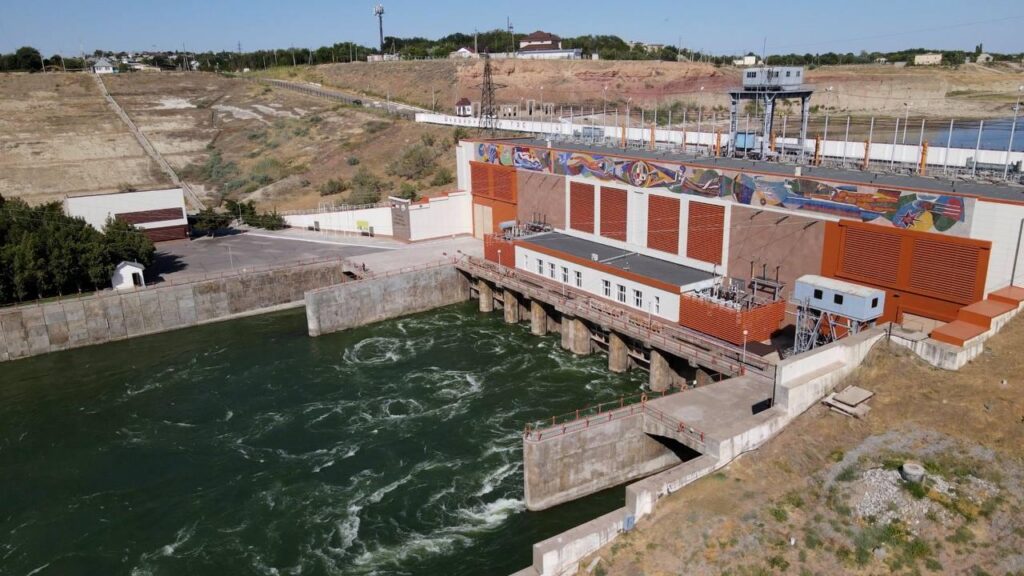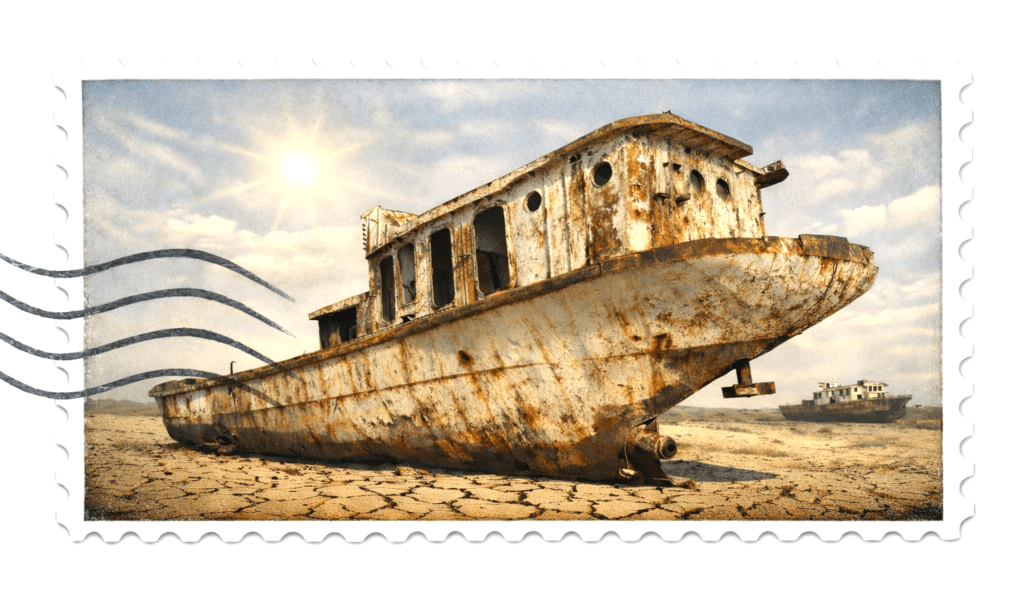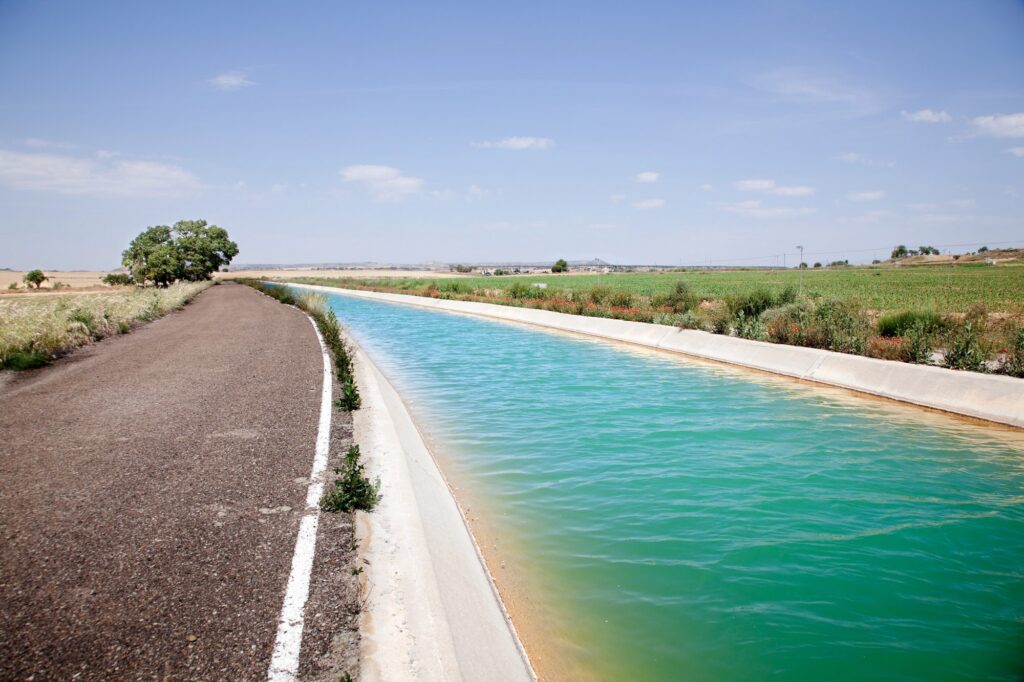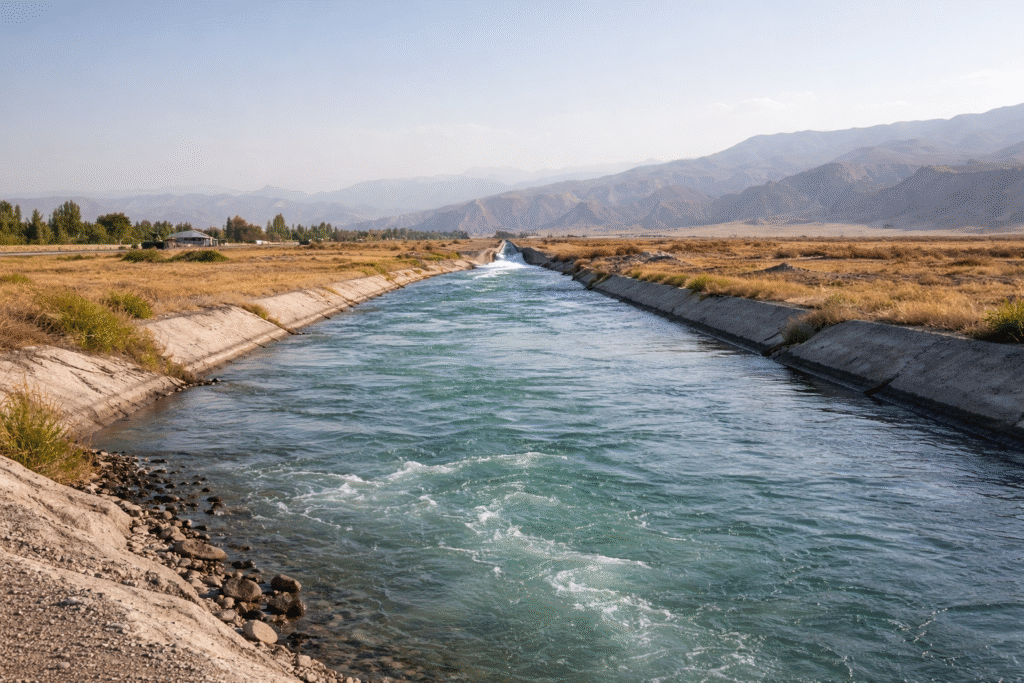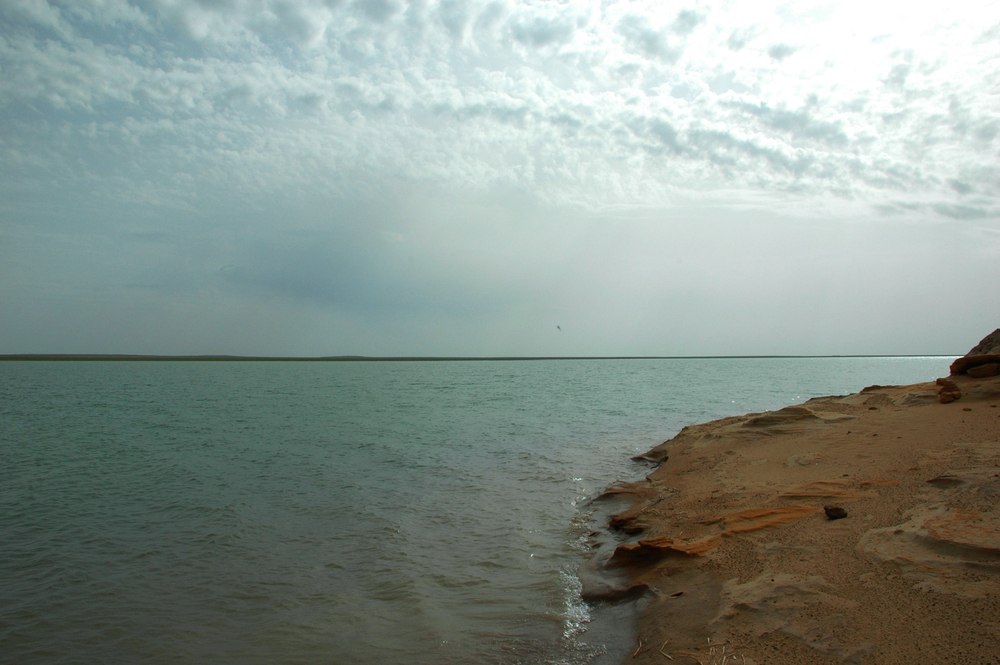
Uzbekistan’s Ministry of Water Resources has rejected claims circulating on social media that the Amu Darya River is drying up. The ministry said water continues to flow through the river, although discharge at some locations is lower than a year ago.
On October 9, the water level near Termez, where the Amu Darya enters Uzbekistan, was 27 centimeters higher than it had been at the same time in 2025. Farther downstream, however, discharge at the Kerki monitoring station was approximately 11% lower than a year earlier. These figures provide little indication of the river’s longer-term condition.
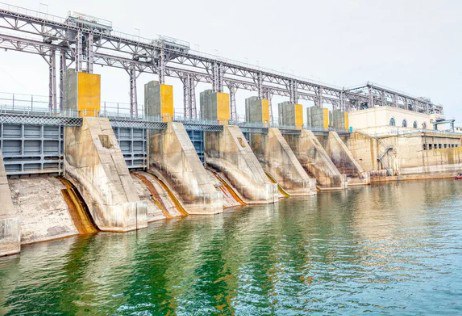
The ministry noted that river flows typically decline in the fall. As the irrigation season ends, water begins to accumulate in reservoirs for use the following year.
The Amu Darya is formed by the confluence of the Panj and Vakhsh rivers, which originate in the mountains of Tajikistan and Afghanistan. It supplies water to agricultural regions in Uzbekistan and Turkmenistan, making any changes in its flow a source of concern.
Concerns about water shortages are not limited to social media. In a September 30 report, the United Nations Development Programme warned that in dry years too little water reaches the Amu Darya delta in Karakalpakstan, leaving some farmland uncultivated and reducing crop yields.
Meanwhile, Central Asian countries have reached another agreement on sharing river water. At an October 7 meeting in Avaza, Turkmenistan, the Interstate Commission for Water Coordination agreed on water withdrawal limits from the Amu Darya and Syr Darya for the fall and winter of 2026–2027, as well as reservoir operating arrangements.
However, the published documents do not specify how much water each country will receive. Those figures remain in unpublished annexes to the meeting protocol. Officials also called for an examination of discrepancies in flow measurements at Kerki, one of the monitoring stations cited in the Uzbek ministry’s statement.
Another concern is Afghanistan’s Qosh Tepa Canal, which is being built to divert water from the Amu Darya for irrigation. In March, Uzbekistan’s Water Resources Minister Shavkat Khamraev warned that Afghan withdrawals of 4 billion cubic meters annually could create a high risk of water shortages for Uzbek agriculture. Afghanistan is not a member of the regional water coordination commission, meaning its withdrawals are not covered by the October 7 agreement.