Kazakhstan ended the 2025/2026 marketing year with record flaxseed exports of nearly 1.3 million metric tons, 2.5 times the previous season’s volume. The country accounted for 72.5% of flaxseed imports into the European Union (EU) in the 12 months to June 2026, with European tariffs on Russian flaxseed helping Kazakhstan improve its position in the market.
“Kazakhstan is the undisputed leader in flaxseed supplies to the EU and the second-largest exporter to China after Russia,” said Yevgeny Karabanov, head of the Analytics Committee of the Grain Union of Kazakhstan.
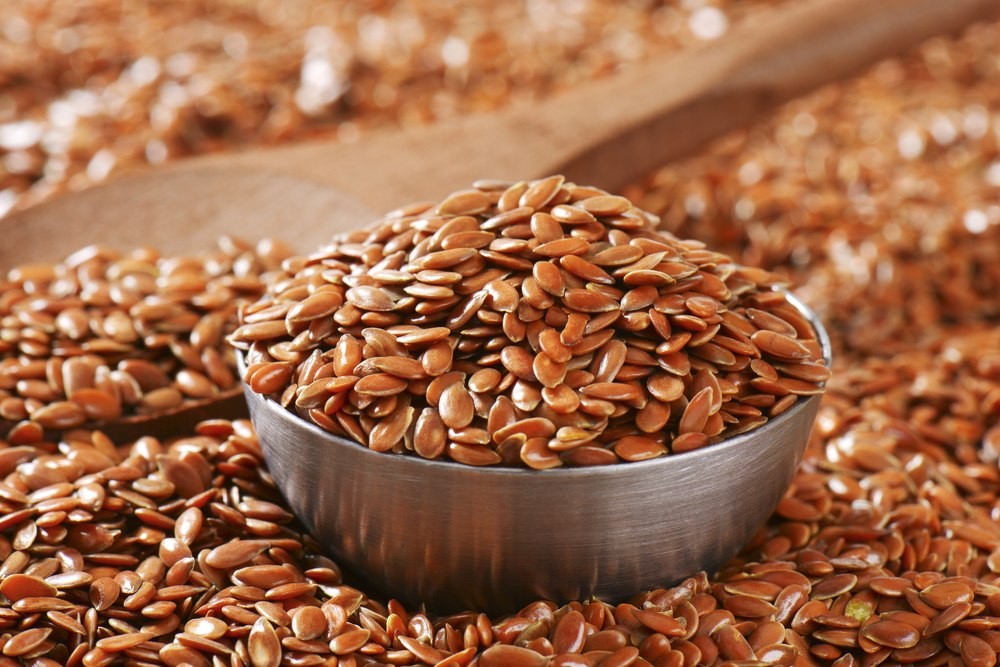
Flaxseed, also known as linseed, comes from the flax plant, which is grown for the fibers used to make linen. The seeds are eaten as food, added to animal feed, or pressed for oil used in cooking and industrial products such as paints and varnishes.
According to Karabanov, the export total covers September 2025 to August 2026.
European Commission data show that the EU imported 686,800 metric tons of flaxseed between July 2025 and June 2026, up 16.8% from the previous 12-month period. Kazakhstan supplied 497,800 metric tons of that total.
Karabanov attributes the shift in the European market to higher tariffs on Russian flaxseed, which rose to 20% in 2025 and 50% in 2026. In January 2026, the value of Russian flaxseed exports to the EU fell to €96,500, its lowest level since July 2010.
Belgium became the largest European buyer of Kazakhstan’s flaxseed, increasing purchases 1.84-fold to 347,100 metric tons. Other European buyers, including Poland and Estonia, also increased their purchases.
Outside the EU, China remains Kazakhstan’s largest market. Exports there totaled 537,700 metric tons, 2.8 times the previous season’s volume. Afghanistan increased its purchases 3.38-fold to 141,400 metric tons. Exports to Uzbekistan, Tajikistan, and Turkey also grew.
China and Belgium together accounted for 68.1% of Kazakhstan’s total flaxseed exports. Afghanistan, the third-largest buyer, accounted for another 10.9%.
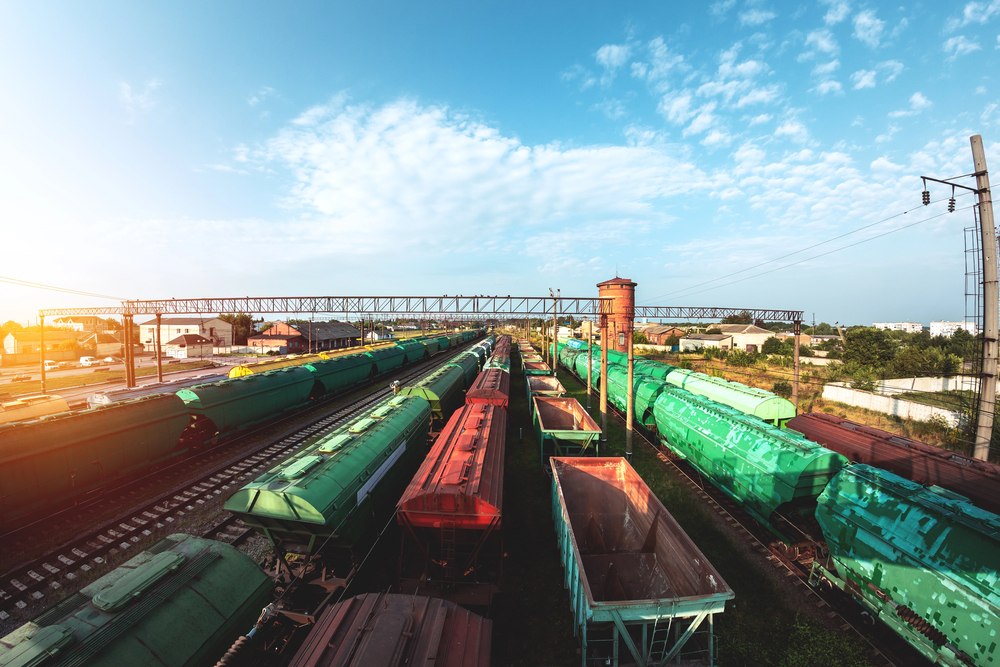
In the new season, exports to Europe could face logistical constraints. According to Karabanov, the redirection of Russian grain exports to Baltic ports could increase pressure on rail networks and complicate the transit of Kazakhstan’s shipments through Russia. An alternative route through Belarus and Lithuania would be more expensive.
Rising transportation costs are already affecting prices in Ghent, Belgium, a major European trading hub for agricultural commodities. Flaxseed prices there have been rising for the past six weeks, he said. Further increases in logistics costs could erode Kazakhstan’s price advantage in the European market.