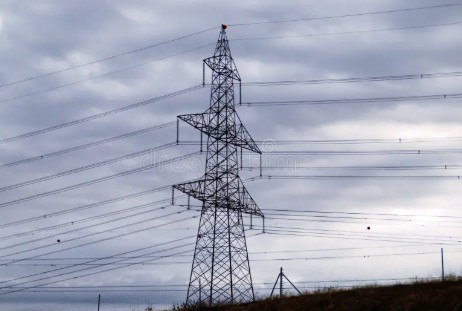
Kyrgyzstan has recorded a new peak in daily electricity consumption during the summer season, reaching 44.1 million kilowatt-hours (kWh) in a single day, according to the National Electric Grid of Kyrgyzstan (NEGK).
This marks a 22% increase compared to the same period in 2024, when the maximum daily load stood at 36 million kWh. The surge is largely attributed to an extended heatwave, with temperatures in major cities exceeding 40°C, prompting heavy use of air conditioners and cooling systems.
The NEGK also reported a steady rise in electricity consumers, with an estimated 30,000 new subscribers joining the grid annually. This trend is fueled by Kyrgyzstan’s ongoing construction boom, which includes the development of residential complexes and industrial sites, sectors that have become pillars of the national economy.
Despite the strain, the power grid remains stable. “We urge citizens to use electricity sparingly. Rational resource use contributes to the reliable operation of the energy system,” the company stated in a public advisory. Residents were also encouraged to unplug unused appliances to conserve energy.
Summer Surplus, Winter Strain
Unlike the winter months, Kyrgyzstan typically enjoys a surplus of electricity in summer due to the seasonal melting of glaciers, which boosts hydroelectric output. The country is preparing to participate in the CASA-1000 project alongside Tajikistan, aiming to export surplus electricity to Pakistan via Afghanistan. These exports will be limited to the summer, as Kyrgyzstan faces significant energy shortages in winter.
According to the National Energy and Power System Company, winter electricity demand can reach 80 million kWh per day, placing substations under considerable stress. To mitigate shortages and prevent rolling blackouts, Kyrgyzstan imports electricity from Kazakhstan and Russia, and under contracts with Turkmenistan and Uzbekistan.
The country’s energy reserve capacity is shrinking due to increasing demand. In response, the Ministry of Energy is investing in network expansion and voltage stabilization. In 2024, five 110 kV substations were constructed. In 2025, two additional major facilities are slated to open in the Issyk-Kul and Batken regions, each with a capacity of 500 kWh.