• KGS/USD = 0.01144 0%
  • KZT/USD = 0.00210 0%
  • TJS/USD = 0.10454 -0.1%
  • UZS/USD = 0.00008 0%
  • TMT/USD = 0.28571 0.28%
  • KGS/USD = 0.01144 0%
  • KZT/USD = 0.00210 0%
  • TJS/USD = 0.10454 -0.1%
  • UZS/USD = 0.00008 0%
  • TMT/USD = 0.28571 0.28%
  • KGS/USD = 0.01144 0%
  • KZT/USD = 0.00210 0%
  • TJS/USD = 0.10454 -0.1%
  • UZS/USD = 0.00008 0%
  • TMT/USD = 0.28571 0.28%
  • KGS/USD = 0.01144 0%
  • KZT/USD = 0.00210 0%
  • TJS/USD = 0.10454 -0.1%
  • UZS/USD = 0.00008 0%
  • TMT/USD = 0.28571 0.28%
  • KGS/USD = 0.01144 0%
  • KZT/USD = 0.00210 0%
  • TJS/USD = 0.10454 -0.1%
  • UZS/USD = 0.00008 0%
  • TMT/USD = 0.28571 0.28%
  • KGS/USD = 0.01144 0%
  • KZT/USD = 0.00210 0%
  • TJS/USD = 0.10454 -0.1%
  • UZS/USD = 0.00008 0%
  • TMT/USD = 0.28571 0.28%
  • KGS/USD = 0.01144 0%
  • KZT/USD = 0.00210 0%
  • TJS/USD = 0.10454 -0.1%
  • UZS/USD = 0.00008 0%
  • TMT/USD = 0.28571 0.28%
  • KGS/USD = 0.01144 0%
  • KZT/USD = 0.00210 0%
  • TJS/USD = 0.10454 -0.1%
  • UZS/USD = 0.00008 0%
  • TMT/USD = 0.28571 0.28%

Kyrgyzstan Sees No Grounds for Restricting Potato Imports from China

Kyrgyzstan’s Ministry of Water Resources, Agriculture, and Processing Industry has stated that there are no grounds for restricting potato imports from China.

The announcement follows reports that the domestic market has been flooded with Chinese potatoes allegedly being sold as locally produced goods.

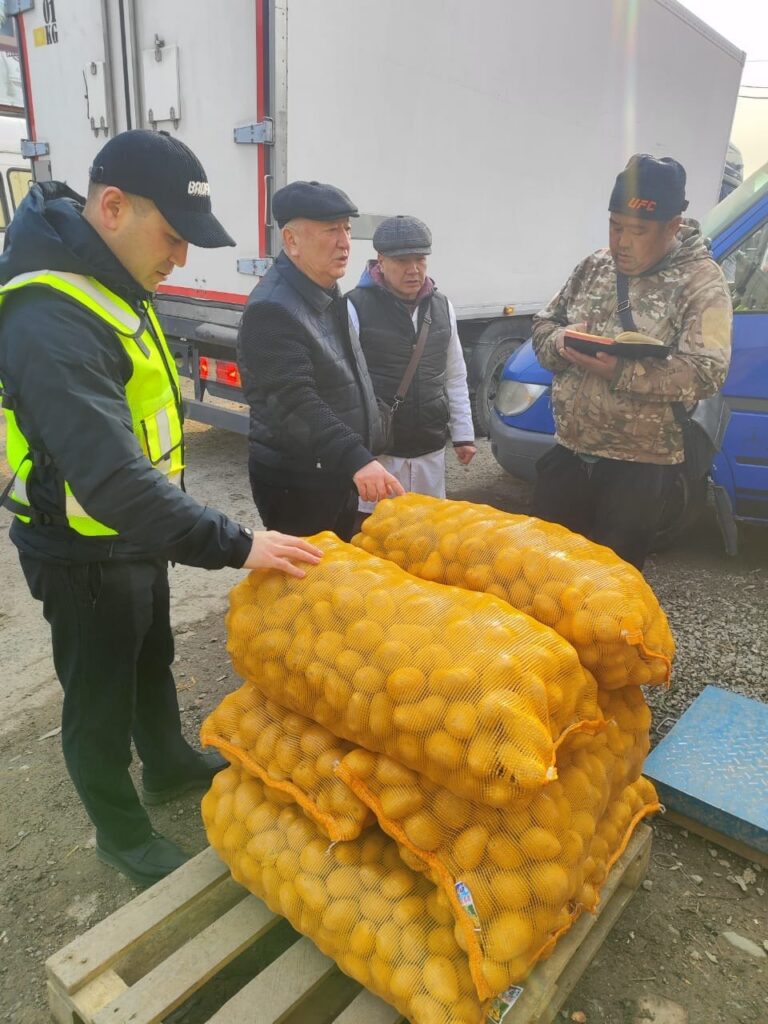
In response, the ministry’s Veterinary and Phytosanitary Control Service conducted monitoring of potato sales in Bishkek and Osh. According to officials, imported Chinese potatoes are present on the market, but no confirmed cases were identified in which such products were falsely labeled as local produce.

Currently, the average retail price of imported Chinese potatoes ranges from 38 to 40 soms per kilogram, while locally grown potatoes are sold at prices of around 42 to 44 soms per kilogram.

The ministry also noted that Kyrgyzstan’s obligations under the World Trade Organization framework limit the scope for imposing unilateral import restrictions. Officials emphasized that agricultural trade between Kyrgyzstan and China is mutual, with Kyrgyz products also being exported to the Chinese market.

In addition, the Veterinary and Phytosanitary Control Service has advised domestic potato farmers to accelerate sales of stored produce. Some producers are reportedly holding stocks in warehouses in anticipation of higher prices. However, the service believes that price increases are unlikely as the arrival of the new harvest is expected to boost supply. Officials warned that prolonged storage may lead to spoilage and financial losses.

In related developments, the Ministry of Agriculture has announced the start of corn exports to China. The first shipment, totaling 25 tons, departed on March 16.

The export became possible following the signing of a protocol on phytosanitary requirements for corn exports from Kyrgyzstan to China between the Kyrgyz Ministry of Agriculture and China’s General Administration of Customs. To date, two Kyrgyz enterprises have been authorized to export corn under this framework.

Trade between Kyrgyzstan and China continues to expand. According to Chinese Ambassador to Kyrgyzstan Liu Jiangping, bilateral trade turnover reached $27.2 billion, representing a 20% increase and a record high. He also noted that China’s imports from Kyrgyzstan grew by 86%.


Internet Outages Reported Across Turkmenistan Since February

Since February, widespread internet disruptions across Turkmenistan have affected both business operations and daily life.

According to reports by the independent outlet turkmen.news, the issue is not limited to routine website blocking but involves broader interference with data transmission.

Sources cited by the outlet suggest that a mechanism described as “network degradation” is being used. This reportedly involves the intentional reduction of data transfer reliability rather than simply restricting access to specific online resources. The Cybersecurity Agency and the telecommunications company Ykjam Aragatnaşyk have been mentioned in this context.

According to these accounts, a significant share of internet traffic may fail to reach its destination. Estimates cited by sources indicate that packet loss could range from 30% to as much as 70% in some cases.

“If, instead of the advertised 6 Mbps, subscribers simply experienced a reduction in speed, the inconvenience might be manageable. However, when data packets are lost during transmission, connectivity becomes unstable, making effective internet use extremely difficult,” one source told the outlet.

In practice, users report that web pages often fail to load fully or display error messages, requiring multiple refresh attempts. Tasks that previously took seconds can now take minutes or longer. Services that depend on stable connections, including video conferencing platforms such as Zoom, are reportedly among the most affected.

Although the reported restrictions are said to target external internet traffic, their impact has also been felt within domestic infrastructure. On March 10, banking services across the country were reportedly disrupted, with users experiencing difficulties withdrawing cash or making card payments.

Communication has also been affected. Users report delays in sending messages through mobile applications, while some areas have experienced disruptions to mobile services. Businesses are said to be incurring additional costs, communication with foreign partners has become more difficult, online classes have been canceled, and access to essential online resources has been limited.

Almaty Launches Startup Program to Attract Investment

Almaty has hosted the Almaty Investment Initiative, where city officials and private-sector representatives unveiled a new program aimed at fostering technology entrepreneurship. The initiative, implemented jointly by MOST Holding and the city administration’s Digitalization Department, seeks to attract international capital and develop a sustainable startup ecosystem.

The program’s launch comes amid intensifying competition among regional urban centers for investment in the technology sector. Almaty aims to position itself as a gateway for projects targeting both the domestic market and export-oriented growth.

The acceleration program is designed to run for two years and will include nine thematic tracks supporting up to 250 startups. Organizers plan to use a range of formats. These include the Investment Readiness Accelerator (IRA), which focuses on helping startups secure funding during the program, as well as an international off-site track in Shanghai intended for 10 startups planning to enter the Chinese market.

Another component is the Soft Landing program, designed for foreign companies considering Kazakhstan as a base for regional expansion.

Within the initiative, city authorities are expected to act as both regulators and potential customers for innovative solutions. Priority sectors include transportation, tourism, environmental technologies, energy, education, and healthcare.

According to Olzhas Zhanabek, head of Almaty’s Digitalization Department, support for startups is seen as a tool for modernizing the city’s economic structure.

“Our task is to create conditions for the growth of projects that can enter international markets and bring practical benefits to the city,” he told The Times of Central Asia.

MOST Holding will serve as the program operator, facilitating connections between entrepreneurs, investors, and government agencies. Particular emphasis will be placed on solutions that can be integrated into the city’s infrastructure.

Organizers say the initiative aims to attract around $60 million in investment for participating startups. In addition, approximately 45 projects are expected to enter foreign markets, while up to 15 startups may pilot and implement their solutions in Almaty.

Pavel Koktyshev, co-founder and CEO of MOST Holding, said the program is intended to support startup development while ensuring practical implementation.

“We want to bring together the city, businesses, and investors on a single platform. This is not just about preparing projects, but also about implementing solutions in the real economy,” he said.

The event also addressed issues related to attracting foreign capital. Participants discussed opportunities linked to the infrastructure of the Astana International Financial Centre (AIFC), as well as strategies for Kazakhstani companies seeking to enter global markets.

Xi Jinping and Berdymuhamedov Sr. Discuss Expansion of China-Turkmenistan Partnership

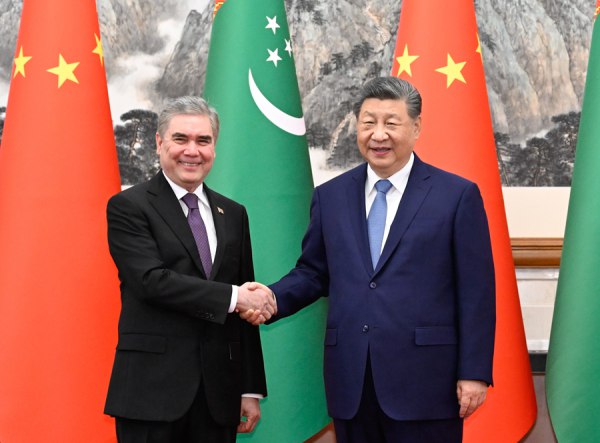
Chinese President Xi Jinping held talks with Gurbanguly Berdymuhamedov, Turkmenistan’s former president and leader of its People’s Council, during the latter’s official visit to China. The meeting took place on March 18 at the Diaoyutai State Guesthouse in Beijing, according to a statement from China’s Ministry of Foreign Affairs.

Xi noted that China had recently completed its annual parliamentary meetings, commonly referred to as the “Two Sessions,” during which key socio-economic priorities were outlined. He said the country’s new development agenda would support modernization efforts and create additional opportunities for international cooperation.

The Chinese president said that mutual political support remains central to the comprehensive strategic partnership between Beijing and Ashgabat. He reaffirmed China’s readiness to continue backing Turkmenistan on issues related to sovereignty, territorial integrity, and its internationally recognized policy of permanent neutrality.

Xi and Berdymuhamedov discussed expanding cooperation in the energy sector, particularly natural gas supplies, as well as in trade, investment, transport connectivity, agriculture, artificial intelligence, the digital economy, and clean energy. Both leaders also highlighted the importance of aligning China’s Belt and Road Initiative with Turkmenistan’s plans to revitalize historic Silk Road trade routes.

Humanitarian cooperation was another focus of the talks, including plans to develop educational and cultural exchanges and establish joint centers. The leaders also discussed coordination on regional security challenges, including efforts to counter terrorism, separatism, and extremism.

Berdymuhamedov reaffirmed Turkmenistan’s commitment to the One China principle and expressed readiness to deepen bilateral cooperation in energy, infrastructure, and trade. He said closer ties with China were important for Turkmenistan’s long-term economic development and again noted Beijing’s support for the country’s neutrality policy.

Chinese Foreign Minister Wang Yi also attended the meeting.

As previously reported by The Times of Central Asia, the visit followed Berdymuhamedov’s trip to the United States in mid-February, the details of which were not fully disclosed.

Shortly after his return, Turkmenistan’s President, Gurbanguly’s son Serdar Berdymuhamedov, dismissed the country’s ambassador to the U.S. and its permanent representative to the United Nations. No official explanation was provided for the personnel changes.

Environmental Pressures Affect Up to 80% of Irrigated Land in Turkmenistan

Environmental pressures in Turkmenistan are intensifying, with desertification, water scarcity, and ecological degradation posing increasing risks to agriculture and public health, according to a recent analysis cited by News-Asia.

The study was prepared by experts from the Central Asia Climate Foundation (CACF)’s climate change and green energy project office ahead of a regional environmental summit scheduled for April 22–24 in Astana.

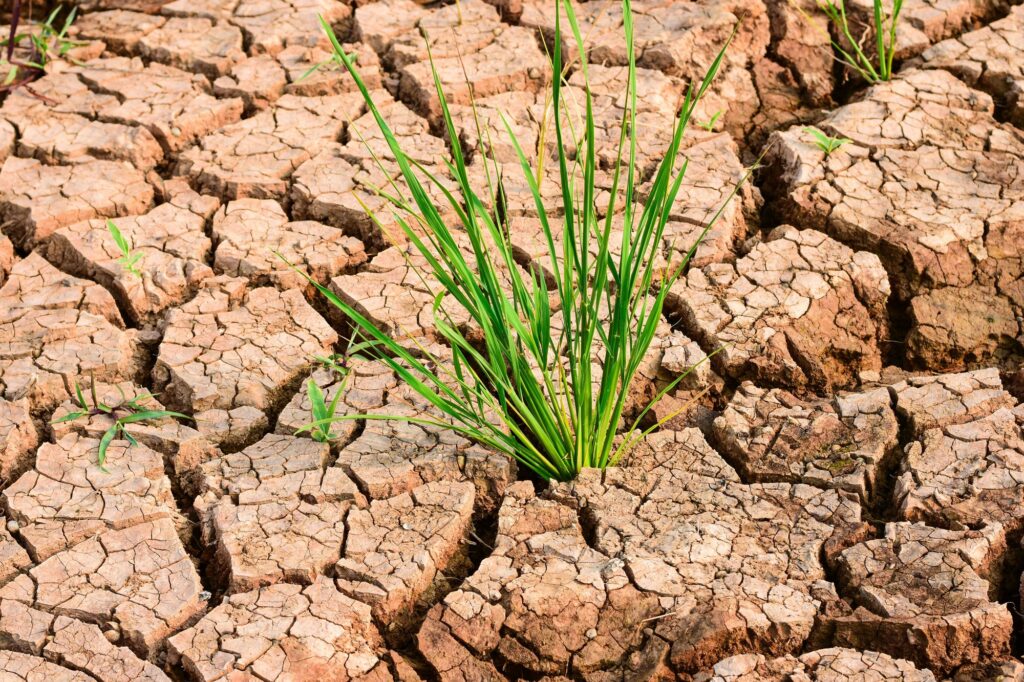
Researchers warn that desertification has reached critical levels across large parts of the country. The expansion of the Karakum and Kyzylkum deserts is described as among the fastest globally, threatening farmland, infrastructure, and living standards. Land degradation is being exacerbated by overgrazing, soil salinization and inefficient water use. As a result, up to 80% of irrigated land is affected by elevated groundwater salinity, reducing soil productivity.

Water scarcity remains another major challenge. Turkmenistan relies heavily on transboundary rivers, particularly the Amu Darya, leaving it vulnerable to upstream water management decisions. Climate change is also contributing to reduced flows in rivers such as the Atrek, Murgab, and Tejen. Much of the irrigation infrastructure dates back to the Soviet era and suffers from significant losses, while agriculture accounts for around 90% of total water consumption.

The analysis highlights the continuing regional impact of the Aral Sea crisis. The drying of the sea has increased the frequency of salt and dust storms carrying harmful substances across Central Asia. In northern regions, including Dashoguz, medical specialists have reported rising rates of respiratory illness and other health problems linked to deteriorating air quality.

Environmental risks are also growing along the Caspian Sea coast. According to the report, pollution from hydrocarbon extraction combined with declining water levels is affecting biodiversity and undermining fisheries.

At the same time, the government has taken steps to address environmental challenges through national climate programs and reforestation initiatives. Turkmenistan is also participating in international projects, including a regional effort launched earlier this year to combat marine litter in the Caspian Sea with support from the United Nations Development Programme and the United Nations Environment Programme.

The upcoming summit in Astana is expected to bring together around 1,500 participants, including government officials and representatives of international organizations, to discuss coordinated responses to environmental threats. Organizers say the meeting could result in a regional action program for 2026-2030 and a joint declaration by Central Asian leaders.

TotalEnergies Launches Wind Farm Project in Southern Kazakhstan

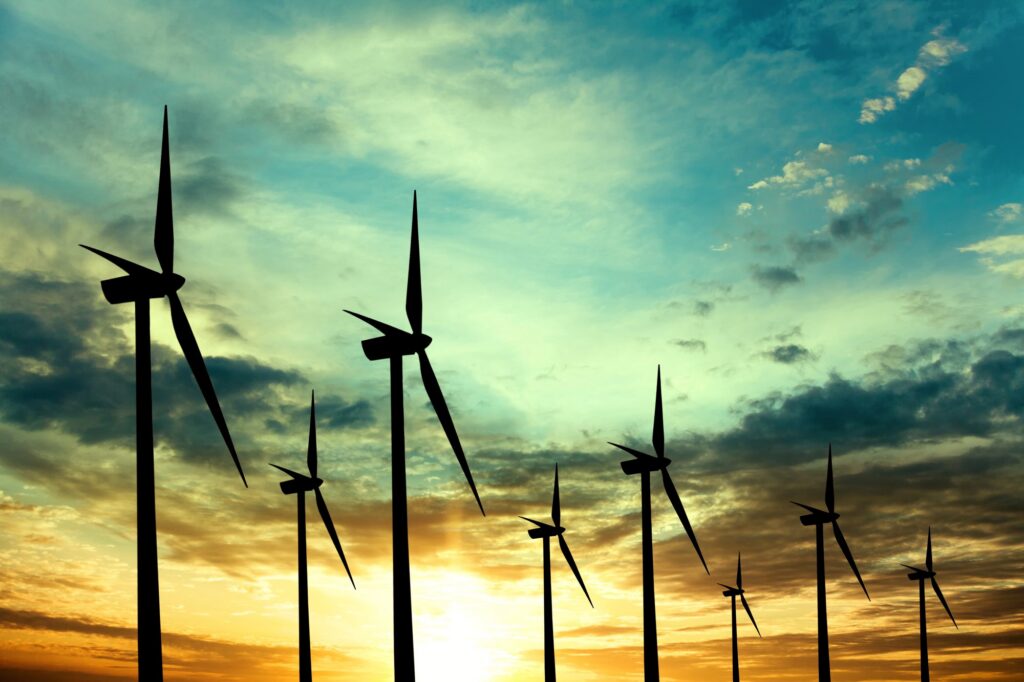
French energy company TotalEnergies has launched construction of the Mirny wind farm, a 1-gigawatt renewable energy project in Kazakhstan’s Moyinkum District in the Zhambyl Region. Once completed, the facility is expected to become one of the largest wind power installations in Central Asia.

The project provides for the installation of around 150 wind turbines supplied by Envision and SANY. It will also include a 600-megawatt-hour energy storage system developed by the French battery manufacturer Saft, designed to improve grid stability and optimize power distribution.

Total investment in the project is estimated at about $1.1 billion. The wind farm is scheduled to be commissioned in the fourth quarter of 2028. Annual electricity generation is projected to reach up to 4 billion kilowatt-hours, which could reduce carbon dioxide emissions by at least 3.2 million tons per year.

Kazakhstan’s authorities view the expansion of renewable energy as a key component of efforts to reduce the country’s carbon footprint. National greenhouse gas emissions stood at 375.4 million tons in 2020, declined to 328.4 million tons in 2021, and rose again to 353 million tons in 2022, according to previously reported data.

The energy sector remains the largest source of emissions, accounting for approximately 281.9 million tons of greenhouse gases in 2022.

The Ministry of Energy has said the TotalEnergies project will contribute to the development of green energy, strengthen energy security, and support the country’s broader decarbonization goals.

Authorities also plan further expansion of renewable capacity. Ten new projects with a combined capacity of 245 megawatts are expected to be launched this year, covering wind, solar, and hydroelectric generation. Together with existing facilities, they are projected to produce around 8.8 billion kilowatt-hours of electricity.

In addition to the Mirny wind farm, other major renewable initiatives involving foreign investors are underway. These include a $1.4 billion wind power project backed by the United Arab Emirates’ Masdar, as well as wind and solar developments led by China Power and China Energy in several regions.

Competitive auctions remain the main mechanism for expanding renewable energy capacity. Kazakhstan plans to allocate 6.7 gigawatts of new capacity through auctions between 2024 and 2027.

In the longer term, the government aims to bring more than 8 gigawatts of renewable energy capacity online by 2035. As previously reported by The Times of Central Asia, officials have also said the country intends to eliminate its electricity deficit and begin exporting power by 2027.